Trump Floats Venezuela as a Possible 51st State Amid Oil Deal
Trump Floats Venezuela as a Possible 51st State Amid Oil Deal
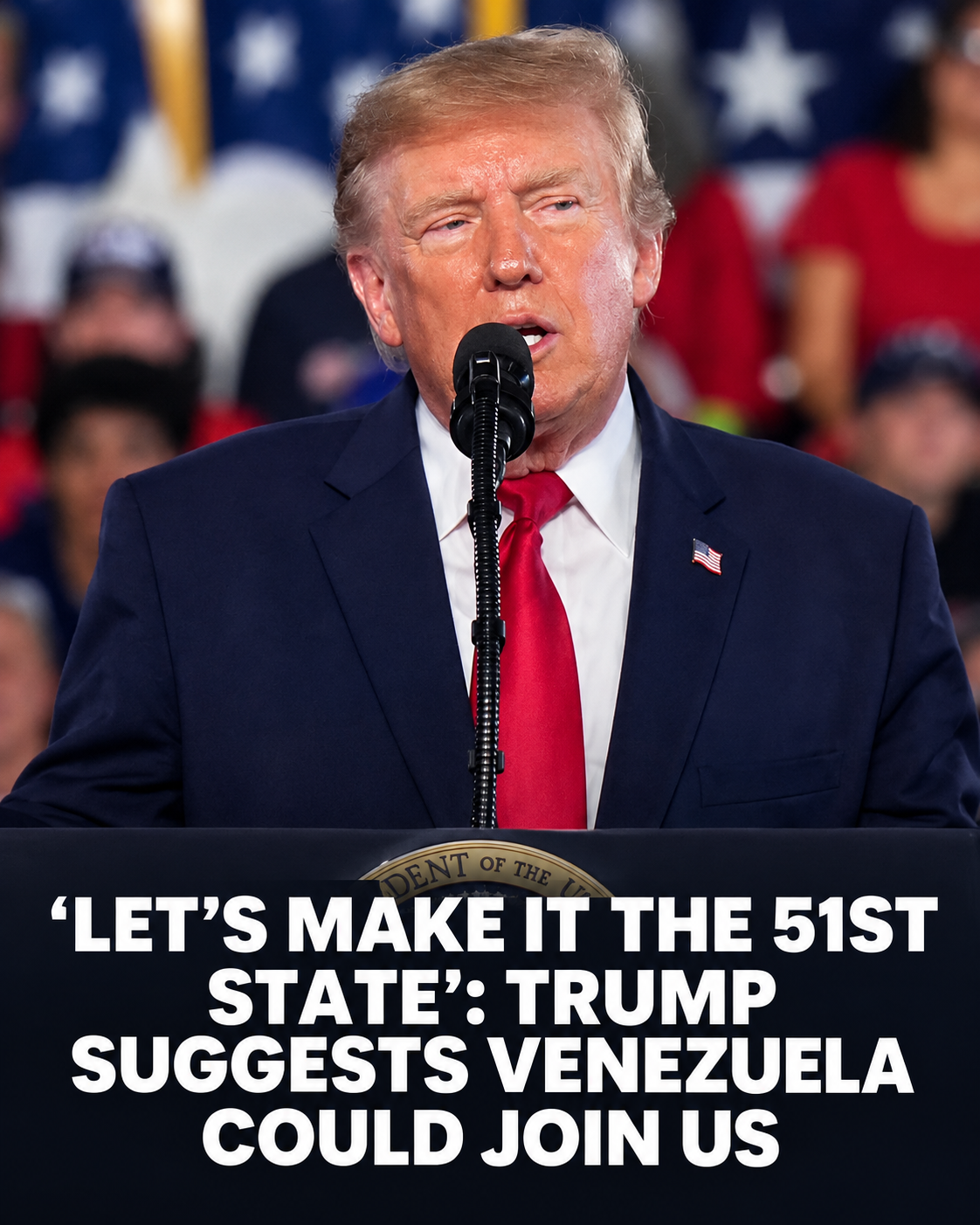
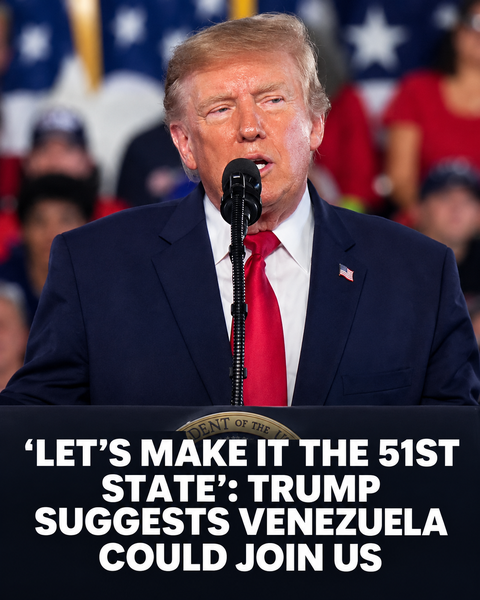
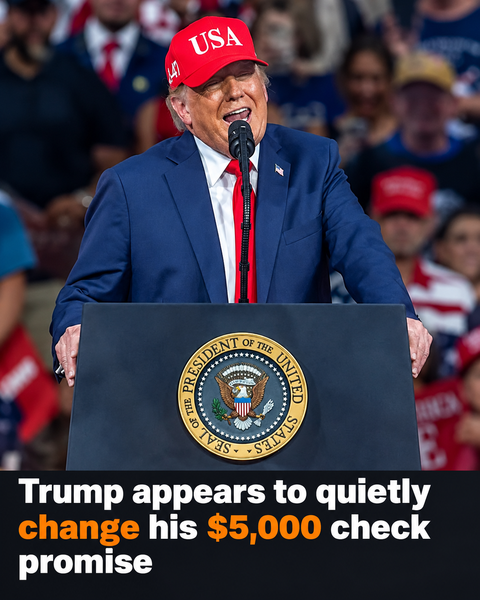
President Donald Trump revived a provocative idea at a campaign rally in Corpus Christi, Texas: Venezuela, he suggested, might one day become the 51st state of the United States. The remark came as he celebrated a new oil arrangement between Washington and Caracas and highlighted a tanker carrying Venezuelan crude.
“It will become a prosperous country, and who knows, maybe someday soon it will become a prosperous 51st state,” Trump told the crowd on October 27, 2026. He repeated the proposal moments later, saying, “Let’s make it the 51st state,” and joking that Venezuelans would elect a governor instead of a president.
The comments were delivered in a political setting, with Trump promoting his administration’s handling of Venezuela and campaigning for Republican candidates ahead of the U.S. midterm elections. But the language was striking because it treated the future of a sovereign South American country as an imaginable extension of American territory.
Trump linked the idea directly to oil. He pointed to a shipment he described as one million barrels of Venezuelan crude and praised cooperation with the country’s current authorities. He also argued that U.S. companies were investing in Venezuela and that the oil would be refined at facilities in Texas, including Corpus Christi.

That framing placed energy at the center of the president’s remarks. Venezuela holds some of the world’s largest proven oil reserves, and its petroleum sector has long attracted international attention. For Trump, the shipment offered a tangible symbol of what he portrayed as a strategic and economic victory.
Yet an oil agreement is not the same thing as statehood. Turning a foreign country into a U.S. state would require an extraordinary political and constitutional process, including congressional action and the resolution of fundamental questions about representation, citizenship, law, territory and the rights of Venezuelans themselves.
The U.S. Constitution gives Congress authority to admit new states to the Union. That power does not mean a president can simply declare another country to be a state, nor would a campaign-rally statement by itself change Venezuela’s legal status. Any genuine proposal would face a formidable set of political, diplomatic and legal obstacles.
Venezuela’s leaders have previously rejected the prospect of becoming an American state. In May, acting President Delcy Rodríguez said the country would continue defending its integrity, sovereignty, independence and history. Her response came after Trump had already floated the idea and shared an online image depicting Venezuela as the “51st State.”
The new remarks therefore did not emerge in isolation. Trump has made similar comments about territorial expansion before, including suggestions involving Canada. The recurring theme has blurred the line between political provocation, bargaining rhetoric and actual policy, leaving other governments and observers to assess how seriously to take the statements.

The context in Venezuela is especially consequential. The United States’ January 2026 operation that captured former leader Nicolás Maduro transformed the relationship between the two countries and triggered intense debate about sovereignty, intervention and control over Venezuela’s future. The oil arrangement Trump celebrated is part of that broader, contentious landscape.
Supporters of Trump’s approach may see closer energy ties as a way to increase supply, encourage investment and create jobs. They may also welcome the prospect of Venezuelan crude reaching U.S. refineries, particularly in a period when fuel prices and energy security are prominent political issues.
Critics, however, are likely to view the 51st-state remark as a reminder of the imbalance in the relationship. When a powerful country discusses absorbing another nation while celebrating access to its natural resources, the language can sound less like partnership and more like a claim of entitlement.
Trump’s reference to oil also raises questions about who benefits from the arrangement. A shipment described as free to American taxpayers can still involve complex commercial terms, government agreements, transport costs and downstream revenues. The full details matter when assessing whether the deal serves Venezuelan citizens, U.S. consumers, private companies or some combination of those interests.
Oil production is not an instant fix for Venezuela’s economic challenges. Infrastructure, investment, workforce capacity, environmental risks and the stability of governing institutions all affect how much crude can be produced and sold over time. Even a major increase in exports would not automatically translate into broad prosperity for ordinary Venezuelans.
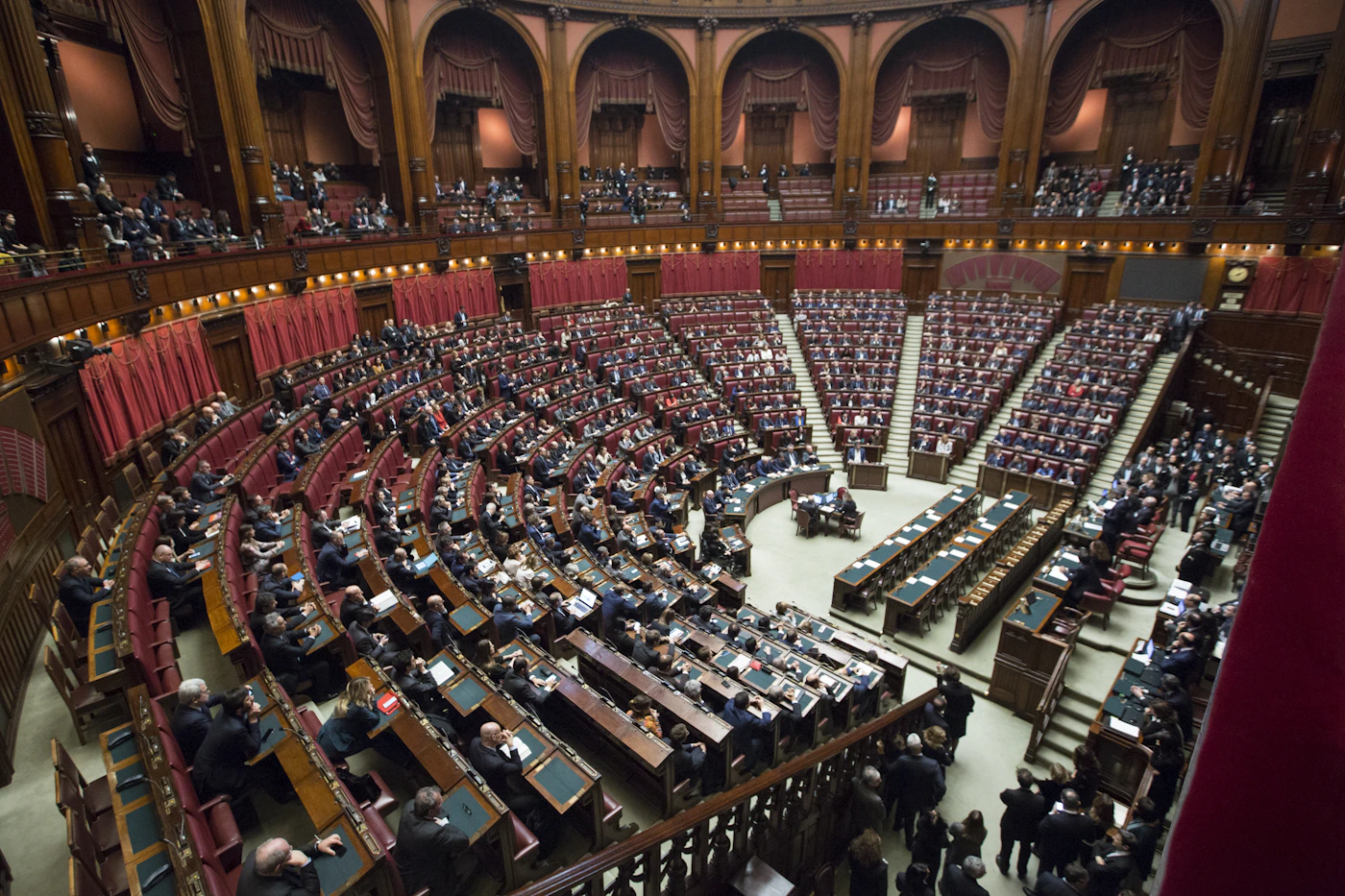
Statehood would raise even more profound questions. Venezuela has its own national identity, political history, institutions and population of tens of millions. Incorporating it into the United States would be unlike the admission of a small territory and would demand decisions on language, public administration, federal representation, taxation, courts and a wide range of social policies.
It would also be misleading to treat the president’s remarks as an announced statehood plan. The comments came during a rally, were framed partly as speculation, and were interwoven with a boast about oil. No formal proposal for admitting Venezuela as a state was presented in the speech.
Still, political jokes from a president can carry diplomatic weight. They can signal how an administration thinks about power and resources, shape headlines abroad and put pressure on officials who must maintain relations with Washington. Even if the line was intended to entertain supporters, its implications extend beyond the rally audience.
The timing mattered domestically, too. Trump was in Texas promoting Republican candidates in the run-up to the November 3 midterm elections. Energy production is a key issue in the state, and a visible oil shipment gave the president a concrete backdrop for claims that his policies were delivering results.
Whether the Venezuelan oil arrangement ultimately lowers prices or creates durable economic gains will depend on implementation, market conditions and the terms governing future exports. A single tanker can make for a powerful campaign image, but it cannot by itself settle the larger questions about long-term supply, costs or political accountability.
For now, Venezuela remains a sovereign country, and Trump’s words have not made it a U.S. state. The remark is best understood as a provocative political statement tied to oil cooperation and a broader pattern of expansionist rhetoric—not as a change in borders or a formal step toward annexation. The response from Venezuelan leaders and the details of the oil deal will be more revealing than the rally’s headline-grabbing phrase.
Comments (0)
Loading comments...
May You Like
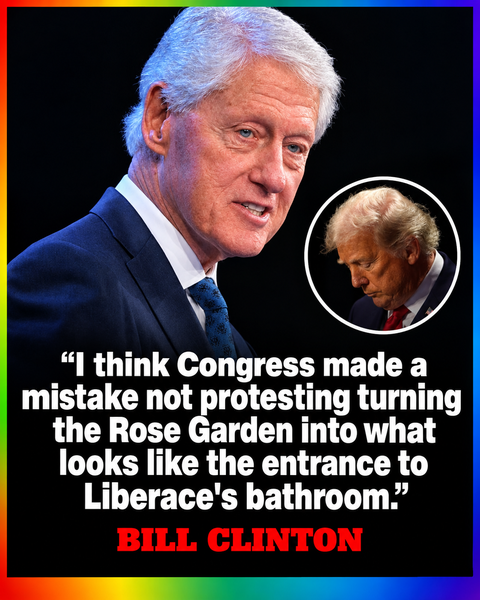
Bill Clinton Mocks Trump’s Rose Garden Redesign as ‘Liberace’s Bathroom’
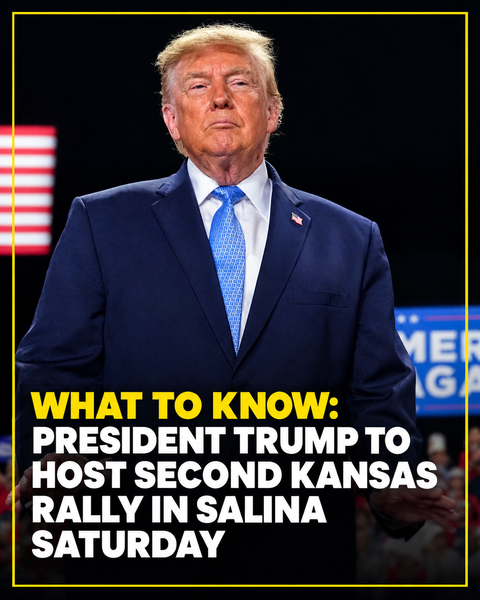
Trump Heads Back to Kansas for a Second Rally as Midterm Campaign Intensifies
Rick Santorum Says Obama Reignited Racism, Rejects Claim Trump Was Most Divisive President
Popular Posts