Trump Frames November Midterms as a Choice Between Prosperity and Poverty
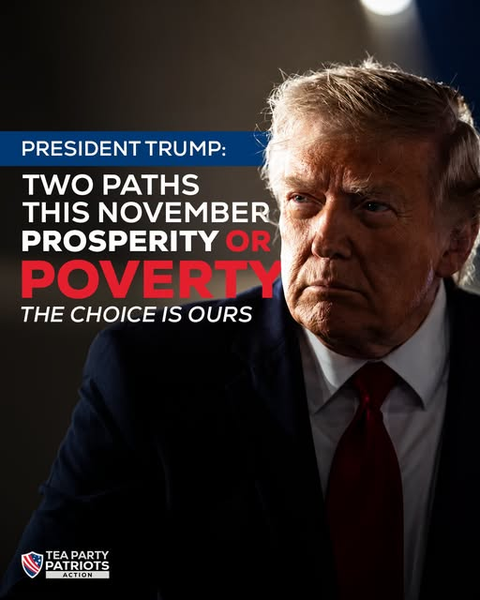
President Donald Trump is placing economic prosperity at the center of the Republican campaign as November’s midterm elections approach, presenting the contest as a stark choice for American voters.
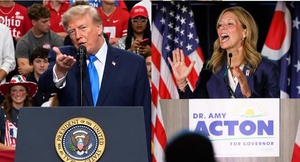
At the Republican Party’s first-ever midterm convention in Dallas, Trump urged supporters to treat the elections as a referendum on his leadership and the direction of the country.


The message reflects a broader Republican strategy of emphasizing tax cuts, domestic investment, manufacturing, energy policy and what party leaders describe as economic gains under Trump’s administration.
Trump has repeatedly argued that Republican control of Congress is necessary to preserve his economic agenda, while warning that a Democratic majority would reverse many of his policies.
The campaign rhetoric comes as Republicans face difficult political conditions, including concerns about inflation, energy prices, consumer costs and Trump’s approval ratings ahead of the elections.
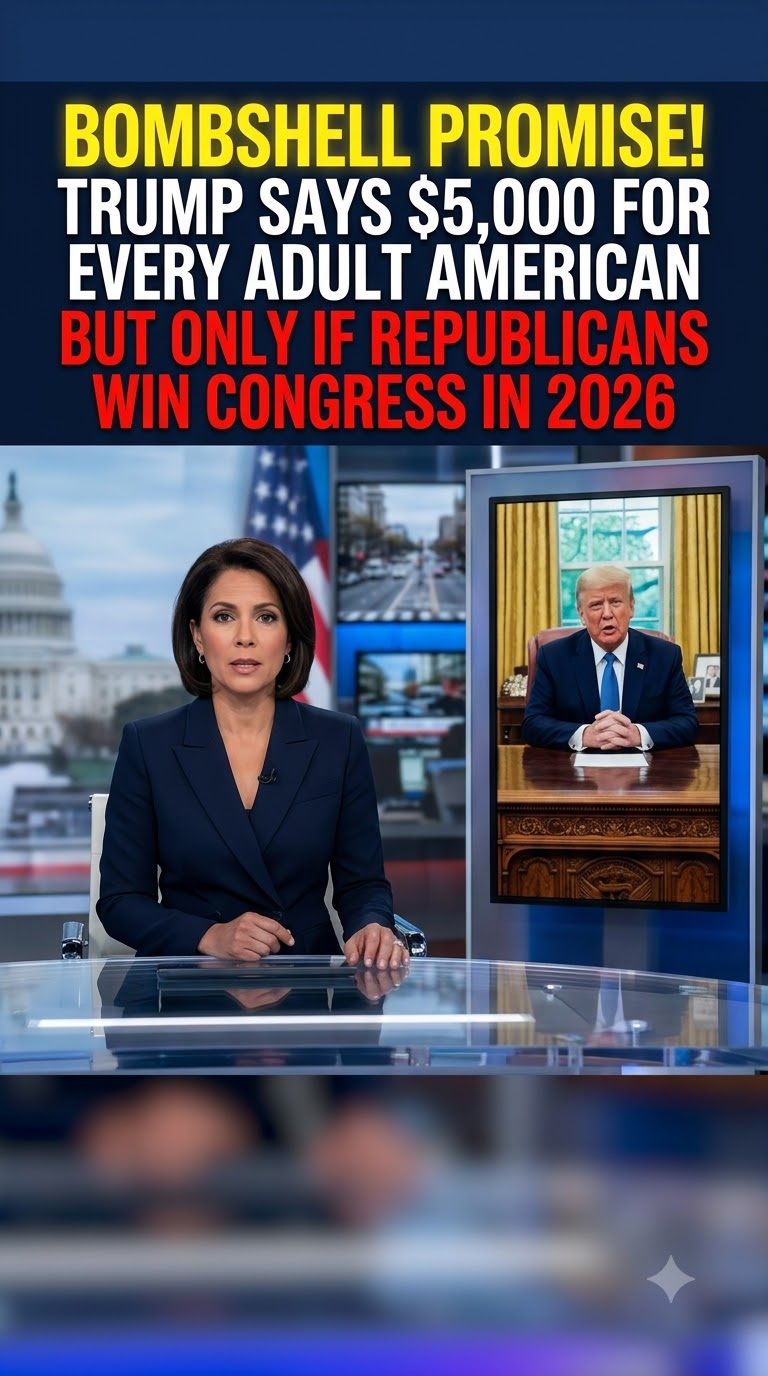
During the Dallas convention, Trump made one of his most striking economic promises yet, proposing a $5,000 payment to every adult American if Republicans retain control of Congress.
Trump described the payment as a “Trump dividend,” linking the proposed distribution directly to continued Republican control of both the House and Senate.
The proposal could cost more than $1 trillion, according to estimates cited by multiple news organizations, raising immediate questions about financing, congressional approval and its effect on federal deficits.
Trump has suggested that tariff revenues could help finance the payments, arguing that his administration has generated substantial income through its trade policies.
However, economic analysts and lawmakers have questioned whether tariff revenues would be sufficient to finance payments on the scale Trump has proposed.
House Speaker Mike Johnson has also said congressional approval would be required, challenging suggestions that the president could independently authorize the payments.
The debate places economic policy at the heart of the midterm campaign, with Republicans promoting their record while Democrats focus heavily on household costs and economic dissatisfaction.
A recent Pew Research Center survey found Americans nearly evenly divided over which party they trust more on economic policy, highlighting the competitiveness of the issue.
Republicans argue that tax reductions, domestic investment and trade policies will strengthen American businesses and workers over the long term.
The White House has highlighted lower taxes, new manufacturing investment, expanded domestic production and other policies as evidence that Trump’s economic agenda is delivering results.
Democrats, meanwhile, are expected to campaign heavily on inflation, energy costs and the broader affordability pressures facing households across the country.
Those concerns could prove especially important in competitive congressional districts, where independent voters and moderate Republicans may determine whether the GOP retains its congressional majorities.
Trump’s strategy also places unusual emphasis on his own political influence, even though he is not personally seeking election in November.
At the Dallas convention, he encouraged Republicans to behave as though he were on the ballot, reinforcing the idea that the midterms should be viewed as a judgment on his presidency.
That strategy carries both potential benefits and risks for Republican candidates, according to political analysts, because Trump remains highly influential among his supporters but remains unpopular with many other voters.
Several Republican candidates have embraced Trump’s message, while others have kept their distance from the Dallas convention as they seek to appeal to voters in closely contested states.
The tension illustrates the central challenge facing Republicans: maximizing Trump’s ability to mobilize his political base without alienating independents concerned about economic conditions.
The November election will determine control of both chambers of Congress, giving voters an opportunity to shape the final two years of Trump’s current presidential term.
For Republicans, the campaign is increasingly framed around protecting Trump’s agenda and preventing Democrats from reversing his policies.
For Democrats, the election offers an opportunity to turn dissatisfaction over economic conditions and presidential leadership into congressional gains.
Trump’s prosperity-versus-poverty message therefore represents more than campaign advertising; it is part of a broader effort to make the 2026 midterms a direct choice over his economic and political vision.
As Election Day approaches, voters will ultimately decide whether they accept the Republican argument that continued control offers greater prosperity—or whether concerns about prices, deficits and economic uncertainty lead them toward change.
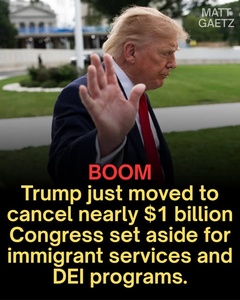
Suggested image placement: use the supplied Trump graphic as the lead image, followed by the Dallas convention photo, a voter-at-polls image, and a U.S. Capitol image. The web-sourced images above are useful visual references; verify licensing before publication.
Comments (0)
Loading comments...
May You Like
Barack Obama Draws Attention With New Literary Podcast
Shocking news from Ohio: an unexpected development ahead of Trump's rally