
TRUMP HOLDS URGENT IRAN WAR TALKS
TRUMP HOLDS URGENT IRAN WAR TALKS: Pentagon Prepares for Possible New Strikes as Middle East Tensions Reach a Critical Turning Point
WASHINGTON, D.C. — President Donald Trump has held urgent discussions with his top national security advisers as the United States weighs whether to resume major military operations against Iran, raising fears that the already dangerous conflict could enter another phase of escalation.
The meetings come just days after the November 3 midterm elections, which dramatically changed the political balance in Washington and removed an important domestic political consideration that had influenced the timing of potential military action.
According to reporting by Axios and Fox News, Trump met with senior national security officials at the White House on Wednesday and Thursday to review the situation with Iran.
The president subsequently told reporters that a decision about whether to resume major military operations would come soon.
His remarks were particularly concerning.
Trump indicated that the United States could pursue additional strikes if necessary, while also leaving open the possibility of a diplomatic agreement.
Behind the scenes, U.S. Central Command has reportedly been finalizing preparations for potential major combat operations.
However, military preparations do not mean that an attack has been authorized.
As of November 7, the White House has not publicly announced a decision to launch a new large-scale bombing campaign.
The situation has become even more complicated following reports of limited American strikes near Iran's Qeshm Island on Friday.
The developments have placed the region on alert, with neighboring governments increasingly concerned about the possibility of Iranian retaliation against American interests and critical infrastructure.
For Washington, the central question is whether military pressure can force Tehran toward an agreement or whether another round of attacks would create an even larger regional conflict.
Trump Meets With His National Security Team
The latest discussions represent an important development in the administration's approach to Iran.
According to Axios, Trump met with his senior national security advisers on Thursday, November 5, for the first time since the midterm elections.
Officials had also held meetings at the White House on Wednesday.
The discussions reportedly examined several possible approaches.
The first option involves launching another round of military strikes against Iranian military and strategic targets.
The second involves maintaining economic pressure on Tehran through sanctions and restrictions.
The third involves pursuing a diplomatic agreement that could require significant concessions from both countries.
Trump has not publicly committed to any one of these options.
His comments suggest that the administration is keeping military action available while continuing to consider negotiations.
The distinction matters because a national security meeting is not the same as an order to begin an offensive.
Nevertheless, the meetings demonstrate that military options remain actively under consideration.
Trump's Warning Raises the Stakes
Speaking to reporters in the Oval Office following the discussions, Trump indicated that the administration would soon decide whether additional military action was necessary.
He questioned whether the United States should go further to ensure Iran's nuclear capabilities could not be restored.
Trump also warned that further destruction could follow if an agreement proved impossible.
His comments reinforced the administration's position that Tehran must accept significant restrictions on its military and nuclear activities.
But the president also left room for diplomacy.
In an earlier interview with Axios on November 2, Trump said he was in no rush to resume bombing Iran.
That position suggests the administration is attempting to maintain pressure without immediately committing to another large-scale campaign.
The coming days could therefore prove decisive.
Pentagon Prepares for Possible Renewed Operations
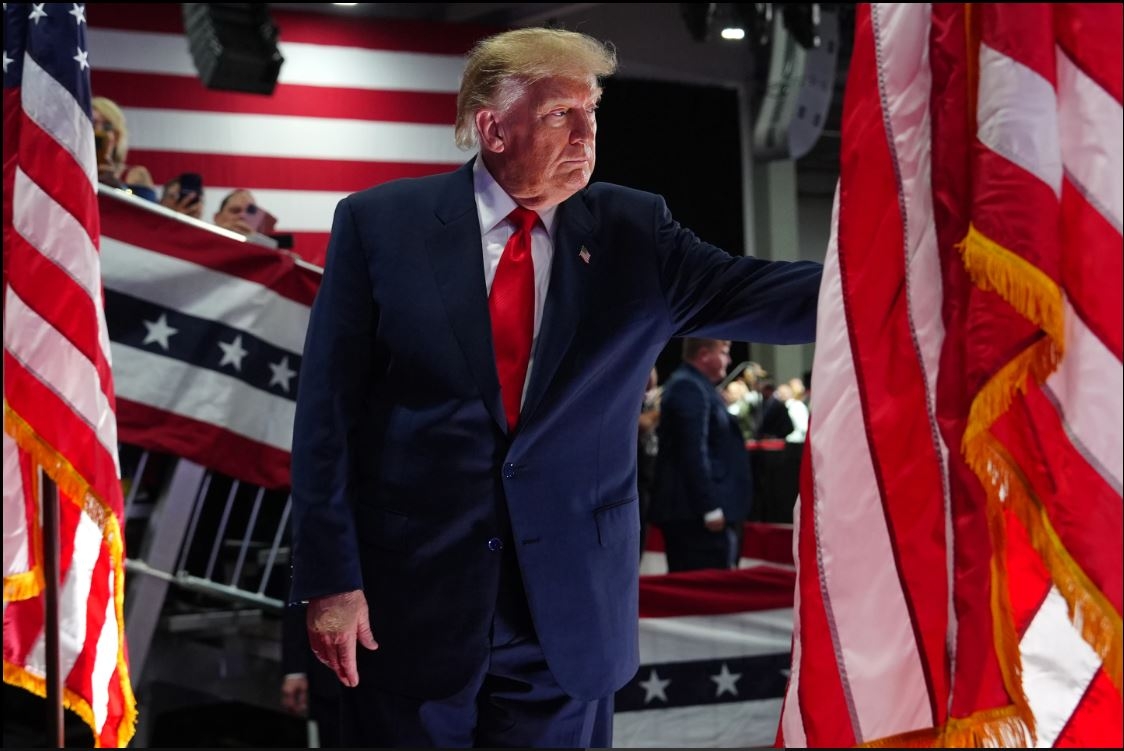
One of the most significant developments involves U.S. Central Command.
According to officials cited by Axios and Fox News, CENTCOM has been preparing options for a potential resumption of major combat operations.
The preparations reportedly include military planning and positioning forces capable of carrying out additional operations if Trump gives the order.
The distinction between preparation and authorization is essential.
Military commanders routinely develop contingency plans for situations involving national security threats.
Those plans allow the president to make decisions without waiting for military capabilities to be assembled from scratch.
However, preparations alone do not prove that an attack is imminent.
The administration has not publicly confirmed an order for a new large-scale offensive.
The presence of military options nevertheless increases pressure on Tehran to take the possibility of renewed fighting seriously.
Limited U.S. Strikes Near Qeshm Island
The military situation became more serious on Friday.
According to the Associated Press, Trump said American forces conducted limited strikes against an Iranian air-defense system near Qeshm Island.
The island occupies a strategically important position near the Strait of Hormuz.
The reported action followed earlier American defensive strikes in the region.
The distinction between limited defensive operations and a major renewed offensive is important.
The latest reported strikes do not automatically establish that the United States has returned to full-scale combat operations.
They do, however, demonstrate that military confrontation has not completely stopped.
The region remains vulnerable to further escalation if either side interprets additional military activity as preparation for a broader attack.
Why Qeshm Island Matters
Qeshm Island is located near the Strait of Hormuz, one of the world's most important maritime passages.
The waterway connects the Persian Gulf with the Gulf of Oman and the wider Indian Ocean.
It is essential to international energy transportation.
A substantial portion of global petroleum trade normally passes through this narrow maritime corridor.
Military activity around Qeshm therefore carries consequences beyond the immediate conflict.
Any disruption could affect commercial shipping, energy prices, insurance costs, and international trade.
For Iran, the island also has strategic importance because of its position near major maritime routes.
For the United States, maintaining freedom of navigation is a major regional security priority.
This is one reason why military activity around Qeshm receives such close attention from Washington and neighboring governments.
The Strait of Hormuz Is Becoming a Major Flashpoint
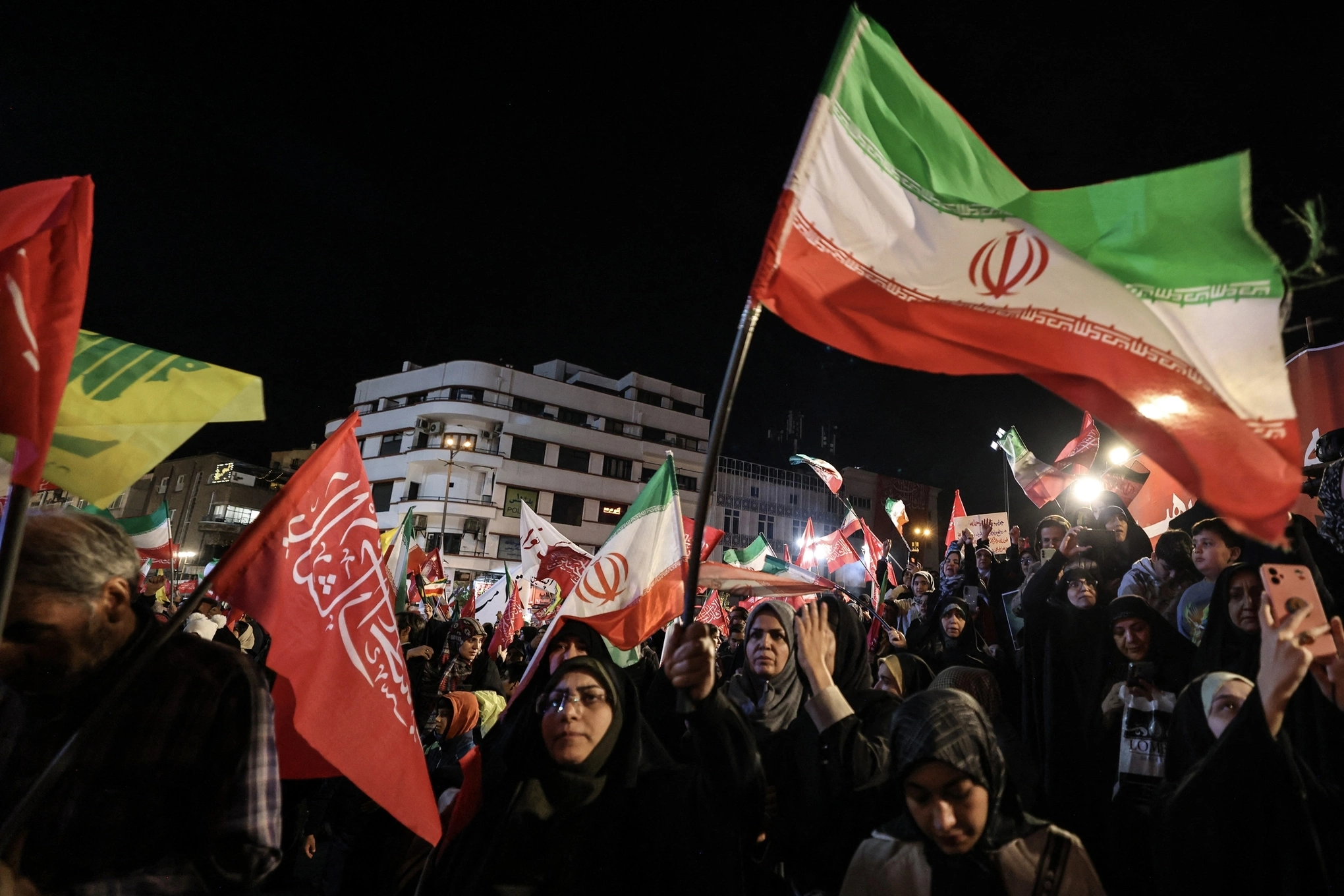
The Strait of Hormuz remains central to the confrontation.
The United States has maintained restrictions on Iranian maritime activity, while Tehran has challenged Washington's actions and asserted its own position regarding the waterway.
The two countries remain far apart on how to resolve the conflict.
Iran has demanded changes to American sanctions and restrictions.
Washington wants guarantees concerning Iran's nuclear program and regional military activities.
The disagreement has created a difficult diplomatic environment.
A renewed military campaign could make negotiations considerably more complicated.
At the same time, failure to reach an agreement could increase the likelihood of further confrontation.
The consequences would extend far beyond the United States and Iran.
Qatar Attempts to Prevent Another Escalation
Diplomatic efforts have continued alongside the military preparations.
Qatar has been playing an important mediating role between Washington and Tehran.
According to Reuters, Qatari officials have continued discussions aimed at preventing a broader regional escalation.
Qatar's prime minister said on November 7 that mediation efforts were continuing and that he remained confident a settlement could be reached.
The discussions reportedly involve a framework addressing several difficult issues.
These include the American naval blockade, frozen Iranian assets, access for international nuclear inspectors, and reopening the Strait of Hormuz.
The proposed arrangements are intended to create conditions for broader negotiations.
But major disagreements remain.
Iran wants Washington to make significant concessions before it agrees to a new framework.
The United States wants stronger guarantees that Iran will not restore its nuclear capabilities or threaten regional security.
Neither side has publicly announced a comprehensive agreement.
Iran Warns of Retaliation
Tehran has repeatedly warned that renewed American attacks would provoke a response.
Iranian officials have indicated that American and Israeli interests throughout the region could become targets if the conflict escalates.
That warning creates additional risks for countries hosting American military facilities.
Gulf governments have expressed concern about the possibility that Iranian retaliation could affect energy infrastructure and civilian facilities.
The threat is particularly significant because several regional states are closely connected to international oil and gas transportation.
An attack on energy facilities could create economic consequences far beyond the immediate battlefield.
It could also draw additional countries into the confrontation.
For Washington, preventing such an outcome is an important part of its regional security calculations.
Why the Midterm Elections Changed the Political Equation
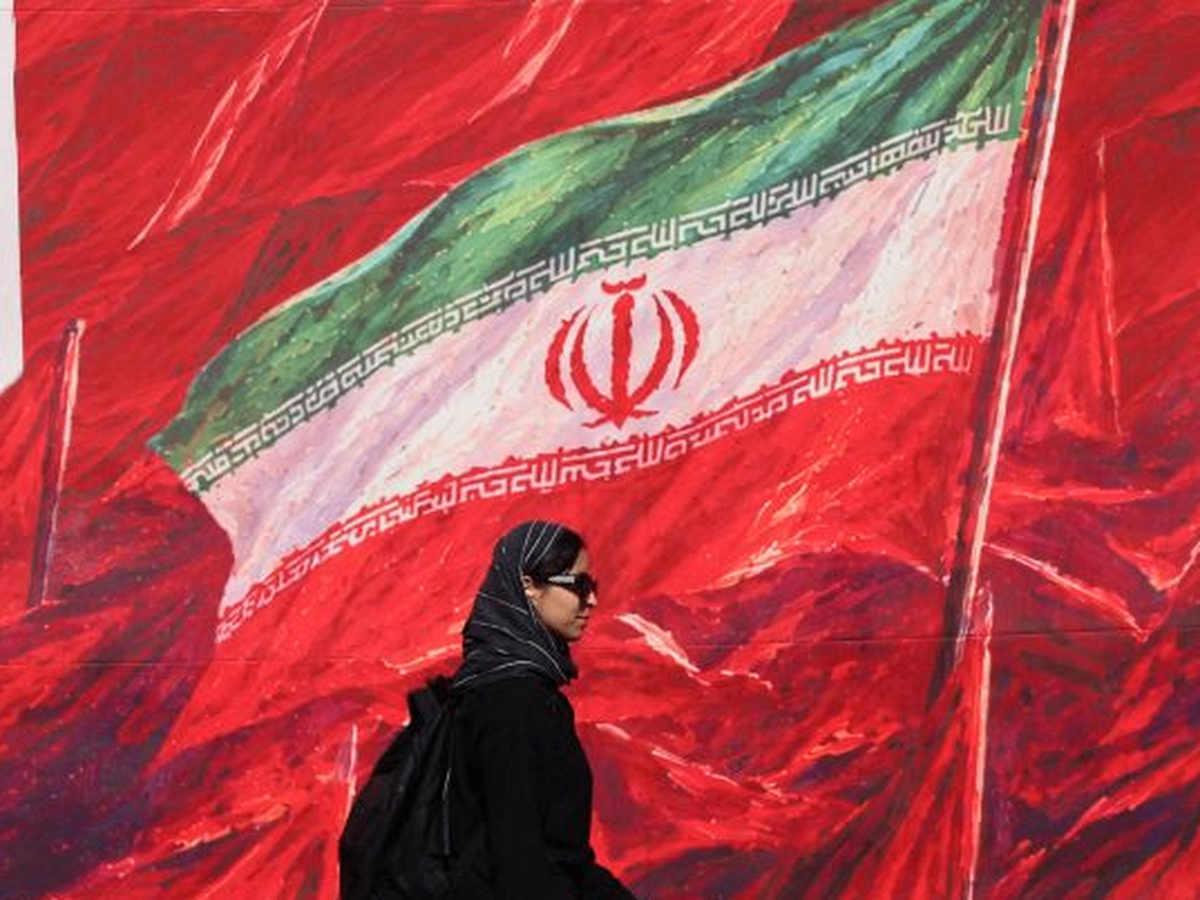
The November 3 midterm elections were an important political milestone.
Before the vote, Trump repeatedly indicated that he was willing to delay a major military decision until after Americans had cast their ballots.
The Iran war had become a politically sensitive issue.
Rising energy costs and concerns about another prolonged conflict were affecting the national political environment.
Republicans also faced difficult electoral contests.
Now that the election has passed, the administration has greater flexibility to consider its military options without the immediate pressure of election day.
That does not mean the midterm results automatically determine American foreign policy.
But they have changed the political circumstances surrounding Trump's decision.
The president must now consider the consequences of renewed military action for national security, the economy, and his remaining time in office.
The Economic Cost of Another War
The financial consequences of a renewed conflict could be substantial.
Military operations require expensive aircraft, missiles, intelligence systems, naval deployments, and logistical support.
The cost of sustaining American forces in the region can increase rapidly during extended operations.
Energy markets are another concern.
Any threat to the Strait of Hormuz could increase oil prices and shipping insurance costs.
Higher energy prices can affect transportation, manufacturing, food distribution, and household budgets.
American consumers could feel the effects through higher gasoline prices and increased costs for goods.
This creates a difficult calculation for the administration.
Military action may be intended to protect American interests, but an extended confrontation could create additional economic pressure at home.
Israel Is Watching Washington Closely
Israel remains a major factor in the confrontation.
The Israeli government has consistently viewed Iran's nuclear capabilities and regional military influence as serious security threats.
Israeli leaders have supported strong measures intended to prevent Tehran from rebuilding its strategic capabilities.
But the United States must make its own decisions about the scope and timing of military operations.
American and Israeli priorities may overlap, but they are not necessarily identical.
A broader American campaign could create risks for Israeli security as well as opportunities to weaken Iranian military capabilities.
If Iran retaliates against Israeli territory or regional targets, the conflict could become more dangerous.
Diplomatic coordination between Washington and Jerusalem will therefore remain important.
Iran's Nuclear Program Remains at the Center of the Dispute
The nuclear issue is one of the most difficult obstacles to a settlement.
The International Atomic Energy Agency has previously reported that Iran possessed a substantial stockpile of uranium enriched to 60%.
That level is below weapons-grade enrichment but considerably higher than the levels normally associated with civilian nuclear power.
The agency has emphasized the importance of verification and access to Iranian nuclear facilities.
The United States wants assurances that Iran cannot develop a nuclear weapon.
Iran maintains that its nuclear program is peaceful and has resisted demands it considers unacceptable.
The latest diplomatic proposals reportedly include arrangements for international inspectors to access sites affected by earlier strikes.
Without a credible verification framework, negotiations may struggle to produce a lasting agreement.
Could Trump Order a Major New Offensive?
The possibility remains open.
According to Axios, CENTCOM has been finalizing preparations for a potential return to major combat operations.
But no new directive had been issued at the time of the reporting.
Several factors could influence Trump's decision.
These include the progress of diplomatic negotiations, Iranian military activity, regional security threats, and the administration's assessment of the nuclear situation.
The president could choose to authorize limited strikes.
He could also maintain economic pressure while allowing negotiations to continue.
A broader military campaign remains another possibility.
What is clear is that the administration is actively considering its options.
What remains uncertain is whether Trump believes military action would produce a better outcome than continued diplomacy.
The Risk of a Wider Regional Conflict
The consequences of another American attack could extend across the Middle East.
Iran has relationships with several armed groups and political movements in the region.
A renewed confrontation could increase the likelihood of attacks against American personnel, Israeli targets, and commercial infrastructure.
Neighboring countries could also face pressure to choose between competing regional interests.
Governments in the Gulf have strong reasons to avoid becoming directly involved in another prolonged conflict.
They depend on regional stability for energy exports, investment, trade, and economic development.
A wider conflict could undermine years of efforts to improve regional relations.
This is why Qatar and other diplomatic intermediaries continue pushing for a negotiated solution.
Trump's Three Main Options
The administration faces three broad strategic choices.
Option One: Renewed military strikes
Additional operations could target Iranian military capabilities and strategic infrastructure.
The objective would be to weaken Tehran's ability to threaten American interests and prevent the restoration of its nuclear capabilities.
But military action could also trigger retaliation and increase the risk of a wider conflict.
Option Two: Continued economic pressure
Washington could maintain sanctions, financial restrictions, and maritime pressure.
This approach would seek to weaken Tehran's economic position without immediately launching a major offensive.
However, economic pressure may take time to produce political concessions.
Option Three: A diplomatic agreement
Negotiations could establish restrictions on Iran's nuclear program, create monitoring arrangements, and address the Strait of Hormuz.
A settlement could reduce the risk of further military confrontation.
But reaching an agreement would require both sides to accept compromises.
The administration has not publicly ruled out any of these options.
What Happens If Diplomacy Fails?
If negotiations collapse, the military option could become more attractive to Washington.
But the decision would carry substantial risks.
A renewed offensive might weaken certain Iranian military capabilities.
It could also provoke retaliation, disrupt international energy markets, and create new pressure on American forces.
The administration would need to consider whether the expected military benefits justify the possibility of a prolonged confrontation.
Iran would face its own difficult choices.
Accepting American conditions could create domestic political challenges for Tehran.
Rejecting negotiations could increase the risk of further attacks.
Both governments therefore face incentives to seek an agreement, even while maintaining military readiness.
The White House Faces a Defining Decision
Trump's latest national security discussions demonstrate that Iran remains one of the most consequential foreign policy challenges facing his administration.
The president must balance military pressure against diplomatic opportunities.
He must also consider the consequences for American troops, regional allies, global energy markets, and the broader international economy.
A decision to launch another major offensive could reshape the conflict.
A decision to pursue diplomacy could create an opportunity to reduce tensions.
But neither outcome is guaranteed.
The coming days will reveal whether Washington believes a negotiated settlement is achievable or whether military pressure will once again become its primary instrument.
A Dangerous Moment for the Middle East
The situation surrounding Iran remains extremely volatile.
Trump has discussed the possibility of further military action.
American commanders are preparing contingency options.
Limited strikes have reportedly occurred near Qeshm Island.
Meanwhile, Qatar and other regional actors are attempting to prevent the conflict from expanding.
The developments show that the ceasefire and diplomatic efforts remain fragile.
A new offensive could create consequences for the entire region.
The Strait of Hormuz, international energy markets, American military facilities, and regional governments are all exposed to the risks of escalation.
For now, the United States has not publicly announced a decision to begin a new large-scale campaign.
But the administration's military preparations and Trump's increasingly direct warnings make one thing clear.
The possibility of renewed conflict is real.
And the decision coming from the White House could determine whether the Middle East moves closer to a negotiated settlement or enters another dangerous chapter of war.
Comments (0)
Loading comments...
May You Like

KUWAIT DRONE ATTACK SPARKS TENSION BETWEEN ISRAEL, THE U.S AND IRAN

CAIRO INFERNO — CAR CARRYING SENIOR U.S. OFFICIAL SLAMS INTO FUEL TANKER, 31 DEAD, 21 INJURED!

Latest Posts







Popular Posts





