
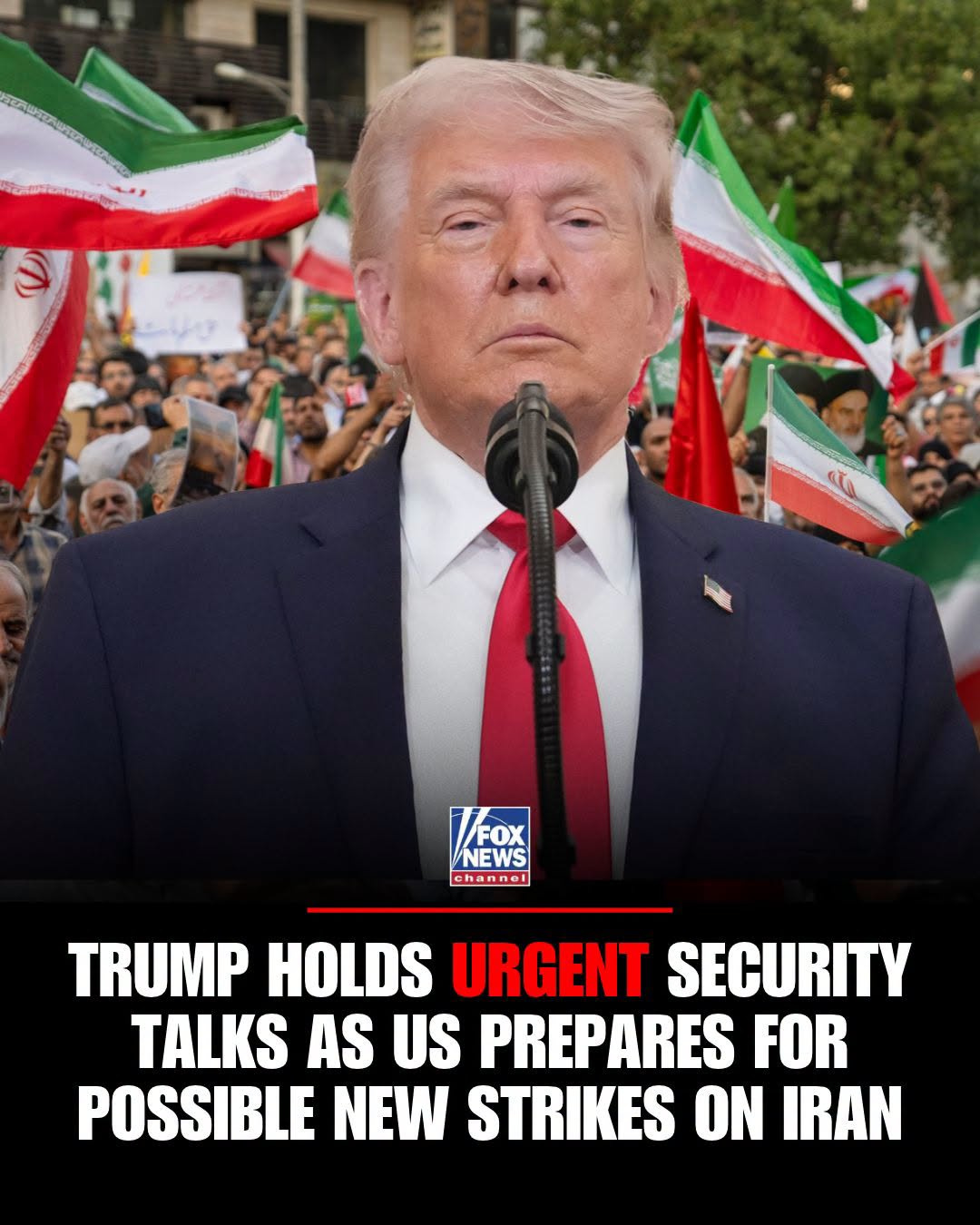
Trump Holds Urgent Security Talks as US Weighs Possible New Strikes on Iran
November 7, 2026 | U.S. Politics | Middle East Crisis
President Donald Trump is considering a renewed military campaign against Iran after meeting senior national security advisers, raising fears that the eight-month conflict could enter another dangerous phase.
The meeting took place Thursday, November 5, shortly after the US midterm elections, which had intensified political pressure on the administration over the economic and military costs of the war.
Speaking to reporters in the Oval Office, Trump indicated that a decision would come soon, leaving open the possibility of additional strikes against Iranian military and nuclear infrastructure.
“Now we will make a decision,” Trump said, adding that he would prefer not to destroy more of Iran but might have to do so.
According to Axios, the president is weighing three principal options: launching another round of military strikes, maintaining economic pressure on Tehran, or negotiating an agreement involving significant concessions.
The first option could involve a broader campaign targeting Iranian military infrastructure, missile capabilities, and remaining nuclear-related facilities. US Central Command is reportedly preparing contingency plans for such operations.
However, American officials have emphasized that military preparations do not mean an attack has been authorized. The final decision remains with the president.
The military situation has already become increasingly dangerous. On November 6, Trump confirmed that American forces had conducted limited strikes against an Iranian air-defense system near Qeshm Island.
The operation followed earlier American defensive strikes near the Strait of Hormuz and demonstrated that Washington was still prepared to use military force despite ongoing diplomatic discussions.
The Strait of Hormuz remains central to the confrontation because it is a critical international shipping route for oil and other energy supplies.
Any renewed escalation could threaten commercial vessels, disrupt regional trade, and push global energy prices higher, creating economic consequences far beyond the Middle East.
Meanwhile, Iran has warned that additional American attacks would trigger retaliation against US and Israeli interests. Tehran has also maintained pressure over shipping access through the strategic waterway.
Diplomatic efforts have nevertheless continued. Qatar is attempting to negotiate a temporary arrangement that could restore confidence between Washington and Tehran and create conditions for broader nuclear negotiations.
One proposal reportedly involves Washington lifting its naval blockade and releasing some frozen Iranian funds in exchange for Iran allowing international nuclear inspectors to access damaged facilities.
A second stage would involve reopening the Strait of Hormuz and restarting negotiations over Iran's highly enriched uranium stockpile.
Iranian officials have indicated that they will not accept an agreement without addressing sanctions, frozen assets, compensation, and the American naval blockade.
These conditions remain major obstacles because Washington wants verifiable restrictions on Iran's nuclear activities, while Tehran demands economic and security guarantees.
The diplomatic situation is also complicated by Israel's position. Prime Minister Benjamin Netanyahu has reportedly encouraged a tougher approach toward Iran, while some American officials favor continuing negotiations.
Trump's advisers are divided over the best strategy. Vice President JD Vance and envoy Steve Witkoff reportedly favor pursuing a negotiated settlement, while other officials support maintaining pressure or considering further military action.
The consequences of another major campaign could be substantial. Iran retains missile capabilities and regional partners that could threaten American bases, Israeli territory, and infrastructure across the Gulf.
Regional governments are therefore watching Washington's next decision closely, concerned that another round of fighting could draw neighboring countries into a wider confrontation.
For Trump, the challenge is finding a way to demonstrate military strength without creating an even longer conflict that damages American economic interests and regional stability.
The coming days could determine whether Washington chooses escalation, continued economic pressure, or a diplomatic agreement. For now, all three options remain under consideration.
Comments (0)
Loading comments...
May You Like


FCC CLEARS SPACEX FOR ONE MILLION AI SATELLITES AS ASTRONOMERS SOUND ALARM

Latest Posts









Popular Posts



