
Trump: US Can Strike Remaining Iran Nuclear Sites ‘In 10 Minutes’
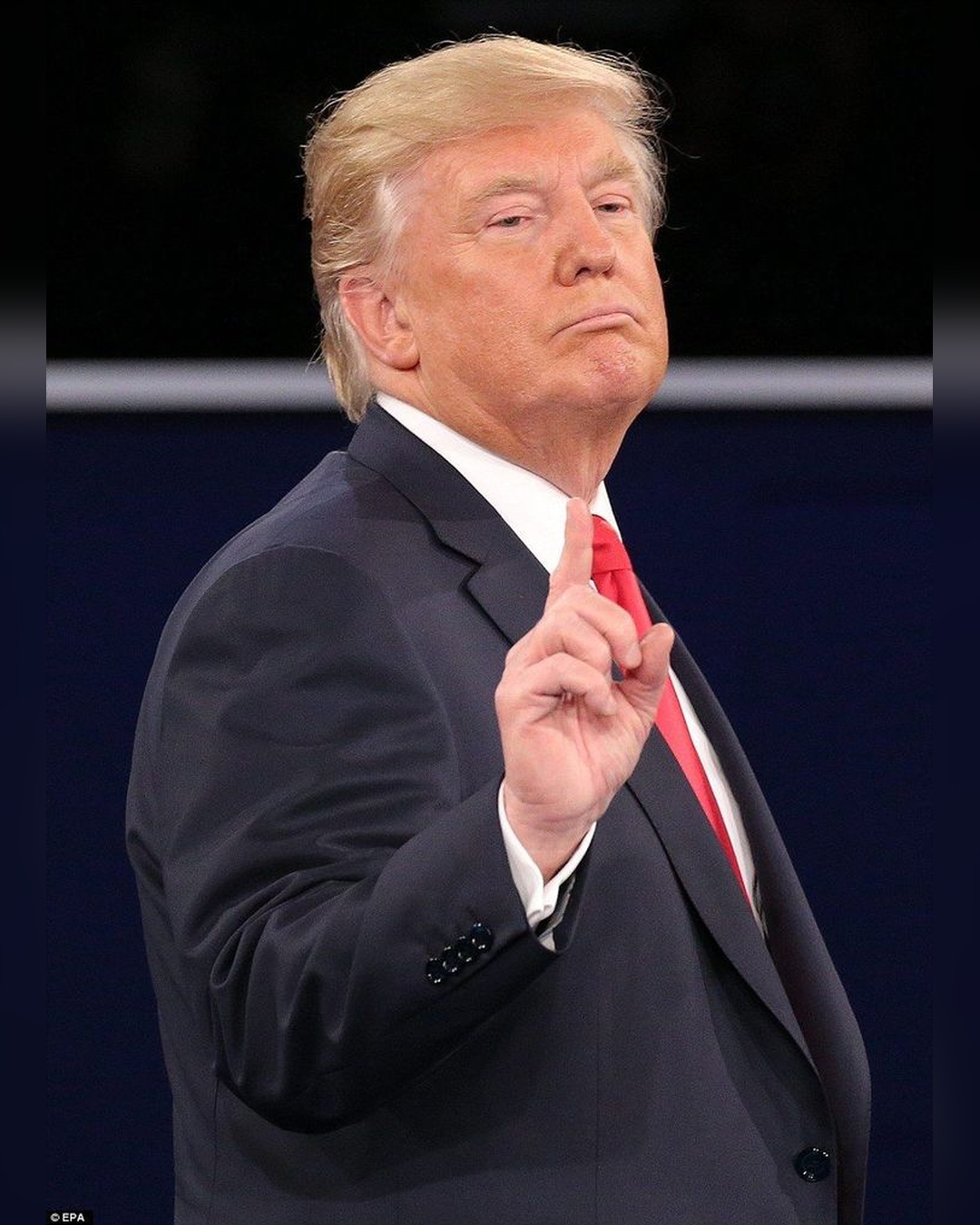
Trump Says U.S. Could Strike Iran’s Remaining Nuclear Sites “In Ten Minutes” as Tensions Rise
U.S.–Iran Relations | November 3, 2026
President Donald Trump has renewed his warning that the United States could launch further military strikes against Iran, saying American forces could hit one or two remaining nuclear-related sites “in ten minutes.”
Trump made the remarks on October 31, 2026, while speaking to reporters at a Halloween event at his Mar-a-Lago estate in Florida. The comments were reported by ABC News and documented in a published transcript.
The statement comes amid fragile diplomatic efforts to prevent renewed fighting between Washington and Tehran, raising questions about whether military action could resume despite ongoing negotiations.
Trump Warns U.S. Could Strike Iran’s Remaining Nuclear Sites “In Ten Minutes” as New Clashes Raise Fears of Escalation
U.S.–Iran Relations | November 3, 2026
President Donald Trump has warned that American forces could rapidly attack remaining Iranian nuclear-related targets, declaring that the United States could strike one or two sites “in ten minutes.”
He made the comments on October 31 while speaking with reporters at a Halloween event at his Mar-a-Lago estate in Florida, amid continuing negotiations aimed at ending the conflict.
The remarks have intensified concerns about renewed military action against Iran, particularly as diplomatic efforts continue and regional governments warn that another escalation could destabilize the wider Middle East.
Trump’s “Ten Minutes” Warning
Trump said American forces had already severely damaged Iran’s navy, air force, air defenses, military equipment, manufacturing capabilities, and nuclear infrastructure.
He nevertheless acknowledged that one or two locations remained to be addressed, suggesting that the military had plans capable of striking those targets very quickly.
“We still have to take care of, I would say, one or two sites, but we can do that in ten minutes,” Trump told reporters.
He subsequently identified Pickaxe Mountain as a location that might require attention, adding that the United States could handle the operation rapidly.
The president did not publicly provide operational details, identify a specific attack date, or explain what military assets would participate in any potential operation.
His comments therefore represent a warning about claimed American military capabilities and intentions, not confirmation that a new nuclear-site strike has been ordered.
Why Pickaxe Mountain Matters
Pickaxe Mountain is an underground facility associated with Iran’s nuclear program, and its location and construction have attracted attention from Western intelligence agencies.
Its underground design has raised concerns that conventional airstrikes may not completely destroy all infrastructure or materials potentially stored beneath the surface.
The Institute for Science and International Security previously identified underground facilities and Iran’s remaining enriched uranium stockpile as unresolved issues following earlier military strikes.
The International Atomic Energy Agency has also warned that it cannot fully verify the current status of Iran’s nuclear material because inspectors have lacked access to damaged facilities.
In October, IAEA Director General Rafael Grossi said the agency had found no evidence that Iran had attempted to repair facilities damaged during the 2025 and 2026 attacks.
However, the agency has not been able to verify the status of Iran’s stockpile of highly enriched uranium, leaving important questions about the country's nuclear capabilities unresolved.
The Congressional Research Service similarly reported in October that the overall condition of Iran’s nuclear program remained unclear after successive American and Israeli military operations.
Diplomacy Continues Despite Military Threats
Trump described negotiations with Tehran as progressing, although he questioned whether Iranian officials could be trusted to honor any eventual agreement.
The diplomatic effort has involved Qatari mediators, with discussions focused on ending the conflict, reopening shipping routes, and addressing sanctions and Iran’s nuclear activities.
On November 2, Reuters reported that Iranian negotiators had left Doha after discussions without a breakthrough, although indirect contacts continued and a draft proposal was circulating.
Iran’s proposal reportedly links reopening the Strait of Hormuz and easing American restrictions with further negotiations, while Tehran maintains that nuclear discussions must address its conditions.
The United States, meanwhile, wants verifiable commitments concerning Iran’s enriched uranium and nuclear program, leaving substantial differences between the two sides despite continued mediation.
Iran Warns Against Another Attack
Iranian Supreme Leader Mojtaba Khamenei has warned that any new American or Israeli attack would trigger an immediate response without geographical limits.
Iranian military officials have also indicated that the country is preparing for possible renewed confrontation, arguing that Washington cannot dictate the timing or conditions of another war.
On November 3, the Associated Press reported that the United States had carried out limited defensive strikes against Iranian targets near the Strait of Hormuz, adding to concerns about escalation. Those reported strikes were not identified as attacks on nuclear facilities.
The latest developments demonstrate how quickly a fragile diplomatic process could be disrupted by military incidents, particularly when both countries continue issuing warnings and maintaining military pressure.
What Happens Next?
The American administration faces competing pressures: securing an agreement that addresses Iran’s nuclear program while avoiding a broader conflict that could threaten regional security and international energy supplies.
The Strait of Hormuz remains especially important because disruption to shipping through the waterway can affect oil and gas markets far beyond the Middle East.
A renewed campaign against Iranian nuclear facilities could provoke retaliation against American military positions, regional partners, shipping routes, or other strategic infrastructure.
For now, Trump’s “ten minutes” statement should be understood as a claim about the speed of a potential military operation, not proof that an attack is imminent.
The central uncertainty remains whether Washington and Tehran can reach an agreement before military confrontation expands again, or whether diplomatic efforts will ultimately fail.
Comments (0)
Loading comments...
May You Like

BANGCHAK REFINERY DISASTER IN THAILAND—120,000 BARRELS A DAY SHUT DOWN, U.S. OIL PRICES SURGE 10%!


$1 BILLION DISASTER AT BANGCHAK REFINERY, THAILAND—40 BURNED, 8 AMERICANS DEAD!

Latest Posts








Popular Posts



