Trump issues a new ban...
Trump Pushes Bill to Prevent Future Presidents From Reopening the Border


President Donald Trump has proposed legislation intended to make it harder for future administrations to reverse his border-security policies, reviving a major immigration issue ahead of the 2026 midterm elections.
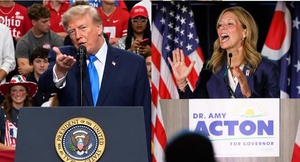
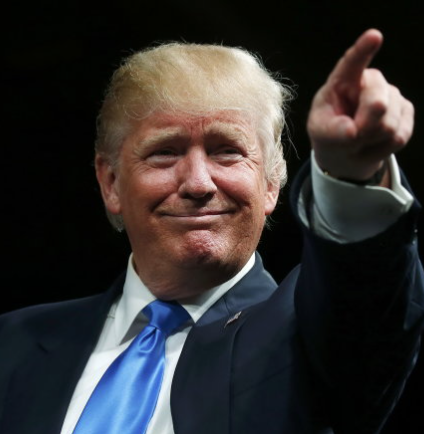
Speaking at a Republican convention in Dallas, Trump announced what he called the “No Invasion of Our Country Act,” saying it would prevent future presidents from reopening the border.
Trump said the legislation would make it “legally impossible” for a future president to undo the border restrictions his administration has implemented since returning to office in January 2025.
The proposal comes as immigration remains one of the central political issues in Washington, with Republicans emphasizing border enforcement and Democrats challenging several aspects of the administration’s approach.
Trump’s announcement, however, does not mean that the proposed legislation has become law. Any such measure would have to pass both chambers of Congress and receive presidential approval.
The proposal also faces the broader challenge of passing major immigration legislation through a divided Congress, where comprehensive immigration reform has historically been difficult to enact.
Separately, lawmakers have introduced legislation designed to permanently strengthen border-security measures. One example is H.R. 9773, the “Permanent Trump Secure Border Act,” introduced by Representative Chip Roy.
According to the official congressional record, H.R. 9773 was introduced in July 2026 and referred to the House Judiciary and Foreign Affairs committees for consideration.
The bill addresses several areas of immigration policy, including border barriers, Border Patrol resources, asylum procedures and restrictions involving certain immigration-related programs.
Trump’s separate announcement about the “No Invasion of Our Country Act” therefore needs to be distinguished from legislation already formally introduced in Congress.
The distinction is important because a presidential announcement or legislative proposal does not itself change federal law or permanently limit the authority of future presidents.
Under the U.S. constitutional system, Congress makes federal statutes, while presidents administer and enforce those laws within the authority granted by the Constitution and Congress.
Immigration policy can also be affected by federal courts, as demonstrated by recent litigation involving Trump administration restrictions on asylum access at the southern border.
In April 2026, a federal appeals court ruled that existing immigration law protects the ability of people at the border to apply for asylum, challenging a major element of Trump’s border policy.
The administration said it intended to challenge that ruling, illustrating how presidential immigration policies can be constrained by existing statutes and judicial decisions.
Trump’s new proposal appears designed to address another issue: preventing future administrations from reversing major border restrictions through changes in executive policy.
Republicans supporting stronger border enforcement have argued that policies should remain in place regardless of who occupies the White House.
Democrats and immigration advocates have generally opposed many of Trump’s restrictive immigration measures, arguing that existing asylum protections and other legal rights must continue to be respected.
Whether Trump’s proposed legislation could actually prevent a future president from changing border policy would ultimately depend on the precise statutory language Congress adopts and how courts interpret it.
For now, the “No Invasion of Our Country Act” remains a proposal rather than an enacted federal law, while separate border legislation has already entered the congressional process.
The debate is therefore less about an existing law that permanently prevents future presidents from reopening the border and more about whether Congress will enact Trump's proposed restrictions into federal statute.
As Congress considers immigration legislation, the central questions include the scope of presidential authority, the role of Congress, asylum protections, border enforcement funding and the ability of future administrations to modify federal policy.
Trump’s announcement ensures that those questions will remain prominent in the political debate surrounding immigration and the 2026 midterm elections.


Comments (0)
Loading comments...
May You Like

Russian Drone Strikes Kyiv Bridge as German Chancellor Arrives in Ukraine

FIGHT OVER OBAMA’S IRAN POLICY

South Korea–Ukraine Rift Deepens Over North Korean POW Transfer as PURL Draws New Scrutiny