
Trump on Iran War: “It Ends Whenever I Want It to End”
Trump on Iran War: “It Ends Whenever I Want It to End” — But When Will the Fighting Stop?
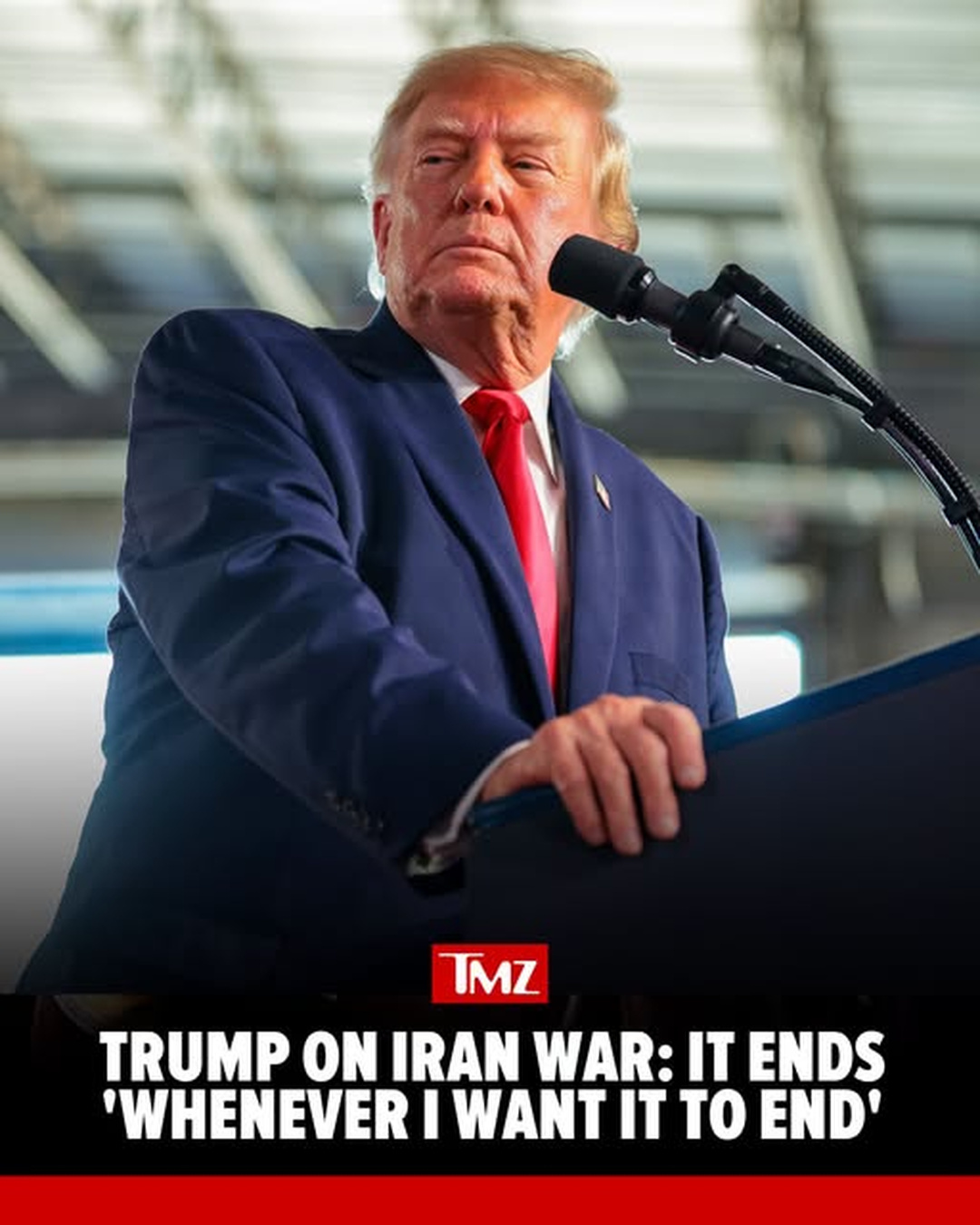


President Donald Trump has made a striking declaration about the ongoing war with Iran, telling supporters that the conflict will end whenever he decides the time has come.
Trump delivered the remarks during a political rally in Lubbock, Texas, on October 27, 2026, while discussing the military campaign and his administration’s objectives.
Recalling a question about when the war would end, Trump told the audience: “Whenever I want it to end.” He added that the conflict could conclude very quickly.
The president insisted, however, that ending the fighting would not be enough unless the United States secured an outcome preventing Iran from ever obtaining a nuclear weapon.
His comments came as the conflict entered its eighth month, with military operations, diplomatic negotiations, and economic consequences continuing to shape the international response.
Trump has repeatedly suggested that the United States has achieved major military advantages against Iran, while maintaining that additional action could be necessary to secure a lasting result.
The administration’s central demand remains that Tehran must not acquire nuclear weapons. Iranian officials, meanwhile, have continued to reject Washington’s demands and insist that their nuclear activities are peaceful.
The president’s statement raised questions about what conditions would actually allow him to declare the war finished, particularly if Iran continued resisting American demands.
Ending American military operations would not necessarily mean that all regional hostilities would stop. Iran and its regional partners could retain the ability to threaten shipping, military installations, and energy infrastructure.
That distinction has become increasingly important as the conflict has affected commercial shipping routes and energy markets, creating economic pressure far beyond the immediate battlefield.
The Strait of Hormuz remains a particularly sensitive issue because a substantial portion of internationally traded oil normally passes through the narrow waterway connecting the Persian Gulf with the Gulf of Oman.
Disruptions to shipping have contributed to higher energy costs, raising concerns among American households and businesses already facing pressure from fuel prices and broader economic uncertainty.
The financial cost of the military campaign has also become a growing political issue. The Pentagon’s latest estimate placed the cost to American taxpayers at approximately $47.1 billion.
With the November 3 midterm elections approaching, the conflict has become an important subject in Trump's campaign appearances and the broader debate over national security.
Republican candidates must defend the administration’s handling of the war while responding to voters concerned about rising fuel costs, military spending, and the possibility of a prolonged confrontation.
Democratic lawmakers have questioned whether the administration has clearly explained its long-term objectives, the expected financial burden, and the risks of further military escalation.
Meanwhile, the Associated Press reported on October 28 that American officials had privately urged several Middle Eastern countries and regional allies to prepare for possible renewed strikes against Iran after the midterm elections.
The diplomats cited in the report said Trump had not made a final decision, although he had repeatedly suggested that additional military action could follow the November 3 vote.
The same warnings raised concerns that Iran might retaliate against energy facilities and other critical infrastructure across the region if American strikes resumed.
Iranian Foreign Minister Abbas Araghchi has maintained that Tehran is still willing to give diplomacy an opportunity, while seeking negotiations based on proposals previously presented through intermediaries.
The possibility of renewed attacks therefore remains a major source of uncertainty, even as Trump publicly suggests that the war could end quickly whenever he chooses.
For international markets, regional governments, and American families, the central question is no longer simply how long the fighting will continue, but what conditions will produce a stable outcome.
Trump’s declaration projects confidence in his ability to determine the conflict’s direction. Yet the final outcome will also depend on Iran’s response, regional security conditions, and whether negotiations can produce an agreement both sides are prepared to accept.
Comments (0)
Loading comments...
May You Like

STORM WARNING: MILLIONS FACE EVACUATION, MACY'S GIANT BALLOONS GROUNDED!

BLACK FRIDAY TENSIONS IN NYC — DID PROTESTERS CROSS THE LINE AT A DISNEY STORE?

BANGCHAK REFINERY DISASTER IN THAILAND—120,000 BARRELS A DAY SHUT DOWN, U.S. OIL PRICES SURGE 10%!












