TRUMP JUST SHUT IT DOWN...
TRUMP REJECTS IRAN’S PROPOSAL TO REOPEN STRAIT OF HORMUZ, CALLS WATERWAY “TRUMP STRAIT”


President Donald Trump has rejected Iran’s latest proposal to reopen the Strait of Hormuz within seven days, saying Tehran’s conditions for ending the confrontation were unacceptable.
Iranian Foreign Minister Abbas Araghchi presented the proposal during the United Nations General Assembly in New York, outlining a seven-day process for reopening the strategic waterway.
Under Tehran’s proposal, the United States would first lift its naval blockade of Iranian ports, waive certain oil sanctions and agree to a regional ceasefire.
Iran also proposed restarting negotiations with Washington over its nuclear program after the Strait of Hormuz was reopened, with talks scheduled to begin on the seventh day.
Araghchi said the timeline would begin once Washington accepted the proposal, with preliminary steps taking several days before normal maritime passage could resume.
The Iranian government communicated the proposal through mediators, including Qatar, as diplomatic efforts continued alongside the military confrontation between Washington and Tehran.
Trump rejected the proposal publicly on Saturday, telling reporters outside the White House that Iran wanted an agreement but that the terms presented were unacceptable.
“I reject their proposal,” Trump said, according to Reuters, while indicating that he remained open to an agreement under different circumstances.
The president also posted an image on social media showing the Strait of Hormuz labeled “Trump Strait,” drawing international attention to the strategically important waterway.
The label does not represent an official renaming of the Strait of Hormuz, which remains the internationally recognized name for the maritime passage between Iran and Oman.
The Strait is one of the world’s most important energy chokepoints, carrying a substantial share of globally traded oil and natural gas before the current conflict disrupted maritime traffic.
Iran’s effective closure of the waterway has created pressure far beyond the Middle East, contributing to higher energy prices and increasing concerns about inflation.
The proposal represents Tehran’s latest effort to connect reopening the waterway with broader diplomatic negotiations and relief from American economic and military pressure.
The White House has said American officials were holding what it described as positive and constructive discussions with mediators regarding possible arrangements involving Iran.
However, Trump has repeatedly indicated that he does not consider himself under pressure to accept an agreement simply to end the current confrontation.
The proposal resembles an earlier understanding reached between Washington and Tehran in June, although the latest initiative uses a significantly faster timetable.
That earlier arrangement subsequently collapsed after renewed military action and attacks involving shipping, leaving both sides with deep disagreements over implementation and security guarantees.
Iran has argued that reopening the Strait could restore normal maritime traffic while creating an opportunity for negotiations over its nuclear program and other disputed issues.
The United States has maintained pressure on Tehran through military operations, economic sanctions and restrictions affecting Iranian oil exports.
The dispute has also created economic concerns in countries far removed from the conflict, as energy prices respond to uncertainty surrounding one of the world's major shipping routes.
Oil prices moved higher after Trump rejected the Iranian proposal, with markets closely watching whether diplomatic efforts can prevent further disruption to energy supplies.
Despite Trump’s rejection, mediators have continued working to find a possible path toward renewed negotiations, and Reuters reported that further indirect discussions could focus on an amended Iranian proposal.
For now, the Strait of Hormuz remains at the center of the confrontation, linking the military dispute between Washington and Tehran to global energy markets and an uncertain diplomatic future.
Comments (0)
Loading comments...
May You Like
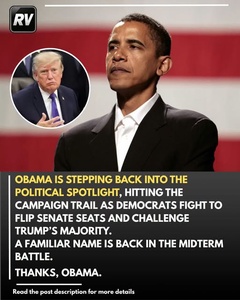
Obama Steps Back Into the Political Spotlight as Democrats Target Trump’s
gfnhgmnghnmfgnbvvvvvvvvv
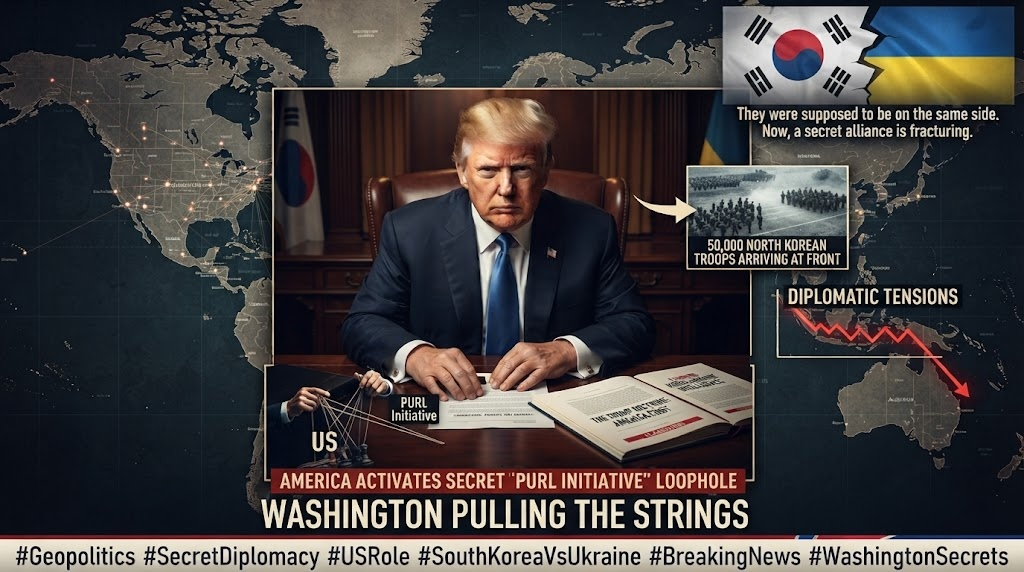
South Korea–Ukraine Rift Deepens Over North Korean POW Transfer as PURL Draws New Scrutiny