
Trump Launches $25 Million Anti-Fraud Reward Program, Offering Cash for Tips That Expose Government Fraud
October 21, 2026 | Washington, D.C. | U.S. Politics
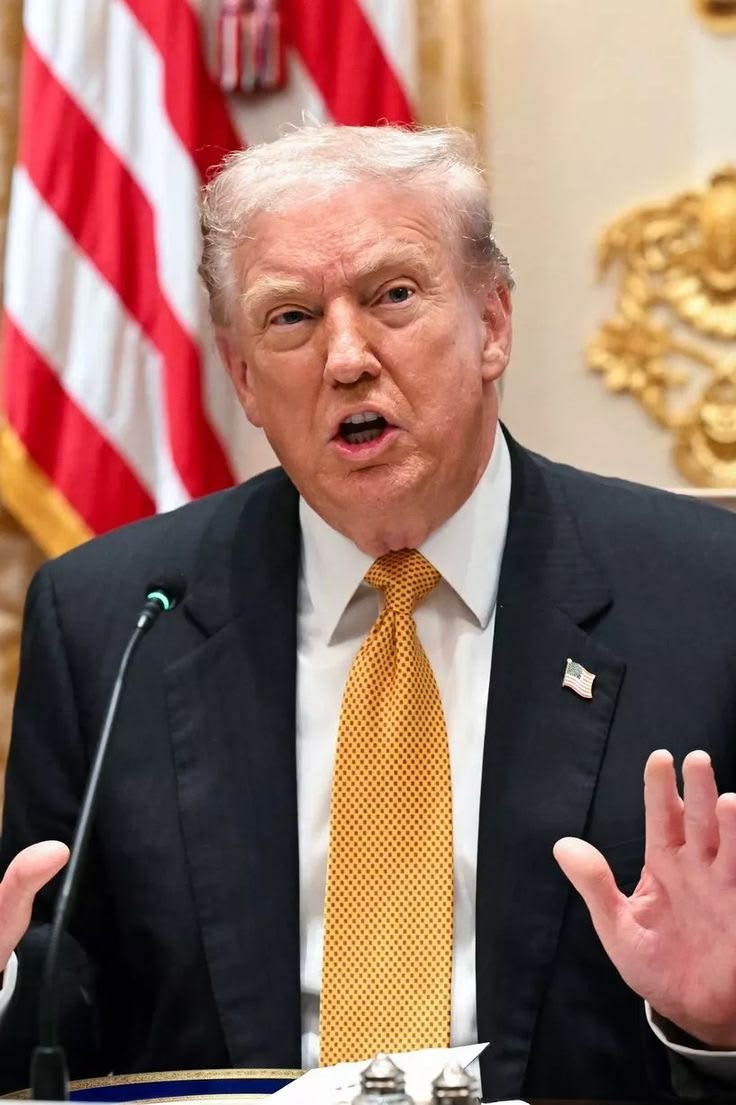
President Donald Trump has launched a $25 million federal whistleblower initiative, promising financial rewards to Americans whose information helps uncover fraud involving taxpayer-funded government programs.
The initiative, announced alongside Vice President JD Vance during an Oval Office event on October 20, represents a new phase in the administration's campaign against financial misconduct.
Known as the Fraud Whistleblower Incentive Program, or WHIP, the initiative encourages members of the public to report suspected fraud through a dedicated federal reporting portal.
Under the announced framework, eligible individuals can receive rewards of up to $30,000 when their information leads to a successful fraud conviction or significant federal enforcement action.
The Treasury Department has committed $25 million to support the initiative, while the Justice Department will administer rewards and determine whether submitted information qualifies for payment.
Trump Promises Financial Incentives for Whistleblowers

Speaking during the announcement, Trump described the initiative as an opportunity for ordinary Americans to help expose corruption while potentially receiving substantial compensation for their assistance.
The president suggested that whistleblowers could receive a commission equivalent to one percent of the fraud uncovered, potentially generating significantly larger rewards in major cases.
However, the Justice Department's published description differs from Trump's broader promise, specifying payments ranging from $10,000 to $30,000 at the department's discretion.
That distinction leaves questions about how larger commissions might operate and whether the administration intends to expand the program beyond its initially announced payment structure.
Trump also suggested that he could personally resolve disputes involving competing claims when multiple individuals seek credit for providing information about the same fraudulent activity.
Conservative YouTuber Receives First $10,000 Reward

The administration introduced conservative YouTuber Nick Shirley as the program's first recipient, recognizing his reporting on suspected financial misconduct involving childcare facilities in Minnesota.
Shirley received a $10,000 award after his viral investigation attracted national attention and prompted federal authorities to examine allegations involving taxpayer-funded childcare assistance programs.
One individual associated with a facility featured in his reporting subsequently pleaded guilty to fraud-related charges involving inflated reimbursement claims submitted through government assistance programs.
However, Minnesota officials previously challenged aspects of Shirley's broader allegations, emphasizing that accusations against individual facilities must be distinguished from evidence establishing criminal misconduct.
Vice President Vance praised the initiative, arguing that rewarding citizens who identify fraudulent activity could strengthen federal oversight and help protect public resources from exploitation.
How the New Program Will Work
The initiative builds upon Trump's existing Task Force to Eliminate Fraud, established in March and chaired by Vance to coordinate anti-fraud investigations across federal agencies.
Officials say the program will encourage credible reporting involving suspected misuse of government resources, including financial misconduct affecting federal assistance and other taxpayer-supported services.
Importantly, simply submitting an accusation does not guarantee payment; qualifying information must contribute to a criminal case or another significant federal enforcement outcome.
The Justice Department will evaluate submissions and determine appropriate compensation, although further clarification may be necessary concerning the administration's proposed percentage-based reward system.
Questions Over Oversight and Accountability
The announcement has also raised questions about safeguards against unsupported accusations, particularly when allegations circulate through social media before investigators establish whether criminal wrongdoing occurred.
Critics argue that financial incentives must be accompanied by careful verification procedures to prevent innocent individuals or legitimate businesses from facing reputational damage through unsubstantiated claims.
Supporters counter that providing rewards could encourage people with firsthand knowledge of fraudulent schemes to contact federal authorities rather than remain silent about suspected misconduct.
As the program begins operating, its effectiveness will depend on credible investigations, transparent reward decisions, and whether recovered taxpayer funds justify the government's financial commitment.
Comments (0)
Loading comments...
May You Like

DAVENPORT AIRBNB HORROR — 40 OF 50 TEENS TEST POSITIVE FOR DRUGS SUPPLIED BY THE HOST'S MOM!

MINNESOTA NIGHTMARE—UNDERGROUND GAS LEAK, HUNDREDS OF HOMES AT RISK, $300M DAMAGE!

EAST COAST STORM CRISIS—5 MILLION AT RISK OF BLACKOUTS, WATER, AND HEATING FAILURES!







Popular Posts





