
Trump Launches $25 Million Anti-Fraud
Trump Launches $25 Million Anti-Fraud Program Offering Rewards for Whistleblowers
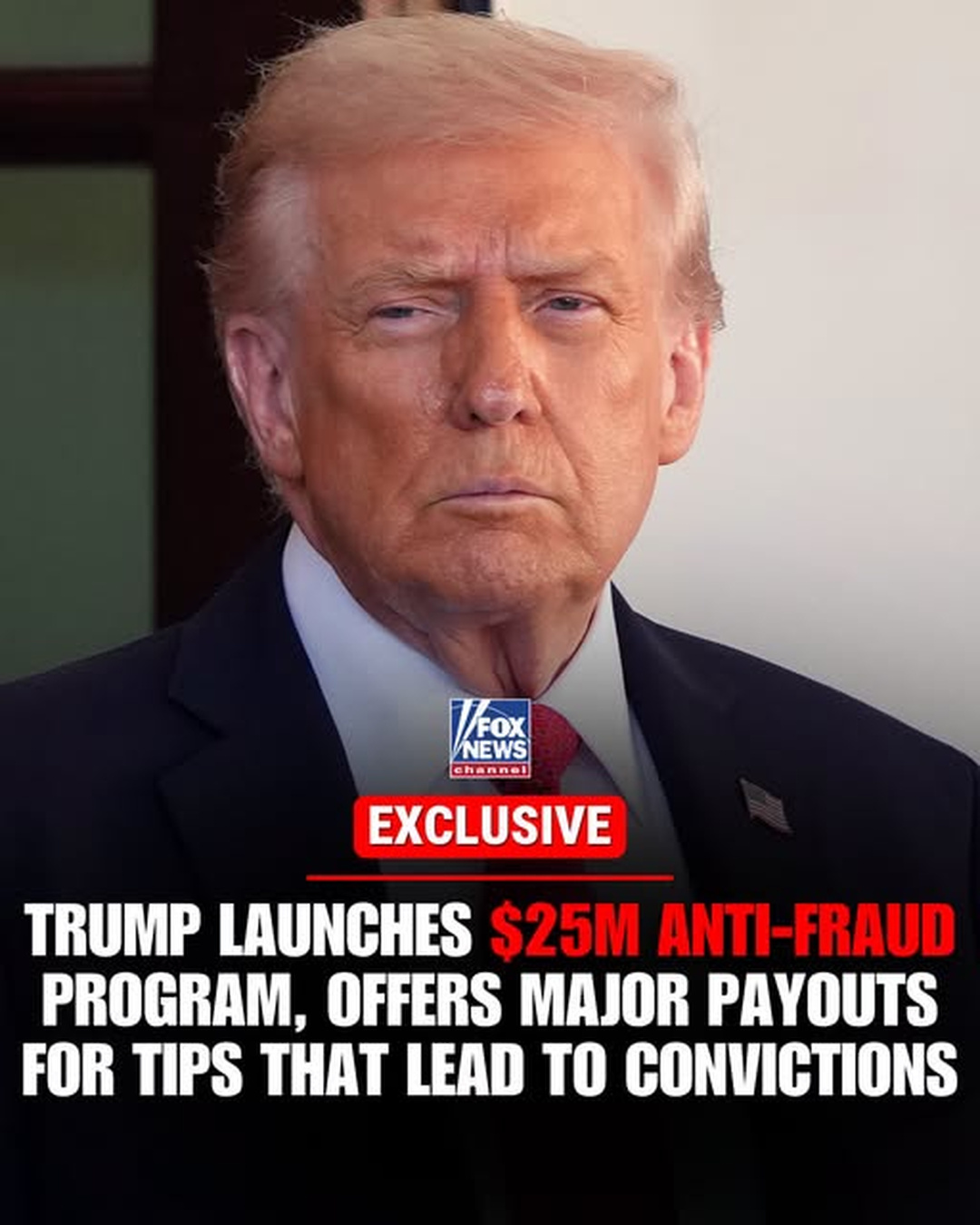


President Donald Trump and Vice President JD Vance have announced a new federal initiative designed to encourage Americans to report suspected fraud involving government programs and taxpayer funds.
Unveiled at the White House on October 20, 2026, the Fraud Whistleblower Incentive Program establishes financial rewards for individuals whose information helps authorities pursue qualifying fraud cases.
The Treasury Department has committed $25 million to support the initiative, while the Justice Department will administer the program and determine whether submitted information qualifies for an award.
Under the announced rules, eligible whistleblowers may receive between $10,000 and $30,000 for information that leads to criminal charges in specified categories of fraud.
The initiative focuses on suspected wrongdoing involving federal health care programs, government benefits, and funding administered by several federal departments and agencies.
Officials say the program is intended to help investigators identify misconduct that might otherwise remain hidden, while encouraging members of the public to provide credible, actionable information.
Trump presented the initiative as part of his administration’s broader campaign against fraud, waste, and abuse in government spending, an issue that has become a central political priority.
Vance, who leads the administration’s Task Force to Eliminate Fraud, has argued that stronger public participation could help investigators uncover abuses affecting taxpayers and people who depend on federal assistance.
The program also opens the door to participation by independent journalists, although reporters may need to follow additional rules and obtain approval from their employers before receiving rewards.
The administration’s announcement follows growing attention to alleged fraud involving childcare centers and public assistance programs in Minnesota, where online investigations have attracted national political interest.
Conservative online personality Nick Shirley became a prominent figure in the debate after publishing a video questioning whether several childcare facilities were legitimately providing services while receiving public funding.
The video drew attention from administration officials and prompted further scrutiny, but questions also emerged over whether some of its conclusions accurately represented the facilities’ operations.
Minnesota officials disputed aspects of the allegations, describing some claims as misleading or exaggerated. Subsequent investigations nevertheless produced developments in at least one case connected to the wider controversy.
A former childcare center operator featured in the reporting pleaded guilty in July to wire fraud and conspiracy involving fraudulent reimbursement claims, according to federal authorities.
The case has become an example cited by administration supporters who argue that public reporting can help investigators identify suspected misconduct and pursue evidence through the legal system.
However, the existence of an allegation or a viral video does not itself establish that a person or organization committed fraud. Investigators must still assess evidence and follow applicable legal procedures.
The new reward program has also raised questions about how officials will evaluate competing claims from multiple whistleblowers who provide information about the same alleged wrongdoing.
During the announcement, Trump suggested he could personally arbitrate disputes over who deserved a reward. The Justice Department’s published terms, however, state that awards remain within the department’s discretion.
There are also differences between Trump’s public description of potentially receiving a percentage of uncovered fraud and the Justice Department’s stated $10,000-to-$30,000 reward framework.
Under the department’s published criteria, participants must provide truthful, complete, original information in writing, cooperate with authorities, and have no active involvement in the fraud they report.
The program represents a new effort to enlist the public in federal fraud enforcement. Its effectiveness will depend on the quality of tips received, the strength of investigations, and the fair application of its reward rules.
Comments (0)
Loading comments...
May You Like

STAR DIED AT 38, $10M LIFE INSURANCE INCREASED JUST 30 DAYS BEFORE WWE BRONSON REED'S DEATH!

WEYMOUTH HORROR—80-MPH WIND GUSTS, FIRE TRUCK FLIPS, 3 FIREFIGHTERS CRITICAL!

EAST COAST STORM CRISIS—5 MILLION AT RISK OF BLACKOUTS, WATER, AND HEATING FAILURES!









Popular Posts



