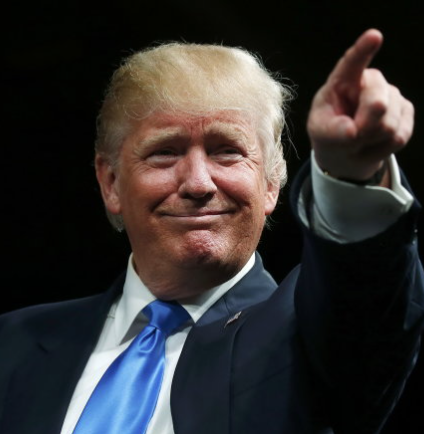
Trump Moves to Rescind $810 Million in Federal Funding, Targeting Immigration and Diversity Programs
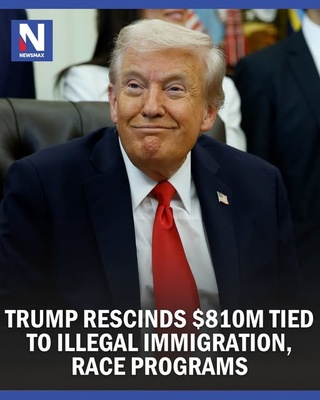
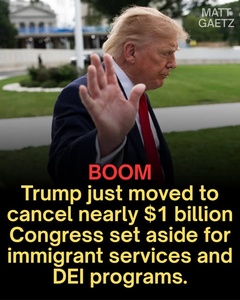
WASHINGTON — The Trump administration has announced plans to rescind approximately $810 million in congressionally approved federal funding, targeting programs involving immigration, education, housing, minority businesses and community relations.
The announcement came Friday, September 25, just days before the end of the federal fiscal year, intensifying an ongoing dispute between the White House and Congress over control of federal spending.


The White House described the move as a “pocket rescission,” a rarely used budgetary mechanism that the administration says allows the president to cancel spending it considers unnecessary or harmful.
The largest portion involves approximately $567 million from Health and Human Services, covering programs serving refugees, asylum seekers and other noncitizens. The administration says those funds are no longer necessary.
White House officials linked the decision to the administration’s immigration policies, arguing that reduced border crossings have changed the government’s funding needs for migrant-related services.
The administration also identified approximately $25 million in education funding associated with migrant students, alongside other reductions involving federal programs and grants across multiple agencies.


Another target is the Department of Justice’s Community Relations Service, with approximately $15 million identified for rescission. The administration has criticized the agency’s work involving racial and ethnic tensions.
The package also includes approximately $10 million for the Minority Business Development Agency, which supports programs designed to assist minority-owned businesses and entrepreneurs.
The White House has argued that some of these programs improperly rely on race-based eligibility or promote diversity, equity and inclusion initiatives that conflict with the administration’s priorities.
Those descriptions, however, represent the administration’s characterization of the programs. They should not automatically be treated as independent findings about every program affected by the funding reductions.
The larger issue concerns who has the authority to cancel money that Congress has already appropriated. The Constitution gives Congress the power of the purse, making presidential withholding of appropriated funds legally sensitive.


The administration says its action relies on authority under the Impoundment Control Act, while critics argue that the president cannot simply allow appropriated funds to expire without following the statutory process.
The Government Accountability Office has previously taken the position that a “pocket rescission” cannot be used to withhold appropriated funds until they expire.
The controversy is particularly significant because the administration made the announcement only days before September 30, the end of the federal fiscal year, when many appropriated funds would otherwise expire.
Republican Senator Susan Collins, chair of the Senate Appropriations Committee, has criticized the maneuver, describing it as a violation of Congress’s authority over appropriated spending.
Democratic lawmakers have likewise challenged the administration’s action, arguing that Congress—not the president alone—should determine whether previously approved federal spending remains available.


The dispute comes after the Trump administration used a similar pocket-rescission strategy in 2025 to target billions of dollars in foreign-aid funding, creating an earlier confrontation over presidential spending authority.
That earlier episode generated lawsuits and significant debate over whether the executive branch can effectively cancel spending without obtaining affirmative approval from Congress.
The latest action is narrower in dollar amount but potentially important because much of the targeted money involves domestic programs, including immigration services, education, housing and minority-business initiatives.
The White House says the cuts will prevent taxpayer money from supporting programs it considers wasteful, unnecessary or inconsistent with current federal priorities.
Critics counter that Congress specifically authorized the spending and that allowing presidents to cancel appropriated funds unilaterally could alter the constitutional balance between the legislative and executive branches.
For organizations receiving federal grants, the immediate question is whether the rescission will take effect before funds can be obligated, or whether congressional or judicial action will intervene.
The outcome could have broader implications beyond the $810 million package because it may help determine how future administrations interpret presidential authority over money that Congress has already approved.


For now, the White House maintains that the action is part of Trump’s broader effort to reduce federal spending and redirect government resources toward his administration’s stated priorities.
The congressional response and potential legal challenges will determine whether the administration can ultimately carry out the entire $810 million rescission without further intervention.
Comments (0)
Loading comments...
May You Like

South Korea–Ukraine Rift Deepens Over North Korean POW Transfer as PURL Draws New Scrutiny
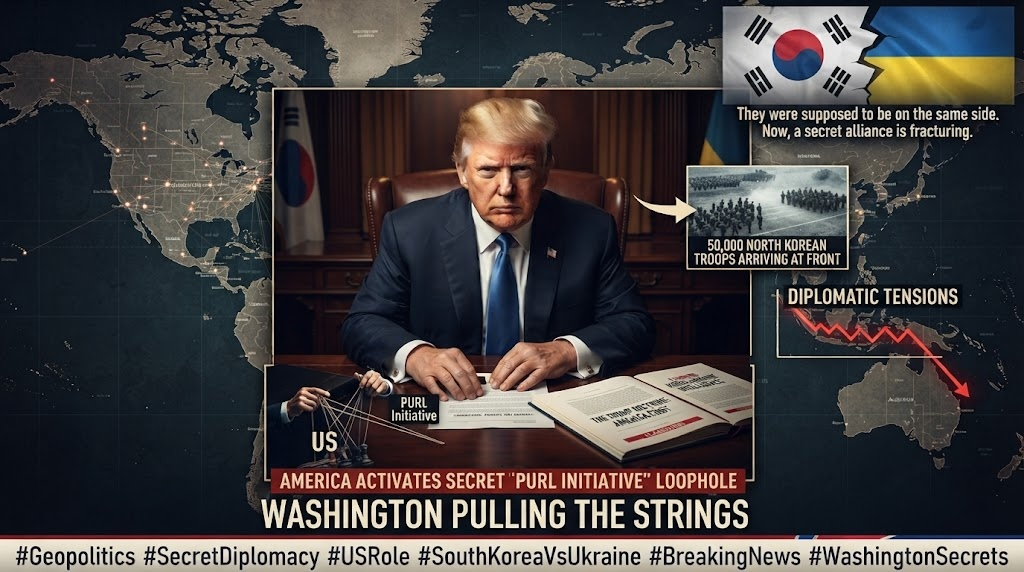
South Korea–Ukraine Rift Deepens Over North Korean POW Transfer as PURL Draws New Scrutiny
TRUMP HIT WITH 26 ARTICLES OF IMPEACHMENT