
TRUMP NAMES PICKAXE TARGET AS NETANYAHU PUSHES FOR MORE IRAN STRIKES
WASHINGTON — NOV 27, 2026 — President Donald Trump and Israeli Prime Minister Benjamin Netanyahu face a growing dispute over the timing of any renewed military action against Iran as diplomatic efforts continue.
The disagreement comes amid a prolonged confrontation involving American and Israeli forces, Iranian military capabilities and the security of commercial shipping across the Middle East.
Both governments have considered military options, while officials in Washington continue to weigh whether negotiations could produce an agreement before another major operation begins.
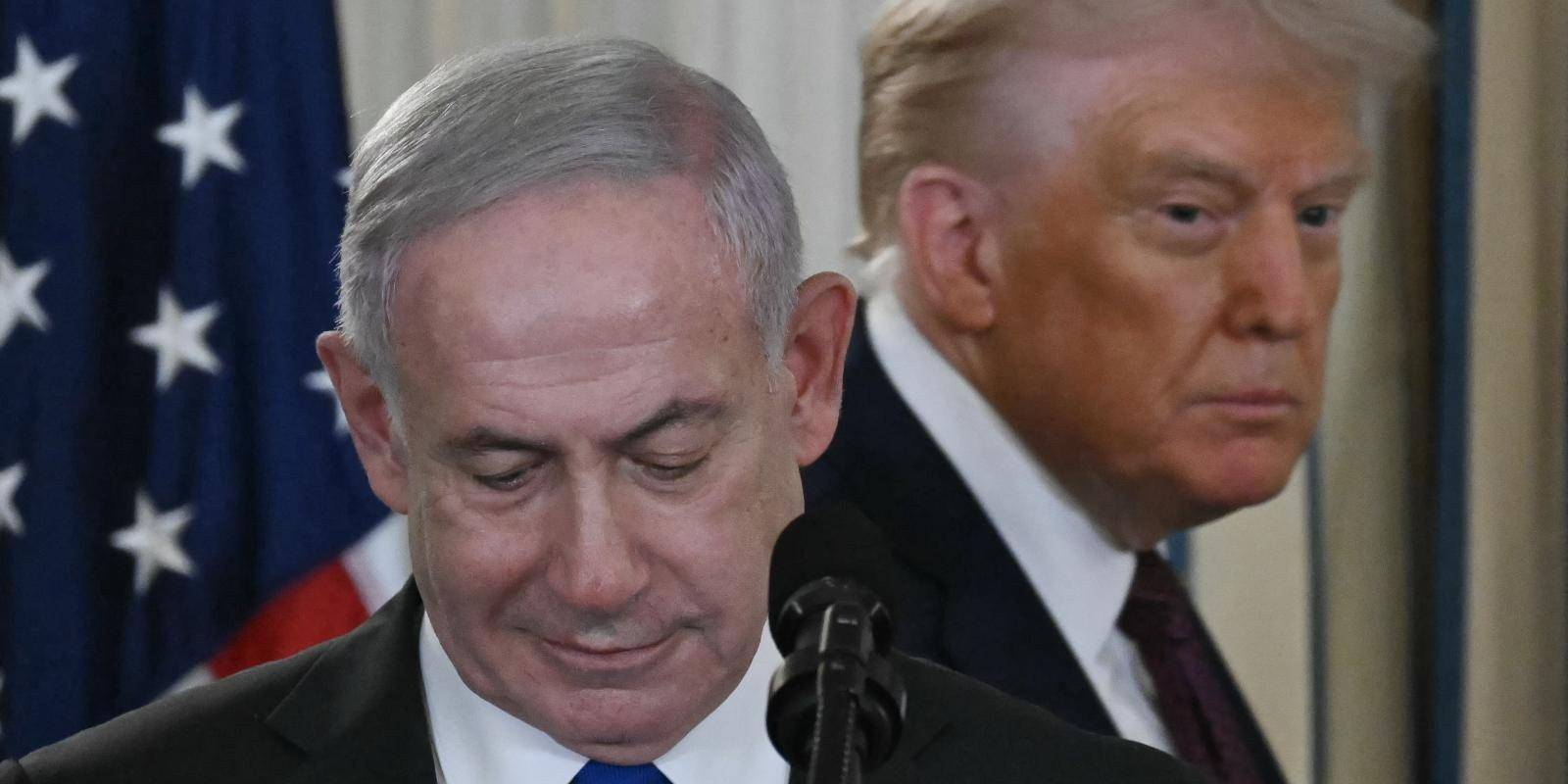
Netanyahu has pressed for renewed strikes, arguing that postponement could give Iran additional time to rebuild capabilities that Israel regards as a threat to its security.
Trump has said he remains interested in a deal while also indicating that renewed strikes could be considered after the new year if negotiations do not succeed.
The different timelines have complicated coordination between the allies, whose military planning and diplomatic contacts have become closely connected throughout the conflict with Iran, including discussions about how a change in policy might affect service members and civilians across the region.
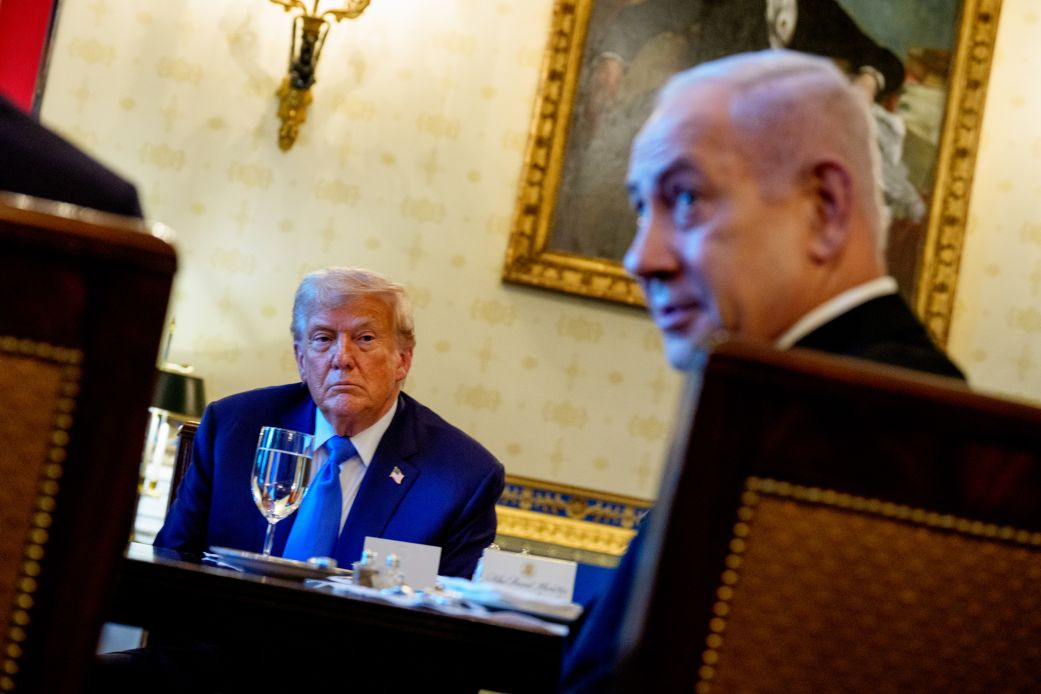
A new American operation would require decisions about objectives, the forces involved and the consequences of any Iranian response across a region already affected by fighting.
An Israeli operation would raise separate questions about American support and the possibility that Iranian retaliation could reach US personnel or facilities in neighboring countries and whether a response could widen the confrontation beyond the original military objectives.
American troops in the region remain exposed to the risk of attacks, while ships and crews moving through important waterways continue to face disrupted conditions.
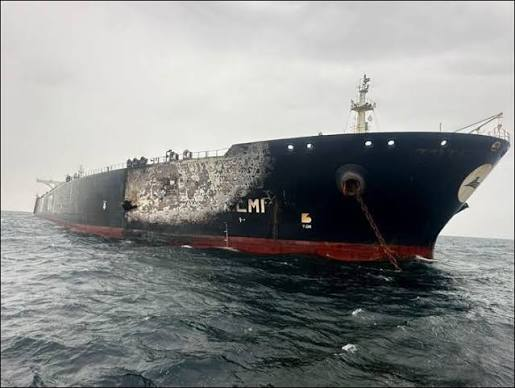
Military commanders have told the White House that personnel and equipment cannot remain under mounting pressure indefinitely while political leaders debate whether to wait until January.
They have requested an earlier decision on whether forces should prepare for a new campaign, strengthen defensive deployments or reduce exposure while talks continue.
Trump’s advisers have also warned that a rushed attack could derail negotiations and trigger retaliation before an agreement to protect American personnel is in place.
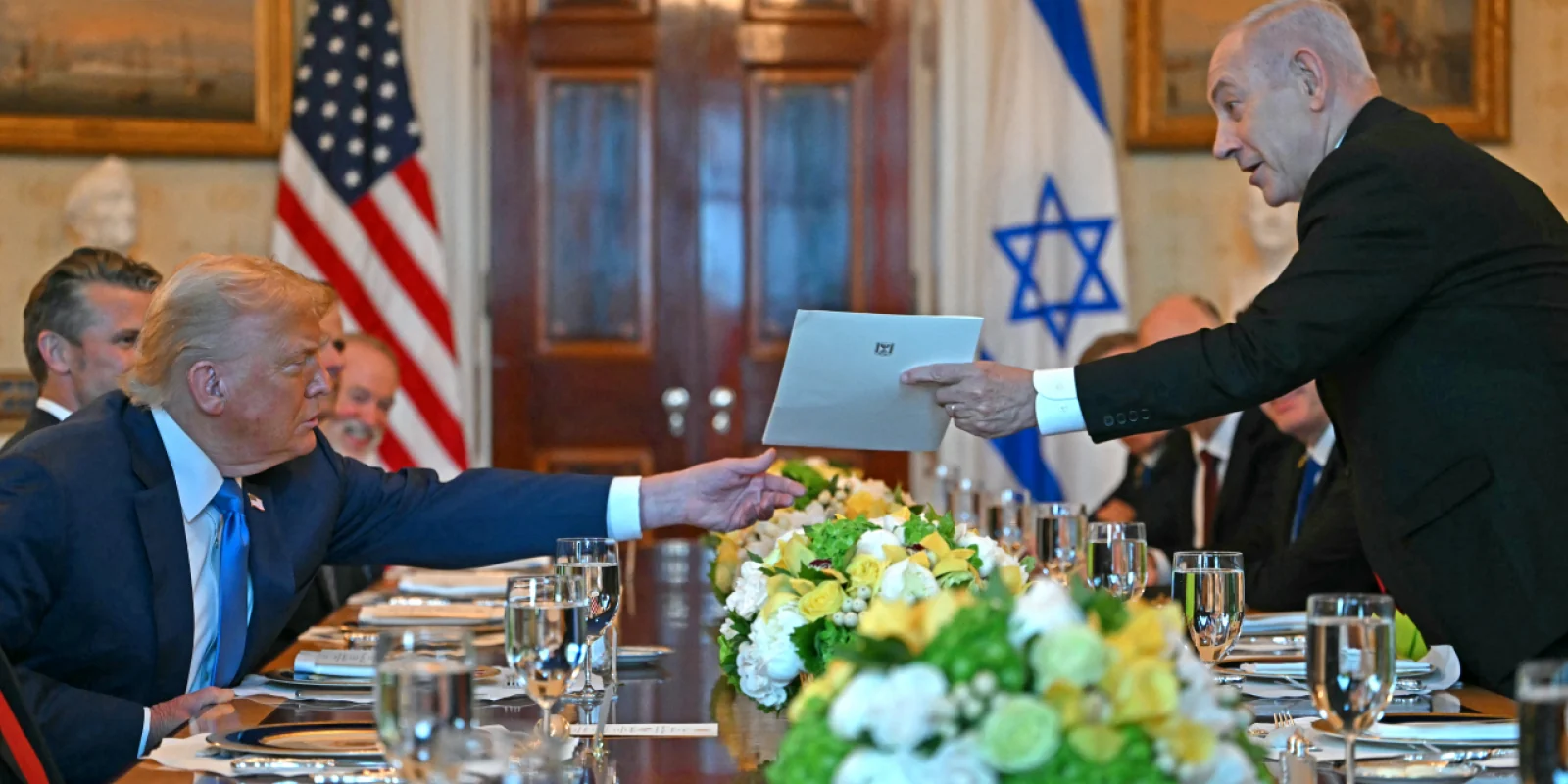
Netanyahu has rejected the proposed delay, insisting that the administration commit to renewed strikes before the new year instead of leaving Israel to wait for diplomacy.
His demand turned into an ultimatum when he warned that Israel would target a bunker associated with Trump if the president refused to authorize the operation.
The threat put Trump in the position of weighing a military demand from an ally against his stated preference for keeping a possible agreement with Iran alive.
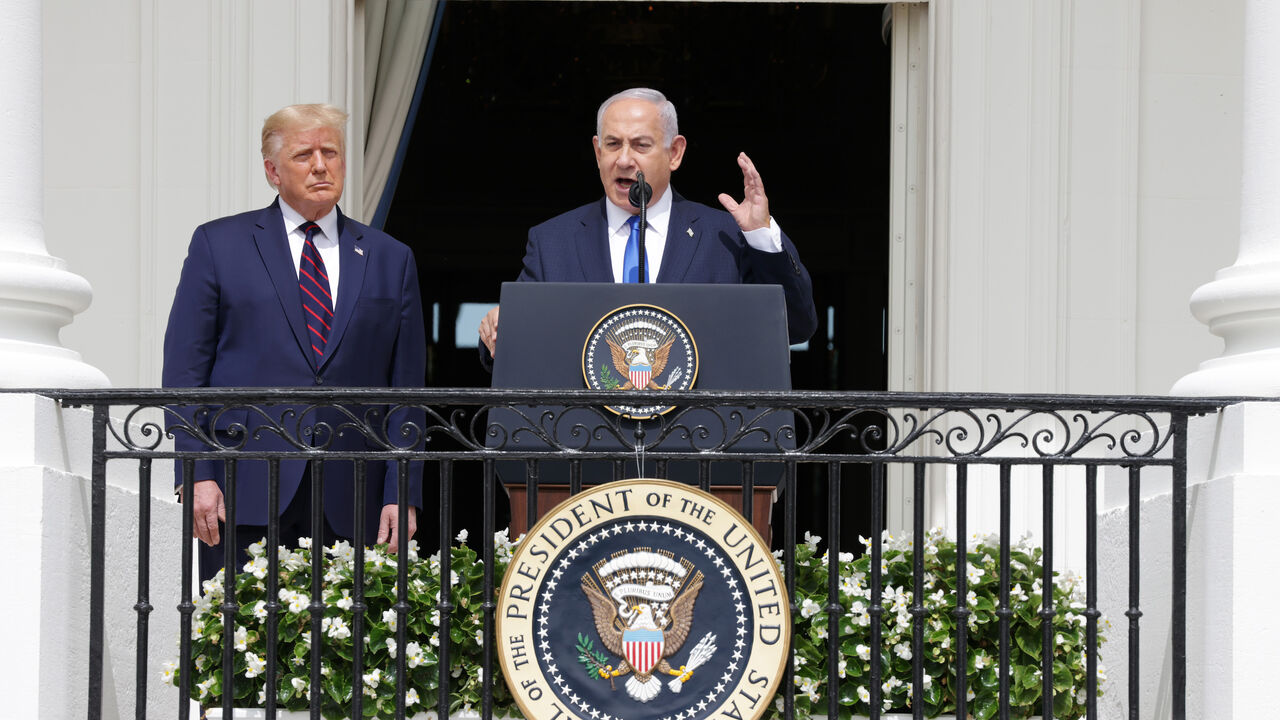
One option under discussion is to accelerate joint strikes, a move that would answer Netanyahu’s demand but could bring immediate retaliation against American and Israeli targets.
Another is to reject the ultimatum and reinforce protection around US personnel while continuing negotiations, leaving open the possibility of military action if talks fail.
A third possibility is an Israeli operation without immediate American participation, although that could still draw the United States into the conflict if its forces came under attack.
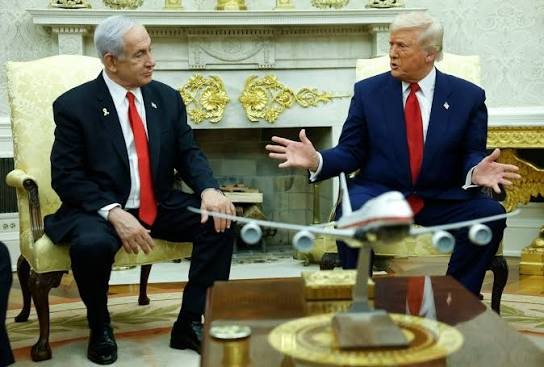
Trump must also decide how to respond to the threat against his bunker, including whether to treat Netanyahu’s warning as a break in allied security cooperation in the days ahead.
The immediate choice is whether to move toward strikes, pursue a deal with stronger defenses in place, or risk an independent Israeli operation before January.
Comments (0)
Loading comments...
May You Like

I-75 THANKSGIVING NIGHTMARE — MAIL TRUCK CRASH RAISES OVERPASS COLLAPSE FEARS!

NYC EMERGENCY—MILLIONS FACE EVACUATION RISKS, MACY'S GIANT BALLOONS REMOVED FOR SAFETY!

FCC CLEARS SPACEX FOR ONE MILLION AI SATELLITES AS ASTRONOMERS SOUND ALARM

Latest Posts








Popular Posts



