Trump Offers $1 Million for Election Fraud Tips as Midterms Approach
U.S. Politics · October 29, 2026

A $1 Million Announcement Just Days Before Election Day
President Donald Trump has placed election integrity back at the center of America's political debate after announcing a $1 million reward for information about voter fraud that leads to an arrest and conviction.
The announcement, made on October 26, comes just days before the November 3 midterm elections, when Republicans face a consequential fight to retain congressional power and Democrats are seeking major gains.
According to Reuters, Trump said the proposed reward would apply to information concerning fraud in upcoming or past elections, provided the information resulted in an arrest and conviction.
The announcement immediately raises questions about how the reward would operate, who would administer it, where the money would come from, and what standards would determine whether a claimant qualifies.
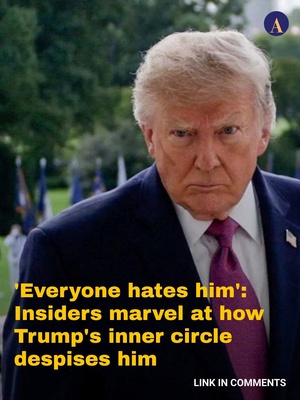
Although the viral graphic describes the move as a million-dollar card that could reshape the election, the reported announcement concerns a proposed reward for election-fraud tips, not a new electoral mechanism.
What Trump Has Actually Announced
Trump announced the proposal through a social media post, saying payments would follow the arrest and conviction of people responsible for election fraud, but he did not provide a detailed implementation plan.
As of October 29, the public reporting available does not establish a fully operational reward program, a designated funding source, or a detailed process for submitting and reviewing claims.
The distinction matters because announcing a reward is not the same as establishing a legally authorized program with transparent rules, independent oversight, and safeguards against false or politically motivated allegations.
NBC News reported that the administration had not clarified where the money would come from, leaving an important practical question unanswered as the midterm elections approach.
The proposal also arrives amid renewed political disputes over voting procedures, ballot security, voter registration, and claims that election systems are vulnerable to manipulation.
Why the Timing Is Politically Significant
The timing is difficult to separate from the midterm campaign, with both parties working to mobilize supporters and persuade undecided voters before polls close on November 3.
Republicans are defending their congressional majorities, while Democrats are hoping public concerns about the economy, government performance, and the administration's priorities will translate into electoral gains.
Trump's reward announcement reinforces his longstanding focus on election security and fraud allegations, themes that have played a prominent role in his political messaging since the 2020 presidential election.
However, documented cases of voter fraud in the United States remain rare relative to the number of ballots cast, and there is no established evidence of widespread fraud capable of changing the outcome of the 2020 election.
The announcement could energize voters who support stronger election enforcement, while critics may question whether a high-profile reward risks encouraging unsupported allegations during an already polarized campaign.
Questions About Evidence, Oversight, and Accountability
Any reward program involving alleged criminal conduct would need credible evidence, reliable investigative procedures, and appropriate legal safeguards to distinguish genuine information from mistaken reports or deliberate attempts to mislead authorities.
A reward tied to convictions could create incentives for people to report suspected wrongdoing, but its effectiveness would depend on clear eligibility rules and a transparent method for evaluating claims.
Election administration in America is largely decentralized, with state and local officials responsible for running elections under applicable federal and state laws, making nationwide enforcement questions especially complicated.
Experts and election administrators have repeatedly emphasized the importance of distinguishing isolated violations from evidence of organized, widespread wrongdoing that could materially affect an election result.
Without published rules explaining how the proposed reward would work, it remains difficult to assess its practical impact, financial implications, or potential consequences for election officials and voters.
Could the Announcement Change the Midterm Election?
The political effect may be more immediate than any administrative impact, because the announcement places election integrity prominently in the news cycle just before voters make consequential decisions.
For Republican candidates, the message could reinforce promises to investigate suspected misconduct and strengthen public confidence in election procedures, particularly among voters who already distrust the electoral system.
For Democratic candidates, the proposal could become another point of criticism concerning the administration's approach to election oversight, especially if implementation details remain unclear or allegations lack supporting evidence.
Nevertheless, a dramatic announcement does not automatically change voter behavior, and the eventual election outcome will depend on candidates, turnout, local issues, economic conditions, and the choices of millions of individual voters.
The central uncertainty is whether the proposal will produce credible, actionable evidence of criminal wrongdoing or primarily intensify political arguments about election security during the campaign's final days.
Ultimately, the $1 million announcement has intensified an already sensitive debate, but its real significance will depend on the evidence produced, the rules adopted, and whether officials can ensure fair elections.
Comments (0)
Loading comments...
May You Like

Latest Posts



Popular Posts