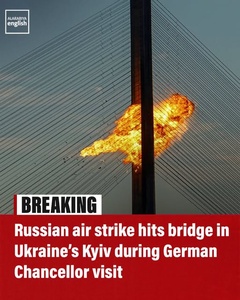
Trump officially signs additional sanctions against Russia
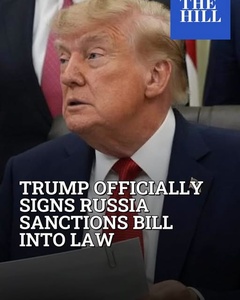
What Does Trump’s New Russia Sanctions Law Actually Change — and Could It Reshape the Pressure on Moscow?
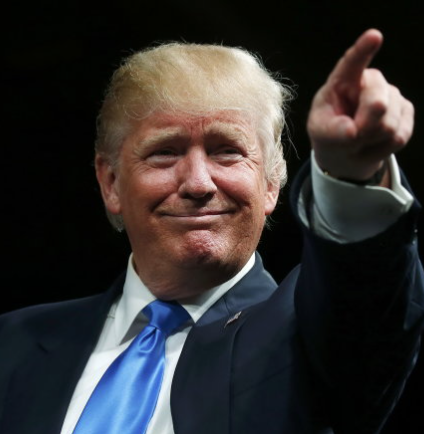
WASHINGTON — President Donald Trump has signed a sweeping Russia sanctions package into law, giving Washington additional tools to pressure Moscow over the war in Ukraine while expanding presidential authority over tariffs.
The legislation, formally named the Lindsey O. Graham Sanctioning Russia and Iran Act of 2026, targets Russian officials, financial institutions, energy industries and vessels involved in circumventing existing sanctions.
Trump signed the measure on September 18, two days after the House approved it 262-159, following an 86-11 Senate vote in August. Both chambers provided substantial bipartisan support.
A Major New Sanctions Framework
The law is designed to increase economic pressure on Russia by targeting revenue streams that support Moscow's war effort, particularly energy exports and financial networks.
Among its provisions, the legislation expands sanctions against Russian government officials, banks, defense-related entities and the country's so-called shadow fleet of oil tankers.
The shadow fleet refers to vessels and associated networks used to transport Russian energy while attempting to evade Western restrictions, making them an important target of enforcement efforts.


Tariffs Could Reach 100 Percent
One of the most consequential provisions gives Trump authority to impose tariffs of up to 100% on goods imported from the five largest purchasers of Russian oil or natural gas.
The provision is particularly significant for China and India, two of the largest buyers of Russian crude, although the law establishes exceptions and other conditions surrounding implementation.
Reuters reported that the law requires tariffs of up to 100% within 30 days on covered imports, although presidential discretion remains important to determining how provisions operate.
The legislation also permits tariffs targeting countries that knowingly purchase Russian energy after the law's enactment or help Russia evade sanctions through designated mechanisms.
That means the legislation could affect countries beyond Russia itself, potentially creating trade consequences for governments that maintain significant commercial relationships with Moscow.
Why India and China Matter
India has become a major destination for Russian crude, making its relationship with Moscow particularly important as Washington considers how aggressively to use the new tariff authority.
Reuters reported that Indian policymakers face competing pressures: reducing Russian oil purchases could increase energy costs, while maintaining them could expose Indian exports to American trade penalties.
China is also a major purchaser of Russian energy, and Beijing has criticized what it describes as unilateral sanctions that lack authorization from the United Nations Security Council.
The new law therefore extends beyond the traditional sanctions relationship between Washington and Moscow, potentially affecting broader U.S. trade relationships with major energy-importing countries.


Graham’s Final Legislative Project
The legislation carries the name of the late Republican Senator Lindsey Graham, who worked on the sanctions proposal for more than a year before his death in July.
Graham had been a prominent congressional advocate for stronger pressure on Moscow and closer U.S. support for Ukraine during Russia's full-scale invasion.
Senator Richard Blumenthal, a Democrat, also helped develop the legislation, making the measure a product of bipartisan negotiations despite disagreements over presidential tariff authority.
The Senate passed the legislation 86-11, while the House later approved it 262-159, with 58 Democrats joining Republicans in supporting the measure.
Ukrainian President Volodymyr Zelenskyy had urged lawmakers to approve the legislation and later thanked Trump for signing it into law.
Democrats Raise Concerns
Despite the bipartisan votes, some Democrats argued that the legislation gives the president excessive authority to impose tariffs on foreign countries, potentially affecting U.S. consumers and businesses.
House Democratic Leader Hakeem Jeffries opposed the bill, arguing that its broad tariff provisions could give Trump substantial discretion over trade policy.
Some lawmakers also questioned whether the legislation could be weakened through presidential exemptions or declarations that certain sanctions were not in the national interest.
Those disagreements highlight an unusual feature of the law: Congress approved tougher measures against Russia while simultaneously granting the president considerable discretion over how aggressively some provisions are implemented.
Iran Also Appears in the Law
The legislation is not limited to Russia. It also extends existing U.S. sanctions relating to Iran's energy and weapons sectors for another five years.
The White House described the legislation as authorizing and expanding sanctions, tariffs and prohibitions against Russia while extending existing sanctions against Iran.
The combination reflects the broader use of economic restrictions as a foreign-policy instrument against governments Washington considers threats to U.S. interests.
What Happens Next?
Signing the bill does not automatically mean every available sanction or tariff will immediately be imposed. Several provisions depend on decisions by Trump and his administration.
The White House must determine how to use the new authorities, particularly the potentially far-reaching tariff provisions affecting countries that continue purchasing Russian energy.
That creates uncertainty for international markets, energy companies and governments whose economies remain connected to Russian oil and natural gas.
For Moscow, the law represents an expansion of the economic pressure available to Washington, while for other countries, its impact will depend heavily on how Trump chooses to implement it.
The legislation therefore marks a significant new stage in U.S. sanctions policy toward Russia, but its ultimate economic and diplomatic consequences will depend on enforcement decisions, international responses and developments in Ukraine.
Comments (0)
Loading comments...
May You Like
Shocking news from Ohio: an unexpected development ahead of Trump's rally
Shocking news from Ohio: an unexpected development ahead of Trump's rally
South Korea–Ukraine Rift Deepens Over North Korean POW Transfer as PURL Draws New Scrutiny