
TRUMP ON HIGH ALERT OVER IRAN'S ALLEGED DIRTY BOMB THREAT — HOW SAFE IS AMERICA?
AMERICANS ON ALERT: REPORTED IRANIAN THREATS RAISE SECURITY CONCERNS AS TRUMP TAKES ‘DIRTY BOMB’ ALLEGATIONS SERIOUSLY
WASHINGTON, D.C., UNITED STATES — NOVEMBER 19, 2026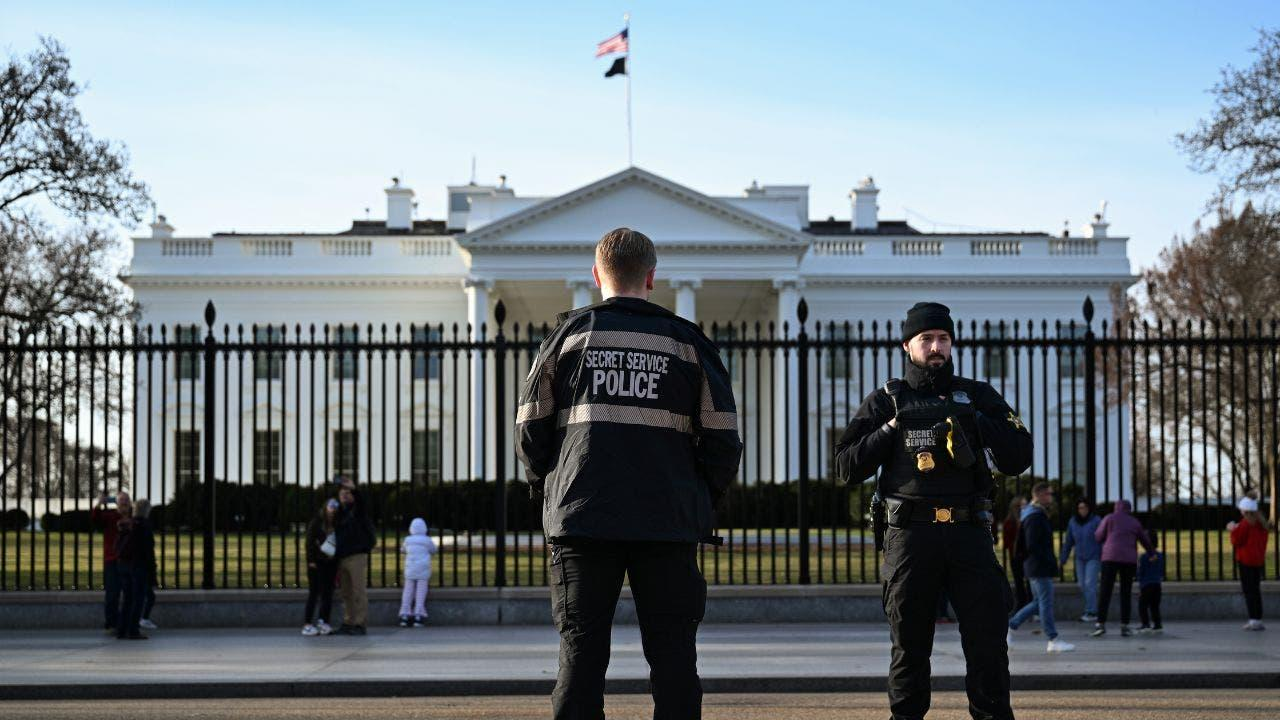
Could the confrontation between America and Iran extend from the battlefields of the Middle East to the streets of the United States?
Reports of heightened Iranian threats against American citizens have raised alarming national security questions as President Donald Trump confronts allegations that Tehran may be considering an attack involving radioactive weapons.
Trump is reportedly taking the intelligence seriously, while Iran has denied the accusations.
However, no imminent attack has been publicly confirmed.
The allegations raise a critical question for millions of Americans: Is Washington facing a genuine new security threat, or could unverified intelligence push the United States toward an even more devastating war?
U.S. Intelligence Chief Sounds the Alarm: Iranian Threats Have Increased Substantially
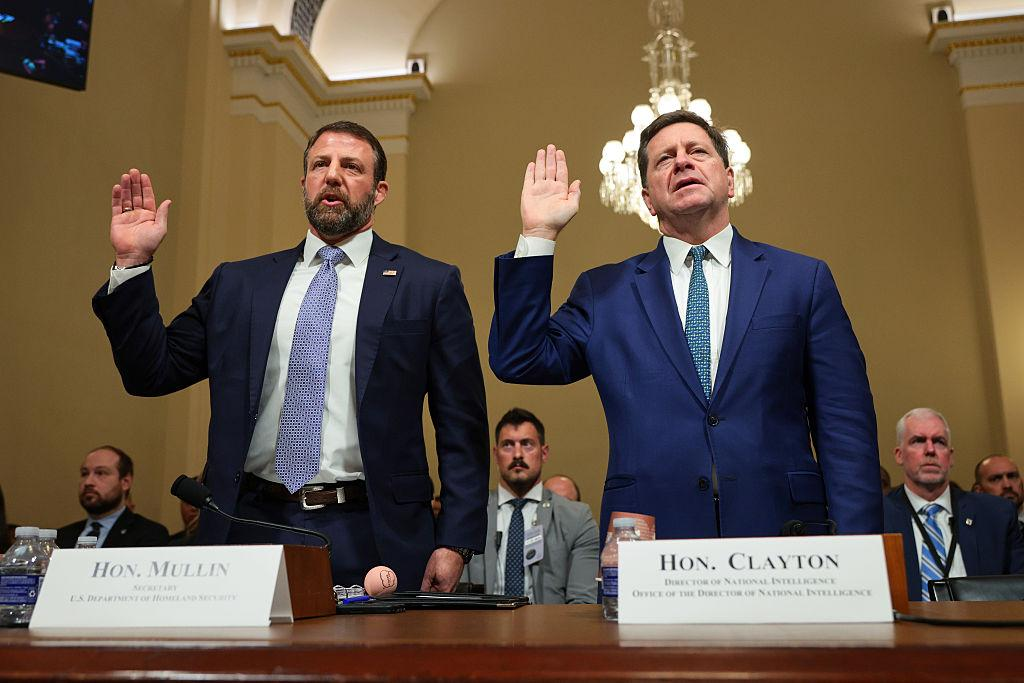
On November 18, Director of National Intelligence Jay Clayton delivered a disturbing assessment during testimony before the House Homeland Security Committee.
Clayton warned lawmakers that Iranian threats against Americans, both domestically and overseas, had intensified.
“These threats have substantially increased. Our women and men abroad, our women and men here in the United States, are under greater threat.”
According to Reuters, an intelligence memorandum reviewed in October also indicated that alleged Iranian plots against American citizens had reached advanced stages.
Reuters+1
However, Clayton declined to discuss specific intelligence concerning the alleged dirty bomb plot.
A Bombshell Intelligence Report Raises Fears of an Attack on Washington
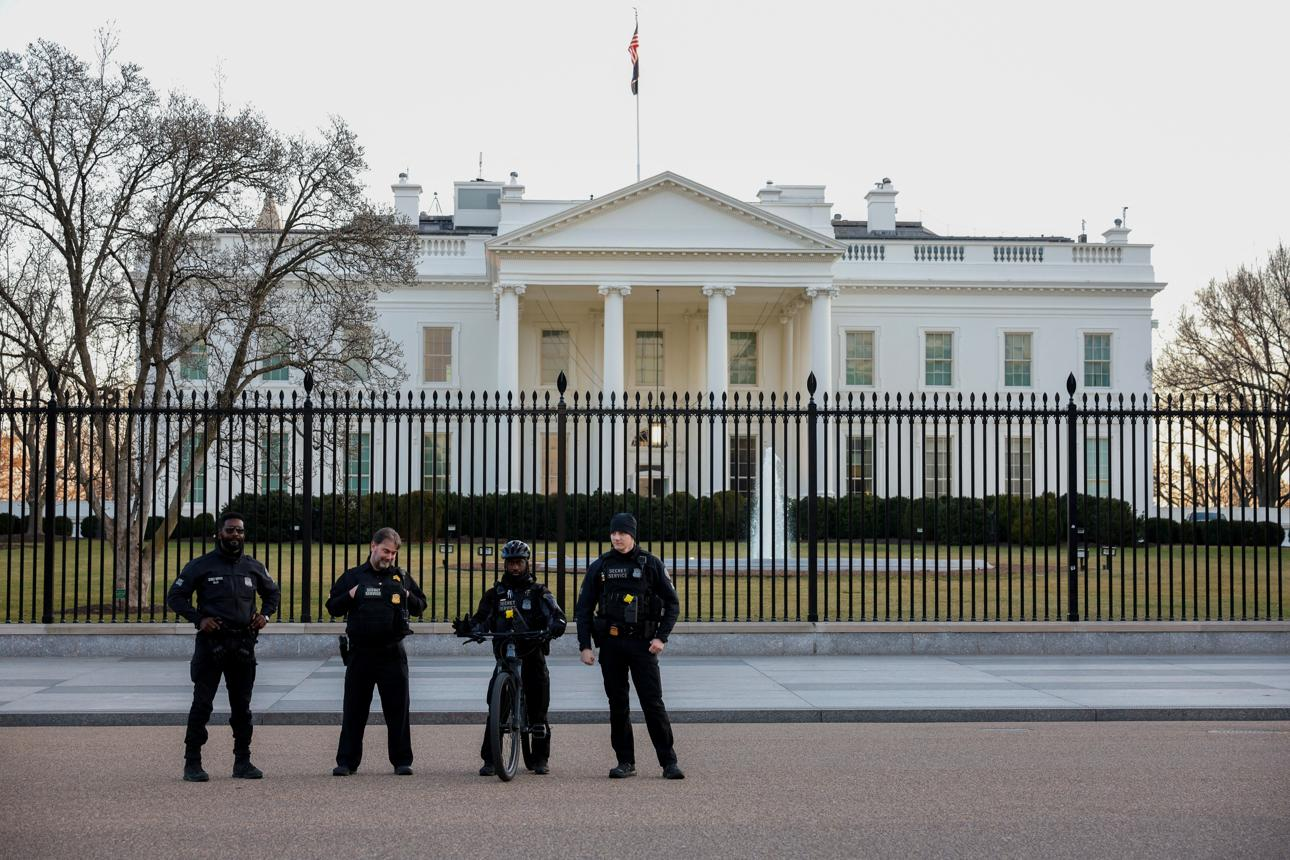
On November 16, CNN published an explosive report citing seven American officials familiar with recent intelligence assessments.
According to those sources, Iran may be developing contingency plans involving radioactive or chemical weapons to target senior members of the Trump administration.
The report also revealed that American authorities had conducted meetings to discuss potential security responses.
However, intelligence officials reportedly remain divided over Tehran's ability and willingness to carry out such an operation.
US Politics
The difference between developing a potential attack plan and authorizing an actual attack is enormous.
That distinction could ultimately determine whether the confrontation remains contained or escalates dramatically.
Trump Issues a Ferocious Warning to Tehran
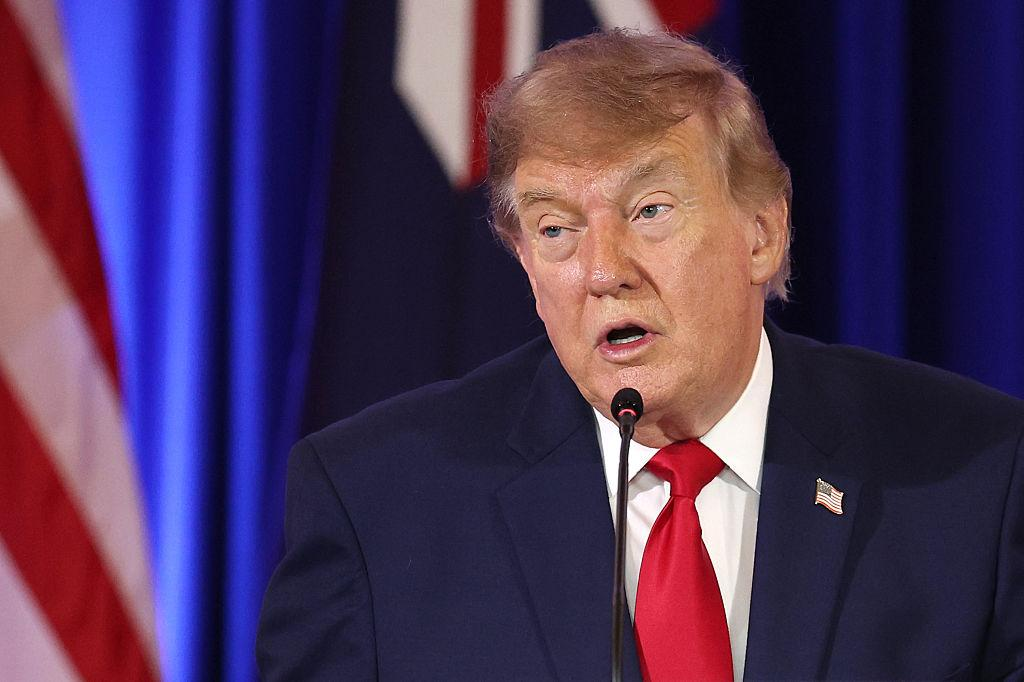
Speaking to reporters in Manila, Philippines, on November 17, President Trump made clear that his administration was investigating the allegations.
The president warned of extraordinary consequences should the threat materialize.
Trump's remarks reflected the administration's determination to protect American national security, although he did not announce any new military operation in response to the intelligence report.
The Straits Times
For Tehran, the political implications could be enormous.
An attack on American soil, if verified and attributed to Iran, could fundamentally transform Washington's military objectives.
What Is a Dirty Bomb — and How Dangerous Could It Be?
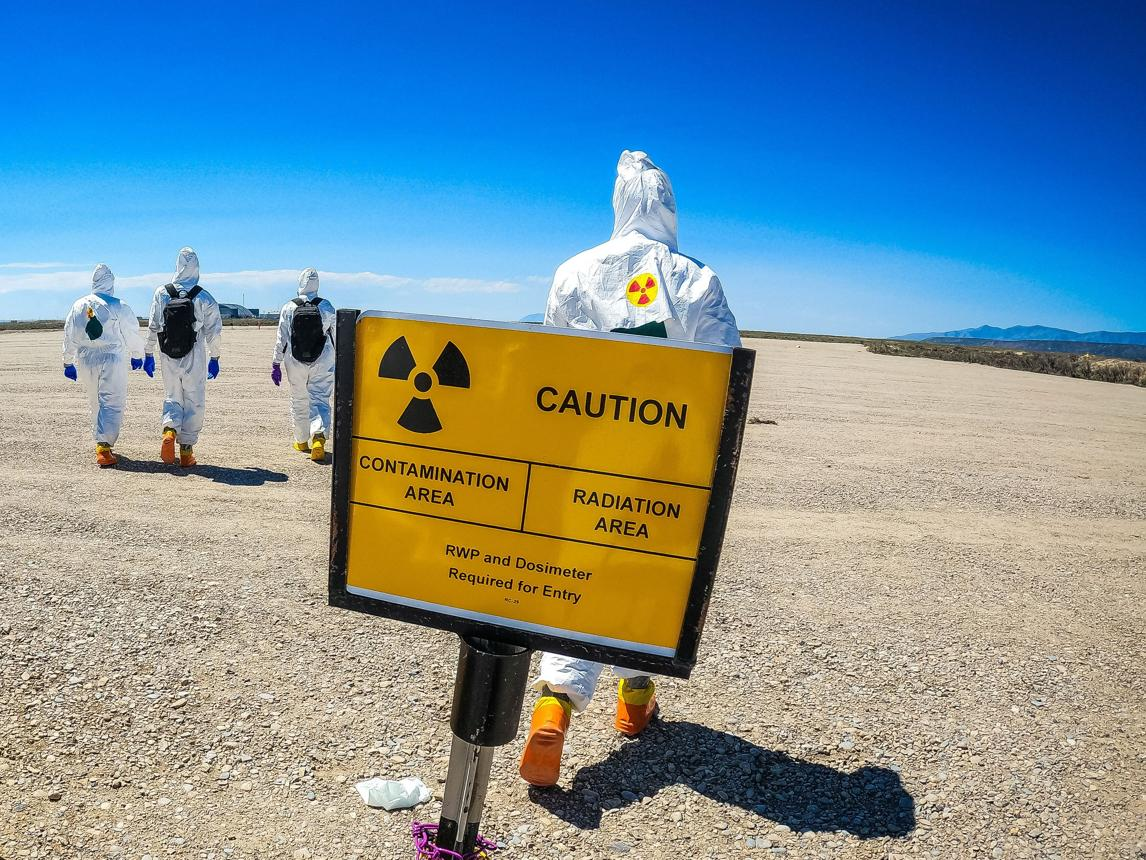
Illustrative images of radiological hazards and emergency response operations.
Unlike a nuclear weapon, a dirty bomb does not produce a nuclear explosion.
Its primary danger comes from the dispersal of radioactive contamination, potentially causing injuries, environmental damage and significant disruption.
Depending on the circumstances, an incident could force authorities to restrict access to affected areas and undertake extensive cleanup operations.
The economic and psychological consequences could also be substantial.
However, the reported intelligence does not establish that such a weapon has been deployed in Washington.
Iran Fires Back: Tehran Rejects the Accusations
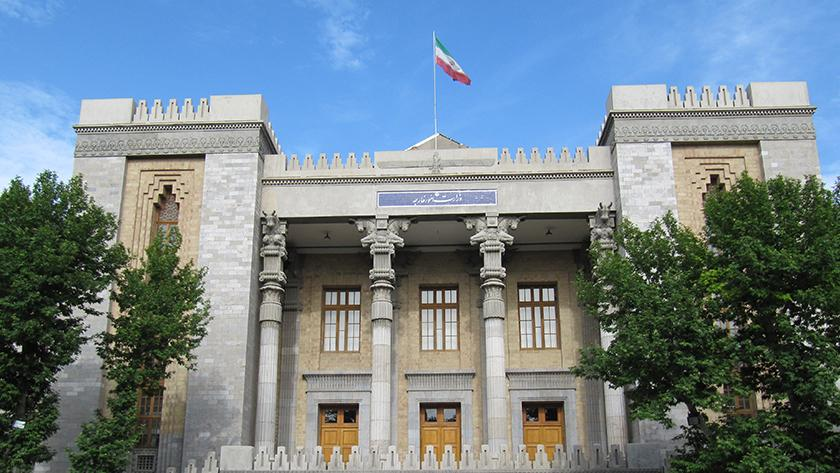
Iran's Foreign Ministry rejected the allegations on November 17, describing them as unfounded.
Reuters
The denial highlights a growing confrontation over the credibility of intelligence claims emerging during the war.
Washington considers potential threats against American citizens a serious national security matter.
Tehran maintains that the accusations are false.
The underlying classified intelligence has not been made available for independent public examination.
Iran's denial does not automatically disprove the intelligence. Equally, an intelligence allegation does not automatically establish Iran's guilt.
Marco Rubio Reassures Americans: No Imminent Attack
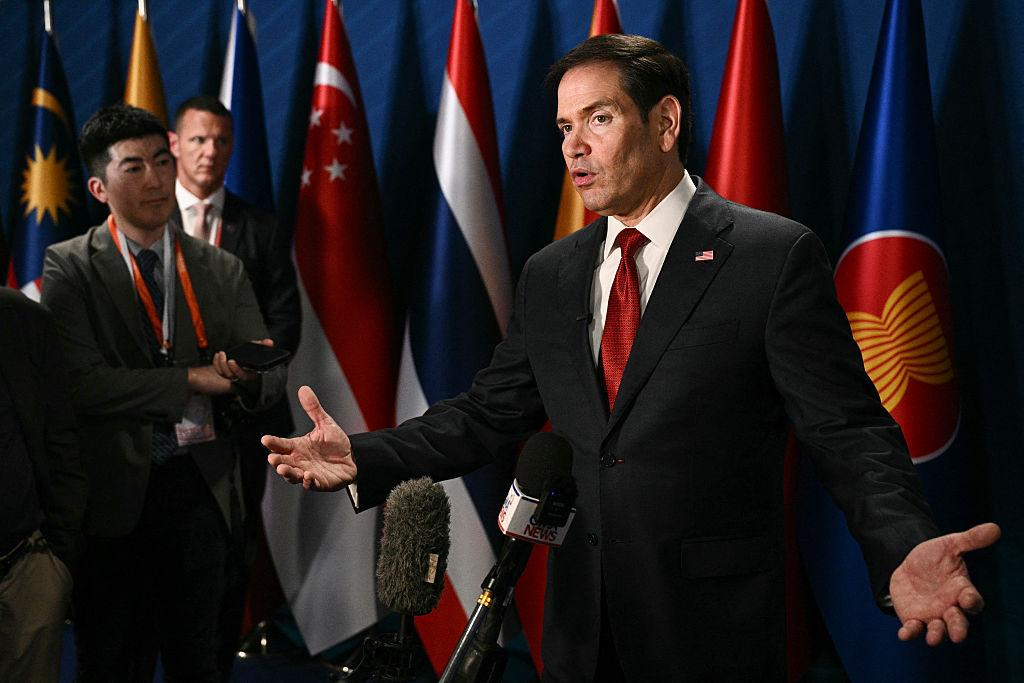
Despite the increasingly alarming reports, Secretary of State Marco Rubio delivered an important clarification on November 18.
Speaking during Trump's trip to Asia, Rubio stated:
“I don’t think there’s any imminent threat.”
He explained that American intelligence agencies routinely investigate potential dangers, many of which ultimately prove unreliable.
Iran International | Iran International+1
Clayton's warning and Rubio's reassurance are not necessarily contradictory.
The overall threat level can increase without authorities identifying a specific attack that is about to occur.
Heightened vigilance does not mean Americans are facing an immediate emergency.
The Intelligence Breakdown: What Do We Actually Know?
|
Development |
Current status
Increased Iranian threats against Americans
Stated by the U.S. intelligence chief
Alleged dirty bomb planning
Reported intelligence assessment
Iranian authorization of an attack
Not publicly established
Imminent attack on Washington
Not confirmed
Iran's response
Denies the allegations
Additional U.S. retaliation over the alleged plot
Not announced
The most important distinction is between a broader intelligence warning and evidence of an operational attack.
Conflating the two could generate unnecessary public panic or contribute to dangerous political miscalculations.
America's Military Power: What Could Trump's Anger Mean for Iran?
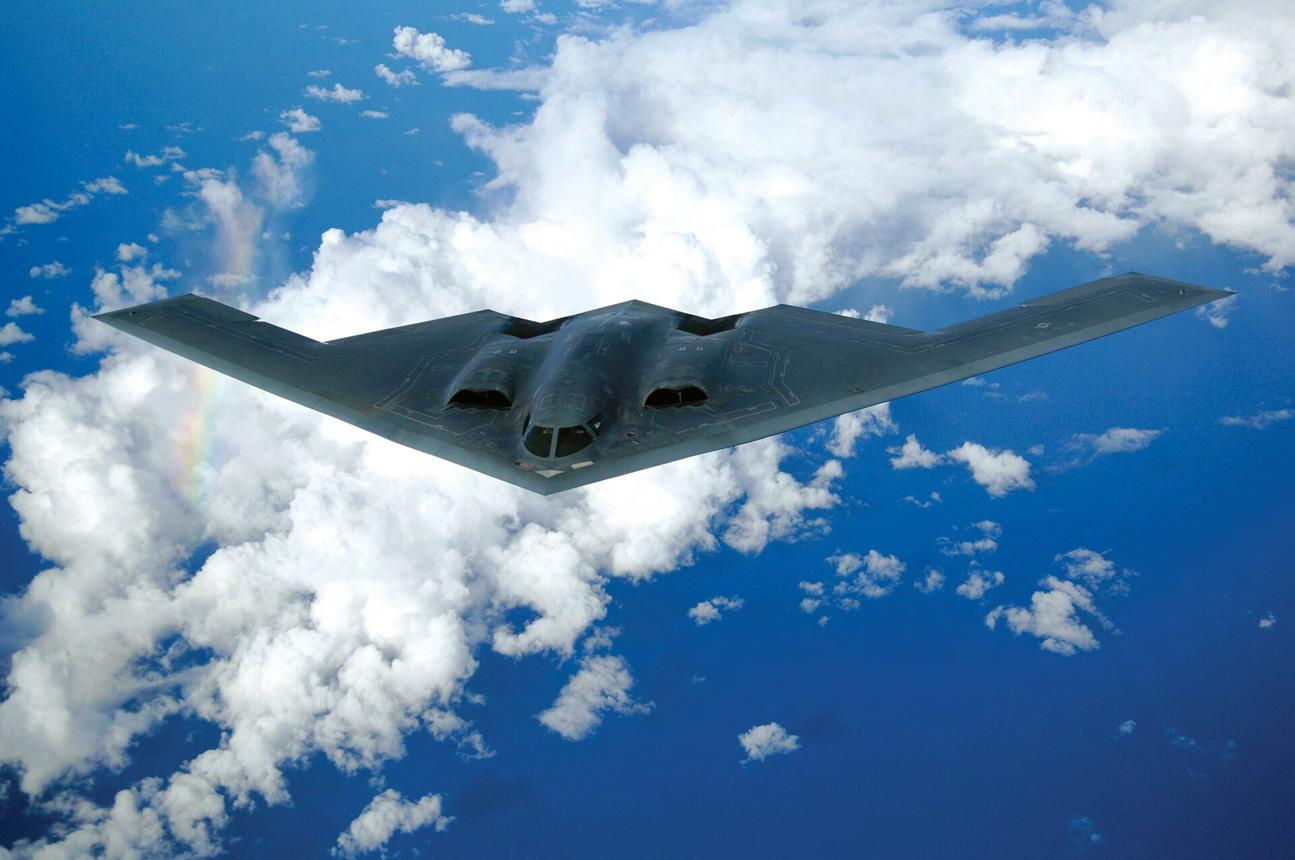
If American intelligence agencies obtain credible evidence that Iran is preparing a direct attack against American citizens, Washington could considerably strengthen its response.
Potential measures include:
-
Expanded intelligence operations to identify and disrupt suspected threats.
Increased security measures to protect American citizens and government officials.
Additional economic sanctions against Iranian institutions and individuals.
Greater military pressure if credible evidence establishes Iranian responsibility for hostile operations.
These represent possible responses rather than decisions already announced by the White House.
An expanded confrontation could also expose American military personnel and civilians across the Middle East to further retaliation.
The Shadow of Iraq: Why America Must Demand Reliable Evidence
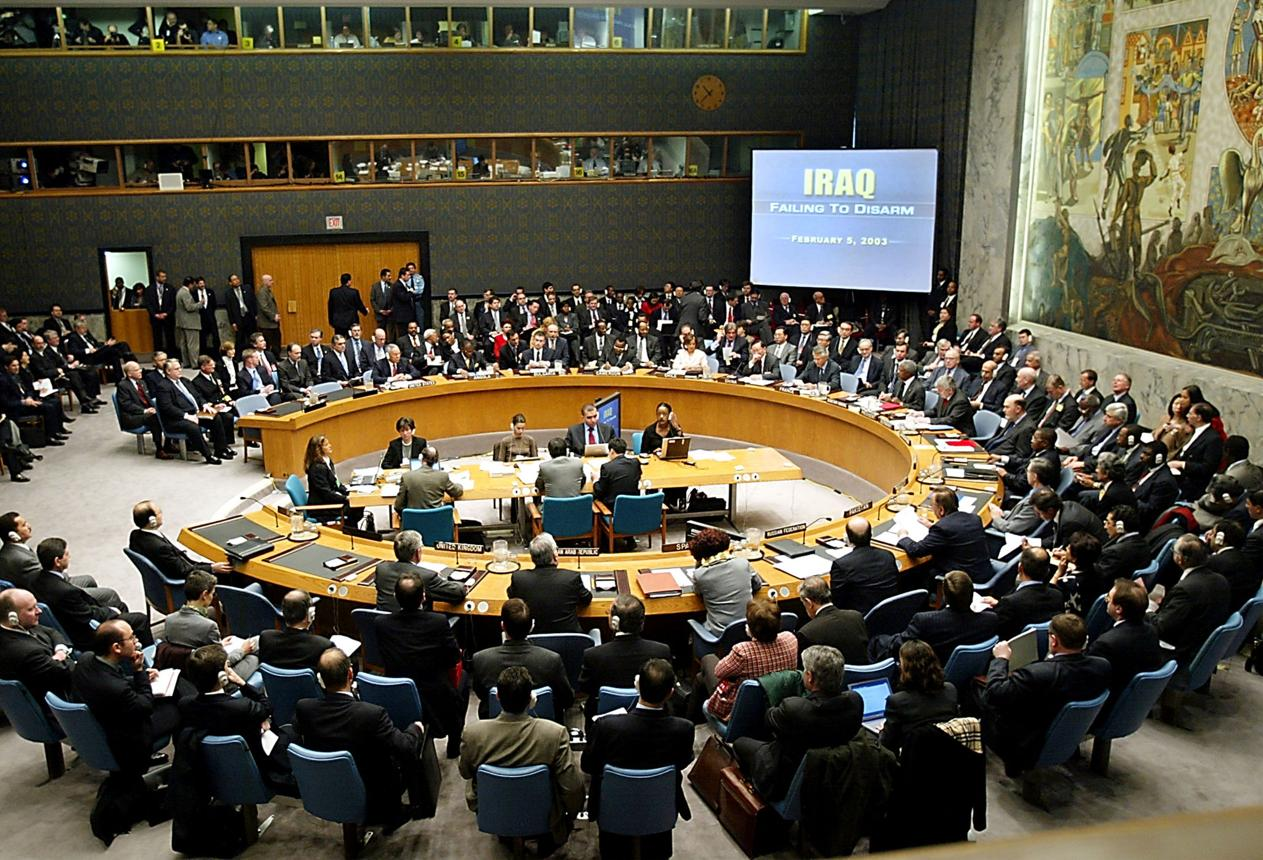
For many Americans, allegations involving unconventional weapons evoke memories of the 2003 invasion of Iraq.
Intelligence assessments concerning alleged Iraqi weapons of mass destruction helped justify the invasion, yet the stockpiles central to that argument were never found.
The subsequent conflict inflicted enormous human and financial costs.
That historical experience does not establish that today's allegations against Iran are false.
It does, however, demonstrate why extraordinary national security claims require rigorous investigation and independent scrutiny.
Ignoring a genuine threat could be catastrophic. Launching a war based on faulty intelligence could be equally disastrous.
A Chilling Warning — But Is America Really Facing an Imminent Attack?
America's intelligence chief has warned of growing threats.
President Trump is taking the reported dirty bomb allegations seriously.
Iran has rejected the accusations.
And Secretary of State Marco Rubio has reassured Americans that no imminent attack has been identified.
For now, the situation demands vigilance, investigation and careful decision-making rather than panic.
The consequences of Washington's next move could reach far beyond Iran, affecting American military personnel, international security and millions of ordinary citizens.
Trump has issued his warning. American intelligence agencies are investigating. But the evidence must ultimately determine how Washington responds.
Should President Trump intensify pressure on Iran to deter potential attacks? Or should Washington demand conclusive evidence before considering further military escalation?
AMERICA, WHAT DO YOU THINK? SHARE YOUR OPINION IN THE COMMENTS BELOW!
Comments (0)
Loading comments...
May You Like

TRUMP'S NVIDIA STOCK DEALINGS — IS THERE ANY TRUTH TO THE $14 MILLION PROFIT CLAIM?

$1 BILLION DISASTER AT BANGCHAK REFINERY, THAILAND—40 BURNED, 8 AMERICANS DEAD!

AMERICA'S LUCAS DRONE — A POTENTIAL GAME CHANGER IN THE SOUTH CHINA SEA?









Popular Posts



