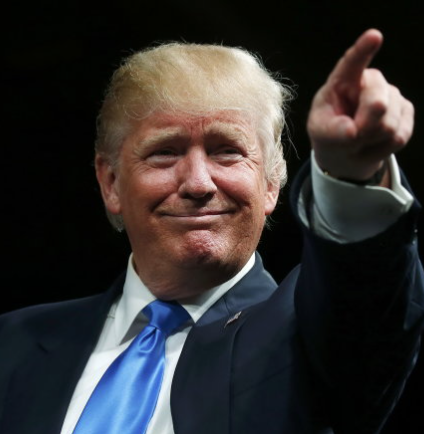
Trump Open to National Emergency Declaration
Trump Leaves Door Open to National Emergency Declaration Ahead of Midterm Elections
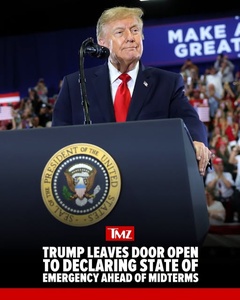
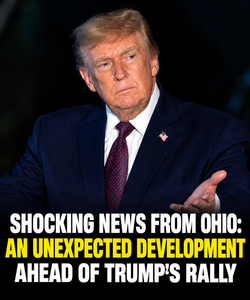
President Donald Trump has declined to rule out declaring a national emergency ahead of the November 2026 midterm elections, raising fresh questions about the administration’s plans for election security and federal authority.
Trump’s comments have drawn renewed attention because a national emergency could potentially give the president additional executive powers, although the scope of those powers would depend heavily on the specific legal authority invoked.
The issue emerged after Trump was asked about suggestions that he could declare an emergency if Congress failed to approve his preferred election reforms before the midterm elections.
During an August interview, Trump responded that “stranger things have happened,” leaving open the possibility rather than explicitly committing to such a declaration.
The remarks followed months of debate over Trump’s efforts to change federal election rules, including proposals involving voter identification, citizenship verification and restrictions on certain voting methods.
Trump and his allies have argued that stronger election-security measures are necessary to protect voting systems from fraud, foreign interference and other potential threats.
Critics, however, have warned that the federal government does not have unlimited authority over elections, which are largely administered by individual states under the U.S. constitutional framework.
The controversy has intensified as the November midterms approach. Election officials across the country are preparing for possible legal conflicts, federal intervention and challenges involving voting procedures.
More than 50 election officials interviewed by Reuters expressed concerns about potential federal overreach, political interference, misinformation and threats surrounding the upcoming elections.
Trump’s administration has already faced legal challenges over attempts to influence state election procedures through federal policies and funding requirements.
In September, a federal judge blocked an administration effort to condition billions of dollars in counterterrorism grants on states adopting specific election-related changes.
The administration had sought to encourage measures including hand-marked ballots, manual audits and additional verification of voter rolls.
The judge concluded that federal agencies lacked congressional authority to attach those election requirements to grants intended primarily for counterterrorism purposes.
Trump’s potential emergency strategy is therefore emerging alongside a broader effort by his administration to increase federal influence over election administration.
Supporters argue that Washington needs stronger tools to protect elections against foreign interference and ensure that only eligible citizens participate in federal elections.
Opponents contend that using emergency powers to impose nationwide election rules could undermine the authority of states and create serious constitutional questions.
Legal experts have also questioned whether a president could use emergency powers to effectively take control of federal elections. The Constitution gives states primary responsibility for administering elections, with Congress holding significant authority as well.
Meanwhile, the Trump administration has continued emphasizing concerns about election interference. On August 31, Trump extended an existing national emergency concerning foreign interference in U.S. elections for another year.
That existing emergency, however, is different from the potential emergency discussed in connection with the 2026 midterms. It was originally established in 2018 to address foreign interference and threats to confidence in American elections.
The possibility of another emergency declaration has nevertheless fueled speculation about what extraordinary measures Trump might seek as Election Day approaches.
For now, Trump has not declared a national emergency specifically to take control of the 2026 midterm elections. His comments indicate that he has not ruled out the possibility, rather than confirming that such a move is imminent.
With the midterms approaching on November 3, the question of how far presidential emergency powers can extend into election administration is likely to remain a major political and legal issue in Washington.


Comments (0)
Loading comments...
May You Like
FIGHT OVER OBAMA’S IRAN POLICY
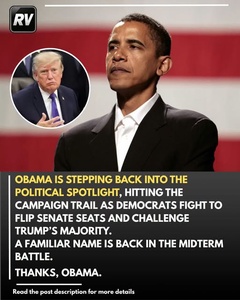
OBAMA STEPS BACK INTO THE POLITICAL SPOTLIGHT