
TRUMP PLAN BACKFIRES
Trump’s $25 Million Fraud Reward Plan Opens an Unexpected Accountability Debate
President Donald Trump's promise to pay Americans for exposing fraud in federal programs was supposed to put suspected scammers under pressure. Instead, the announcement quickly raised a more uncomfortable question: how far should a government accountability campaign reach, and should allegations against people close to the president be treated the same as allegations against anyone else?
On October 20, 2026, Trump and Vice President JD Vance unveiled the Fraud Whistleblower Incentive Program at the White House. The initiative set aside $25 million to help fund rewards for information that leads to federal fraud cases. Its central message was straightforward: members of the public could help uncover misuse of taxpayer money and might receive compensation when their information produced meaningful enforcement results.
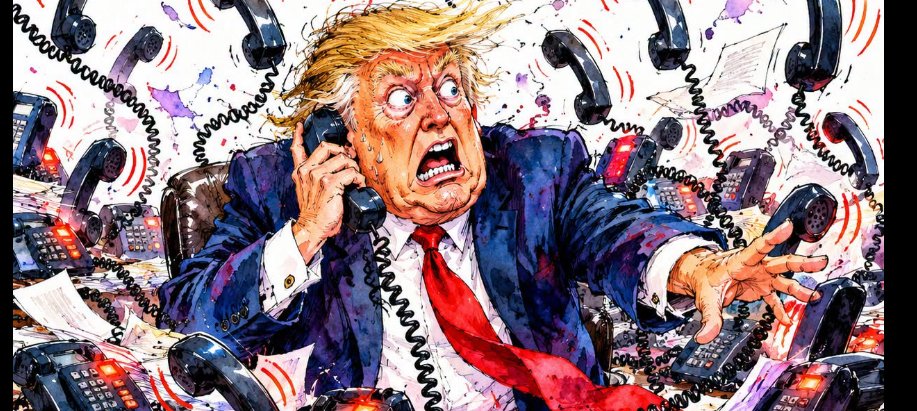
The event was real, but one of the most dramatic claims attached to it online has not been established. Viral commentary suggested that Americans immediately turned the reporting system against Trump himself. There is no independently verified count of such submissions, and no public evidence that a wave of tips about the president resulted in a new fraud investigation under the program.
That distinction matters because political jokes, public accusations and official findings are three different things. A social-media user can accuse a president of misconduct without demonstrating fraud, just as an anonymous tip does not automatically become a criminal case. Investigators must still evaluate documents, establish jurisdiction and determine whether the available evidence satisfies applicable legal standards.
The Justice Department said the new program would offer early rewards ranging from $10,000 to $30,000 for qualifying tips that lead to criminal charges in specified fraud categories. The Treasury Department committed $25 million to support the effort. Those details are significantly narrower than the claim that every person who reports suspected wrongdoing is entitled to a large payout.
Trump offered a different explanation during the Oval Office announcement. He suggested that tipsters could receive a commission amounting to 1 percent of the fraud their information uncovers, potentially producing sums much larger than the Justice Department's published award range. The difference between the president's description and the formal program terms immediately became a question in its own right.
He also said he expected to make final decisions when competing tipsters disputed who deserved an award. The department's written terms, however, assigned award decisions to the Justice Department's discretion. The contrasting accounts left important practical questions about eligibility, oversight and the final calculation of payments unanswered at the time of the rollout.
Vice President Vance, who leads the administration's broader anti-fraud task force, stood beside Trump during the presentation. The White House described the effort as part of a campaign against improper claims involving federal benefits and public funds. Areas emphasized by the Justice Department included health care, child care and other assistance programs vulnerable to fraudulent billing.
The administration drew particular attention to Nick Shirley, a conservative online commentator whose videos had alleged fraudulent activity at Minnesota child care facilities. Officials praised his reporting and discussed a $10,000 reward. His appearance helped frame the initiative as a partnership between federal authorities and people who say they have identified wrongdoing outside traditional investigative channels.
But Shirley's Minnesota allegations had already produced controversy of their own. State inspectors had found some facilities identified in his videos operating as expected, while separate fraud investigations and enforcement actions were proceeding in the state. A guilty plea in a child-nutrition reimbursement case did not, by itself, validate every allegation made in the viral videos.
For the administration, the appeal of the program is obvious. Public agencies cannot observe every suspicious invoice or benefits claim, and insiders sometimes possess records investigators would never otherwise see. Well-designed whistleblower systems can help expose real wrongdoing, protect public money and encourage people with specific, credible information to come forward.
For critics, the danger lies in turning a legitimate anti-fraud objective into a politically selective exercise. A reliable program needs consistent standards, safeguards against false accusations and a process that does not reward sensational claims merely because they attract attention. Those safeguards are especially important when allegations concern immigrant communities, political opponents or people who have already been criticized in partisan media.
At roughly the same time, a separate dispute over government-financed promotional advertising was fueling arguments about taxpayer accountability. An October 12 media analysis estimated that nearly $22 million in public money had been spent airing ads promoting Trump and administration policies since late September. The reported spending included nearly $10 million after Trump said a political group would fund the advertising instead.
That advertising controversy involved its own legal questions. Plaintiffs argued that government resources were being used for partisan messages, while the administration defended the campaign as public communication about federal policy. The existence of the spending figures and litigation does not, by itself, establish that Trump personally committed criminal fraud.
The two stories nonetheless collided in the political debate. A president promising rewards for evidence of stolen tax dollars faces inevitable questions about how his government handles allegations of waste or improper spending closer to home. That tension can generate sharp satire, but a legitimate investigation still requires evidence rather than a punch line.
The traditional False Claims Act already allows private whistleblowers to bring certain fraud allegations on the government's behalf and, in qualifying cases, share in financial recoveries. The new program was designed to fill different gaps by offering earlier payments for specified information. Whether it improves enforcement will depend on the quality of the tips, the fairness of screening and the cases that actually follow.
The issue is therefore larger than whether opponents can submit Trump's name to an online form. In any credible anti-fraud system, the identity and political connections of an accused person should not decide whether evidence deserves scrutiny. Equally, the filing of a complaint should never be presented as proof that a crime has occurred.
Public confidence will also depend on transparent rules. Citizens need to know what information qualifies, which authority reviews submissions, what happens to unsubstantiated allegations and when rewards may be paid. Where senior officials appear to promise amounts or procedures different from written policy, clearer explanations become essential.
As the 2026 midterm election approached, the rollout became another flashpoint in a wider national argument about corruption and government spending. Supporters saw a potentially useful tool to uncover fraud. Skeptics questioned whether the same level of scrutiny would apply across political lines and whether the reward structure was sufficiently independent.
The most important test is still ahead. The headline-making $25 million commitment may generate tips, but meaningful results will have to be measured by credible investigations, properly supported charges, money lawfully recovered and fair treatment of the people involved. The real question is not who becomes the subject of the loudest accusation, but whether the system can separate evidence from politics.
Comments (0)
Loading comments...
May You Like


I-75 THANKSGIVING NIGHTMARE — MAIL TRUCK CRASH RAISES OVERPASS COLLAPSE FEARS!

IOWA EMERGENCY: TOXIC AIR, POLLUTED WATER, 3,000 FAMILIES FORCED OUT AFTER 5-TON WASTE BLAST!

Latest Posts









Popular Posts



