
Trump Pushes “No Invasion of Our Country Act” to Lock In Border Policies, but No Such Law Has Been Enacted
November 7, 2026 | U.S. Politics | Immigration Policy
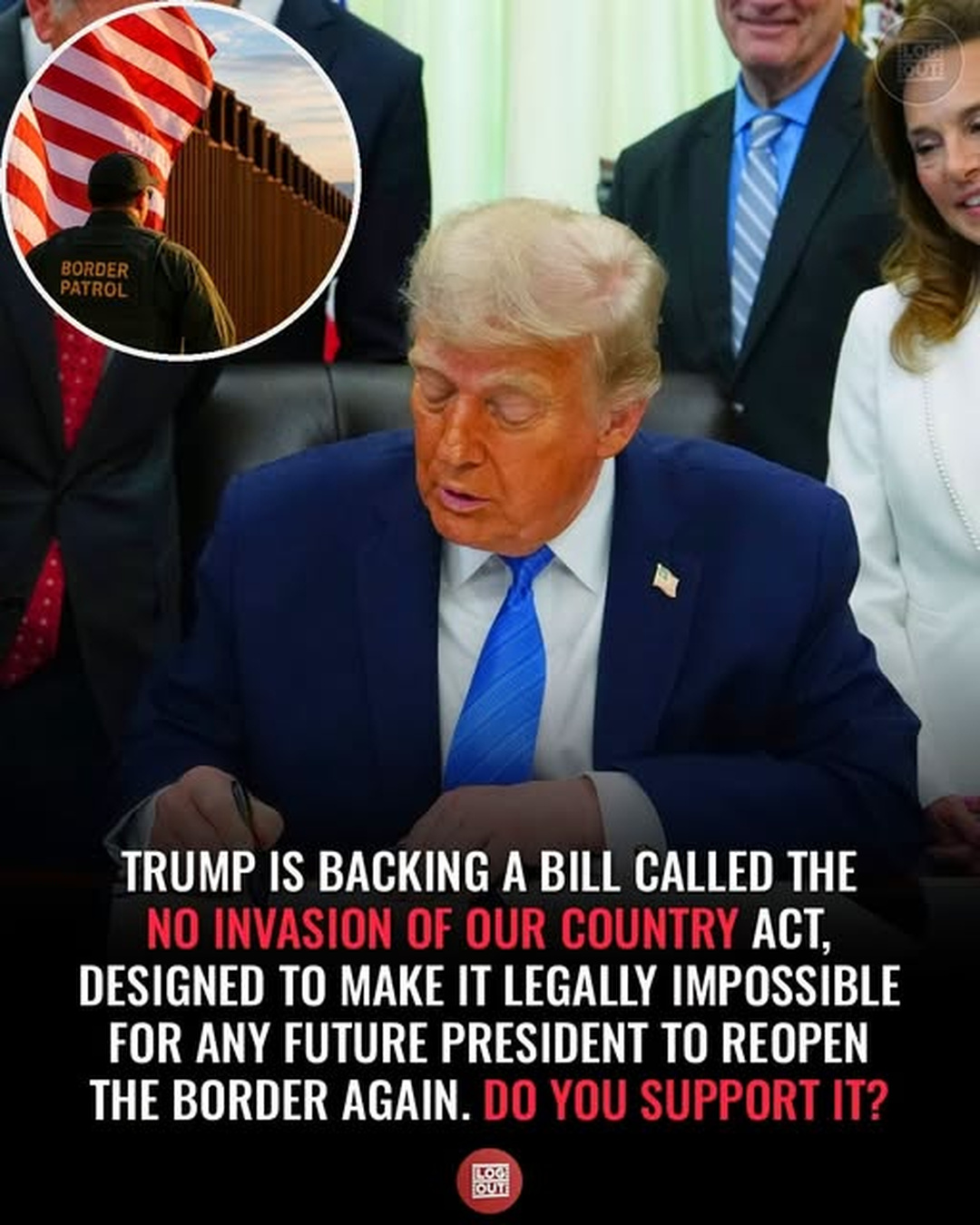
The proposal, which he calls the “No Invasion of Our Country Act,” would make it legally impossible for future presidents to reopen America's borders to undocumented immigrants.
Trump outlined the idea during the Republican Party's midterm convention in Dallas on September 9, promising legislation that would permanently protect his administration's border enforcement agenda.
“We will make it legally impossible for any future president to destroy our country by having the right to open the border again,” Trump told supporters.
He repeated the proposal at campaign rallies throughout September and October, presenting it as a central part of his Republican immigration agenda.
At an October 27 rally in Corpus Christi, Texas, Trump again promised to pass the legislation, saying future presidents should never be allowed to reopen the borders to illegal immigration.
The proposal reflects Trump's determination to make his immigration policies more difficult for future Democratic administrations to reverse through executive orders.
During his first presidency, Trump introduced strict border enforcement measures, including expanded border barriers, restrictions on asylum procedures, and efforts to limit unauthorized entry.
President Joe Biden later reversed several Trump-era policies, demonstrating how dramatically immigration enforcement can change when a different administration takes office.
Trump now wants Congress to establish stronger statutory restrictions that would limit the ability of future presidents to reverse his approach.
However, there is an important distinction between Trump's political announcement and an actual piece of legislation.
As of November 7, no formally introduced congressional bill under the exact title “No Invasion of Our Country Act” has been identified in the available legislative records.
A separate proposal, the Permanent Trump Secure Border Act, was introduced by Republican Representative Chip Roy of Texas on July 20, 2026.
That legislation carries the official designation H.R. 9773 and addresses border security and immigration enforcement, but it is not formally the same measure Trump announced.
Its introduction does not mean that Congress has passed Trump's proposed act or permanently restricted future presidential authority.
The legal question is particularly complicated because ordinary federal legislation cannot permanently prevent future Congresses from changing or repealing the law.
A future president could also retain significant executive authority over immigration enforcement, provided those actions remain consistent with federal statutes and constitutional requirements.
Even if Congress passed a restrictive border law, courts could still examine whether particular provisions violated constitutional protections or conflicted with existing immigration legislation.
The proposal could also face opposition from lawmakers concerned about asylum access, humanitarian protections, and the balance of power between Congress and the presidency.
Supporters argue that permanent border legislation would provide greater national security and prevent abrupt policy reversals whenever political control changes in Washington.
Critics, meanwhile, warn that immigration policy must remain flexible enough to respond to humanitarian emergencies, changing migration patterns, and international obligations.
The debate is becoming especially important after the November midterm elections, which have reshaped the balance of power in Congress and intensified disagreements over immigration enforcement.
Ultimately, Trump's proposal represents an effort to turn his border agenda into a lasting national policy. Whether Congress will approve it remains uncertain, and the proposed act is not currently law.
Comments (0)
Loading comments...
May You Like

IOWA CRISIS — 150+ WITH LEAD AND MERCURY POISONING, 69 CRITICAL!

I-75 THANKSGIVING NIGHTMARE — MAIL TRUCK CRASH RAISES OVERPASS COLLAPSE FEARS!

KUWAIT DRONE ATTACK SPARKS TENSION BETWEEN ISRAEL, THE U.S AND IRAN

Latest Posts







Popular Posts





