Trump Repeats Claim That a Doctor Ranked Him the Healthiest—But the Record Needs Context
Trump Repeats Claim That a Doctor Ranked Him the Healthiest—But the Record Needs Context
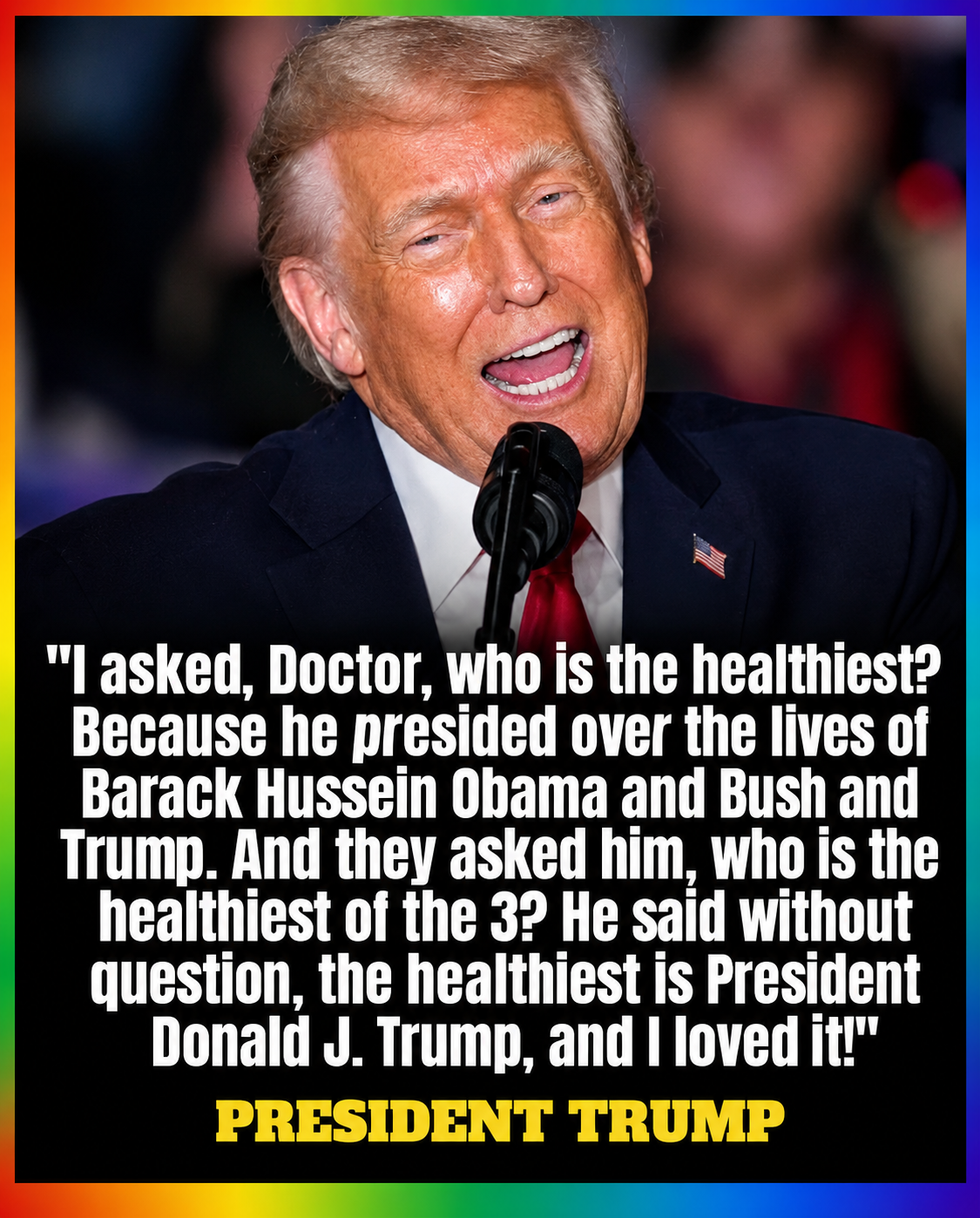
President Donald Trump revived a familiar claim about his health during a political rally in Corpus Christi, Texas, on October 27, 2026. Speaking about former White House physician Ronny Jackson, Trump said Jackson had been asked to compare the health of Barack Obama, George W. Bush and Trump—and had identified Trump as the healthiest.
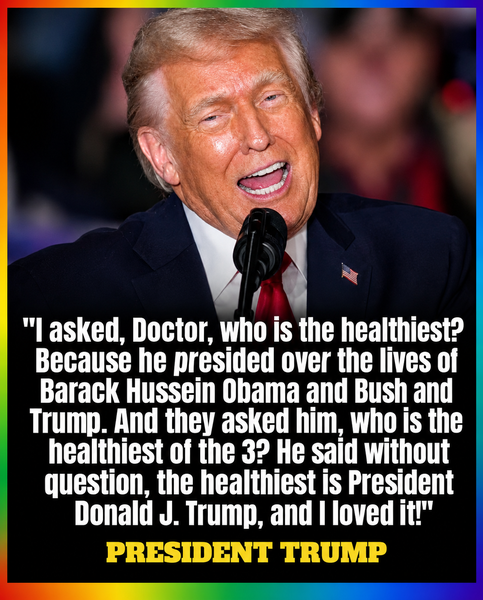
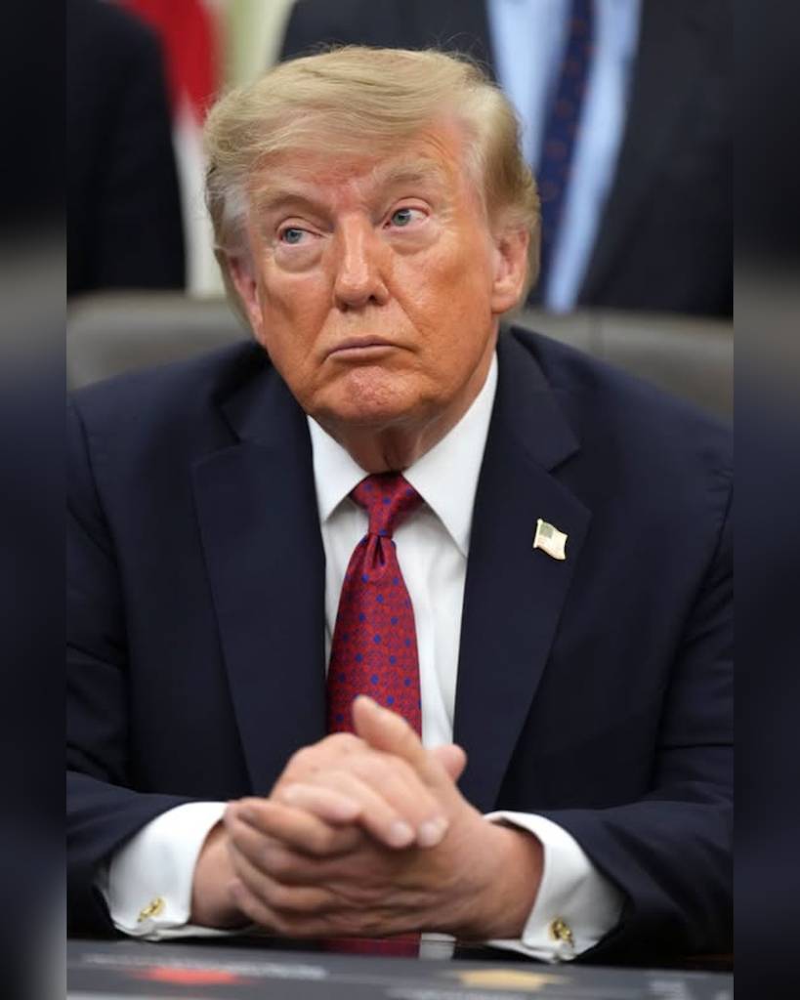
The remark was made during a rally that mixed political campaigning with comments about energy, the economy and Trump’s personal standing. The image accompanying this article presents the claim as a celebratory quotation, but the underlying story is more complicated than a simple doctor’s ranking.
The core of the statement is real: a transcript of Trump’s Corpus Christi remarks records him saying that Jackson was asked who was healthiest and replying, “without question,” that it was Trump. The transcript also records Trump saying he liked Jackson because of that answer. The quotation should therefore be understood as Trump recounting an exchange, not as an independently documented medical finding.
Jackson has a long history in the White House Medical Unit. According to the U.S. Department of Defense’s Health.mil history, he served in the unit during the George W. Bush administration, later led it during the Obama and Trump administrations, and served as physician to the president under Obama and Trump.
That distinction matters. Trump’s phrasing suggests Jackson personally cared for all three men in the same way. Official biographies describe Jackson’s role across administrations, but they do not establish that he was the personal physician to Bush, Obama and Trump alike, nor do they document a formal comparative assessment ranking the three presidents’ health.
The rally transcript verifies that Trump made the claim, but it does not independently verify that Jackson made the quoted comparison. A speech transcript can establish what a speaker said; it cannot by itself prove that the reported conversation happened exactly as described.
Public health summaries of presidents are also not the same as a head-to-head medical competition. Assessing health would require clear criteria, comparable records, consistent testing and a defined period of comparison. A broad label such as “healthiest” has little scientific meaning without those details.
Trump has made similar comments before. In December 2025, news coverage reported that he credited Jackson with describing him as the healthiest among Trump, Obama and Joe Biden. That earlier version referred to Biden rather than Bush, underscoring that the anecdote has appeared in more than one form.
Coverage of the 2025 remarks noted that Jackson had served as a White House physician during the Obama and Trump years but had not been Biden’s personal physician. Jackson left government service and was elected to Congress in 2020, making him a political ally as well as a former doctor.
Another piece of context reaches further back. In 2015, Trump’s then-physician Harold Bornstein issued a glowing statement saying Trump would be the healthiest person ever elected president. In 2018, Bornstein told news outlets that Trump had dictated the letter’s language, a revelation that complicated the statement’s value as an independent medical endorsement.
These past episodes do not establish that Trump is unhealthy. They do show why sweeping claims about presidential health should be assessed with care, especially when they come through political speeches or promotional statements rather than detailed, independently reviewable medical evidence.
The White House has released medical summaries during Trump’s current term, and his physician has described him as being in excellent health. Such statements provide some information about his condition, but they are not the same as evidence that he is healthier than other presidents, living or deceased.
Medical privacy also limits what the public can know. Presidents undergo health evaluations, but full records are not routinely made public. Without comparable data for the people being ranked, outsiders cannot reliably validate a claim that one president is definitively healthier than another.
The political setting helps explain why the anecdote resonates. A claim about stamina and health can reinforce a leader’s image of strength, while a humorous aside about a former president’s diet makes the moment feel personal and memorable. That rhetorical effect is separate from whether the underlying comparison can be medically substantiated.
Trump also pivoted from the health anecdote to a comparison of golf ability and a joke about Obama’s food choices. Those comments made the exchange more like rally banter than a discussion of medical evidence, and they should be read in that setting.
The image’s wording broadly tracks the sentiment of Trump’s remarks, but it compresses the story into a definitive-sounding quotation. It does not show a statement from Jackson himself, a medical report comparing presidents, or a contemporaneous record of the alleged exchange.
A careful summary is therefore straightforward: Trump did make the claim at the Texas rally, and an official transcript records his words. The transcript does not independently confirm that Jackson made the comparison, and available official biographies do not support the implication that Jackson served as each of the three men’s personal physician in the same capacity.
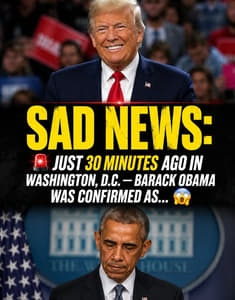
That distinction is important in an era when viral graphics can move faster than source material. A short quote card may capture a real moment while leaving out the difference between a speaker’s recollection and a verifiable medical conclusion.
Readers who want to evaluate the claim should start with the rally transcript and official biographies, then compare them with reporting about earlier versions of the anecdote. These sources make it possible to separate the confirmed fact that Trump said it from the unresolved question of whether the doctor actually gave the ranking as described.
In the end, the episode says as much about political messaging as it does about health. Trump’s confidence in the story is clear; the evidence for a formal medical ranking is not. Until such a comparison is documented with transparent criteria and comparable records, “the healthiest” remains a political anecdote—not an established medical verdict.


Comments (0)
Loading comments...
May You Like
Trump’s Methane Rollback: $45 Billion in Savings—or a Costly Climate Trade-Off?