
TRUMP RETURNS FROM CHINA, FURIOUS — WHAT DID HE DISCUSS WITH XI AND PUTIN?
TRUMP RETURNS FROM HISTORIC CHINA SUMMIT WITH XI AND PUTIN — WHITE HOUSE ANNOUNCEMENT LOOMS AS IRAN DECISIONS REMAIN UNRESOLVED
WASHINGTON, D.C. — NOVEMBER 20, 2026
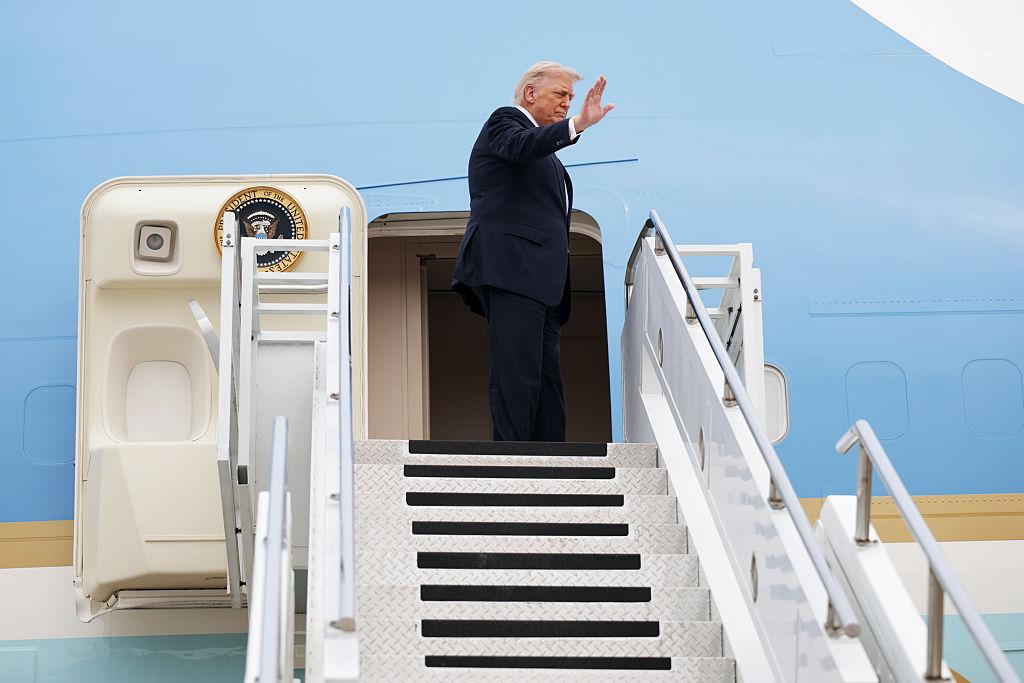
Three of the world's most powerful leaders have met face-to-face in China. President Donald Trump is returning to Washington with a new diplomatic declaration, a promised White House news conference and major questions about the future of the war with Iran.
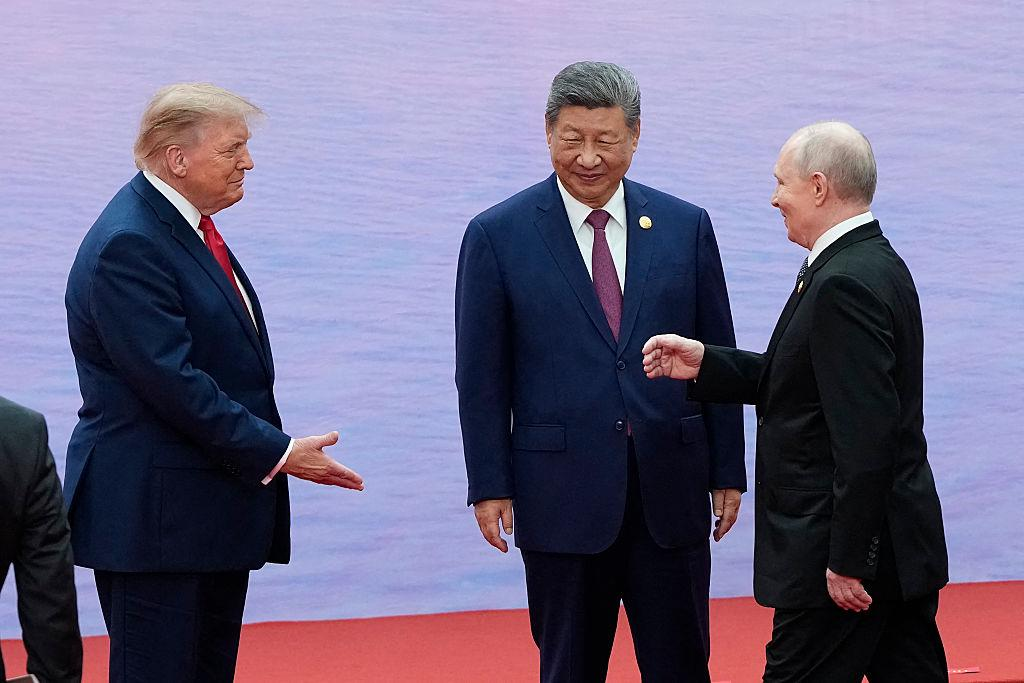
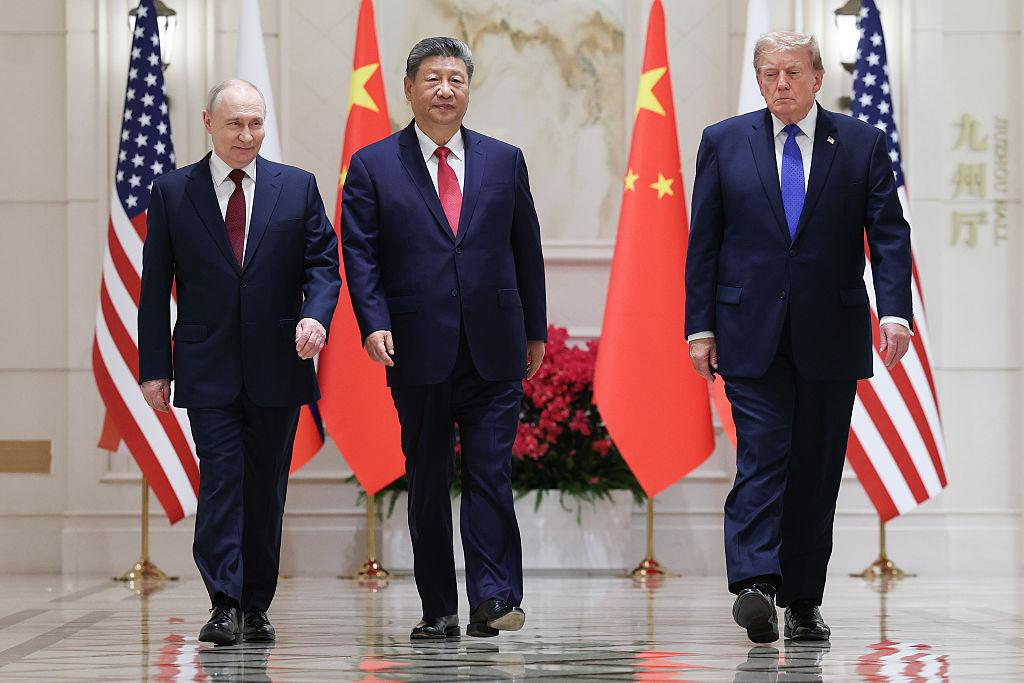
On November 19, Trump met Chinese President Xi Jinping and Russian President Vladimir Putin in Shenzhen for an unprecedented three-way summit.
The meeting produced a joint declaration addressing nuclear risks, international institutions and global energy supplies.
But despite the historic gathering, the leaders announced no breakthrough on the wars in Iran or Ukraine and no binding nuclear arms reduction agreement.
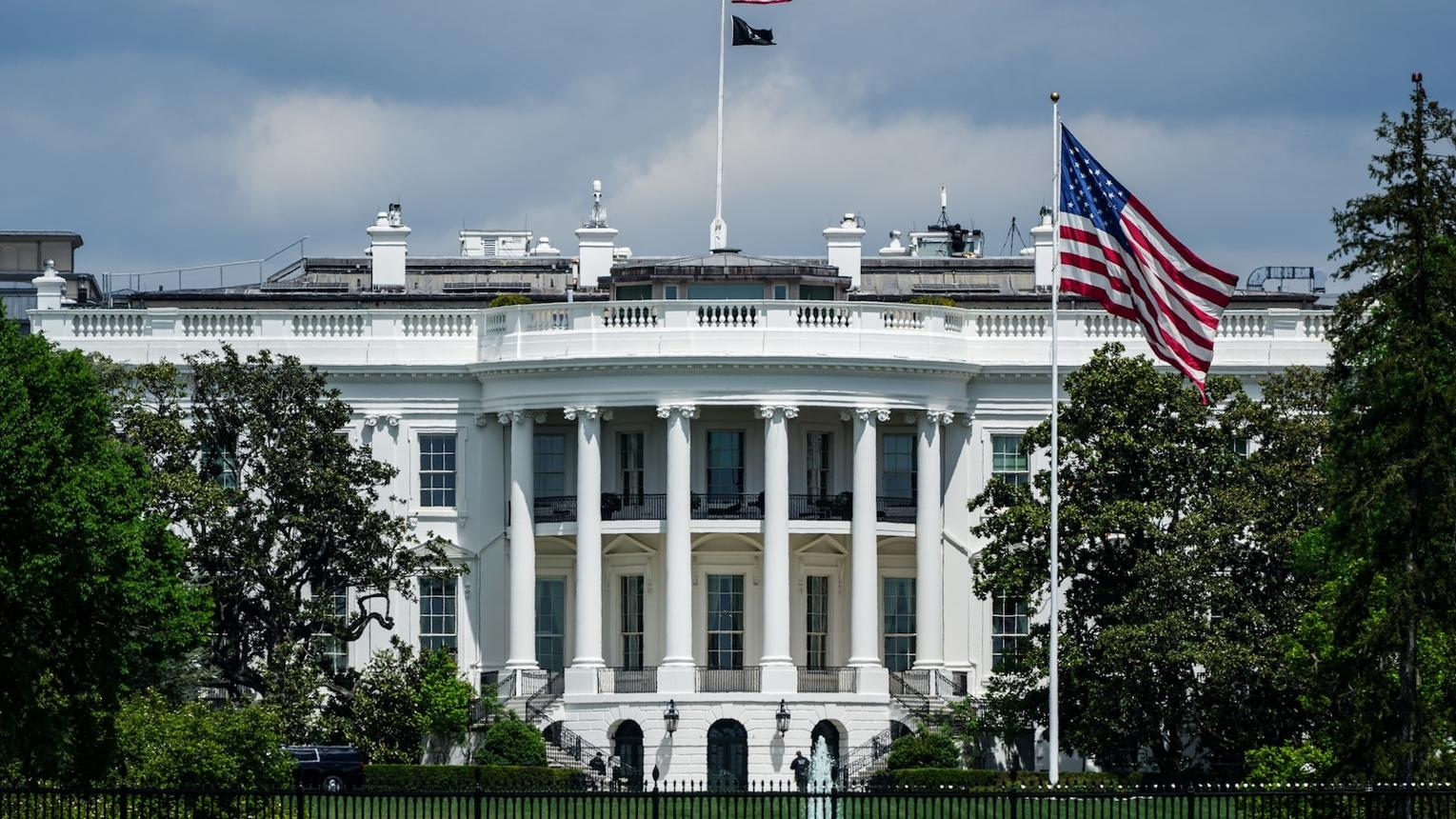
Trump described the summit in highly positive terms and announced plans to speak to reporters at the White House on Friday, November 20.
What did America actually gain from the summit? Why were Iran and Ukraine missing from the final declaration? And could Trump's next announcement reshape U.S. foreign policy?
Reuters+2
A Historic Meeting Between Trump, Xi and Putin
The meeting brought together the presidents of the United States, Russia and China for their first three-way summit.
The discussions lasted approximately 70 minutes and covered nuclear security, international relations and major global conflicts.
Trump portrayed the encounter as a historic opportunity for cooperation among nuclear powers.
For Xi, hosting the summit reinforced China's diplomatic role.
For Putin, participation provided an opportunity to engage directly with Washington despite continuing tensions over Russia's war in Ukraine.
Yet the meeting's symbolic importance was greater than its immediate policy results.
AP News+1
Four Major Announcements: What the Three Leaders Actually Agreed On
The White House published a four-point declaration following the summit.
The document outlines areas of cooperation, although it does not establish detailed implementation schedules or binding agreements.
Four commitments from the November 19 summit
-
Reforming the United Nations
The three governments committed to pursuing changes intended to improve the organization's effectiveness.
Increasing petroleum supplies
They announced plans to increase the production and supply of refined petroleum products and emphasized stable global energy flows.
Addressing the International Criminal Court
They called for limits on what they described as abuses of jurisdiction and emphasized protections for state officials.
Reducing nuclear risks
They reaffirmed that nuclear war must never be fought and pledged dialogue on nuclear risks and nonproliferation.
Source: Official White House declaration, November 19, 2026.
The White House
These commitments are diplomatically significant, but they remain broad statements of intent.
The summit did not produce an announced treaty, a nuclear disarmament schedule or a settlement of either major war.
Trump Announces a White House Press Conference
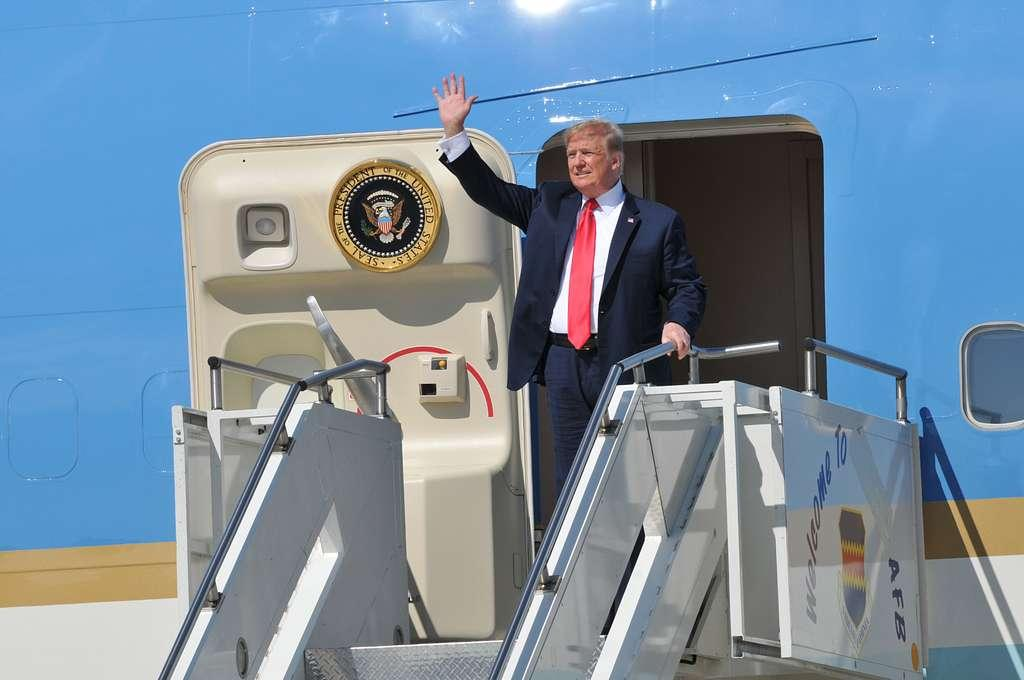
After leaving Shenzhen, Trump announced that he would hold a news conference at the White House on Friday, November 20.
He did not conduct a concluding press conference in China, leaving reporters with limited opportunities to question him about the negotiations.
According to reporting from ABC News and The Washington Post, the president announced the upcoming White House event while traveling back to Washington.
ABC News+1
The planned appearance could provide additional detail about the summit.
However, no specific new agreement or major policy announcement should be treated as confirmed before Trump or the White House actually announces it.
Trump Delays His Next Iran Decision Until 2027
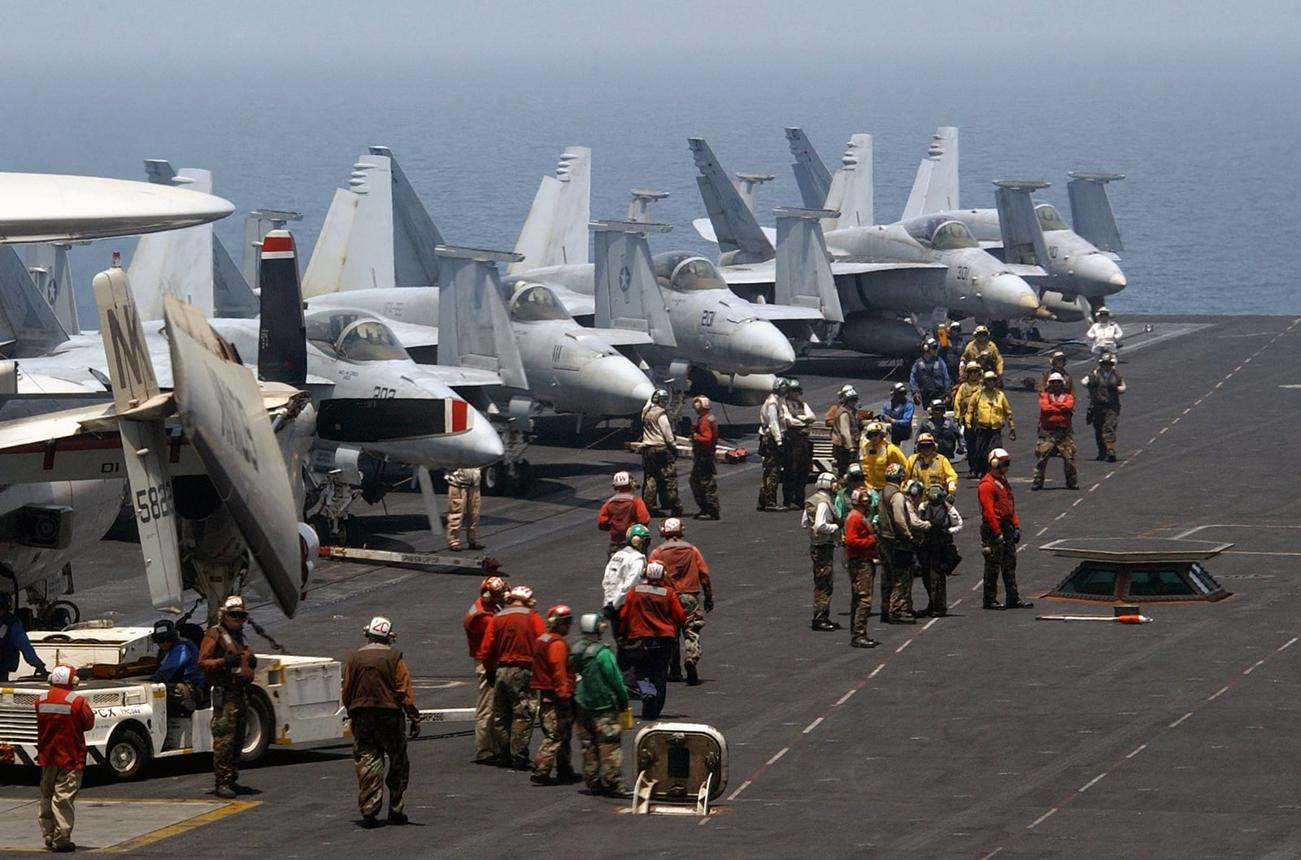
One of the most consequential developments came during Trump's return flight from China.
In an interview with Reuters on November 19, Trump indicated that he would wait until after the beginning of 2027 to discuss the possibility of renewed major military strikes against Iran.
Asked about another offensive, he replied:
“Well, I'll talk to you about it after the beginning of the year.”
He also said:
“We've got time.”
al-monitor.com
In a separate interview with Axios, Trump similarly said he was not rushing to make a decision and would reassess the situation after the new year.
Axios
These remarks suggest a delay in deciding whether to resume major strikes.
They do not establish a permanent ceasefire, the withdrawal of American forces or an unconditional commitment to avoid military action.
Why Iran Was Missing From the Summit's Final Declaration
Iran was a major subject of international concern before the meeting.
The United States wants to prevent Iran from obtaining nuclear weapons, while China and Russia maintain important relationships with Tehran.
Trump raised Iran during his discussions, but the final four-point declaration contained no reference to the conflict.
Ukraine was also absent from the document.
According to Associated Press reporting, there was no evidence that Xi or Putin agreed to help Trump resolve either war.
AP News
The omission illustrates the difference between discussing a crisis and reaching an agreement on how to end it.
It also leaves several questions unanswered: whether Beijing or Moscow will increase diplomatic pressure on Tehran, whether Washington will pursue new negotiations and how long the current military standoff will continue.
Did Trump Secure a Nuclear Weapons Agreement?
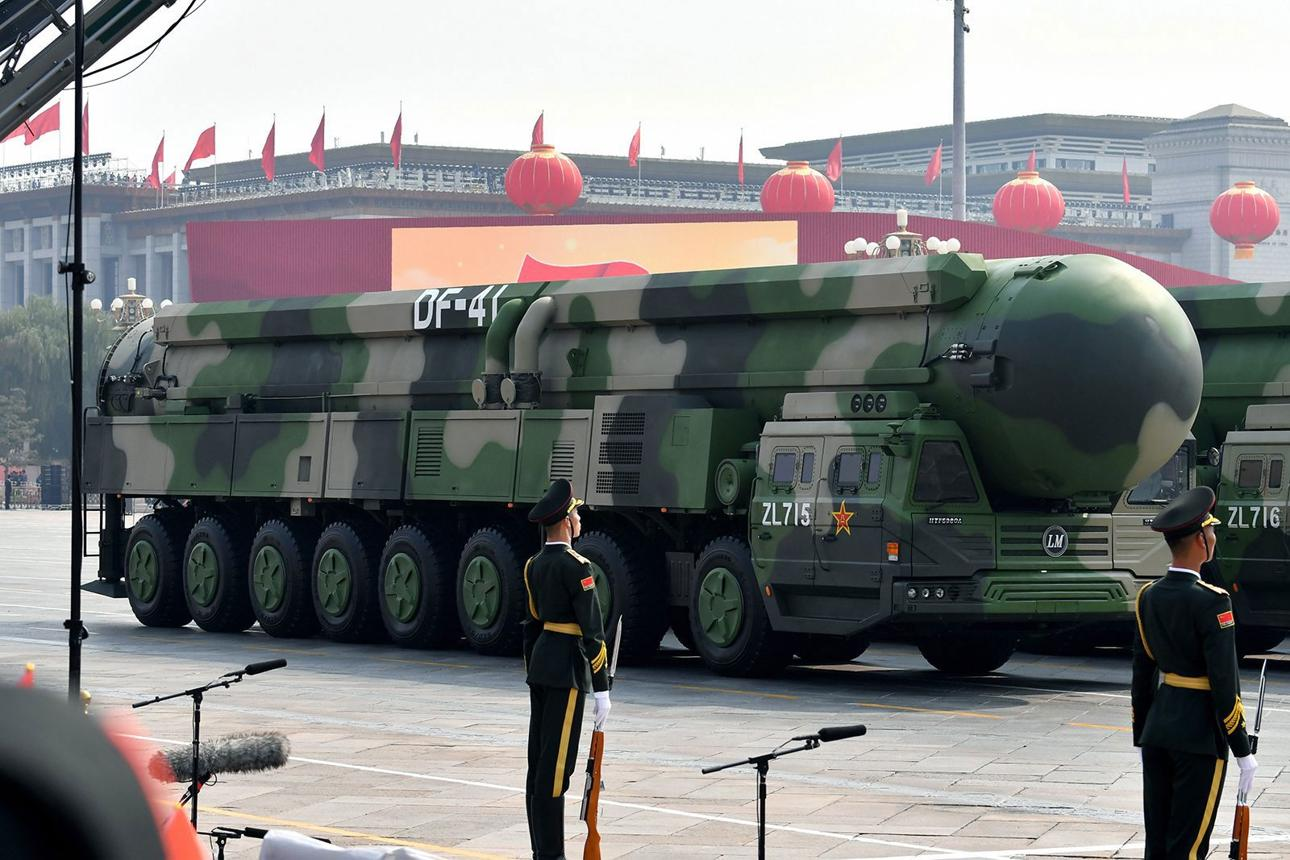
The three leaders agreed that nuclear war must never occur.
They also committed to dialogue aimed at reducing nuclear risks.
But the summit did not produce an agreement to reduce nuclear arsenals, establish inspection procedures or create binding weapons limits.
The issue is particularly important following the expiration of the U.S.-Russia New START treaty earlier in 2026.
Trump has expressed interest in a broader arrangement involving China, although the three countries have substantially different nuclear arsenals and strategic priorities.
Arms-control experts described the summit as a possible starting point for future discussions rather than a completed agreement.
AP News
The declaration creates an opening for diplomacy, but it does not yet impose new nuclear weapons restrictions.
Could the Summit Help Lower American Gasoline Prices?
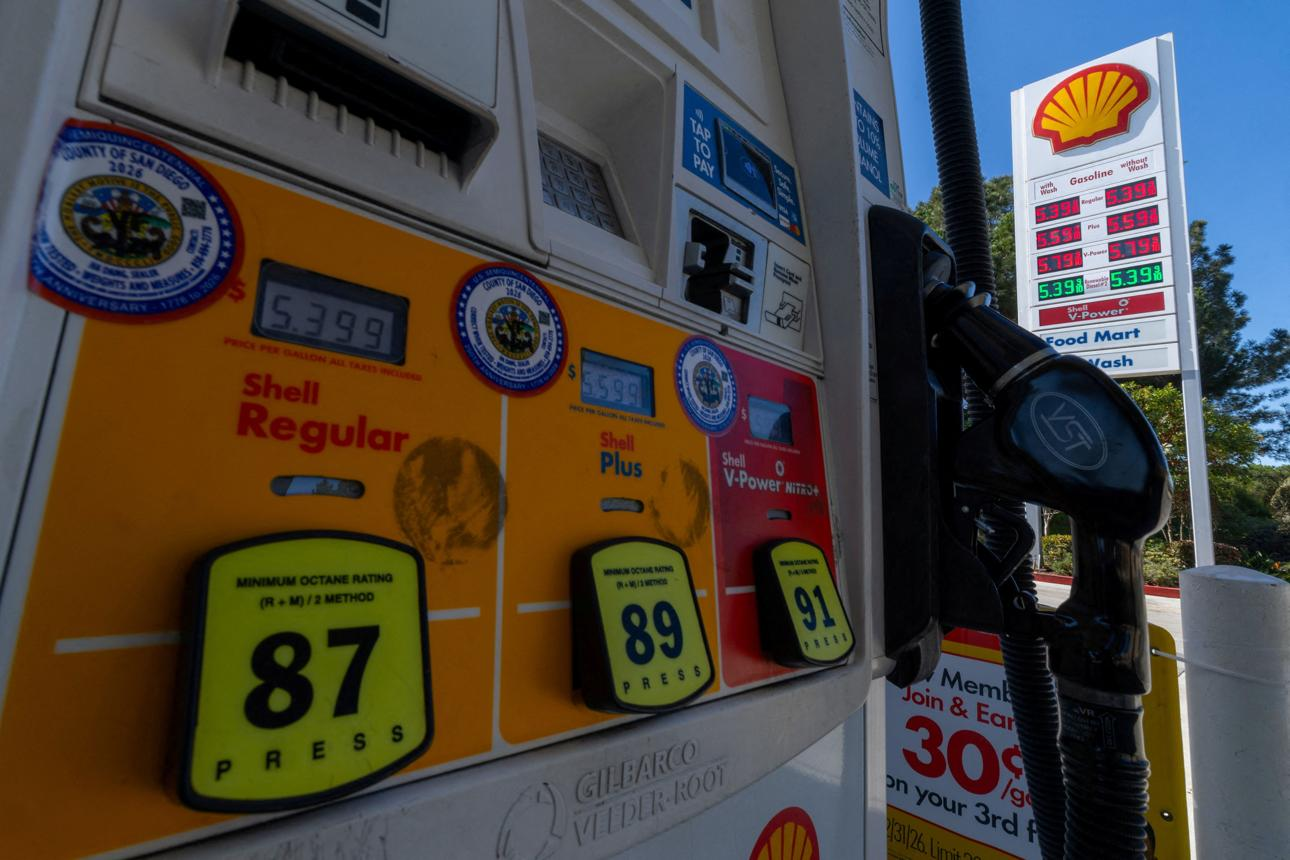
One of the summit's four commitments concerned increasing supplies of refined petroleum products.
This issue directly affects American households because gasoline, diesel and other fuels influence transportation costs and broader consumer prices.
If major energy producers increase available supplies while demand remains stable, the additional production could help moderate some fuel prices.
However, the declaration contained no binding production targets, delivery schedules or specific commitments that would guarantee lower gasoline prices.
Disruptions related to the Iran conflict, including threats to shipping near the Strait of Hormuz, remain another important variable.
For consumers, the practical consequences will depend on whether governments and energy companies translate the declaration into measurable supply increases.
Ukraine: Putin Discusses Peace, but No Settlement Emerges

Ukraine was another major issue surrounding the summit.
According to the Associated Press, U.S. envoy Steve Witkoff said Trump discussed a peaceful end to the war with Putin and Xi.
Jared Kushner subsequently indicated that Russia might be comfortable with security guarantees for Ukraine resembling those provided by NATO.
However, those remarks did not constitute a signed peace agreement or an independently confirmed commitment by Moscow.
The summit's final declaration did not address the Ukraine conflict.
AP News
Significant disagreements over territory, security arrangements and the terms of any settlement remain unresolved.
What Did America Gain From the China Summit?
The immediate results can be separated from the issues that remain open.
|
Issue |
Outcome as of November 20
U.S.–China–Russia relations
First three-way summit and joint declaration
Nuclear weapons
Commitment to dialogue; no binding reductions
Global energy
Broad pledge to increase refined petroleum supplies
Iran
Discussed, but no peace agreement; Trump delays new strike decision
Ukraine
Discussed, but no settlement
United Nations
General commitment to reform
International Criminal Court
Shared criticism of perceived jurisdictional overreach
The White House+2
The meeting created diplomatic channels and produced a public statement of shared principles.
Whether those principles lead to concrete changes remains uncertain.
Why Trump's Iran Delay Matters to American Families

The Iran conflict has implications for U.S. military spending, energy prices, international shipping and American service members stationed overseas.
A decision to avoid another major offensive could reduce the immediate risk of further escalation.
But postponing a decision does not automatically resolve the conflict or eliminate the costs of maintaining military forces in the region.
Renewed hostilities could create additional risks for oil infrastructure and international trade.
For households, the most immediate economic effects would likely come through energy costs, transportation expenses and broader financial uncertainty.
The scale of any impact would depend on what actually happens, rather than on the president's statements alone.
What Happens Next at the White House?
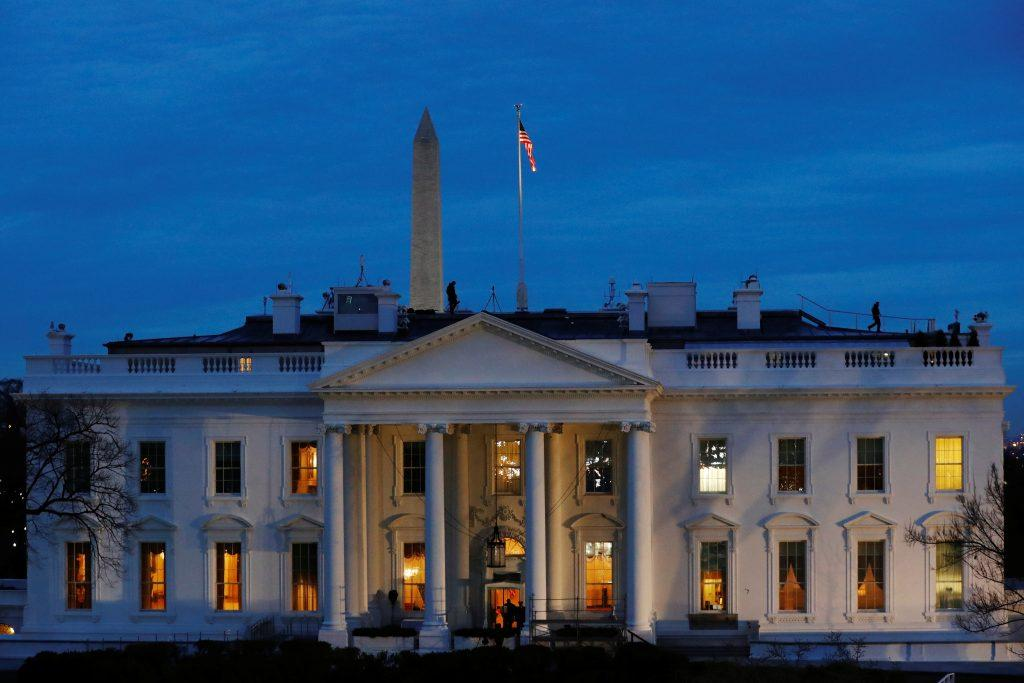
Trump's planned November 20 news conference could clarify the administration's next steps.
Several developments will be important to watch:
-
Whether the White House announces concrete follow-up negotiations with China and Russia.
Whether the three countries establish a formal process for nuclear-risk talks.
Whether new energy-production commitments emerge.
Whether Trump provides additional details about his approach to Iran after January 1, 2027.
Whether U.S. diplomacy produces progress on Ukraine.
At present, there is no confirmed major agreement on Iran or Ukraine arising from the Shenzhen summit.
A Historic Summit — But the Most Important Decisions Are Still Ahead
Trump has concluded an unprecedented summit with Xi Jinping and Vladimir Putin.
The three leaders issued a declaration covering nuclear risks, global energy, international institutions and the United Nations.
Yet their discussions left some of the world's most consequential conflicts unresolved.
Meanwhile, Trump has indicated that he is willing to wait until 2027 before deciding whether to resume major strikes against Iran.
The summit was historic because of who attended. Its lasting significance will depend on whether the three governments turn their declarations into concrete agreements.
Will Trump's next White House announcement reveal meaningful diplomatic progress?
Could Washington, Beijing and Moscow find common ground on Iran and Ukraine — or will their differences continue to limit cooperation?
AMERICA, WHAT DO YOU THINK? SHARE YOUR OPINION IN THE COMMENTS BELOW!
Comments (0)
Loading comments...
May You Like

FIVE-STAR LUXURY RESORT FOR SENIORS — UPSCALE RETIREMENT LIVING WITHOUT THE PRICE TAG?

WARNING: OVER 1 MILLION COULD LOSE POWER AND NEARLY 2 MILLION FACE WATER ALERTS ON THANKSGIVING!

IOWA ENVIRONMENTAL DISASTER: 5-TON WASTE BLAST DISPLACES 3,000 FAMILIES!









Popular Posts



