
TRUMP RETURNS WITH $17 BILLION IN TRADE DEALS — WILL AMERICAN WORKERS BENEFIT?
TRUMP RETURNS FROM ASIA WITH $17 BILLION IN DEALS — BOEING JETS, AI PARTNERSHIPS AND PUTIN TALKS! BUT WILL AMERICAN WORKERS REALLY BENEFIT?
WASHINGTON, D.C. — NOVEMBER 21, 2026
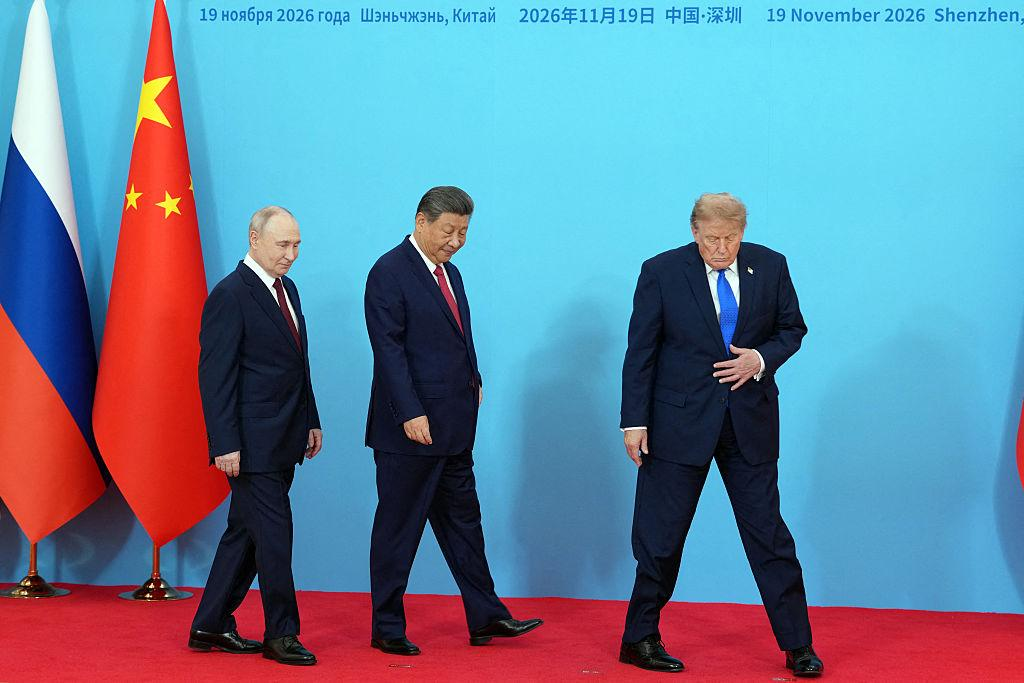
President Donald Trump has returned to Washington celebrating more than $17 billion in commercial agreements and strategic investments across Southeast Asia. From a massive Boeing aircraft order to defense contracts and artificial-intelligence partnerships, the White House says the trip could support tens of thousands of American jobs.
But behind the impressive numbers lies a more complicated question: How many of these deals are finalized, how many remain promises, and when will American families actually see the benefits?
At a White House news conference on November 20, Trump described his four-day Asia trip as one of the most successful presidential visits to the region in American history.
He said he had met more than 20 world leaders, secured two new trade deals and expected approximately 10 more agreements to follow.
The president also highlighted his meetings with Chinese President Xi Jinping and Russian President Vladimir Putin, presenting the trip as both an economic and diplomatic victory.
CBS News+1
Yet independent reporting indicates that some agreements remain under negotiation, while earlier trade promises have struggled to translate into actual American exports.
The $17 Billion Announcement: What Did Trump Bring Home?
According to the White House, the administration announced more than $17 billion in commercial deals and strategic investments for American companies during Trump's visit to the Philippines for the ASEAN summit.
The package includes aircraft, defense equipment, energy, technology infrastructure and advanced computing.
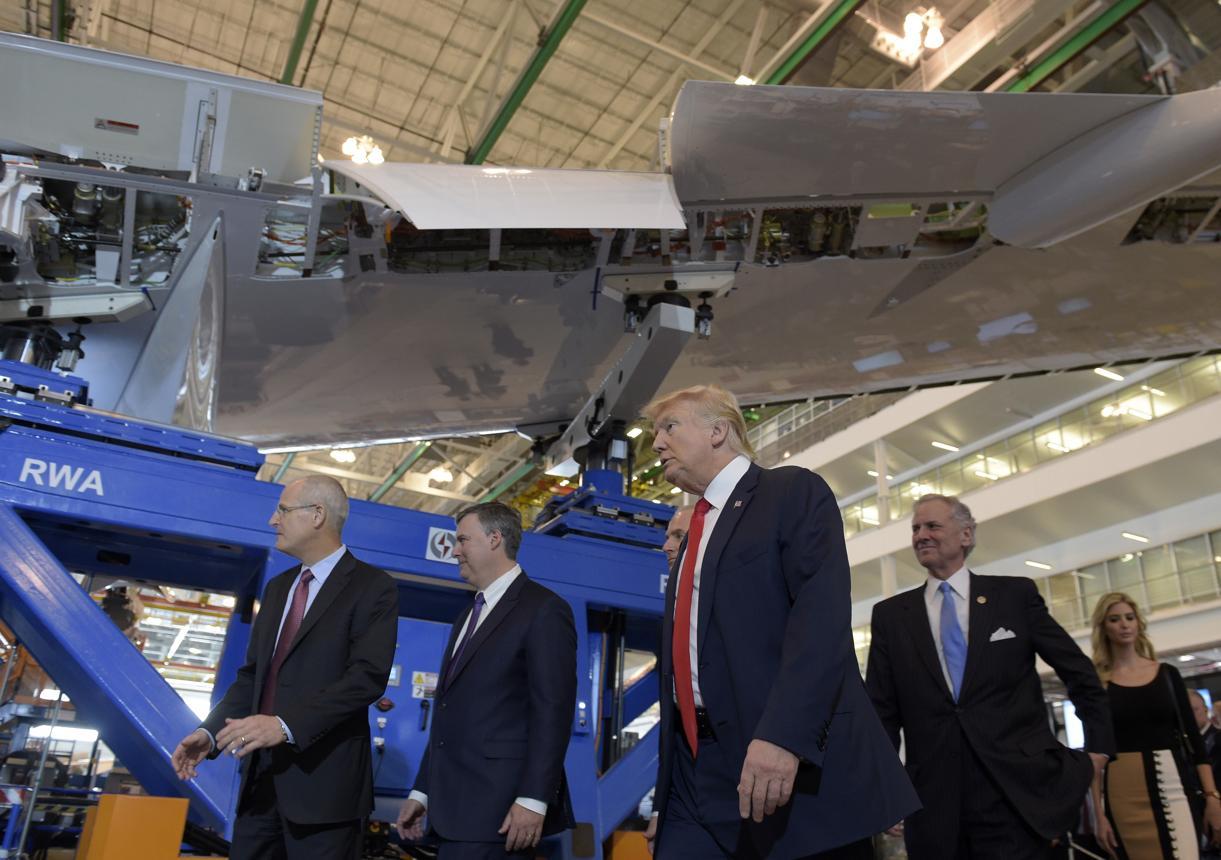
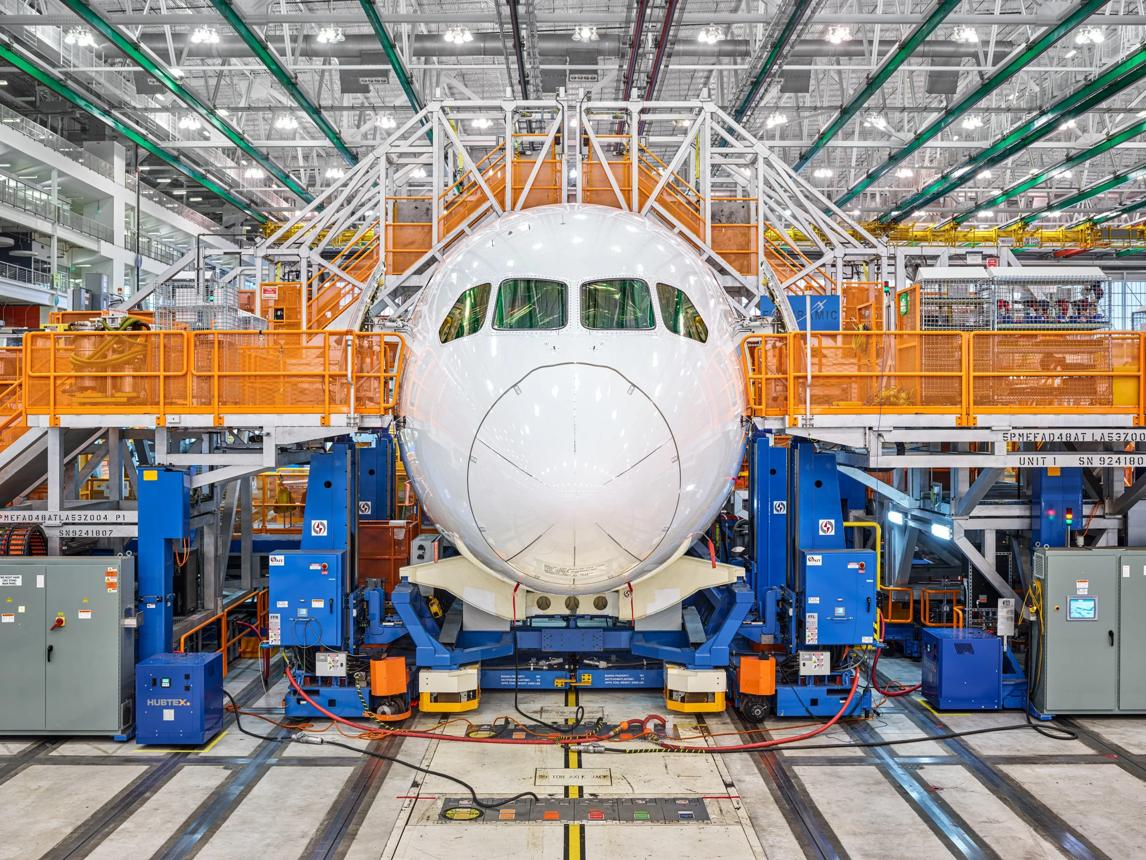
The largest individual agreement involves Boeing and GE Aerospace, which the administration says finalized a $12 billion sale of up to 20 Boeing 787 Dreamliners to Philippine Airlines.
The White House+1
Here are several of the major announced commitments.
|
Agreement or project |
Announced value
Status
Boeing and GE Aerospace aircraft sale to Philippine Airlines
$12 billion
Announced as finalized
U.S. financing for Philippine defense purchases
More than $2 billion
To be pursued
Indonesia coal project using U.S. technology
$2 billion
Negotiations
Brunei data center development
Nearly $1 billion
Intended contract
Thailand HIMARS purchase
Up to $123 million
Proposed
U.S. coal supply agreement with Malaysia
$100 million
Signed
Selected announcements from the White House and Reuters. These figures should not be summed as a verified total of completed sales: the announcements mix contracts, proposals, financing and investments, and some may overlap with broader package totals.
The White House+1
The package represents potential business for American companies, but the value of an announcement is not necessarily the same as money already received.
Boeing's $12 Billion Deal: A Major Win for American Manufacturing?
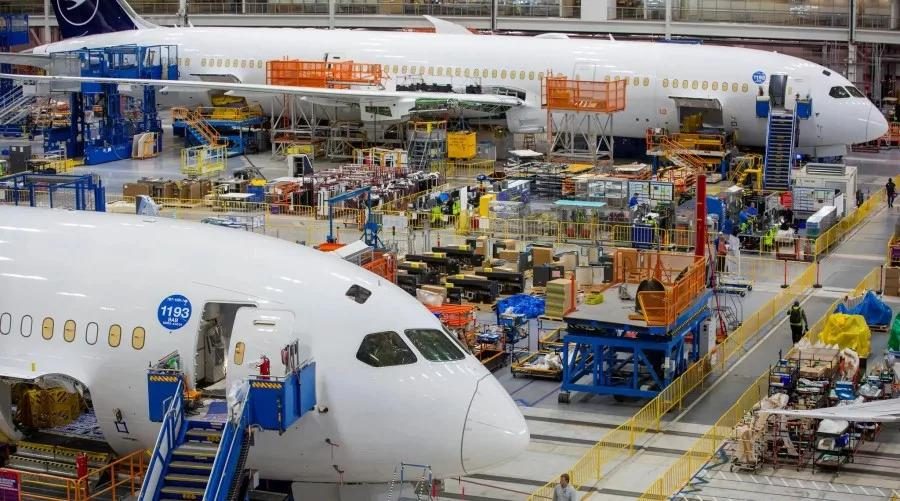
The aircraft agreement is the centerpiece of Trump's economic message.
The White House says the Boeing and GE Aerospace transaction could support 47,000 American jobs.
Boeing aircraft production involves a broad network of engineers, technicians, manufacturers, suppliers and service providers.
A large international order can support demand throughout that network.
But the administration's job figure should be interpreted carefully.
It is a government estimate of employment supported by the agreement, not evidence that 47,000 new workers have already been hired.
Aircraft orders also generate economic activity over multiple years as production, delivery and maintenance take place.
For workers, the real impact will depend on production schedules, supplier contracts and whether the aircraft are delivered as planned.
The White House
Thailand's Trade Agreement: New Opportunities for American Farmers?
Trump also celebrated progress toward a trade agreement with Thailand.
According to the White House, the proposed agreement would eliminate tariffs on 99% of American goods and reduce other barriers affecting vehicles, medical devices, pharmaceuticals, ethanol and poultry.
Trump said Thailand wanted to purchase approximately $2.6 billion annually in American agricultural products.
The White House+1
For American farmers, expanded access to overseas markets could mean more customers and stronger demand.
But Reuters reported that formal negotiations were still continuing despite Trump's description of the deal as a major achievement.
Investing.com
The difference matters. A proposed agreement may create future opportunities, but farmers cannot count on additional revenue until buyers actually place orders and shipments take place.
AI Partnerships: Could American Technology Dominate Southeast Asia?
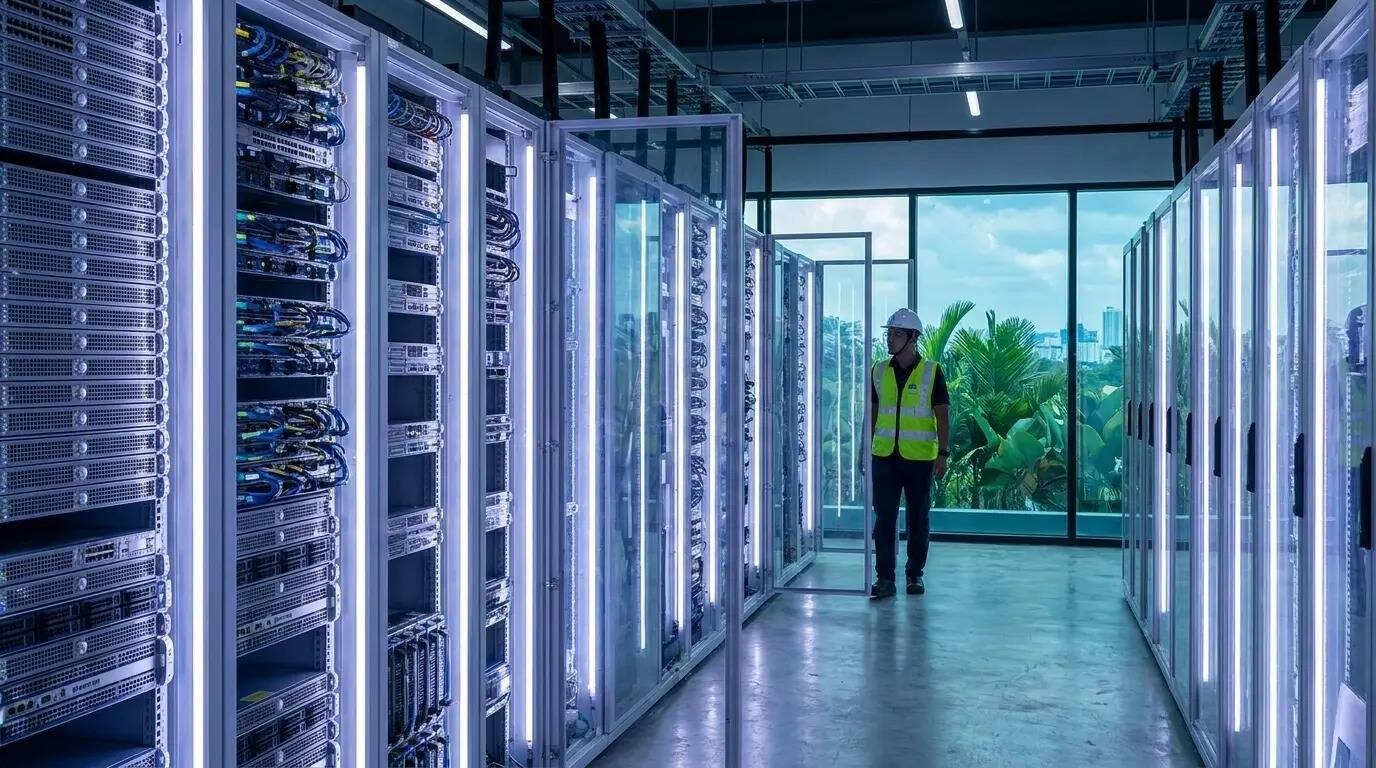
Artificial intelligence was another major focus of the trip.
The administration announced initiatives to expand American advanced-computing technology and cloud infrastructure across Southeast Asia.
In Malaysia, a U.S. consortium is expected to help develop sovereign computing infrastructure for the government.
In Brunei, Unified National Networks intends to award American company Vertiv a data center contract, with nearly $1 billion in spending expected to involve U.S. vendors.
The Philippines also announced defense-related cloud technology projects involving American suppliers.
Reuters+1
These projects could benefit American hardware manufacturers, engineering companies, software providers and data center equipment suppliers.
But the economic benefits depend on which companies receive final contracts, where equipment is manufactured and how much of the spending reaches U.S.-based workers.
A technology partnership overseas does not automatically translate into an equivalent amount of domestic investment.
Trump's Meetings With Putin and Xi: A Diplomatic Breakthrough?
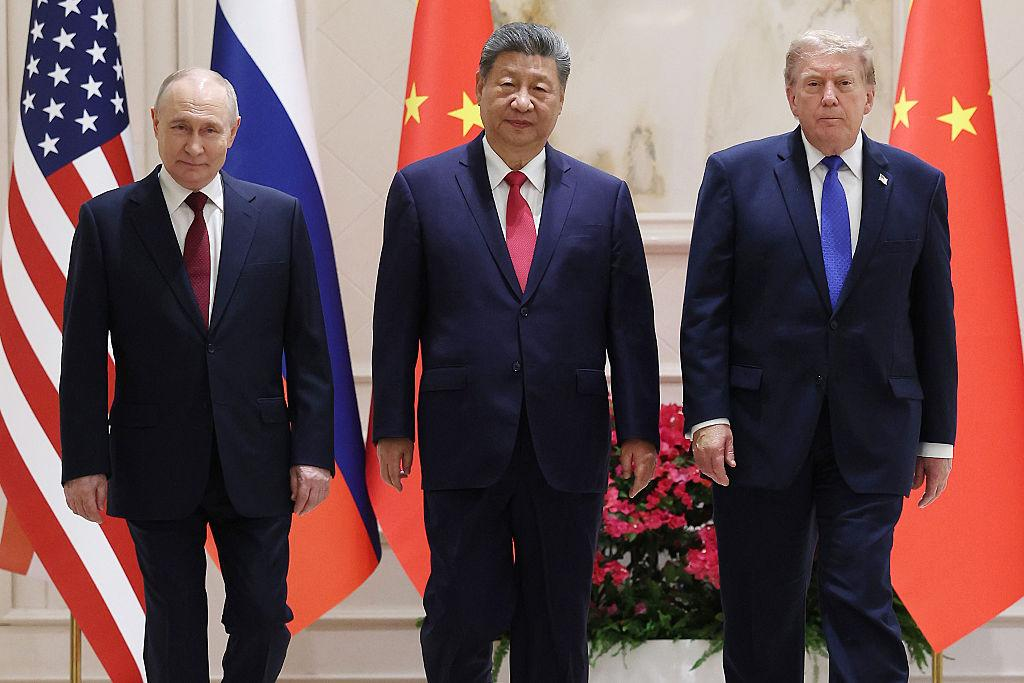
Trump's visit was not limited to economic announcements.
In Shenzhen, he met separately with Putin and Xi before participating in a trilateral gathering involving all three leaders.
The discussions included nuclear security, international tensions, trade and the possibility of diplomatic progress on Russia's war in Ukraine.
At his November 20 press conference, Trump said Putin had expressed a desire to end the war through diplomacy.
Trump also said the leaders had discussed reducing nuclear risks and preventing Iran from obtaining nuclear weapons.
The White House+1
Those discussions were diplomatically significant, but they did not amount to a confirmed peace agreement or a finalized nuclear-arms reduction treaty.
Reuters noted that the summit produced substantial political spectacle, while important details of some promised breakthroughs remained unresolved.
For American families, the eventual value of these talks will depend on whether they produce measurable improvements in international stability, security or trade.
The Warning Sign: Earlier Trade Promises Have Fallen Short
There is a major reason to be cautious about the latest announcements.
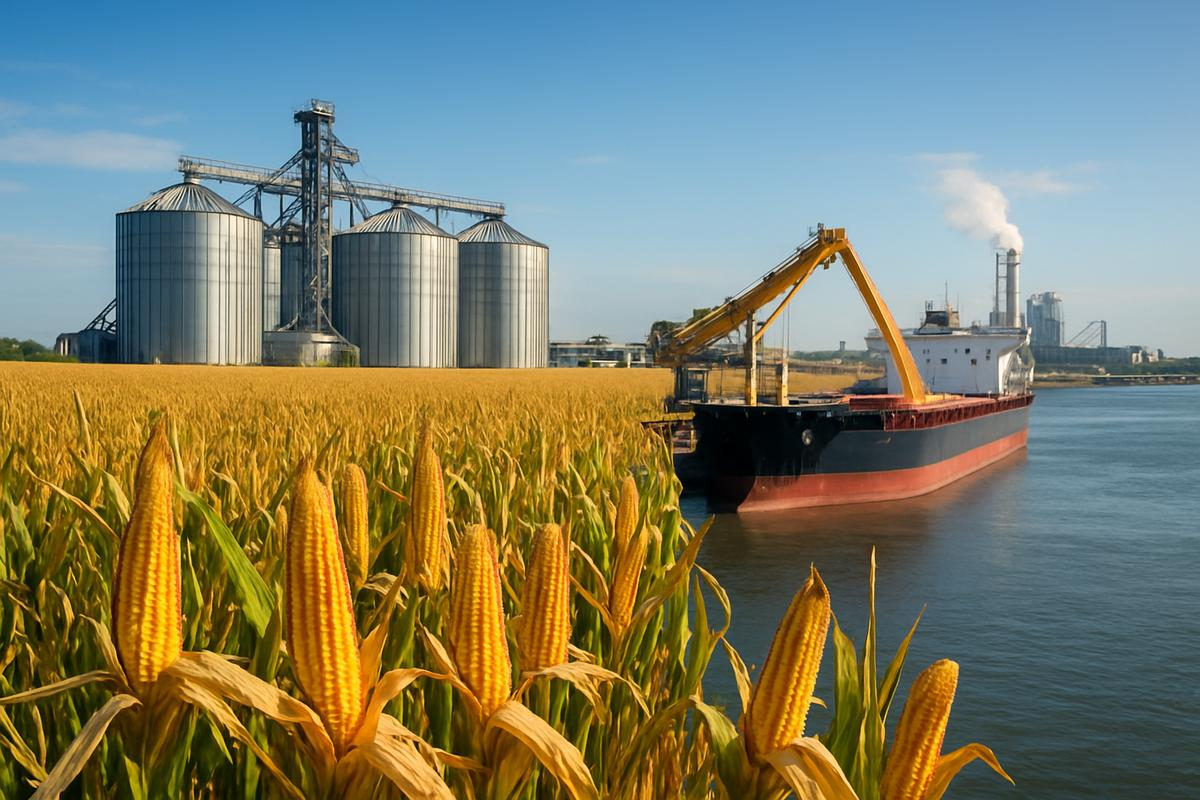
On November 20, Reuters published an analysis of 10 previous U.S. trade agreements and found that many had failed to deliver the agricultural export gains originally promised.
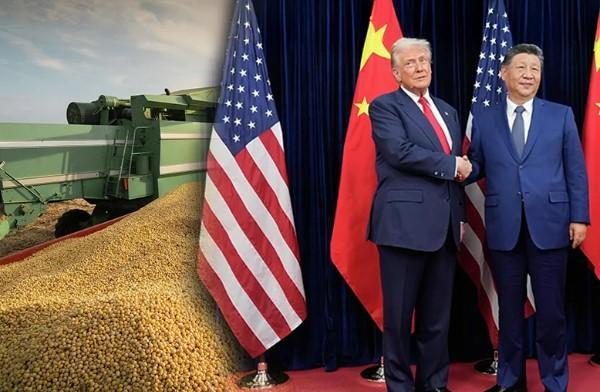
China, for example, appeared on track to purchase 25 million metric tons of American soybeans in 2026. But purchases remained below levels recorded before the tariff escalation of 2025.
Reuters also found that American exports of other agricultural products to China were far below a previously announced $17 billion annual purchasing target.
Other agreements showed similar gaps between commitments and actual shipments.
Reuters
What Reuters found in earlier trade agreements
|
Indonesia |
Only 54% of its annual U.S. soybean purchase commitment had shipped by September.
Malaysia
No U.S. poultry or sorghum shipments were recorded through September despite earlier market-access promises.
China
Non-soy agricultural purchases remained far below the announced target.
These are findings about earlier agreements, not evidence that the new November deals have already failed.
Reuters
This record does not prove that Trump's new agreements will fail.
It does show why announced trade values should be judged against completed transactions, export data and actual employment outcomes.
Will the Deals Lower Prices for American Families?
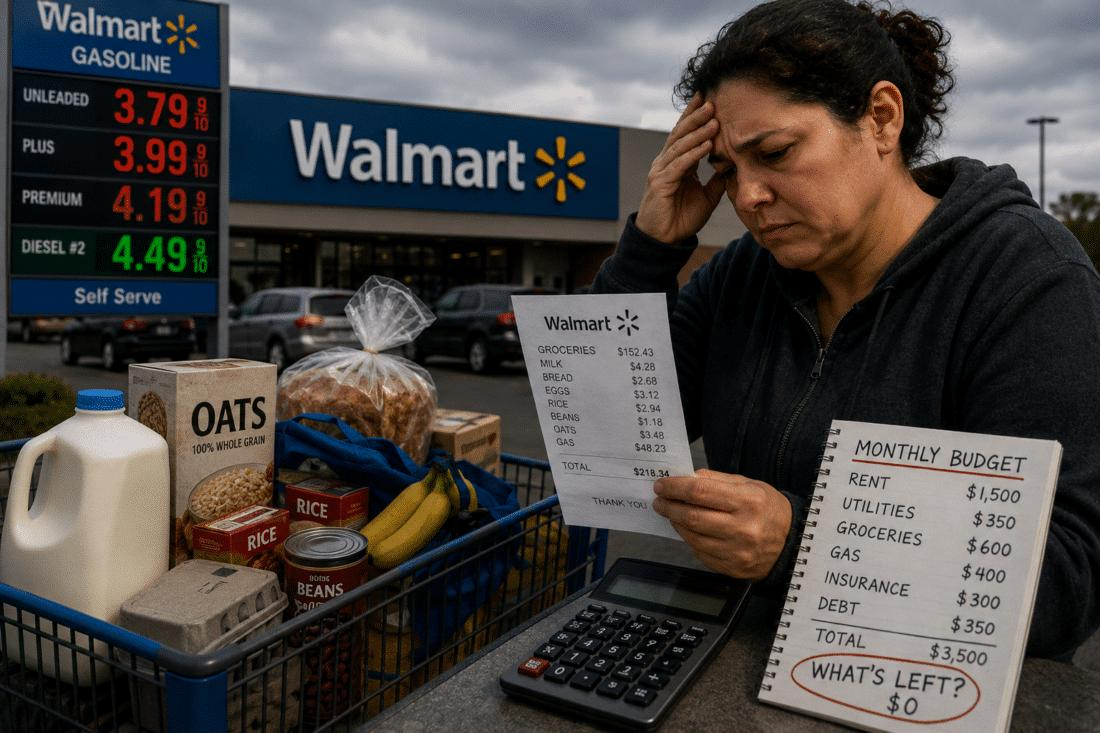
The administration argues that stronger international trade relationships will benefit American workers and consumers.
Successful exports can support production, wages and employment in industries such as aerospace, agriculture and advanced technology.
But the benefits may be uneven.
A Boeing contract primarily supports aerospace manufacturing and its supply chain. An agricultural agreement may help farmers and food exporters. An AI infrastructure contract may create opportunities for technology companies.
None of those agreements guarantees an immediate reduction in grocery bills, rent, health insurance or gasoline prices.
There are also costs to consider. Export financing and security assistance may involve public resources, while tariff policies can influence prices paid by American businesses and consumers.
The important question is whether the agreements generate net economic benefits after their costs and implementation challenges are taken into account.
How Will Americans Know Whether the Trip Was Successful?
The strongest evidence will come from what happens after the announcements.
For the Boeing agreement, that means confirmed production activity, aircraft deliveries and employment supported across the supply chain.
For agriculture, it means actual export shipments and payments received by American producers.
For AI, it means signed contracts, equipment orders and measurable business activity.
For diplomacy, it means agreements implemented and tensions reduced—not simply successful meetings or favorable public statements.
These outcomes may take months or years to evaluate.
That is why it is too early to declare that the entire $17 billion package has already delivered its promised economic benefits.
A $17 Billion Victory — or a $17 Billion Test?
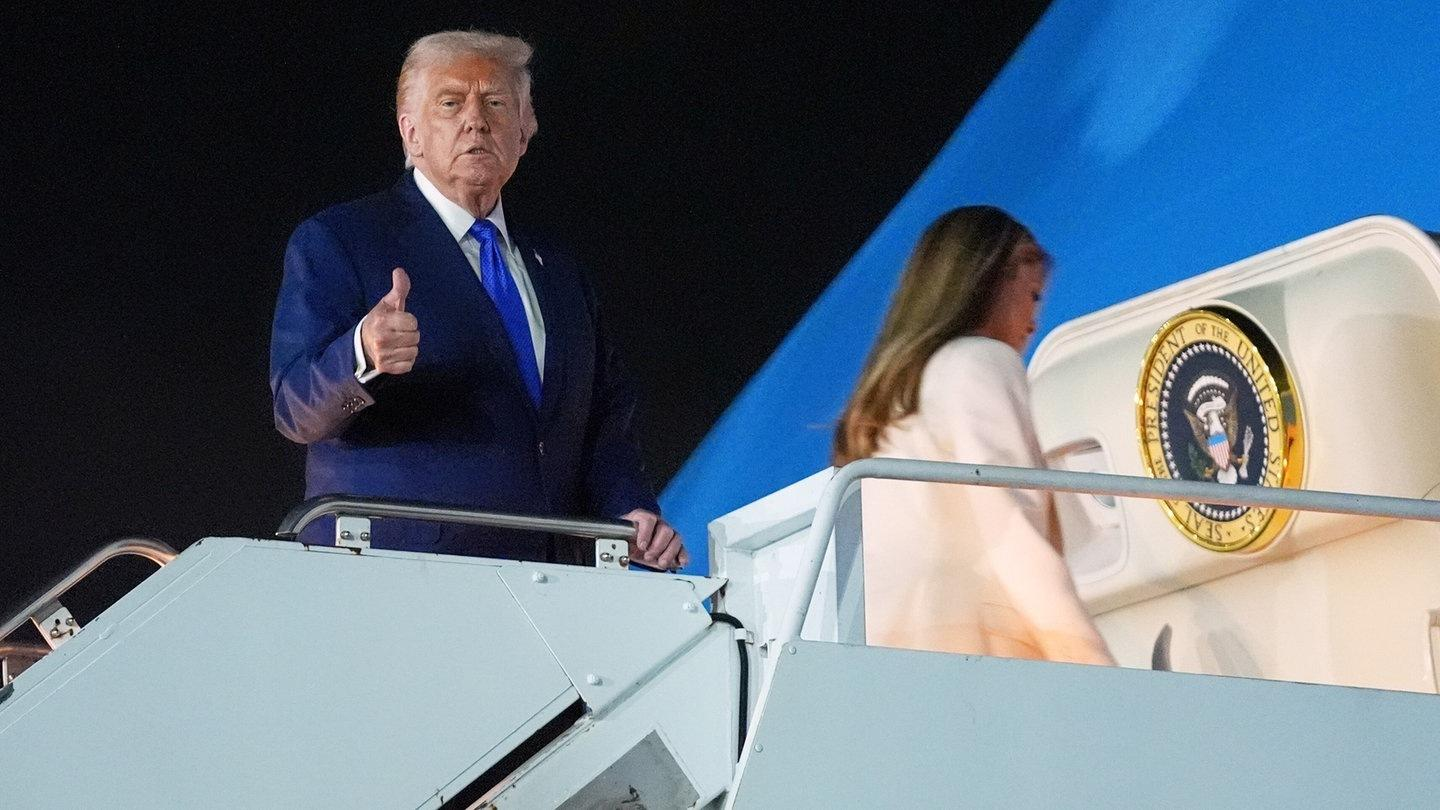
Trump returned from Asia with a substantial package of announced commercial deals, strategic investments and diplomatic commitments.
The Boeing agreement stands out as a potentially significant opportunity for American manufacturing.
Proposed agricultural access, defense sales and AI partnerships could create additional business for U.S. companies.
His meetings with Xi and Putin also opened discussions on major international security issues.
But the announcements combine finalized transactions with proposals, negotiations and future commitments. Previous trade agreements have not always delivered the export gains promised by the White House.
The $17 billion figure is a measure of announced business opportunities—not proof that $17 billion has already flowed into the American economy.
The ultimate verdict will depend on contracts fulfilled, products delivered, jobs supported and income earned by American workers.
Trump has declared the trip a success. Now the challenge is turning those promises into results.
Should Americans celebrate the agreements as an important economic achievement?
Or should the White House be judged only after the promised jobs, exports and investments actually materialize?
AMERICA, WHAT DO YOU THINK? SHARE YOUR OPINION IN THE COMMENTS BELOW!
Comments (0)
Loading comments...
May You Like

PENTAGON'S DECLASSIFIED UFO FILES — THE MYSTERY OF AN UNDERGROUND STORAGE PROJECT!

CARIBBEAN PRINCESS: 5,000+ ABOARD, UNKNOWN VIRUS—CHINESE PASSENGER IS FIRST KNOWN CASE!

ELON MUSK'S MILLION-SATELLITE MEGAPROJECT — THE NEXT FRONTIER OF AMERICAN SPACE POWER?













