
Trump Reveals His Surprising Supreme Court Favorite — Then Jokes Democrats Would Vote for Him Just to Get Rid of Him
President Donald Trump has reignited speculation about the future of the U.S. Supreme Court after publicly floating Republican Senator Ted Cruz as a potential nominee, delivering a series of jokes about why the controversial Texas lawmaker might receive overwhelming support from both political parties.
The unexpected remarks came during a Republican campaign rally in Lubbock, Texas, on October 27, as Trump worked to energize conservative voters ahead of the November 3 midterm elections. What began as praise for Cruz's legal credentials quickly turned into a humorous attack on the senator's popularity among his colleagues.
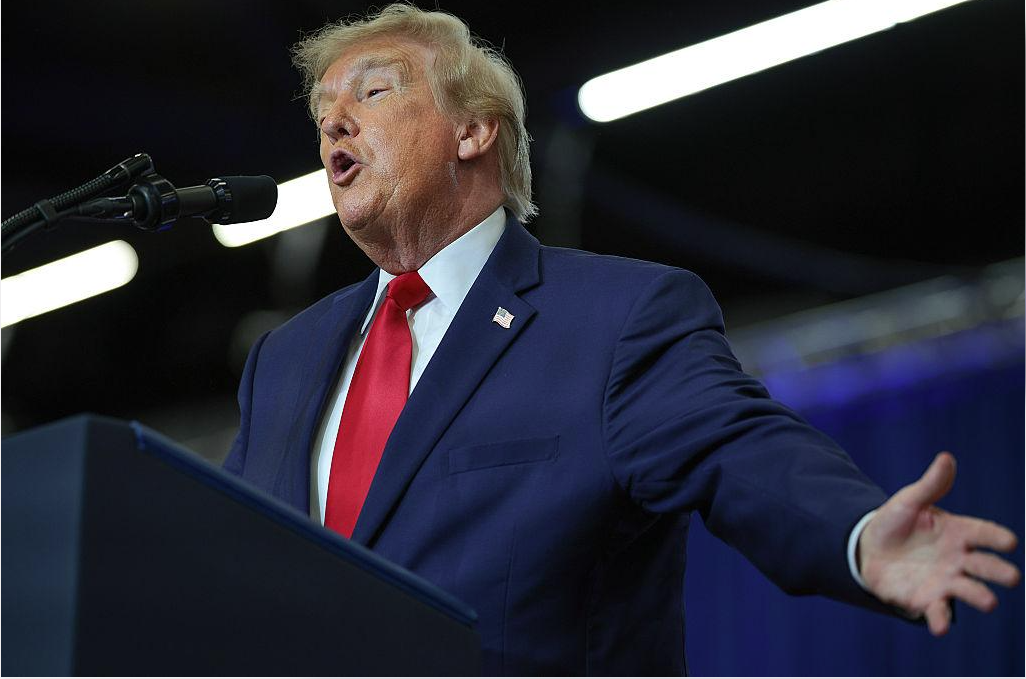
Trump suggested that Cruz could be the rare Supreme Court nominee capable of winning unanimous Senate confirmation. But his explanation was hardly conventional: he joked that Democrats and Republicans would both welcome the opportunity to remove Cruz from the Senate.
The president said Democrats would support the nomination because they dislike Cruz and want him out of Congress. He then extended the joke to Republicans, suggesting that members of his own party would be equally eager to see the Texas senator leave the chamber.
The remarks drew laughter from the audience, while Cruz, who was present at the event, appeared amused by the president's comments. Despite the teasing, Trump also described Cruz as an exceptionally talented lawyer with strong academic and professional credentials.
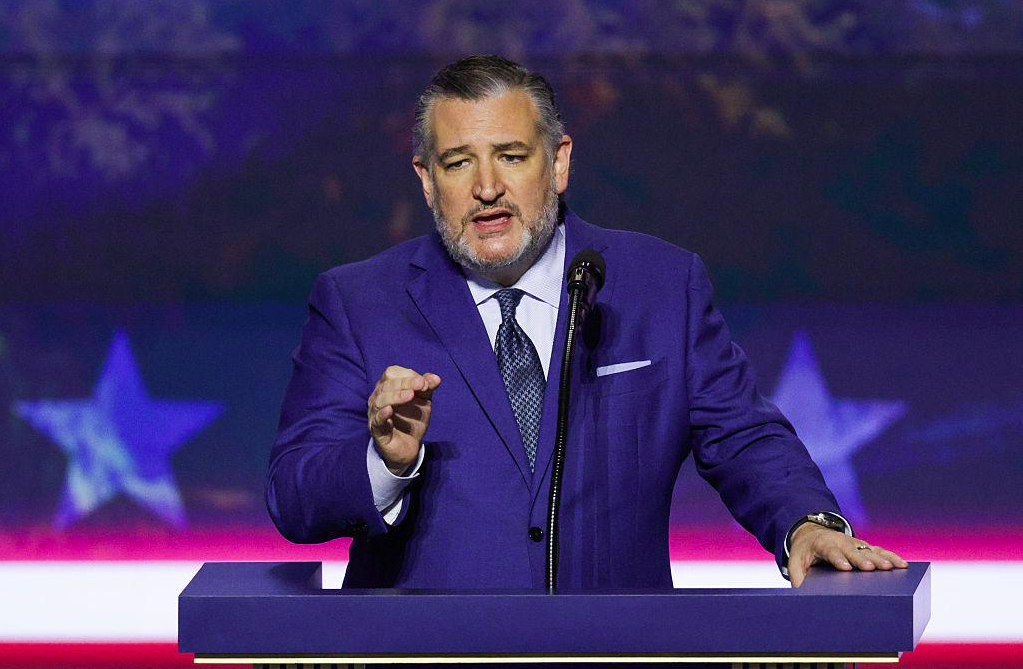
The exchange was particularly notable because Trump has previously considered Cruz for the nation's highest court. Earlier in 2026, the president raised the possibility of nominating him during an appearance in Corpus Christi, Texas, making the latest comments part of a recurring discussion rather than an entirely new proposal.
Cruz, however, has repeatedly expressed reservations about accepting a lifetime judicial appointment. In an interview earlier this year, he revealed that Trump had seriously discussed Supreme Court opportunities with him during the president's first term, but he declined because he preferred remaining actively involved in political battles.
That reluctance presents an important obstacle to any future nomination. While Cruz possesses a distinguished legal background, including a degree from Harvard Law School and previous service as Texas solicitor general, he has built much of his career around legislative politics and ideological advocacy.
Trump's remarks also revived memories of the fierce rivalry between the two Republicans during the 2016 presidential primary. At the time, Trump frequently criticized Cruz and famously labeled him "Lyin' Ted," while Cruz challenged Trump's temperament and suitability for the presidency.
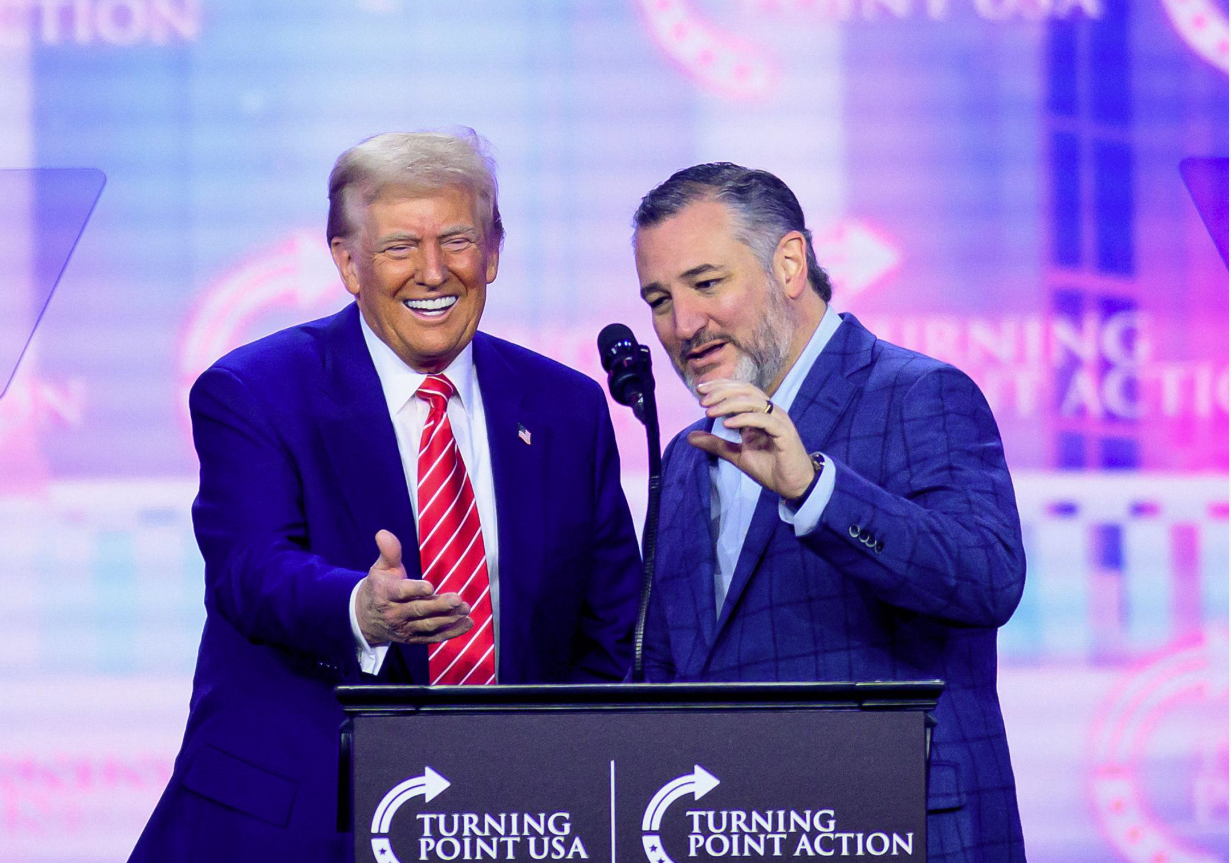
Their relationship has changed significantly since that bitter campaign. Cruz eventually became a prominent supporter of Trump's political agenda, frequently defending conservative priorities and working with Republican colleagues on major legislative and judicial issues.
The possibility of Cruz joining the Supreme Court carries significant political implications because the president has already reshaped the judiciary through three appointments during his first term: Neil Gorsuch, Brett Kavanaugh and Amy Coney Barrett.
Those appointments helped establish a six-to-three conservative majority on the court, influencing major decisions involving abortion rights, federal regulatory authority, presidential powers and other constitutional questions.
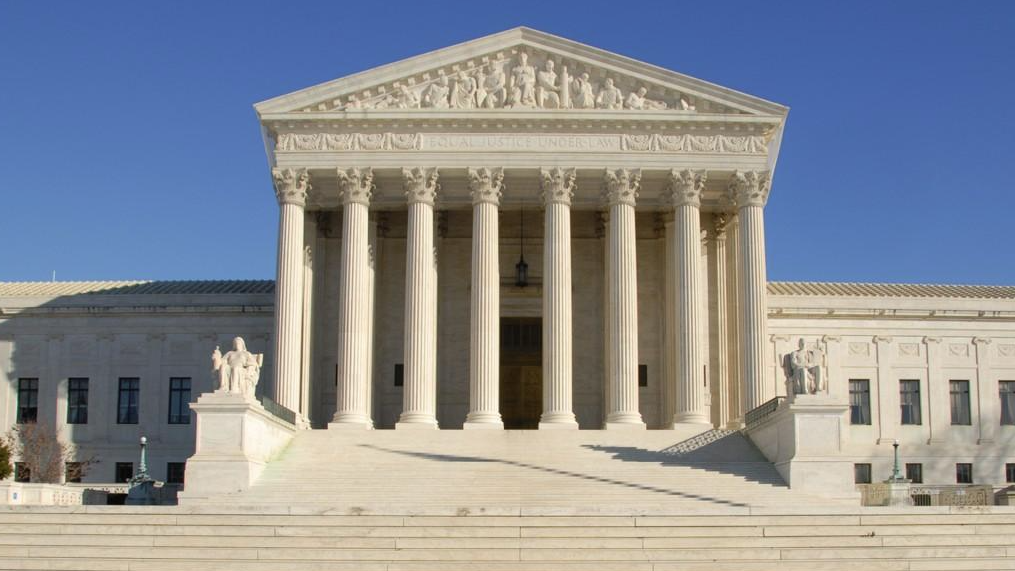
Despite Trump's comments, there is currently no confirmed vacancy on the Supreme Court. His remarks concerned a hypothetical future opening, and the White House has not announced a formal nomination of Cruz.
Speculation has nevertheless intensified around the possibility that one of the court's older conservative justices could retire. Justice Samuel Alito, who is in his seventies, has publicly discussed the possibility of retirement without committing to a departure date.
The timing of any vacancy could be especially consequential because the Senate has the constitutional responsibility to confirm Supreme Court nominees. Republicans currently control the chamber, but the November elections could alter the political balance.
Democratic leaders have signaled strong opposition to confirming additional nominees who closely align with Trump's political movement. A Democratic-controlled Senate could therefore create major obstacles for any future conservative Supreme Court candidate.
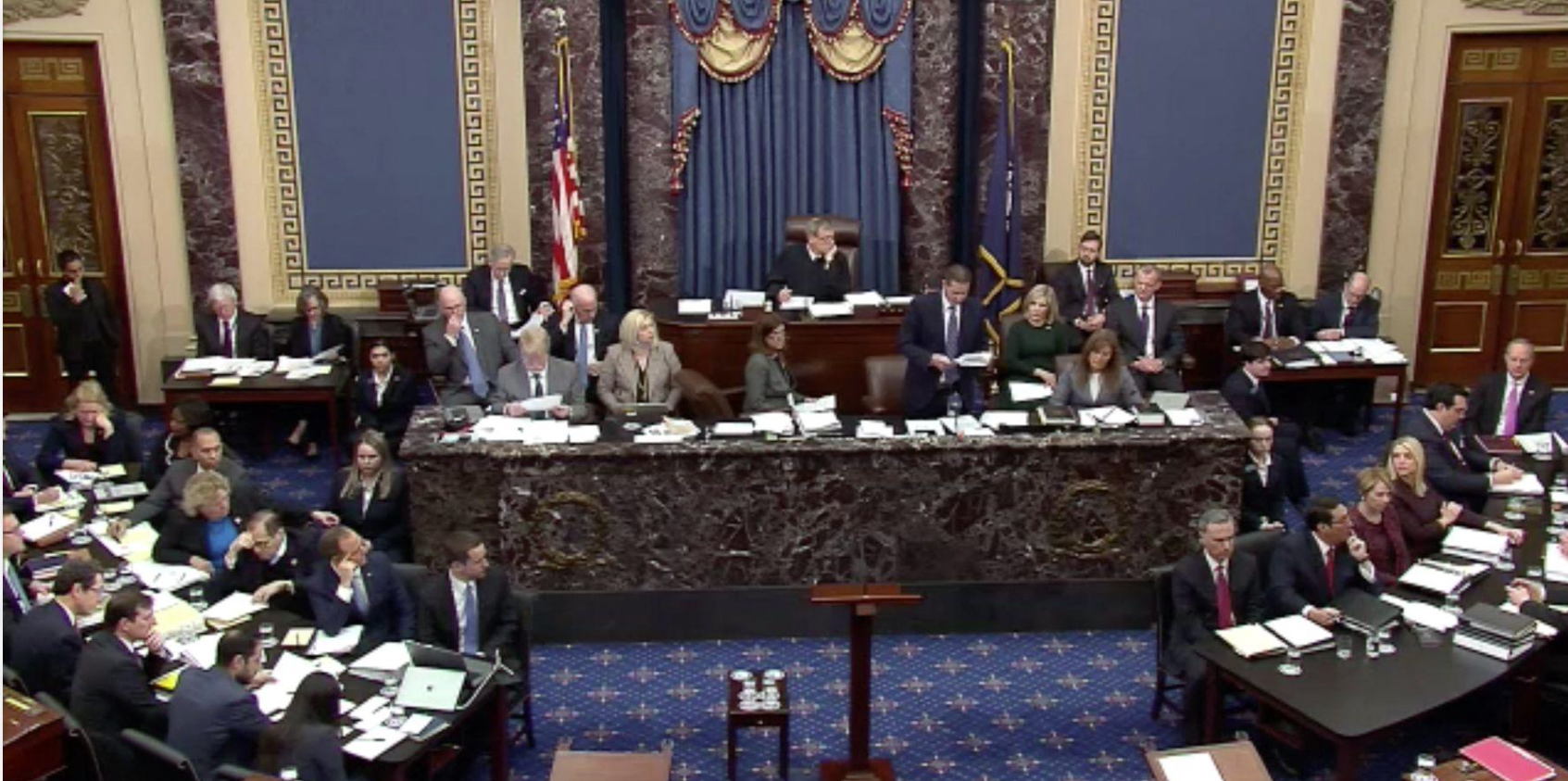
Trump's suggestion that Cruz would receive unanimous support was clearly framed as a joke rather than a realistic prediction. Supreme Court confirmations have become deeply partisan, and there is no evidence that Democrats would automatically support Cruz simply because they oppose his Senate career.
The remarks also underscore the complicated relationship between political popularity and judicial qualifications. Cruz's legal education and experience could make him a plausible candidate, but his outspoken political positions would likely face intense scrutiny during any confirmation process.
For Cruz, accepting a Supreme Court appointment would mean leaving electoral politics for a lifetime position that requires judicial independence. It would also place him in a role where his decisions could have consequences for American law long after the current administration ends.
The president's latest comments have therefore opened a broader conversation about the future of the conservative legal movement, the balance of power on the Supreme Court and the potential impact of the upcoming midterm elections.
Ultimately, Trump's remarks in Texas were both a political joke and a reminder of the extraordinary influence presidents exercise through Supreme Court appointments. Whether Ted Cruz ever becomes a serious nominee remains uncertain, but the possibility alone has placed the Texas senator at the center of another national political debate.
Comments (0)
Loading comments...
May You Like

BLACK FRIDAY TENSIONS IN NYC — DID PROTESTERS CROSS THE LINE AT A DISNEY STORE?

AMERICA'S TRADE DEFICIT SURGES — WHAT DOES IT MEAN FOR AMERICAN FAMILIES?

U.S. REPORTEDLY STRIKES OIL TANKER NEAR IRAN — COULD GAS PRICES SURGE?













