
TRUMP RIPS VANCE FROM IRAN TALKS AS GOP ALLIES DEMAND HIS ANSWER
WASHINGTON — NOV 21, 2026 — Vice President JD Vance faces renewed scrutiny over the administration’s Iran policy after months of diplomacy, military pressure and political debate within President Donald Trump’s Republican Party.
The questions come as Washington weighs how to prevent Iran from obtaining a nuclear weapon while seeking a durable end to a conflict that has reshaped the administration’s foreign policy.
Vance has been involved in diplomatic efforts and has appeared alongside Trump in public, but their different emphases have drawn attention as Republicans consider the war’s political consequences.

The United States and Israel launched strikes against Iran in February, beginning a conflict that has continued to shape security discussions and commercial shipping in the Middle East.
The administration says preventing Iran from acquiring a nuclear weapon is essential to American security, while Tehran has maintained that its nuclear program is intended for peaceful purposes.
Later negotiations sought a way to halt fighting, address maritime security in the Strait of Hormuz and create conditions for broader discussions over Iran’s nuclear activities.
Vance became involved in efforts to reach a new ceasefire and restart nuclear talks, working through indirect contacts as regional governments helped convey messages between Washington and Tehran.
Qatar has served as an important intermediary, and its prime minister met Trump and Vance in Washington in mid-November to discuss Iran, according to people familiar with the discussions.
The diplomatic effort has moved alongside American military pressure, leaving open the possibility of further action if negotiations fail to produce terms acceptable to the president.
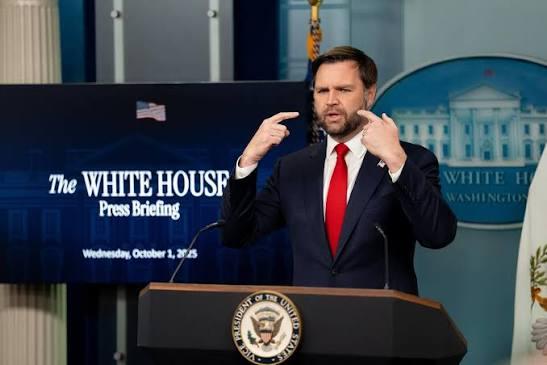
After Republicans lost control of both chambers of Congress in the November midterms, Vance publicly identified the Iran war as the principal reason for the party’s defeat.
That was his political assessment rather than a finding that the conflict alone determined millions of individual votes, and election outcomes generally reflect multiple issues and local circumstances.
Trump has also acknowledged the war’s political cost, but he has continued to argue that preventing an Iranian nuclear weapon justified the administration’s decision to use force.
On Nov 12, Trump directed Vance to focus his attention on an anti-fraud campaign, saying the United States did not need a deal with Iran at that point.
The instruction shifted Vance away from the talks he had helped lead, although his later meeting with Qatar’s prime minister shows that he was not absent from every Iran-related discussion.
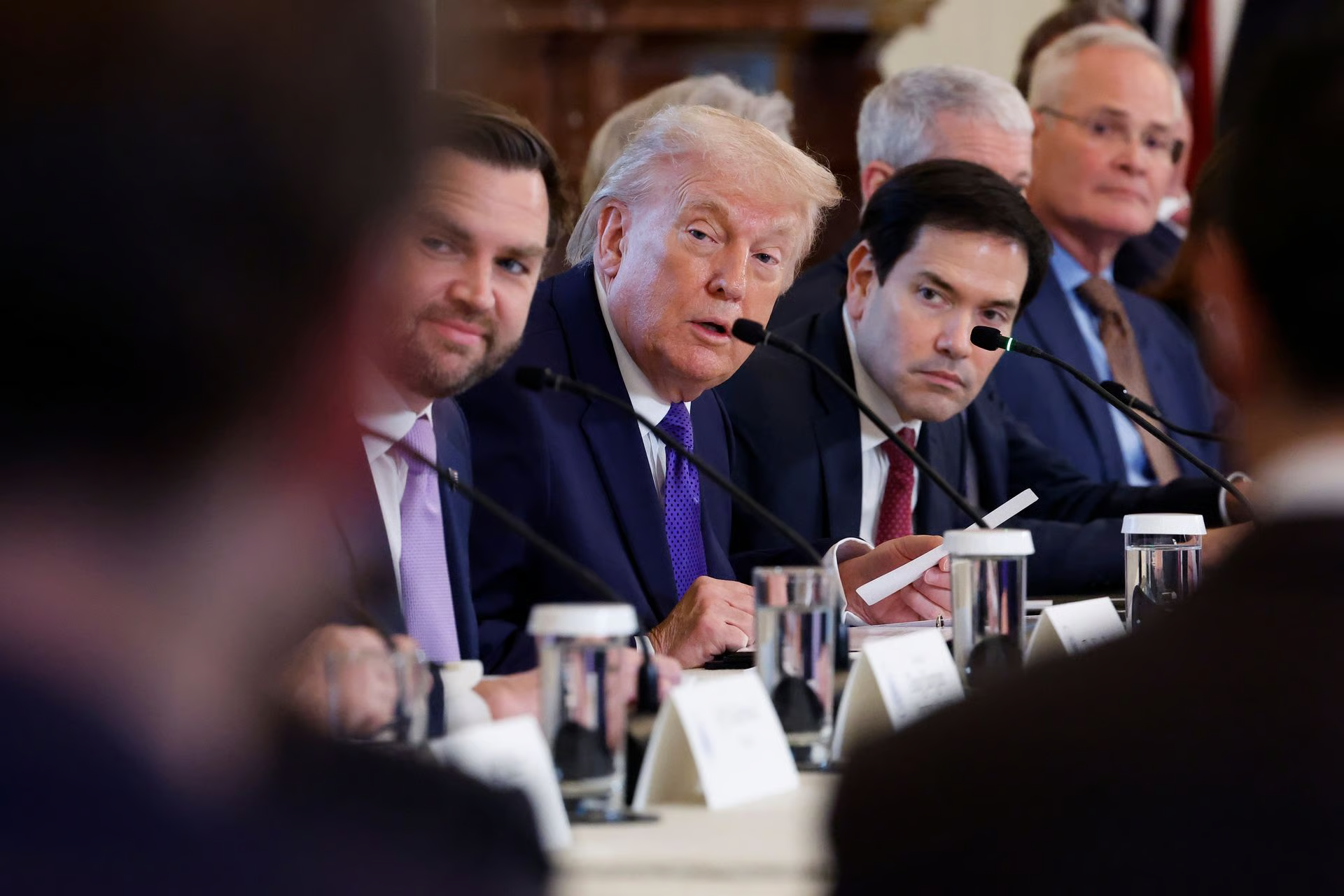
At a White House news conference on Nov 20, Trump said Vance’s assessment of the election losses was accurate, while adding that he himself would launch the strikes again.
When a reporter asked whether the war was worth Republicans losing control of Congress, Vance said the president made the decision and that his own job was to support him.
Vance also endorsed the goal of preventing Iran from obtaining a nuclear weapon, warning of the danger he believed such a capability would pose to other countries.
Asked whether he would have authorized the strikes, however, Vance did not say that he personally would have made the same decision or explicitly declared the war worth its political cost.
His answer therefore left an important distinction between supporting Trump’s decisions as vice president and stating independently whether he would have chosen military action under the same circumstances.
For now, Vance has expressed skepticism about the war’s costs without announcing a break with Trump, and his own answer to the hypothetical decision to strike remains unstated.
Comments (0)
Loading comments...
May You Like

TRUMP CALLED FOR KIMMEL’S FIRING—THE FCC ACTED THE VERY NEXT DAY

IRAN WARNS WASHINGTON — HOW SERIOUS IS THE THREAT TO U.S. MILITARY BASES?

IOWA MILITARY EMERGENCY: 51 TONS OF UNSTABLE SUSPECTED BIOWEAPON WASTE FOUND AFTER 5-TON BLAST!













