
TRUMP SAYS HE FACES A “BIG DECISION” ON IRAN — DEAL OR MAJOR ESCALATION?
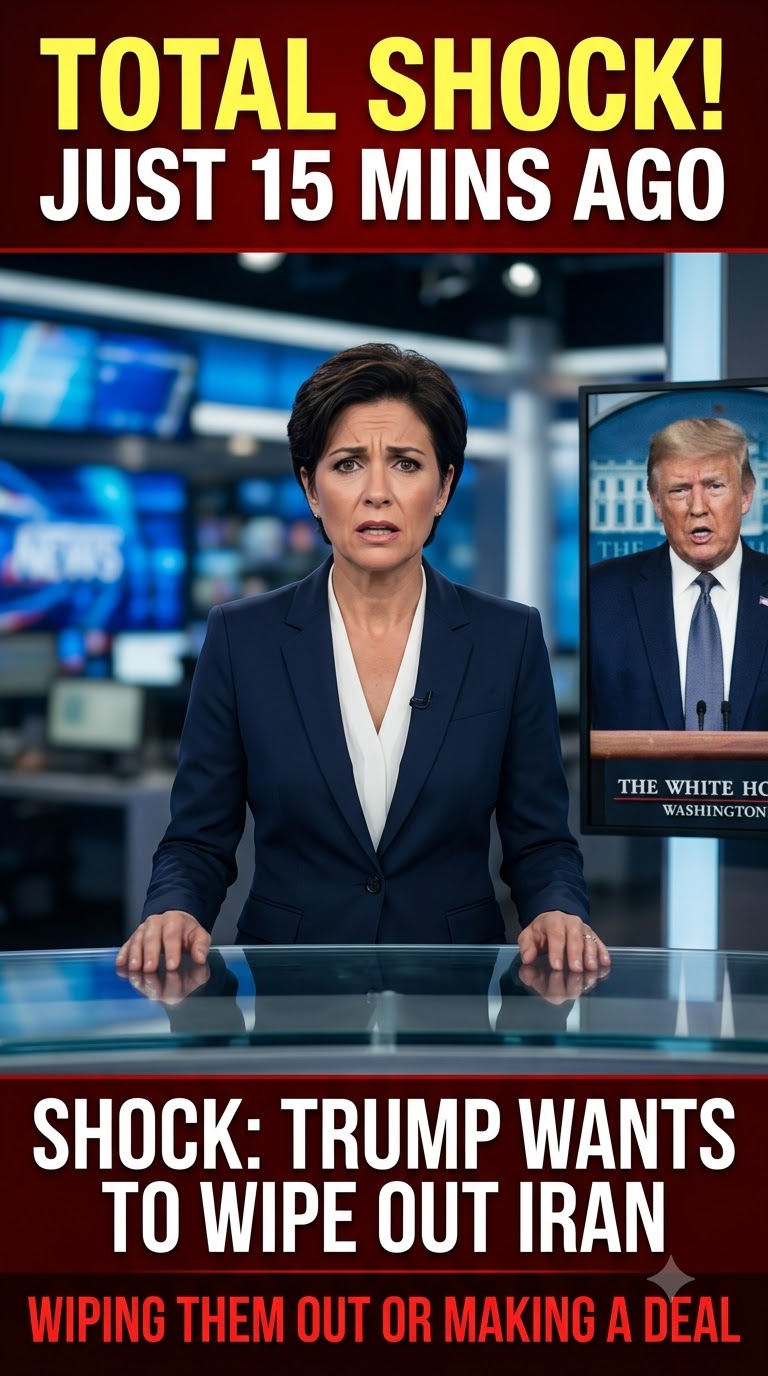
Trump has sharpened his warnings toward Tehran while keeping diplomacy on the table, leaving the world watching for what could come next in the U.S.-Iran conflict.
Updated: September 22, 2026
FILE PHOTO — President Donald Trump addresses the United Nations General Assembly in New York. The Iran conflict has become a central focus of this year’s gathering.
President Donald Trump intensified his rhetoric toward Iran on Tuesday, telling world leaders at the United Nations that he faces a major choice between pursuing a deal and escalating military pressure.
Trump’s remarks followed comments to Fox News days earlier, when he said he was in “deciding mode” and described options ranging from renewed diplomacy to dramatically expanding the conflict.
During his U.N. address, Trump defended the decision to launch the war against Iran and accused Tehran of delaying negotiations over the Strait of Hormuz and the broader endgame.
He said U.S. election timing would not determine his Iran policy, arguing that he would not postpone a decision simply because the American midterm elections are approaching.
Iran’s delegation walked out during portions of Trump’s speech focused on the Islamic Republic, underscoring the depth of hostility between the two governments as diplomatic channels remain uncertain.
FILE PHOTO — Iranian President Masoud Pezeshkian addresses the United Nations General Assembly. Tehran has expressed deep skepticism about another round of negotiations with Washington.
Iranian President Masoud Pezeshkian arrived in New York for the General Assembly while publicly questioning whether Tehran could trust another round of talks with Washington after months of conflict.
Pezeshkian accused the United States of blocking diplomatic routes and trying to force Iran into submission, according to remarks reported as he departed Tehran for New York.
Trump, however, has also left open the possibility of direct contact, saying he would probably be willing to meet Pezeshkian on the sidelines of the U.N. gathering.
Secretary of State Marco Rubio has likewise indicated that Washington remains prepared for diplomacy, even as the administration continues to warn that military options remain available if talks fail.
That combination of threats and possible negotiations has left allies and adversaries watching closely for signs of whether Washington intends to expand operations or seek another negotiated pause.
FILE PHOTO — Commercial shipping near the Strait of Hormuz. The strategic waterway remains one of the most consequential pressure points in the conflict.
The Strait of Hormuz remains central to the crisis because disruption there has affected tanker traffic, energy markets and shipping costs across one of the world’s most important oil transit routes.
A tanker entering the strait was struck by an unknown projectile on Monday, according to a British maritime agency, with two crew members reported to have suffered minor injuries.
Oil prices have moved sharply during the conflict, reacting to changes in tanker traffic, military activity and expectations over whether U.S.-Iran negotiations could reduce the risk of further disruption.
Iran’s Revolutionary Guard has warned that any new American assault could lead Tehran to change both its weapons and the geographic scope of the war, according to Iranian statements.
Those warnings add to concern among Gulf governments, which have urged Iran to halt hostilities and protect commercial navigation while seeking diplomatic steps that could stabilize the region.
The United Nations General Assembly Hall in New York, where Iran, the Middle East conflict and global security have dominated diplomatic discussions.
The conflict is also shaping debate inside Washington, where lawmakers continue to question the scope, duration and authorization of U.S. military operations as the war approaches its seventh month.
At the United Nations, Iran is only one part of a crowded diplomatic agenda that also includes Ukraine, Gaza, Yemen, global economic instability and growing questions about the institution’s future.
Trump is meeting a series of foreign leaders during the gathering, giving the administration multiple opportunities to discuss Iran, Gulf security, energy flows and possible pathways toward de-escalation.
No confirmed Trump-Pezeshkian meeting had been announced at the time of publication, meaning the strongest diplomatic signal may come through intermediaries, private discussions or later public statements.
For now, Trump’s message presents two sharply different possibilities: renewed bargaining aimed at ending the conflict, or another phase of military escalation with potentially wider regional and economic consequences.
Comments (0)
Loading comments...
May You Like

Jack Smith Defends His Integrity as Trump Investigations Face Renewed Political Firestorm

South Korea–Ukraine Rift Deepens Over North Korean POW Transfer as PURL Draws New Scrutiny













