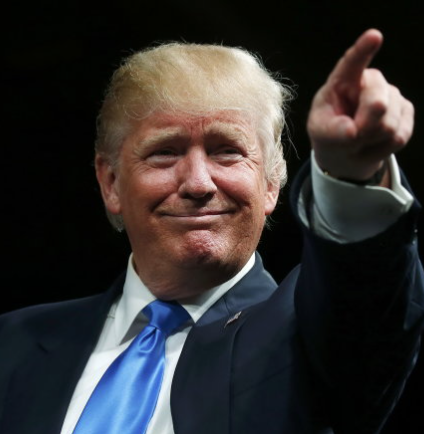
Trump Says He Is in ‘Deciding Mode’ on Iran as Military, Economic and Diplomatic Options Remain Open

The president has issued sweeping new warnings toward Tehran while also leaving open the possibility of negotiations as world leaders gather in New York for the United Nations General Assembly.
President Donald Trump says he is weighing several paths on Iran, including renewed military escalation, continued economic pressure and a negotiated settlement, as the conflict enters another tense phase.
In comments relayed by Fox News correspondent Trey Yingst, Trump described himself as being in “deciding mode” and warned that major developments could come soon if Tehran does not change course.
Trump framed the choices in unusually sweeping terms, saying the United States could intensify military action, deepen economic pressure or pursue an agreement, while again warning Iran against further escalation.
The remarks followed a separate Axios interview days earlier in which Trump said he faced a major decision over whether to restart large-scale attacks against Iran after months of intermittent fighting.
Despite the military threats, Trump also left open a diplomatic channel, saying he would probably be willing to meet Iranian President Masoud Pezeshkian during the United Nations General Assembly gathering in New York.
The United Nations’ 81st General Assembly high-level period runs in late September, creating a possible venue for diplomacy as regional governments push Washington and Tehran to avoid another major escalation.
Axios reported that Trump plans to consult leaders from Saudi Arabia, the United Arab Emirates, Qatar, Bahrain, Kuwait and Oman before determining the next phase of U.S. policy toward Iran.
Regional governments have strong reasons to seek restraint, because renewed strikes could trigger Iranian retaliation against military bases, energy infrastructure and shipping lanes across the Persian Gulf and wider Middle East.
The war has lasted more than six months, far longer than Trump initially forecast, and U.S. objectives have shifted from destroying Iranian capabilities toward economic pressure and control of key maritime routes.
The Strait of Hormuz remains central to the confrontation because it carries a major share of global oil shipments, while attacks and restrictions there have disrupted trade and contributed to higher energy prices.
Associated Press reporting says Washington has combined sanctions, a naval blockade and periodic military strikes in an effort to weaken Tehran’s economy while preserving the option of further force.
Iran, meanwhile, has resisted U.S. demands and says any durable settlement must address sanctions, frozen assets, the American blockade and the status of the Strait of Hormuz.
Tehran has also warned that it would retaliate against U.S. interests if Washington launches another major attack, raising concerns that renewed fighting could spread beyond Iranian territory.
Recent clashes have included maritime confrontations in the Persian Gulf, where U.S. forces said they destroyed Iranian boats during an encounter involving an American unmanned surface vessel.
At home, the conflict has become increasingly important politically as higher fuel prices, military spending and questions about the war’s endgame draw attention ahead of the U.S. midterm elections.
Trump has defended his Iran policy while repeatedly signaling that he believes economic pressure could still force Tehran toward an agreement without requiring another prolonged round of major airstrikes.
His latest remarks, however, underscore that military options remain active, with U.S. officials telling Axios that forces in the region are being maintained at levels that could support renewed combat.
No new large-scale operation had been publicly announced as of Sunday, and Trump did not provide a timetable for deciding whether to escalate militarily, intensify economic pressure or pursue diplomacy.
The immediate focus now shifts to meetings around the United Nations General Assembly, where discussions with Gulf leaders and any possible contact with Pezeshkian could clarify whether negotiations remain viable.
For now, the United States and Iran remain locked in a dangerous standoff, with Trump publicly keeping military, economic and diplomatic options open while regional governments prepare for several possible outcomes.
Comments (0)
Loading comments...
May You Like
South Korea–Ukraine Rift Deepens Over North Korean POW Transfer as PURL Draws New Scrutiny
TRUMP’S OHIO WARNING UNDER THE SPOTLIGHT