Trump Says Iran War Will “Get Wrapped Up Soon”
Trump Says Iran War Will “Get Wrapped Up Soon” — But What Would It Really Take to End the Conflict?
President Donald Trump has raised expectations of a possible turning point in the confrontation with Iran after a Newsmax headline attributed to him the prediction that the war will “get wrapped up soon.” The statement suggests confidence that the conflict could be approaching its conclusion, but it also raises an important question: can Washington bring a complicated regional confrontation to an end as quickly as the president appears to anticipate?
The headline comes at a time when the prospect of a prolonged conflict has generated concern about military risks, regional stability and the economic consequences of continued hostilities. Trump's comments may offer reassurance to Americans who want the fighting to stop, but a prediction about the war's duration is not the same as a confirmed ceasefire or a negotiated peace agreement.
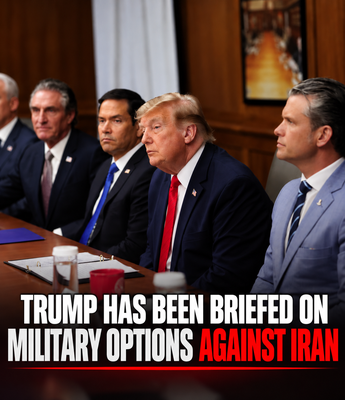
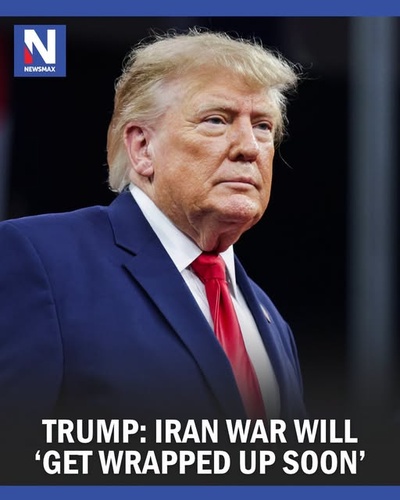
The Newsmax image features Trump alongside the words “TRUMP: IRAN WAR WILL ‘GET WRAPPED UP SOON’.” It does not provide the original interview, the full quotation or the specific military developments that prompted the statement. Without those details, the remark should be understood as a reported prediction rather than evidence that an agreement has already been reached.
Trump has long emphasized the importance of military strength and economic pressure in his approach to Iran. During his first presidency, his administration withdrew the United States from the 2015 nuclear agreement and reimposed sanctions on Tehran. He argued that stronger pressure was necessary to address Iran's nuclear activities, missile capabilities and involvement in regional conflicts.
The dispute between the United States and Iran extends back decades. Relations deteriorated dramatically following the 1979 Iranian Revolution and the seizure of the American embassy in Tehran. Since then, successive administrations have struggled to manage tensions involving sanctions, nuclear development, military incidents and competing security interests across the Middle East.

One of the most difficult questions is what would actually constitute the end of the war. A halt to American military strikes could mark a significant reduction in fighting, but it would not necessarily resolve the underlying disputes between Washington and Tehran. Iranian military responses, the actions of regional armed groups and unresolved disagreements over nuclear activities could continue to influence security conditions.
A ceasefire and a lasting peace settlement are different outcomes. A ceasefire may involve a temporary or indefinite suspension of hostilities, while a broader agreement may establish rules concerning military activity, monitoring arrangements and future negotiations. Without mechanisms to prevent renewed confrontation, even a successful ceasefire can remain fragile.
The Iranian government has its own political and military calculations. Decisions about retaliation, negotiation or de-escalation depend on assessments of national security, domestic political pressures and the country's regional relationships. These factors mean that the United States cannot unilaterally guarantee how Iran will respond to a proposal for ending hostilities.
The security concerns of Israel and other regional governments add further complexity. Israeli leaders have repeatedly identified Iran's nuclear ambitions and support for armed organizations as major threats. Countries throughout the Persian Gulf also have strong interests in preventing military escalation that could endanger civilian populations, critical infrastructure and international commerce.
The conflict's consequences extend beyond the countries directly involved. The Middle East remains a vital region for global energy production and transportation. Any threat to oil facilities, shipping routes or commercial ports can create uncertainty in international markets and affect businesses and consumers thousands of miles away.
The Strait of Hormuz is particularly important. The waterway connects the Persian Gulf with the Gulf of Oman and the wider Indian Ocean, making it a major route for international energy shipments. Disruptions to traffic through the strait can influence oil prices, shipping insurance costs and the movement of essential goods.

For American households, a prolonged confrontation could have economic consequences even without direct attacks on the United States. Energy market uncertainty can contribute to changes in gasoline prices, transportation expenses and business operating costs. The magnitude of those effects depends on the extent of disruption and the response of international suppliers.
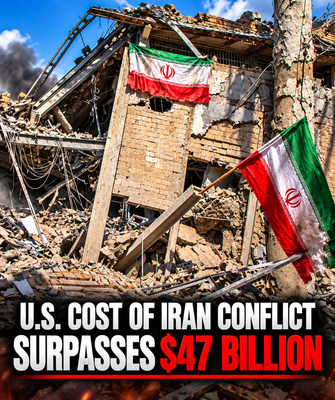
Military operations also involve substantial government expenditures. Deploying ships, aircraft, personnel and defensive systems requires resources that must be considered alongside other federal priorities. Lawmakers may therefore seek detailed information about the objectives, duration and costs of any continuing military campaign.
The constitutional relationship between Congress and the president is another important part of the discussion. The president serves as commander in chief of the armed forces, but Congress possesses powers involving declarations of war, military funding and oversight. The extent of presidential authority to conduct military operations without specific congressional authorization has been debated across multiple administrations.
Trump's confidence about the conflict ending soon may reflect his assessment of American military capabilities or his expectations about negotiations. However, public statements alone cannot establish whether the conditions for ending the fighting have been achieved. The most reliable indicators would include verified changes in military activity, official agreements and confirmation from the parties involved.
Diplomatic negotiations could play a major role in any settlement. The United States and Iran have previously engaged in direct and indirect discussions concerning nuclear restrictions, sanctions relief and regional security. Such negotiations are often complicated by disagreements about verification, compliance and the sequencing of concessions.
For example, Iran might seek assurances about sanctions or future military operations, while American officials could demand commitments concerning nuclear development and regional activities. Whether either side would accept particular terms depends on the broader strategic environment and the credibility of proposed guarantees.

The humanitarian dimension of the conflict must also be considered. Military escalation can threaten civilians, damage infrastructure and interrupt essential services. Hospitals, transportation networks and energy facilities can face severe pressure during sustained hostilities, while displaced families may struggle to obtain shelter, food and medical care.
International humanitarian law requires parties to armed conflicts to comply with rules governing the conduct of hostilities and the protection of civilians. These obligations remain relevant regardless of the political arguments advanced by the governments involved.
The possibility of additional regional escalation is another reason analysts are cautious about predictions of a rapid conclusion. Armed groups operating in different parts of the Middle East may make decisions that complicate diplomatic efforts or provoke further military responses. A reduction in direct American-Iranian fighting would not necessarily resolve every related security problem.
Public opinion in the United States could also influence the administration's decisions. Americans may support military operations when they believe an immediate security threat exists, but attitudes can change as costs rise, casualties occur or the purpose of a campaign becomes less clear.
The administration's supporters may interpret Trump's statement as evidence of decisive leadership and confidence in American military strength. Critics may argue that predictions of a quick ending should be treated cautiously until they are supported by clear evidence of de-escalation.
Both perspectives ultimately depend on developments that can be independently assessed. The number of attacks, the status of negotiations, the safety of international shipping and the positions of regional governments would all provide information about whether the conflict is moving toward a genuine conclusion.
New reporting has clarified the origin of Trump's statement. During an October 30 interview with Kansas City radio station KCMO, the president predicted that the war would end soon while emphasizing that the United States wanted assurances Iran would never possess a nuclear weapon. He did not provide a timetable or explain precisely how the conflict would conclude.
The diplomatic situation has also developed. On November 1, Iranian negotiators and Qatari mediators continued talks in Doha aimed at finding a way to end the conflict. The discussions included proposals that could help restore shipping through the Strait of Hormuz, although no final agreement had been announced.
At the same time, reports indicate that American officials have warned regional partners about the possibility of renewed military strikes after the November 3 elections. Trump has not publicly confirmed a final decision on further attacks, and diplomatic discussions remain underway.
These developments make the president's prediction particularly significant. His optimism about an approaching end to the war exists alongside preparations for possible escalation, illustrating how uncertain the conflict's immediate future remains.
Whether Trump's prediction proves accurate will depend on more than military strength or political confidence. The decisive developments will be whether Washington and Tehran can reach enforceable agreements, prevent renewed attacks and establish conditions for lasting regional stability.
Comments (0)
Loading comments...
May You Like

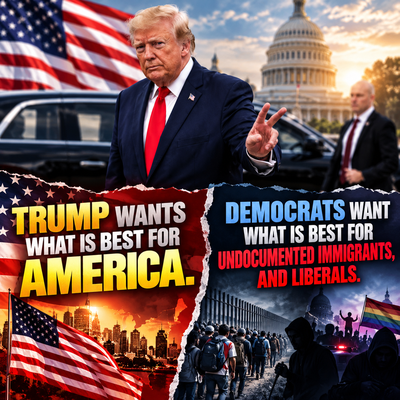
Trump Revives His Controversial Immigration Remarks as Ilhan Omar Remains a Political Target
Latest Posts



Popular Posts