TRUMP SAYS U.S. WILL WIN IRAN WAR
TRUMP SAYS U.S. WILL WIN IRAN WAR “VERY SOON” — BUT REJECTS IRAN’S HORMUZ PROPOSAL


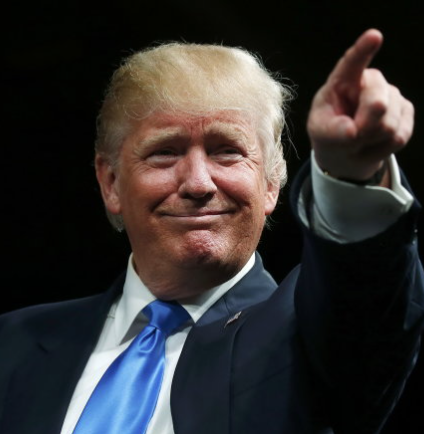
President Donald Trump said Monday that the United States would win its ongoing war with Iran “very soon,” while acknowledging that American officials remain in contact with mediators seeking an end to the conflict.
Speaking from the Oval Office, Trump expressed confidence that the conflict would conclude quickly, saying the United States would prevail “one way or the other” as diplomatic efforts continued behind the scenes.
Trump’s comments came only days after he rejected an Iranian proposal offering to reopen the strategically important Strait of Hormuz within seven days while restarting negotiations over the conflict.
Iranian Foreign Minister Abbas Araghchi had presented the proposal through mediators, outlining conditions that included lifting the U.S. naval blockade, easing oil sanctions and observing a broader ceasefire.
Under Iran’s proposed timetable, initial steps would take several days, with the Strait of Hormuz reopening around the sixth day and negotiations on a broader agreement beginning afterward.
The proposal was delivered through diplomatic channels involving Qatar and was described by Iranian officials as an accelerated version of an earlier agreement that had subsequently collapsed.
Trump rejected the proposal publicly, saying he did not consider Tehran’s offer acceptable. His administration has instead emphasized broader issues involving Iran’s nuclear program and regional security.
The Strait of Hormuz has become a central issue in the conflict because it is a crucial maritime route for global energy shipments, making its disruption consequential for international markets.
The prolonged disruption has also contributed to pressure on oil markets, with crude prices rising after Trump rejected Tehran’s proposal to reopen the waterway.
Despite rejecting the initial proposal, Trump has indicated that diplomatic contacts have not completely stopped, telling reporters that American officials have been communicating with mediators involved in the negotiations.
Reuters reported that U.S. and Iranian representatives were expected to communicate separately through intermediaries, with discussions focusing on a possible amended version of Tehran’s latest proposal.
Qatar has played an important role in those diplomatic efforts, carrying messages between Washington and Tehran as negotiators attempt to narrow disagreements over the conditions for ending hostilities.
Iranian officials have continued pushing for a diplomatic solution, while maintaining that reopening the Strait depends on conditions including an end to hostilities and changes to the U.S. blockade.
The Trump administration, meanwhile, has placed greater emphasis on securing concessions from Iran, particularly concerning its nuclear program, rather than accepting Tehran’s proposed sequence for reopening the waterway.
The disagreement has created a complicated diplomatic picture: Washington says talks remain possible, while Tehran continues seeking conditions that would allow the Strait of Hormuz to reopen.
Trump also linked the eventual end of the conflict to energy costs, saying during his Oval Office remarks that gasoline prices would fall significantly after the war concludes.
The comments arrive as the conflict continues affecting shipping, energy markets and governments across the Middle East, with mediators attempting to prevent further escalation while keeping diplomatic channels open.
The Associated Press reported that regional and U.S. officials continue working toward a possible agreement, although significant differences remain between Washington and Tehran over the terms of any settlement.
For now, Trump’s declaration of an imminent American victory contrasts with the continuing diplomatic activity surrounding the conflict, suggesting that military pressure and negotiations remain intertwined as both sides seek leverage.
The next stage could depend on whether mediators can produce revised terms acceptable to Washington and Tehran, particularly concerning the Strait of Hormuz, sanctions, nuclear restrictions and the broader ceasefire.

Comments (0)
Loading comments...
May You Like
TRUMP HIT WITH 26 ARTICLES OF IMPEACHMENT
Russian Drone Strikes Kyiv Bridge as German Chancellor Arrives in Ukraine
Russian Drone Strikes Kyiv Bridge as German Chancellor Arrives in Ukraine