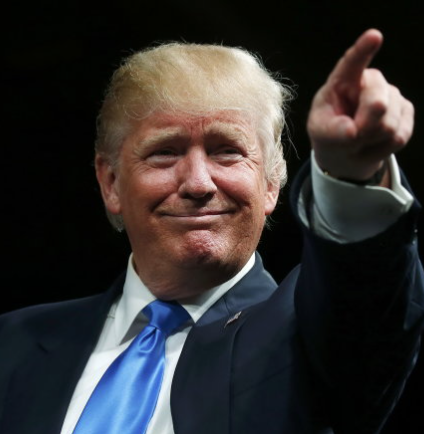
Trump Secures Temporary Easing of Iran Oil Sanctions in Major Shift After Months of War
WASHINGTON — President Donald Trump’s administration made a significant policy shift toward Iran in June, temporarily allowing Tehran to sell oil under a U.S. sanctions waiver as part of an emerging framework aimed at ending the conflict and restarting negotiations over Iran’s nuclear program.
The move marked the first time in decades that Iran was permitted to sell oil under such broad sanctions relief, according to reporting from NPR, Reuters and E&E News. But the development was more limited than the dramatic wording circulating online suggests: the relief was temporary, tied to a 60-day waiver, and accompanied by continuing disagreements between Washington and Tehran over nuclear inspections and other provisions of the framework.
The development came days after Trump signed a U.S.-Iran memorandum of understanding in France, which the White House described as a historic breakthrough.
Trump’s Iran Deal Opens the Door to Temporary Oil Sales
On June 22, the United States temporarily waived sanctions that had restricted Iran’s ability to sell oil and access certain frozen assets.
The waiver was initially set for 60 days, allowing Iranian oil transactions to resume while negotiations continued. Reuters reported that the measure was part of a broader effort to reach a permanent peace agreement within two months.
E&E News reported that the waiver allowed the production, delivery and sale of Iranian oil, as well as imports of Iranian crude into the United States. The move represented a major reversal from the sanctions regime that Washington had maintained against Iran for decades.
The waiver was scheduled to run through August 21, 2026.
That deadline is important because the viral headline's suggestion that Trump permanently “pulled off” a historic breakthrough oversimplifies what actually happened.
The Agreement Followed Four Months of Fighting
The sanctions decision came after months of military confrontation.
The United States and Israel launched attacks against Iran in late February, beginning a conflict that disrupted energy markets and contributed to the closure or severe restriction of traffic through the Strait of Hormuz.
The waterway is one of the world's most important energy corridors, carrying a substantial share of global oil supplies.
By June, Washington and Tehran had begun negotiations aimed at stopping the fighting.
Trump's administration presented the resulting framework as a combination of military pressure and diplomacy.
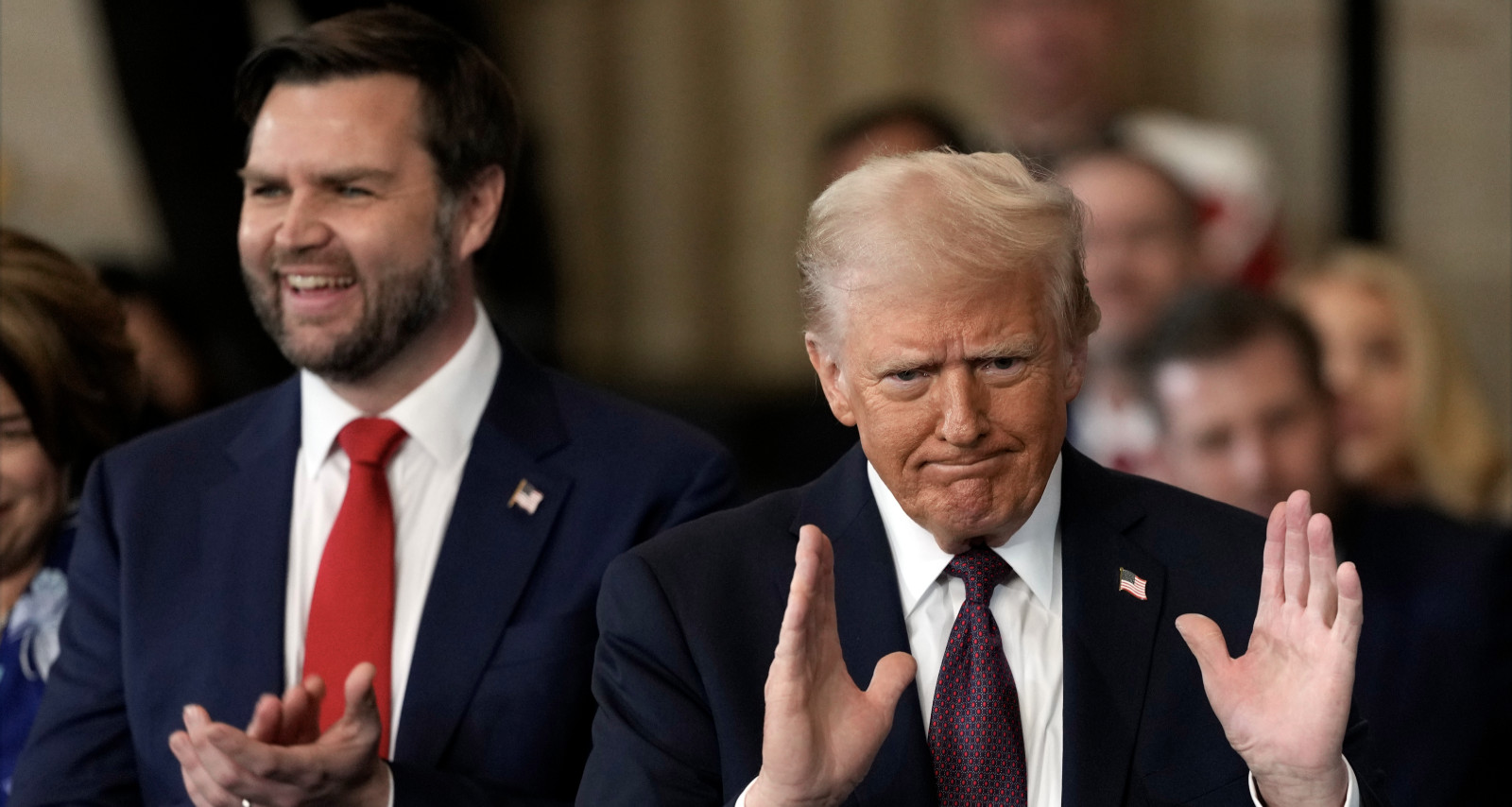
The White House said Trump and Vice President JD Vance had secured a memorandum of understanding designed to prevent Iran from obtaining a nuclear weapon and reopen the Strait of Hormuz to navigation.
Trump formally signed the memorandum at the Palace of Versailles on June 17. The White House published photographs and video of the signing.
Vance Claims Iran Agreed to Nuclear Inspections
Vice President JD Vance played a prominent role in the administration's description of the agreement.
Vance said Iran had agreed to allow international nuclear inspectors to return to the country.
The administration portrayed that commitment as a significant step toward preventing Iran from rebuilding a nuclear-weapons capability.
But there was an immediate complication.
Iran disputed the U.S. characterization of the agreement.
Reuters reported on June 23 that Iranian officials denied that Tehran had agreed to the nuclear-inspection provisions described by Trump and Vance.
That disagreement is critical because it shows that the June framework was not a fully settled peace treaty with every provision accepted and implemented by both sides.
Instead, it was an interim diplomatic arrangement accompanied by continuing negotiations.
Trump Says the Strait of Hormuz Is Open
Another major component of the agreement involved the Strait of Hormuz.
The waterway had become one of the most important flashpoints of the conflict because disruptions there threatened global oil supplies.
After the negotiations, shipping activity began to resume.
Reuters reported that oil prices fell as investors focused on improving flows through the strait and the progress of the U.S.-Iran talks. Brent crude settled at about $77.08 per barrel on June 23, while West Texas Intermediate settled around $73.21.
The reopening was therefore not simply a diplomatic development. It also had immediate implications for global energy markets.
The Oil Waiver Was Designed to Ease Economic Pressure
The administration's decision to allow Iranian oil sales also had an economic purpose.
With the Strait of Hormuz disrupted during the conflict, global energy markets faced significant supply concerns.
The temporary waiver was expected to allow additional Iranian crude to enter the international market.
NPR described the measure as allowing Tehran to sell its oil openly at higher prices while Washington sought to use the economic relief as an incentive for Iran to comply with U.S. demands over its nuclear program.
The goal was therefore not simply to give Iran unrestricted economic relief.
Washington intended the sanctions waiver to be part of a broader quid pro quo: economic relief in exchange for Iranian commitments on nuclear issues and regional security.
But Tehran and Washington Disagreed Over the Details
The emerging agreement quickly exposed significant differences between the two governments.
While Vance and Trump said Iran had agreed to nuclear inspections, Iranian officials disputed that interpretation.
Iran's U.N. ambassador, Ali Bahreini, also said Tehran would retain control over approximately $12 billion in unfrozen assets and rejected the suggestion that Washington or Qatar would determine how those funds were spent.
That dispute illustrates why describing the development as a completely finalized U.S.-Iran peace settlement would be misleading.
The two governments had reached a framework, but important provisions remained contested.
The Move Reversed Trump's Earlier Iran Policy
The June decision was particularly notable because Trump had previously pursued a policy of maximum economic pressure against Iran.
In February 2025, the Trump administration formally reaffirmed a policy aimed at denying Iran a nuclear weapon while maintaining extensive sanctions pressure against the Iranian government and its economy.
The June waiver represented a dramatic tactical change.
Instead of relying exclusively on economic pressure, the administration was now using temporary sanctions relief as an incentive for Tehran to implement commitments reached during negotiations.
That does not necessarily represent a permanent abandonment of the sanctions strategy.
Rather, it was a conditional and temporary suspension of some sanctions-related restrictions within the framework of the negotiations.
Critics Question Whether Trump Gave Up Too Much
The agreement immediately generated criticism.
Some analysts argued that Washington was providing Tehran with significant economic relief before receiving sufficiently clear and enforceable commitments on its nuclear program.
Others pointed to the fact that Iranian officials disputed key elements of the U.S. interpretation.
The debate reflected a larger question about Trump's strategy toward Iran: whether military pressure followed by negotiated concessions could produce a durable agreement, or whether the United States had surrendered leverage in exchange for a temporary reduction in hostilities.
The controversy also put Republican lawmakers in an awkward position.
House Speaker Mike Johnson, who had previously been highly critical of the Obama administration's 2015 Iran nuclear agreement, faced questions about Trump's willingness to provide sanctions relief to Tehran.
The Daily Beast reported that Johnson defended the Trump administration's approach while emphasizing the potential economic benefits of reopening the Strait of Hormuz and reducing energy prices.
What the Viral “First Time in Decades” Headline Gets Right
The central claim behind the viral graphic has a factual basis, but the wording needs context.
✓ Iran was allowed to sell oil under a U.S. sanctions waiver
That happened in June 2026.
✓ The move represented a major shift after decades of sanctions
NPR and E&E News both described the development as allowing Iranian oil sales for the first time in decades.
✓ Trump was central to the diplomatic framework
Trump signed the memorandum of understanding with Iran on June 17, and the White House explicitly presented the agreement as a major diplomatic achievement.
✓ JD Vance was deeply involved
Vance helped present the administration's interpretation of the agreement, particularly regarding nuclear inspections.
What the Viral Headline Leaves Out
The graphic's phrase “PULLED IT OFF” makes the event sound like a completed and definitive victory.
The reality was considerably more complicated.
The oil relief was temporary, not a permanent end to U.S. sanctions.
Iran and the United States disagreed over important provisions, particularly the question of nuclear inspections.
And the agreement was a framework for further negotiations, rather than the end of every dispute between Washington and Tehran.
Those distinctions matter when evaluating the claim.
The Bigger Picture
Trump's June Iran initiative was one of the most consequential foreign-policy reversals of his second administration.
After years of sanctions and months of military confrontation, Washington temporarily opened a path for Iranian oil to return more freely to international markets.
The move was intended to support a fragile diplomatic process, stabilize energy markets and incentivize Iran to accept restrictions related to its nuclear program.
But the agreement remained fragile.
The United States claimed Iran had made commitments that Tehran subsequently disputed. Meanwhile, the temporary sanctions waiver was designed to last only 60 days.
The episode therefore represented a significant diplomatic breakthrough, but not a final peace settlement.
The most accurate description is that Trump succeeded in getting Washington and Tehran to a negotiating framework that included temporary sanctions relief and an effort to restore navigation through the Strait of Hormuz.
Whether that framework could produce a durable settlement remained the much larger question.
Bottom Line
The viral image is based on a real June 2026 development, but its celebratory wording needs qualification.
The Trump administration did temporarily lift key restrictions on Iranian oil sales for the first time in decades, following a U.S.-Iran memorandum intended to halt the conflict and establish a path toward further negotiations.
But Trump did not permanently end all Iran sanctions, and the two governments continued to disagree over important elements of the agreement.
So the strongest headline is not:
“Trump Pulled It Off.”
A more accurate journalistic description would be:
“Trump Secures Temporary Iran Oil Sanctions Waiver in Major Diplomatic Shift After Months of War.”
That captures both sides of the story: a genuine diplomatic breakthrough — but one that remained conditional, temporary and contested.
Comments (0)
Loading comments...
May You Like
OBAMA STEPS BACK INTO THE POLITICAL SPOTLIGHT
Barack Obama Draws Attention With New Literary Podcast