
Trump Shakes Up Canada Trade War: Some Goods Escape 50% Tariffs as Washington Adds New Trade Barriers
President Donald Trump's escalating trade confrontation with Canada has taken another complicated turn, with exemptions for certain Canadian products existing alongside new and expanded import duties. The combination has created uncertainty for manufacturers, exporters and consumers on both sides of the border, raising questions about which goods will face the highest costs and how long the trade tensions could continue.
The latest developments highlight the increasingly complex nature of Trump's tariff strategy. Rather than applying one uniform tax to every Canadian product, the United States has relied on a combination of product-specific duties, trade-agreement exemptions and separate measures affecting industries such as steel, aluminum and automobiles.
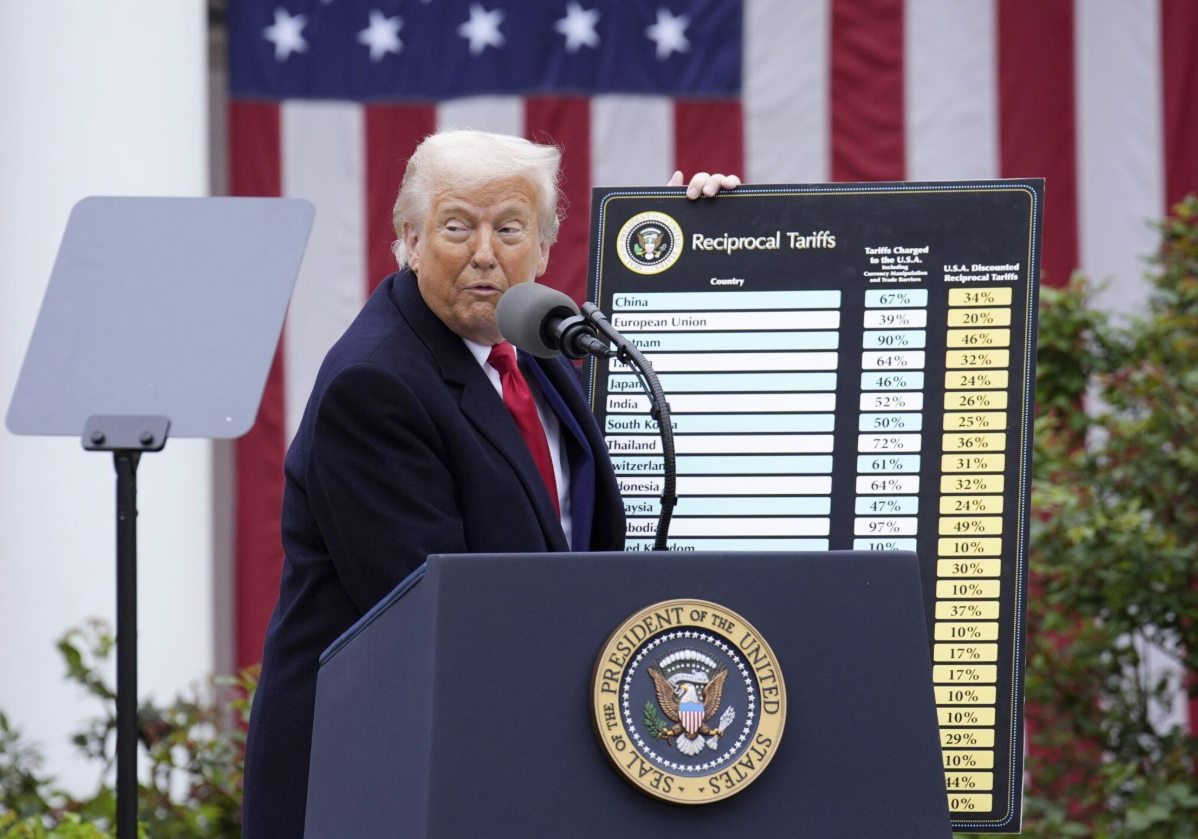
The latest adjustments, announced by the White House on October 23 and taking effect on October 30, remove additional 50% tariffs from several categories of Canadian goods. Among the products receiving relief are certain plywood sheets, paper products, packing crates, boxes, industrial machinery and refrigeration equipment.
At the same time, the administration has added other Canadian products to the tariff list. These include selected carpets, valves, shampoos, cocoa powder, wooden coffins, air-conditioning equipment and other goods, illustrating that the move is a targeted reshuffling of trade barriers rather than a broad retreat from tariffs.
The decision comes just days before the November 3 midterm elections, when control of Congress will be at stake. Its timing has attracted particular attention because some of the exemptions could benefit businesses and agricultural producers in Maine, where Republican Senator Susan Collins faces a competitive reelection campaign.

Collins had urged the administration to reconsider tariffs affecting Maine farmers and businesses that depend on Canadian supplies. She argued that certain products, including specialized harvesting containers, are difficult or expensive to obtain from American manufacturers.
The exemptions could provide relief for Maine's blueberry, potato and apple growers, as well as businesses involved in seaweed production. These industries rely on equipment, packaging and materials that frequently cross the U.S.–Canada border.
The administration says the changes are intended to protect American economic interests while maintaining pressure on Canada over trade practices Washington considers discriminatory. The White House has emphasized that the revised tariff structure is designed to reduce unnecessary burdens on domestic commerce.
However, critics have questioned whether the adjustments are motivated partly by electoral considerations. With Republicans attempting to maintain their congressional majorities, tariff relief for industries in a politically competitive state has become a subject of debate.
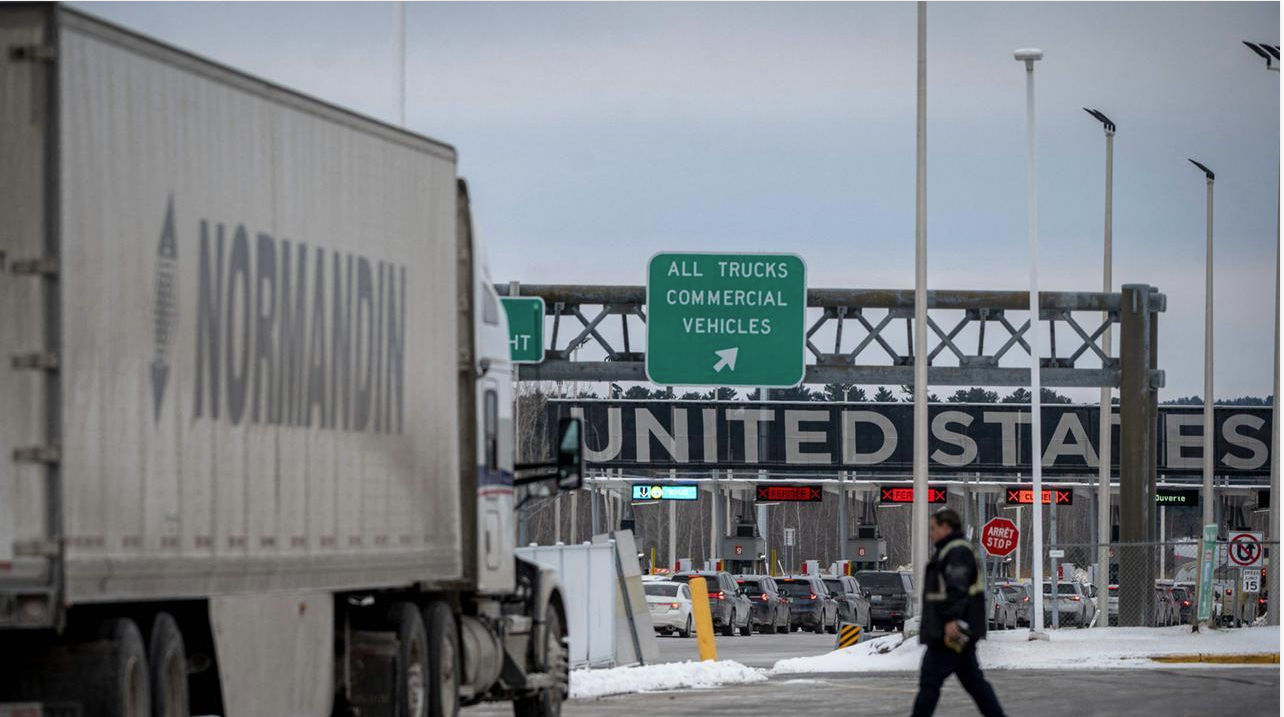
The broader dispute began intensifying in July 2026, when Trump announced additional 50% tariffs on selected Canadian imports under Section 338 of the Tariff Act of 1930. The administration linked those measures to disagreements involving Canadian treatment of American automobiles, alcoholic beverages and dairy products.
The tariffs eventually took effect in August, affecting a wide range of goods. Unlike some other trade measures, these particular duties can apply even when products qualify as originating goods under the United States–Mexico–Canada Agreement, commonly known as USMCA.
Canada responded with retaliatory tariffs on billions of dollars' worth of American exports, further straining one of the world's most economically integrated trading relationships. The two countries exchange enormous volumes of agricultural products, manufactured goods, energy and industrial components.
The consequences extend well beyond the companies directly importing products. American manufacturers often rely on Canadian materials, while Canadian exporters depend on access to the vast U.S. consumer market. Higher trade barriers can disrupt established supply chains and complicate long-term investment decisions.
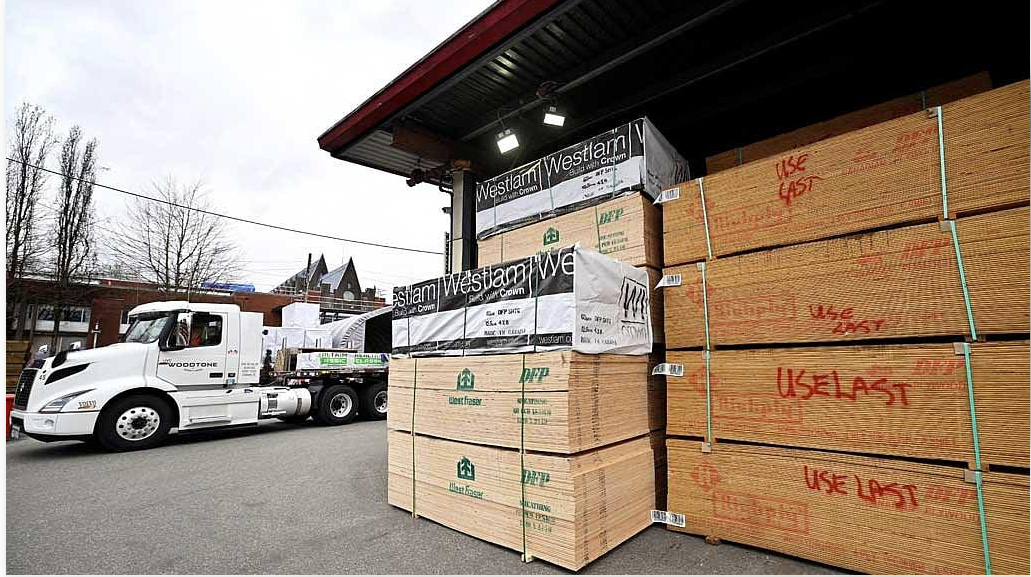
For American businesses, the exemptions offer a practical financial benefit. Import tariffs are generally paid by the importing company, which must decide whether to absorb the added expense, negotiate with suppliers or pass the cost along to customers.
Removing a 50% additional duty from a qualifying product can therefore substantially reduce its landed cost. But the actual savings depend on the product's classification, other applicable tariffs and the terms of the transaction.
Meanwhile, businesses importing products newly added to the tariff schedule face the opposite challenge. Companies dealing in certain consumer goods, construction materials and industrial equipment may need to reconsider pricing, sourcing and inventory plans.
The changes also highlight the uncertainty surrounding the future of North American trade. Companies that operate across the border must account for the possibility that tariff rules could change again as negotiations and political pressures evolve.
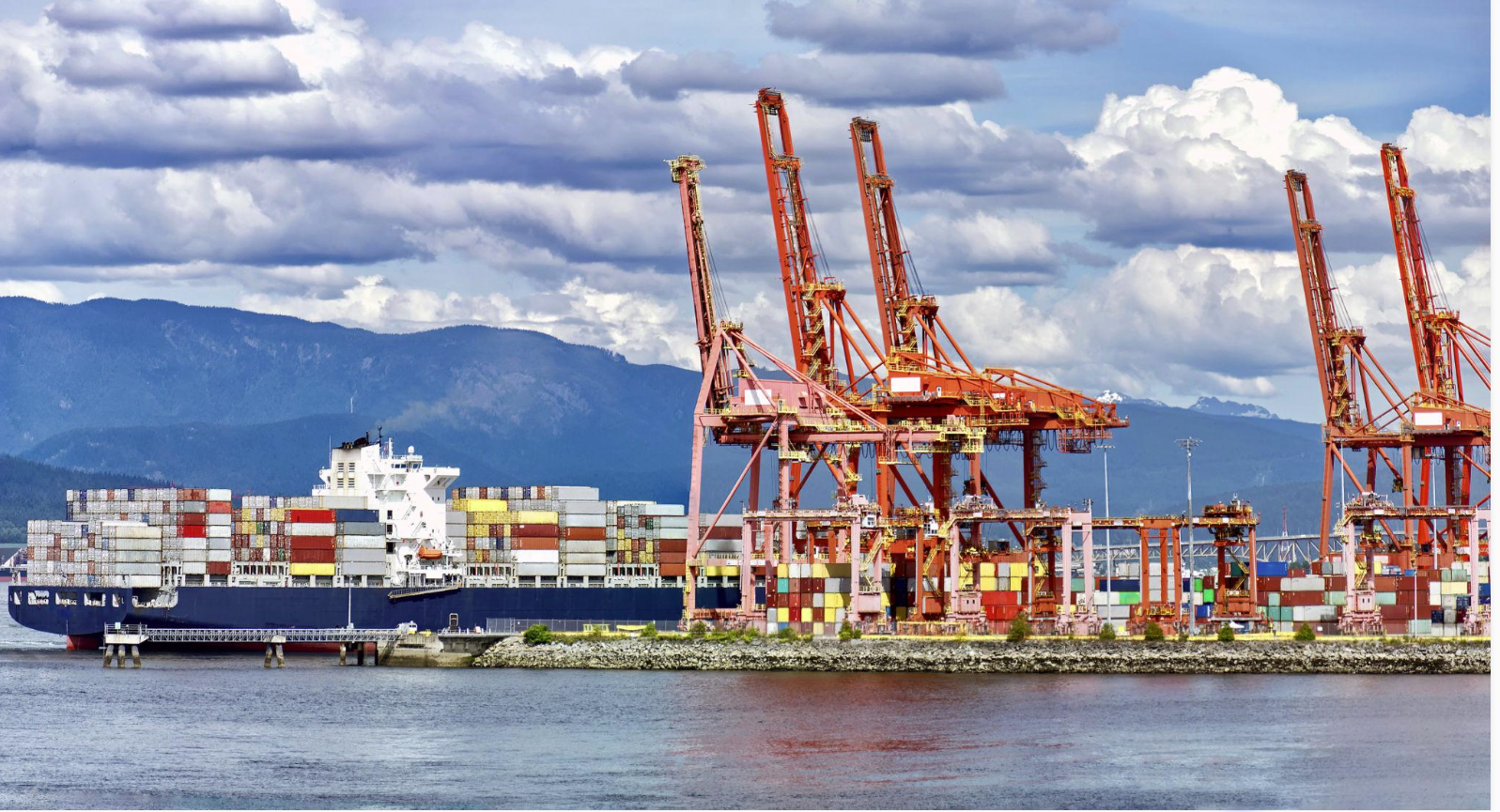
Economists have long warned that unpredictable trade policies can discourage investment and increase costs for businesses. Even when individual exemptions provide short-term relief, the possibility of additional duties can make planning difficult for companies that depend on international supply chains.
For Canada, the dispute creates a challenge in balancing retaliation against U.S. measures with the need to protect domestic exporters. Canadian officials have disputed Washington's characterization of some of their trade practices and defended the country's position under existing trade agreements.
The political implications are equally significant. Trump's supporters view tariffs as a means of defending American workers and gaining leverage in negotiations, while opponents argue that broad import duties can hurt domestic companies and consumers.
The October 30 adjustments ultimately reveal the administration's effort to balance competing priorities: maintaining pressure on Canada, protecting selected American industries and responding to economic concerns at home. Whether the revised measures will lead to renewed negotiations or another round of retaliation remains uncertain.
For now, the message to businesses on both sides of the border is clear: some Canadian goods are receiving relief, others face new 50% duties, and the larger U.S.–Canada trade confrontation is far from resolved.
Comments (0)
Loading comments...
May You Like

MINNESOTA NIGHTMARE—UNDERGROUND GAS LEAK, HUNDREDS OF HOMES AT RISK, $300M DAMAGE!

1,000+ MILITARY FAMILY RECORDS BREACHED, 200+ MILITARY SITES AT RISK!

TRUMP'S BIGGEST THANKSGIVING “PARDON”? WHY IS HE BACKING NVIDIA'S JENSEN HUANG?

Latest Posts










Popular Posts


