Trump Signals a Possible Canada Trade Deal — But Talks Remain Stalled
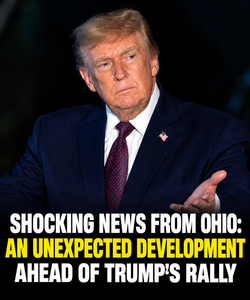
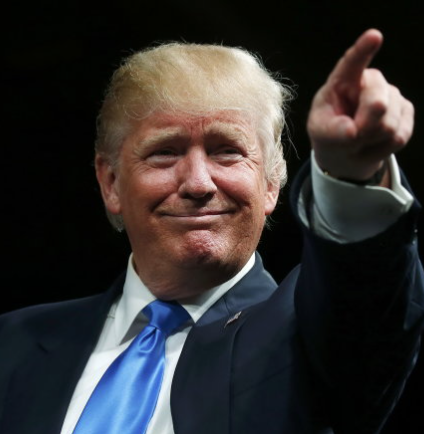
The image highlights a real statement by President Donald Trump that a new trade agreement with Canada could come “fairly soon.” However, the latest developments show that a deal was not imminent when he made the remark, and formal negotiations later remained stalled.


Trump made the comments on September 12, 2026, during a meeting with Irish Prime Minister Micheál Martin in Dublin.
Asked whether the United States might withdraw from the U.S.-Mexico-Canada Agreement, Trump instead discussed the broader trade dispute and said Canada wanted to reach a deal with Washington.
He said the United States and Canada could reach an agreement once Ottawa addressed his concerns about tariffs on American agricultural products.
“You’ll probably see a deal with Canada fairly soon,” Trump said, according to a transcript of his remarks.


The statement was significant because negotiations between Washington and Ottawa had already deteriorated sharply.
Canada had suspended formal negotiations in August after rejecting changes to proposed U.S. terms that Prime Minister Mark Carney's government considered unacceptable.
On August 21, Carney said Canada was seeking a trade arrangement that would provide greater stability while reducing U.S. tariffs on important Canadian industries.
The disagreement subsequently escalated into another round of retaliatory measures.
In September, Canada imposed tariffs on roughly $20 billion of U.S. exports, while the Trump administration responded with additional restrictions and import bans on selected Canadian products.


Trump has repeatedly argued that Canadian tariffs disadvantage American farmers and producers.
During his September 12 remarks, he specifically complained about Canadian agricultural tariffs and said those measures would need to change before a broader agreement could be reached.
Canadian officials, meanwhile, have emphasized that Ottawa remains interested in negotiations but will not accept an agreement simply to end the dispute.
Carney previously said Canada's objective was a fair arrangement that protects Canadian businesses and preserves access to the U.S. market.
The Canadian government has also been working to diversify its trade relationships so that the country is less dependent on the United States.


There is an important complication to Trump's “fairly soon” prediction.
On September 25, U.S. Trade Representative Jamieson Greer said the Trump administration saw no urgency to reach a new agreement with Canada.
Greer said Washington was comfortable with the existing situation while maintaining conversations with Canadian officials about possible future agreements.
That means Trump's September 12 optimism did not translate into an immediate return to formal negotiations.
The two governments continued communicating, but a detailed new trade agreement had not been finalized by the end of September.
The dispute also carries consequences beyond tariffs because the United States and Canada have deeply integrated manufacturing and supply chains.


The automotive industry is particularly exposed because vehicles and components frequently cross the U.S.-Canadian border during production.
New or higher tariffs could therefore affect manufacturers, suppliers and consumers in both countries, depending on which products are covered and how long the measures remain in place.
The dispute also raises questions about the future of the USMCA, the three-country trade agreement involving the United States, Canada and Mexico.
Trump was specifically asked about withdrawing from the agreement when he made his September 12 comments, but he did not announce a withdrawal.
Canada has responded by emphasizing both negotiation and economic diversification.
Carney's government has said it wants to maintain access to the American market while simultaneously developing additional export opportunities elsewhere.


The political language surrounding the dispute has also become unusually sharp.
Trump has accused Canada of taking advantage of American producers, while Canadian officials have rejected the idea that Ottawa should simply accept Washington's demands.
Those competing positions remain a major obstacle to a comprehensive settlement.
The image therefore captures a real moment of optimism from Trump, but it presents that comment without the subsequent context.

As of the end of September, the more accurate picture is that both sides continue to have economic incentives to negotiate, but substantial disagreements remain over tariffs, agricultural access and broader trade conditions.
Trump's September statement did not constitute an announcement of a completed agreement.
Nor did it establish a specific signing date or confirm that Canada had accepted Washington's conditions.
The latest reporting instead indicates that contacts between the two governments continue while formal negotiations remain uncertain.
Comments (0)
Loading comments...
May You Like

Russian Drone Strikes Kyiv Bridge as German Chancellor Arrives in Ukraine
TRUMP HIT WITH 26 ARTICLES OF IMPEACHMENT