Trump Signals Possible Canada
Trump Signals Possible Canada Trade Deal as Ottawa Keeps Door Open to Renewed Talks
Trade tensions remain high, but comments from Donald Trump and Canadian officials suggest both sides are still leaving room for negotiations despite tariffs, import restrictions and major unresolved disputes.
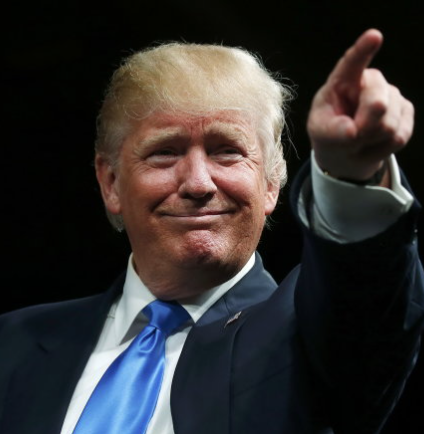
1. U.S. President Donald Trump has signaled that a new trade agreement with Canada could be reached “fairly soon,” reopening diplomatic space after weeks of tariff escalation and a breakdown in formal negotiations.
2. Trump made the comments in Dublin on September 12 while meeting Irish Prime Minister Micheál Martin. Asked about the future of the USMCA, he said Washington still had a workable relationship with Canada.
3. The president did not announce a timetable, negotiating framework, or draft agreement. His remarks therefore represented a political signal of possible de-escalation rather than confirmation that a final deal was close.
4. Canadian officials have also kept communication channels open. Trade Minister Dominic LeBlanc said Ottawa was not in formal negotiations, but he had continued speaking with U.S. Trade Representative Jamieson Greer.
5. Prime Minister Mark Carney responded by saying a mutually advantageous agreement remained possible. He said Canada was prepared to return to negotiations if any arrangement respected Canadian sovereignty and cultural institutions.
6. Carney also indicated Ottawa would not rush into an agreement simply to end the dispute. His government has argued that the substance of any deal matters more than meeting an artificial deadline.
7. The latest opening follows the collapse of intensive negotiations in August. On August 21, Carney suspended talks, saying last-minute changes demanded by Washington were unfair and economically unacceptable for Canada.
8. At the time, Canada said the United States planned to impose 50 percent tariffs on roughly C$27.6 billion of Canadian goods, prompting Ottawa to promise matching countermeasures on American imports.
9. Those Canadian counter-tariffs took effect September 8 at rates of 15, 25, and 50 percent. The targeted products include steel, dairy, appliances, agricultural equipment, pulp, paper, plastics, and electronics.
10. Washington answered with additional measures of its own. The White House announced import restrictions on selected Canadian products and maintained steep duties on some goods tied to vehicles, dairy, and alcoholic beverages.
11. Several of the U.S. import bans are scheduled to take effect September 29, adding urgency for businesses on both sides of the border that depend on predictable access to integrated markets.
12. The Trump administration also moved against Canadian-origin goods in U.S. federal procurement, directing agencies to identify steps that could reduce Canadian access in response to Ottawa’s “Buy Canadian” policies.
13. Agriculture remains one of Washington’s central complaints. Trump has repeatedly criticized Canadian barriers affecting U.S. farmers, especially in dairy, where Canada operates tariff-rate quotas and higher duties above quota levels.
14. Canada, however, has framed the dispute more broadly, arguing that Washington’s demands could weaken important domestic industries and limit Ottawa’s ability to pursue independent trade relationships with other countries.
15. The economic stakes are substantial. U.S. government data show bilateral trade in goods and services totaled an estimated $872.3 billion in 2025, making the relationship one of the world’s largest.
16. Canada’s own trade data show the United States remains its largest commercial partner, even as Ottawa accelerates efforts to diversify exports toward Europe, Asia, and other markets amid repeated tariff disputes.
17. That diversification strategy has become more prominent under Carney. His government says Canada should reduce vulnerability to any single market while preserving access to the enormous U.S. economy whenever mutually acceptable terms exist.
18. For companies, the immediate question is whether political signals translate into formal negotiations. Continued ministerial contacts suggest the channel remains active, but neither government has announced a restored negotiating schedule.
19. A renewed agreement would still have to address difficult issues, including agriculture, autos, government procurement, tariff retaliation, and the broader rules governing North American trade under the USMCA framework.
20. For now, Trump’s comments have reopened the possibility of a deal, but not completed one. As of September 23, the latest reporting reviewed still shows formal Canada-U.S. trade negotiations suspended.
Comments (0)
Loading comments...
May You Like

Russian Drone Strikes Kyiv Bridge as German Chancellor Arrives in Ukraine
OBAMA STUNS ON INSTAGRAM: MESSAGE MARKING 34-YEAR MILESTONE SPARKS A BUZZ
Obama Steps Back Into the Political Spotlight as Democrats Target Trump’s Senate Majority