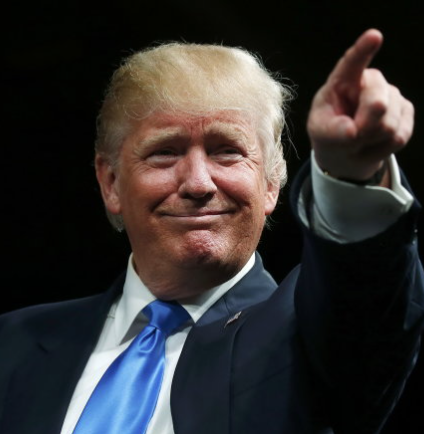
Trump Announces Nationwide Medicaid Drug-Pricing Push as All 50 States Apply to Join
President Donald Trump has announced that every state is seeking participation in a new Medicaid prescription-drug pricing model designed to align selected U.S. drug costs more closely with prices paid in other developed countries.
President Donald Trump announced Friday that all 50 states have applied to join a Medicaid drug-pricing initiative designed to lower the net cost of selected prescription medicines through international price comparisons.
The program, known as the GENEROUS Model, links participating manufacturers’ Medicaid prices to levels paid in selected foreign countries, using supplemental rebates negotiated through the Centers for Medicare & Medicaid Services.
CMS said all 50 states, the District of Columbia and Puerto Rico submitted applications, while 40 states and Puerto Rico had already signed participation agreements by September 18.
States that have not finalized agreements still have until September 30 to complete the process, making the administration’s announcement broader than the number of jurisdictions formally enrolled on Friday.
The five-year model began in January 2026 and remains voluntary for both states and drugmakers, with CMS negotiating prices and coverage terms for medicines included by participating manufacturers.
Under the system, states continue paying for covered prescriptions through Medicaid but later invoice manufacturers for supplemental rebates intended to bring the final net cost down to an international benchmark.
CMS estimates the model could reduce Medicaid prescription spending by about $5.2 billion annually, although the eventual savings will depend on participation, covered drugs, utilization and negotiated pricing details.
The White House has cited much larger savings across its broader most-favored-nation drug agreements, estimating in May that pharmaceutical pricing deals could save roughly $529 billion over ten years.
Independent analysts caution that those larger projections are difficult to verify because many commercial terms between the government and pharmaceutical companies have not been made public in sufficient detail.
Trump presented the announcement as a major affordability achievement, saying states could redirect money saved on prescription drugs toward healthcare improvements or other priorities within their budgets.
Medicaid beneficiaries themselves often pay only small prescription copayments, so much of the direct financial benefit would flow first to federal and state governments rather than immediately to patients.
Lower government spending could still affect beneficiaries indirectly if states use savings to expand services, improve access, or preserve coverage, though such decisions would remain largely under state control.
CMS says the model covers selected brand-name and other qualifying outpatient drugs from participating manufacturers, including medicines used in areas such as cancer treatment, diabetes and asthma care.
The administration says participating manufacturers will receive more standardized coverage rules across state Medicaid programs, while states gain access to internationally benchmarked prices without negotiating every agreement independently.
Medicaid already receives mandatory manufacturer rebates under federal law, and many states negotiate additional discounts, meaning GENEROUS adds another pricing mechanism rather than replacing the existing rebate system.
Net Medicaid prescription drug spending reached about $60 billion in 2024, according to CMS, after manufacturer rebates reduced gross spending that had exceeded $100 billion that year.
The announcement comes as healthcare affordability remains politically important before the November midterm elections, with voters also facing higher insurance costs following the expiration of enhanced Affordable Care Act subsidies.
Supporters of the model argue that international price comparisons can reduce what U.S. taxpayers pay for expensive medicines, while critics question transparency, durability and the effect on pharmaceutical investment.
Another unresolved question is whether future administrations will maintain the negotiated arrangements, because the model operates through executive-branch authority rather than a comprehensive new drug-pricing statute passed by Congress.
For now, the key development is that every state has applied to participate, while final enrollment, actual drug coverage and realized savings will become clearer as agreements take effect and data emerge.
Comments (0)
Loading comments...
May You Like
South Korea–Ukraine Rift Deepens Over North Korean POW Transfer as PURL Draws New Scrutiny
OBAMA STUNS ON INSTAGRAM: MESSAGE MARKING 34-YEAR MILESTONE SPARKS A BUZZ