Trump Targets Abdul El-Sayed With Controversial Remarks About Black and Jewish Voters Ahead of Midterms
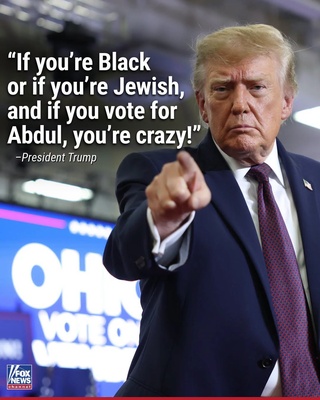
President Donald Trump is drawing attention for remarks about Democratic politician Abdul El-Sayed, with a widely circulated image quoting the president as questioning why Black or Jewish Americans would support the Michigan political figure.
The image attributes the statement, “If you're Black or if you're Jewish, and if you vote for Abdul, you're crazy,” to Trump. The quotation has the potential to fuel controversy because it combines electoral politics with references to race, religion, and voter identity.
The graphic does not provide a speech date, video clip, or complete transcript. Without that context, the exact wording and circumstances of the quotation should be independently verified before being treated as a confirmed presidential statement.

Abdul El-Sayed is a physician, public health advocate, and Democratic politician from Michigan. He previously served as executive director of the Detroit Health Department and gained national attention during his 2018 campaign for governor.
His political platform has emphasized universal healthcare, economic inequality, public investment, and progressive policy reforms.
El-Sayed's background and political positions have made him a recognizable figure within the Democratic Party's progressive wing, particularly among voters seeking alternatives to more traditional political candidates.

The controversy surrounding Trump's alleged remarks reflects a broader debate about how political leaders address voters through racial and religious identities.
Candidates frequently discuss demographic voting patterns, including the preferences of Black Americans, Jewish Americans, Latino voters, and other communities. Such analysis is common in electoral politics.
However, suggesting that people belonging to a particular community are irrational for supporting a candidate can provoke criticism because it treats a diverse group of voters as though they should share a single political opinion.
Black and Jewish Americans, like other voter groups, hold a wide range of views about economic policy, foreign affairs, education, immigration, and national security.
These differences become particularly important in closely contested elections, where relatively small shifts in voter participation can influence statewide outcomes.
The quotation in the image can now be traced to a specific event. On October 29, Trump made the remark during a campaign rally in Rock Hill, South Carolina, where he attacked El-Sayed and urged voters to support Republican candidates. A transcript confirms the wording shown in the graphic.
Trump repeated a similar message during an October 30 rally in Daytona Beach, Florida, and again during an October 31 telephone rally for Michigan Republicans. The repeated attacks demonstrate how important the Michigan Senate contest has become to the Republican Party's final election strategy.

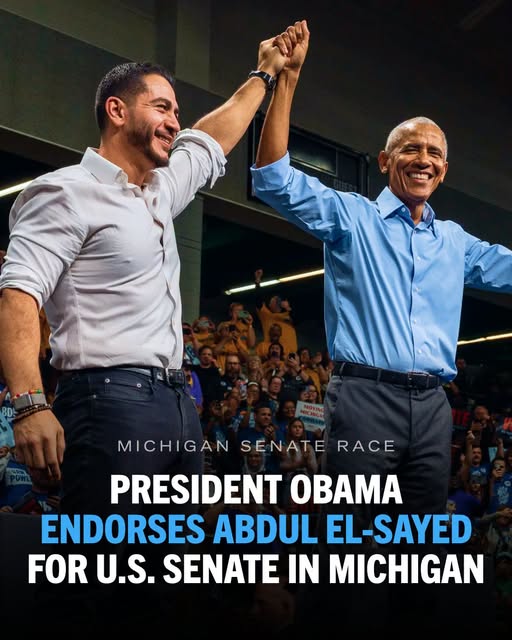
El-Sayed is competing against Republican Mike Rogers for Michigan's open U.S. Senate seat. The race is closely watched because its outcome could affect the balance of power in Washington.
Trump has accused El-Sayed of extremist affiliations, including alleged connections to the Muslim Brotherhood. El-Sayed has denied those allegations, and the accusations should not be treated as established facts without credible supporting evidence.
The Republican campaign has also focused on reaching Black voters in Detroit and surrounding communities. Republican-aligned organizations have invested in advertising and outreach designed to persuade voters who have traditionally supported Democratic candidates.
That strategy carries both opportunities and risks. Michigan's Black electorate could influence the result of a close Senate contest, but criticism directed at voters themselves may also generate backlash.
Some political observers argue that Trump's language could energize Republican supporters who already oppose El-Sayed. Others believe it could alienate undecided voters who object to personal attacks involving race or religion.
The debate is especially sensitive because El-Sayed would become the first Muslim elected to the U.S. Senate if he wins. His candidacy has therefore attracted attention extending beyond Michigan.
El-Sayed has sought to redirect the campaign toward healthcare, affordability, and economic concerns, while his Republican opponent has emphasized national security, ideological differences, and criticism of progressive policies.

The controversy also recalls Trump's previous statements about voters who support his political opponents. During the 2024 presidential campaign, he repeatedly questioned the judgment of members of various demographic groups who supported Democratic candidates.
Such remarks are a recognizable part of Trump's confrontational campaign style. They can generate extensive media coverage, reinforce support among loyal followers, and place opponents under pressure to respond.
Yet the consequences are difficult to predict. Voters may react differently depending on their priorities, political affiliations, and perceptions of the candidates.
As Election Day approaches, Michigan's Senate race has become a test of whether aggressive political messaging can shift support in a competitive state or whether it will strengthen opposition among voters who feel personally targeted.
Comments (0)
Loading comments...
May You Like