TRUMP TOWER WIRETAP CLAIM RETURNS — WHAT WAS NEVER FULLY EXPLAINED?
Editorial note: I could not verify a new September 2026 statement matching the “just 20 mins ago” wording in your video script. The documented Trump Tower wiretap accusation dates to 2017; newer 2026 White House disclosures concern other FBI and intelligence investigations, so the story below keeps those issues separate.


A familiar Trump Tower allegation is back in the spotlight, reviving questions about what happened during the final stretch of the 2016 presidential campaign — and what remains disputed today.
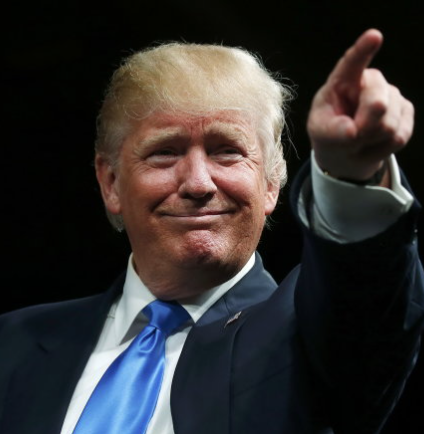
President Donald Trump made the original accusation in March 2017, saying Obama had ordered his phones at Trump Tower to be tapped before the election. Trump offered no supporting evidence publicly.
The allegation immediately triggered demands for investigations, while administration officials struggled to explain what intelligence reporting had actually suggested. The distinction between surveillance of Trump and surveillance involving associates became central.
FactCheck.org reviewed the available evidence and reported that the White House had not produced material supporting Trump’s claim that Obama personally ordered a wiretap at Trump Tower.
Former intelligence chief James Clapper also denied that the national security apparatus he supervised had conducted wiretap activity against Trump, his campaign, or Trump Tower, according to contemporaneous reporting.
The controversy grew after reports emerged about FBI applications for surveillance connected to Russian banks and Trump campaign associate Paul Manafort. Those reports did not establish that Trump Tower itself was wiretapped.
That detail matters because a surveillance order involving a foreign target, campaign associate, or financial investigation is not automatically evidence of a presidentially directed operation against Trump.
Then-FBI Director James Comey addressed the matter publicly before Congress in March 2017, saying the Justice Department and FBI had no information supporting Trump’s accusation about Obama ordering the surveillance.
Trump later pointed to additional intelligence disclosures and reporting as reasons to revisit the controversy, but fact-checkers continued to distinguish documented surveillance from the broader allegation that Obama ordered Trump Tower wiretapping.
One particularly important thread involved Manafort, whose name surfaced in reporting about surveillance warrants. Investigators were examining alleged connections to Russia, while publicly available evidence did not show that Trump himself had been targeted.
The legal mechanics also became part of the debate. Surveillance under the Foreign Intelligence Surveillance Act generally involves applications by intelligence or law-enforcement officials and authorization through the specialized court process.
In September 2017, the Justice Department told a federal court that the FBI and its National Security Division had no records matching Trump’s description of wiretaps on his phones.
That filing became another major reference point for journalists and researchers examining whether the original accusation could be supported by documentary evidence rather than political rhetoric or anonymous reports.
Years later, the surveillance controversy remains useful politically because it connects several unresolved themes: intelligence powers, campaign investigations, classified information, presidential authority, and the difficult line between legitimate surveillance and perceived political targeting.
In 2026, the issue has gained attention amid new disclosures from the Trump administration concerning earlier FBI investigations and intelligence disputes, although those disclosures do not establish the original Trump Tower wiretap claim.
The White House has emphasized newly declassified material about intelligence investigations surrounding Trump, presenting the documents as evidence of serious institutional disputes. Those claims involve different episodes and should not automatically be merged.
That distinction is easy to lose in a fast-moving news cycle, especially when dramatic phrases such as “midnight spying” or “bombshell wiretap” compress several separate investigations into one emotionally powerful narrative.
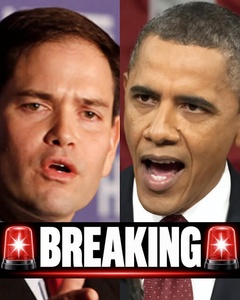
For viewers seeing a breaking-news graphic, the biggest unanswered question may sound simple: was Trump Tower actually wiretapped on Obama’s orders? The historical record available from major fact-checking sources says that remains unsupported.
A more precise description is that Trump made the accusation, surveillance of people connected to his campaign did occur in separate contexts, and later revelations fueled debate without establishing his original claim.
As the story circulates again, attention may focus on genuinely new documents, court records, or official statements that could change the picture. For now, the allegation remains powerful but unproven.
Comments (0)
Loading comments...
May You Like
Barack Obama Draws Attention With New Literary Podcast
South Korea–Ukraine Rift Deepens Over North Korean POW Transfer as PURL Draws New Scrutiny
Shocking news from Ohio: an unexpected development ahead of Trump's rally