Trump Wants Congress to Make His Border Crackdown Harder for Future Presidents to Undo
The president is calling for a “No Invasion of Our Country Act” designed to lock major border restrictions into federal law, but no president can permanently bind every future Congress or administration.
WASHINGTON, Sept. 18, 2026 — President Donald Trump is pushing Congress to transform major elements of his immigration crackdown into federal law, seeking to make them substantially harder for future presidents to reverse.
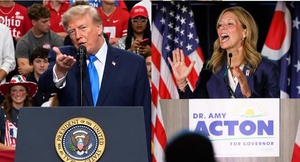
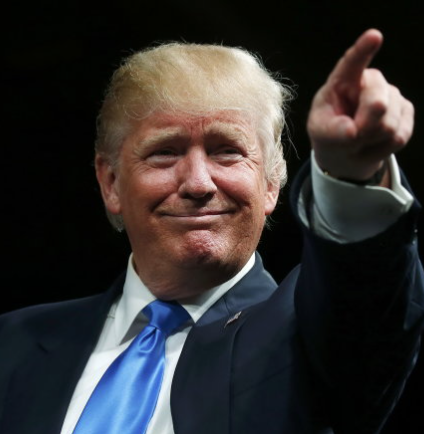
Trump unveiled the proposal during the Republican midterm convention in Dallas, where immigration formed a central part of his argument for keeping Republicans in control of Congress after November’s elections.
The president said Republicans would pass what he called the “No Invasion of Our Country Act,” describing legislation intended to prevent a future administration from reversing his border-enforcement policies.
Trump went considerably further rhetorically, saying the legislation would make it “legally impossible” for a future president to reopen the border after his administration’s dramatic reduction in illegal crossings.


That claim requires an important qualification. The proposal would not literally make future changes to American immigration policy impossible, because Congress cannot generally prevent a later Congress from amending or repealing federal legislation.
The eventual impact would instead depend on what Congress writes into statute, including which enforcement requirements become mandatory and how much discretion remains with the president, Homeland Security and immigration agencies.
As of this week, no publicly available legislative text carrying the specific title “No Invasion of Our Country Act” has surfaced, leaving many important details of Trump’s proposal unresolved.
That means it is not yet clear precisely how the legislation would address asylum, parole, detention, deportation, border barriers, migrant releases or presidential authority over enforcement priorities.
Trump’s proposal nevertheless fits a broader Republican effort already underway: converting immigration policies that currently depend partly on executive authority into statutes that a future president could not repeal through executive action alone.
Republican Rep. Lauren Boebert made that objective explicit this week, arguing Congress should codify Trump’s executive orders so future administrations cannot simply reverse the current border strategy.
Another Republican proposal is already much further along. Rep. Chip Roy introduced H.R. 9773, the Permanent Trump Secure Border Act, on July 20, according to official congressional records published by GovInfo.
That legislation proposes extensive changes across federal immigration law rather than simply declaring the border permanently closed, including amendments touching asylum, detention, admissibility and other immigration procedures.
The bill has been referred to the House Judiciary and Foreign Affairs committees and, according to the latest official status listed by GovInfo, has not yet become law.
Trump has already secured another significant legislative victory on immigration. The Secure America Act provided tens of billions of dollars for Immigration and Customs Enforcement and Border Patrol through fiscal year 2029.
The administration supported that legislation partly because multiyear funding makes immigration enforcement less vulnerable to annual congressional budget disputes throughout the remainder of Trump’s current presidential term.
The Washington Post reported that Republicans provided approximately $70 billion over three years for immigration enforcement, giving ICE and CBP substantial resources extending beyond this year’s midterm election.


The administration argues those policies have produced dramatic results. The White House says illegal crossings have fallen to historic lows and that migrant releases into the country have effectively stopped.
Boebert similarly said this week that daily southwest-border encounters have fallen roughly 95%, from more than 5,000 per day to approximately 250, while advocating permanent legislation based on Trump’s approach.
Those figures form a major part of the Republican argument for codification: supporters say policy should not swing dramatically whenever control of the White House changes between the two parties.
Trump and Republican lawmakers frequently describe the previous Biden administration as maintaining an “open border.” That is political terminology rather than a formal legal designation for the U.S.-Mexico border.
The border remained legally controlled during Biden’s presidency, with federal immigration statutes, ports of entry, Border Patrol operations, removals and asylum procedures continuing even as encounters reached exceptionally high levels during portions of his term.
The distinction matters because legislation cannot simply make “opening the border” a crime without defining which governmental actions, omissions or exercises of presidential discretion would violate federal law.
Congress does possess exceptionally broad constitutional authority over immigration and can substantially restrict what a president is permitted to do by writing specific requirements into federal statute.
A president generally cannot cancel such a statute with an executive order. That is one reason Trump and congressional Republicans want to convert policies currently dependent on executive decisions into legislation.
But even a federal statute would not permanently freeze immigration policy. A future Congress could amend or repeal it, and courts could invalidate provisions found inconsistent with the Constitution or other controlling law.
Future presidents could also retain significant implementation discretion depending upon how legislation is written, particularly concerning enforcement priorities, available resources and decisions delegated by Congress to executive agencies.
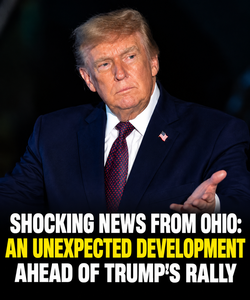
This makes the viral graphic’s statement that Trump wants to make it “illegal for any future president to reopen the border” directionally related to Trump’s rhetoric but legally oversimplified.
A more precise description is that Trump wants Congress to restrict future presidents’ ability to reverse his border policies unilaterally, forcing major changes to go back through Congress rather than occur primarily through executive action.
The proposal is also intertwined with November’s elections. Trump introduced it while asking voters to retain Republican control of both congressional chambers, making passage dependent partly on the composition of the next Congress.
For now, the “No Invasion of Our Country Act” remains a presidential proposal rather than enacted federal law, while Roy’s separate Permanent Trump Secure Border Act provides a more detailed example of congressional efforts already underway.
Comments (0)
Loading comments...
May You Like

Jack Smith Defends His Integrity as Trump Investigations Face Renewed Political Firestorm