
TRUMP WARNS OF IRAN’S WEAPONS OF DESTRUCTION — AN ABSOLUTE THREAT TO THE UNITED STATES?
TRUMP WARNS IRAN MAY BE DEVELOPING CHEMICAL AND BIOLOGICAL WEAPONS — IS TEHRAN'S NEXT THREAT MORE DANGEROUS THAN NUCLEAR MISSILES?
WASHINGTON, D.C. — NOVEMBER 20, 2026

President Donald Trump has raised a new alarm about Iran's military ambitions, suggesting Tehran may be exploring chemical and biological weapons after American strikes disrupted its nuclear program.
The allegations have intensified concern in Washington, particularly following intelligence reports about a possible Iranian plot involving unconventional weapons in the U.S. capital.
But the evidence remains disputed.
While Trump has suggested that Iran is considering alternative weapons of mass destruction, American officials have not publicly demonstrated that Tehran possesses a newly operational chemical or biological arsenal.
And contrary to some reports, Iran has explicitly denied the allegations.
The central question is no longer simply what weapons Iran might be researching. It is whether intelligence agencies can establish a credible threat before political tensions lead to another military escalation.
Reuters+1
Trump Claims Iran Is Exploring Chemical and Biological Warfare
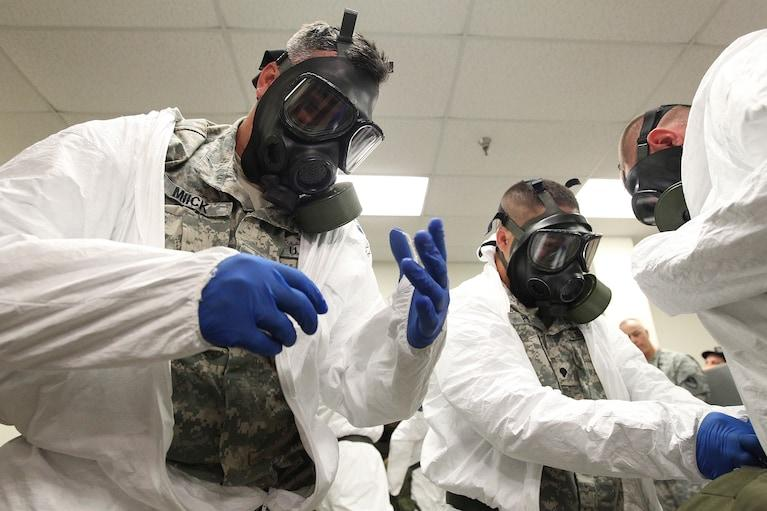
In a Fox News interview aired November 18, Trump suggested that Iran was examining unconventional weapons as alternatives to its nuclear program.
He stated:
“There is indication that Iran is looking at gases, looking at bio.”
Trump linked those concerns to the setbacks suffered by Iran's nuclear program during the conflict.
He also referred to biological weapons as particularly troubling, although he did not publicly provide intelligence documents or other verifiable evidence supporting the allegation.
jpost.com
His remarks followed reports that Israeli intelligence officials had raised concerns about Iranian chemical-weapons research with the U.S. administration.
An allegation that a country is researching unconventional weapons, however, is not proof that it has produced, stockpiled or deployed them.
Israeli Intelligence Raises Concerns About Iran's Secret Weapons Programs
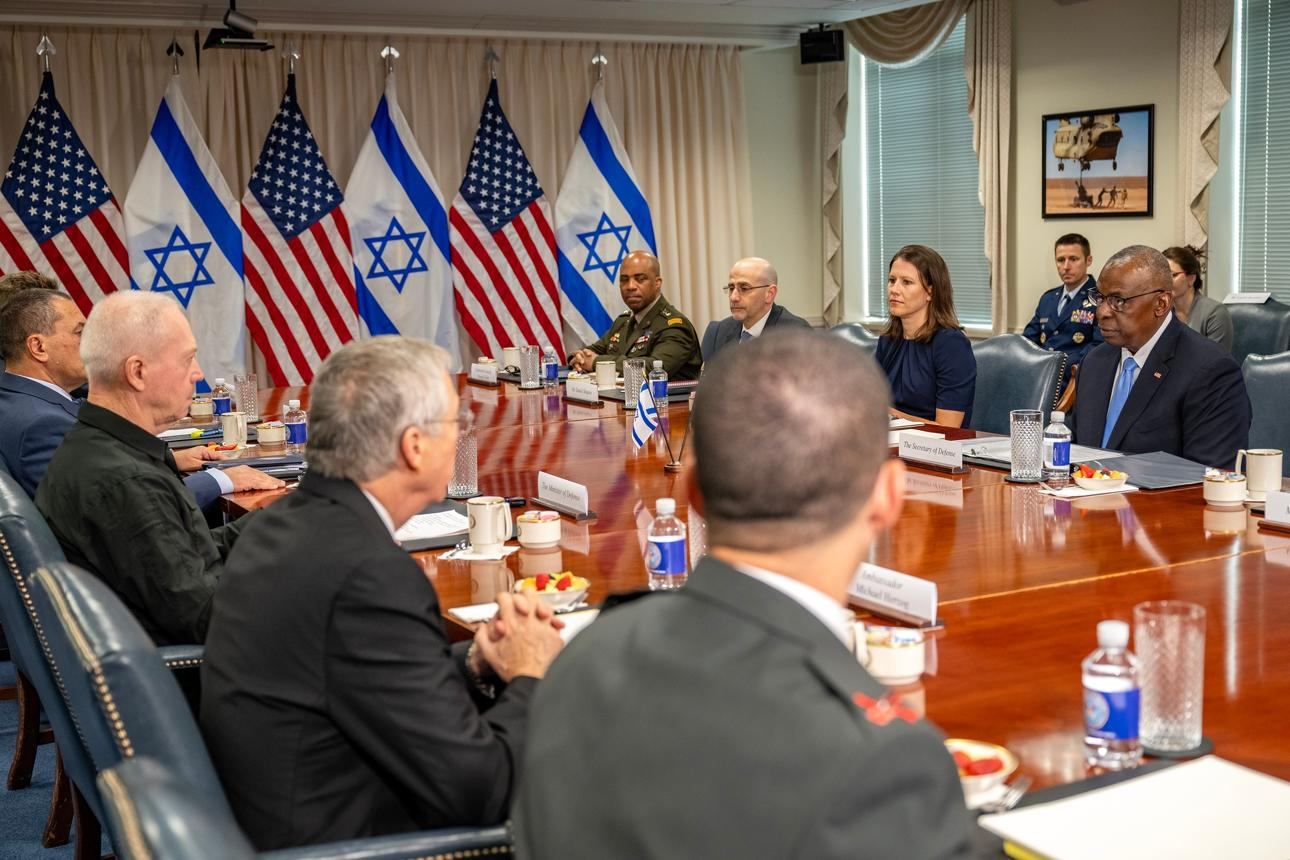
According to Axios reporting published November 19, Israeli intelligence officials recently presented Washington with information suggesting that Iran had increased research and development related to chemical weapons.
Mossad Director Roman Gofman reportedly traveled to the United States for discussions with senior American officials, including CIA Director John Ratcliffe.
Israel claimed its intelligence indicated that Iran had expanded chemical-weapons research and conducted tests.
However, the assessments were not universally accepted.
Some American officials reportedly questioned the urgency of the alleged threat, with one expressing concern that the Israeli presentation was influenced by an agenda favoring renewed military action.
Axios
The disagreement matters because intelligence assessments can influence decisions about military operations, sanctions and diplomatic negotiations.
Iran Denies the Allegations — What Has Actually Been Confirmed?
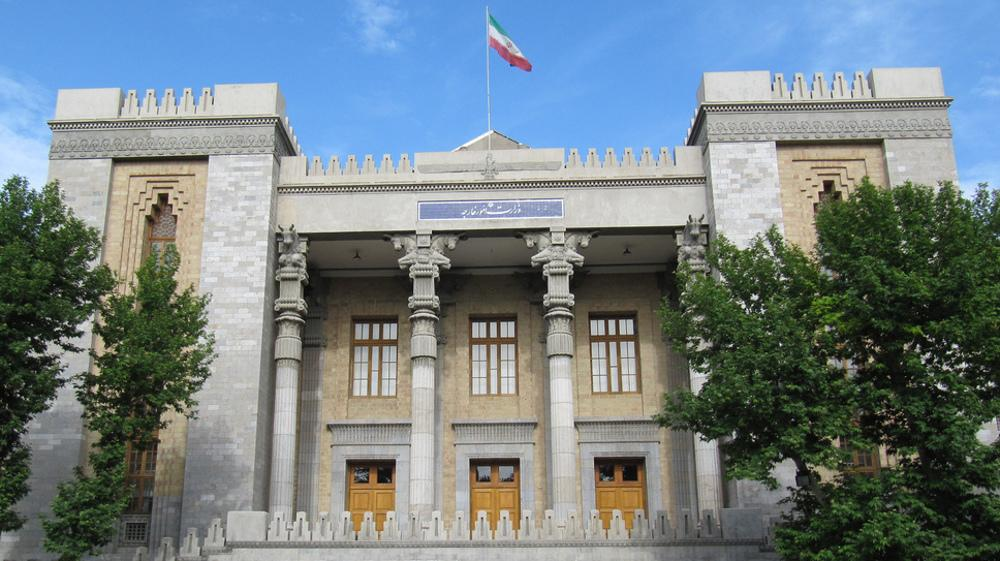
Iran's Foreign Ministry has rejected the accusations that Tehran is developing chemical and biological weapons.
According to Reuters, Tehran described the allegations as an attempt to spread fear and provide justification for further military action.
Iran's mission to the United Nations also rejected claims about chemical weapons, describing their use as illegitimate.
Reuters+1
The distinction between confirmed information and disputed allegations is essential.
|
Claim |
What the available evidence establishes
Trump accused Iran of exploring chemical and biological weapons
Confirmed public statement
Israeli intelligence raised concerns about chemical-weapons research
Reported by Axios
Iran has an operational new chemical-weapons arsenal
Not publicly established
Iran possesses deployable biological weapons
Not publicly established
Iran plans an imminent unconventional attack in Washington
Not established
Iran has denied the allegations
Confirmed
The available reporting does not justify presenting an Iranian chemical or biological weapons stockpile as an established fact.
What Are Chemical and Biological Weapons?
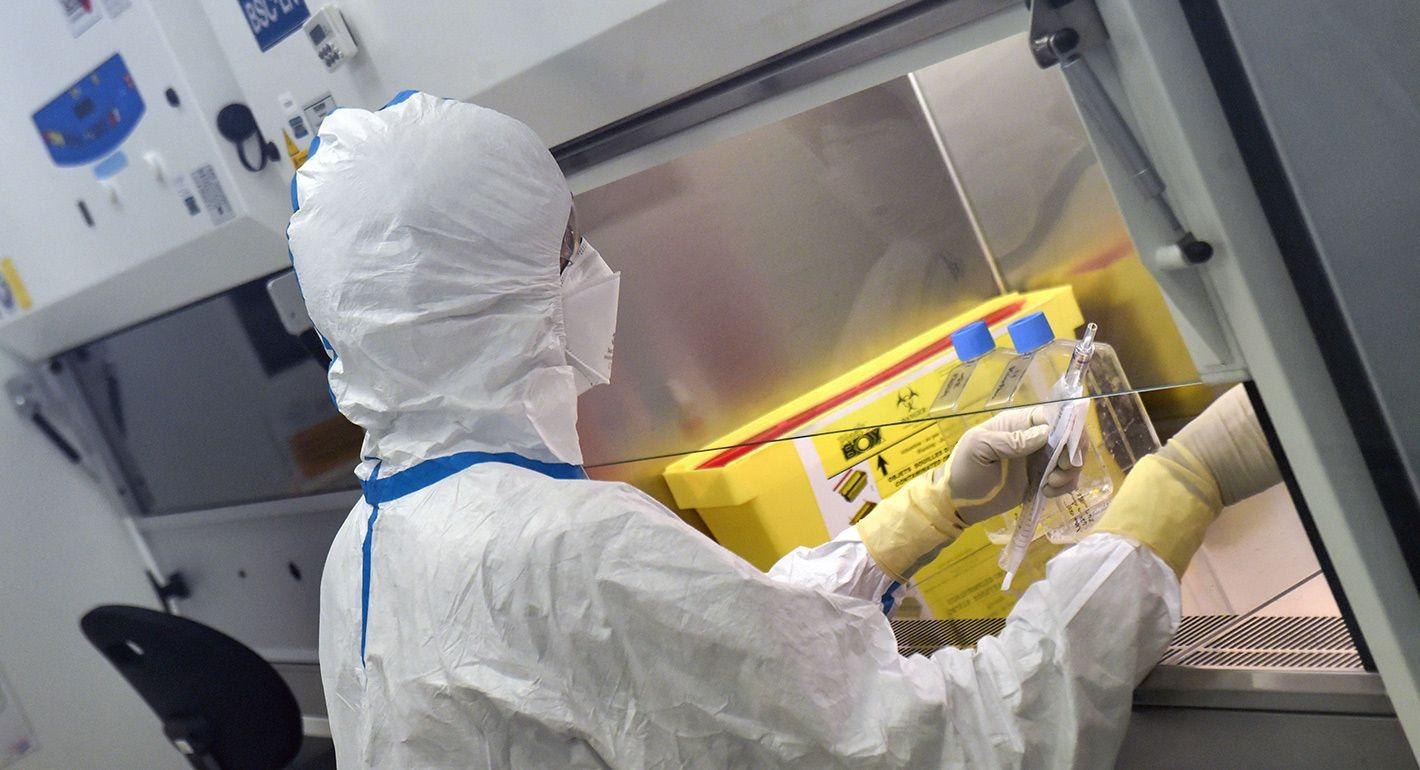
Chemical and biological weapons are two different categories of unconventional weapons.
Chemical weapons involve toxic chemicals used to cause harm through their poisonous properties.
Biological weapons involve disease-causing organisms or toxins deliberately used as weapons.
Both categories are subject to international prohibitions because their use can cause severe suffering and threaten civilian populations.
Understanding the different threats
|
Weapon category |
Main danger
Chemical
Toxic exposure and potentially widespread casualties
Biological
Disease or toxin exposure; some agents may spread beyond the initial incident
Radiological dirty bomb
Conventional explosion combined with radioactive contamination
Nuclear weapon
Nuclear explosion with blast, heat and radiation effects
A radiological dirty bomb is not the same as a nuclear bomb. It uses conventional explosives to disperse radioactive material rather than producing a nuclear detonation.
Experts also emphasize that possessing scientific expertise or conducting legitimate research does not automatically demonstrate the existence of an operational weapons program.
Al Jazeera
The Washington Dirty-Bomb Allegation: Is America's Capital in Danger?
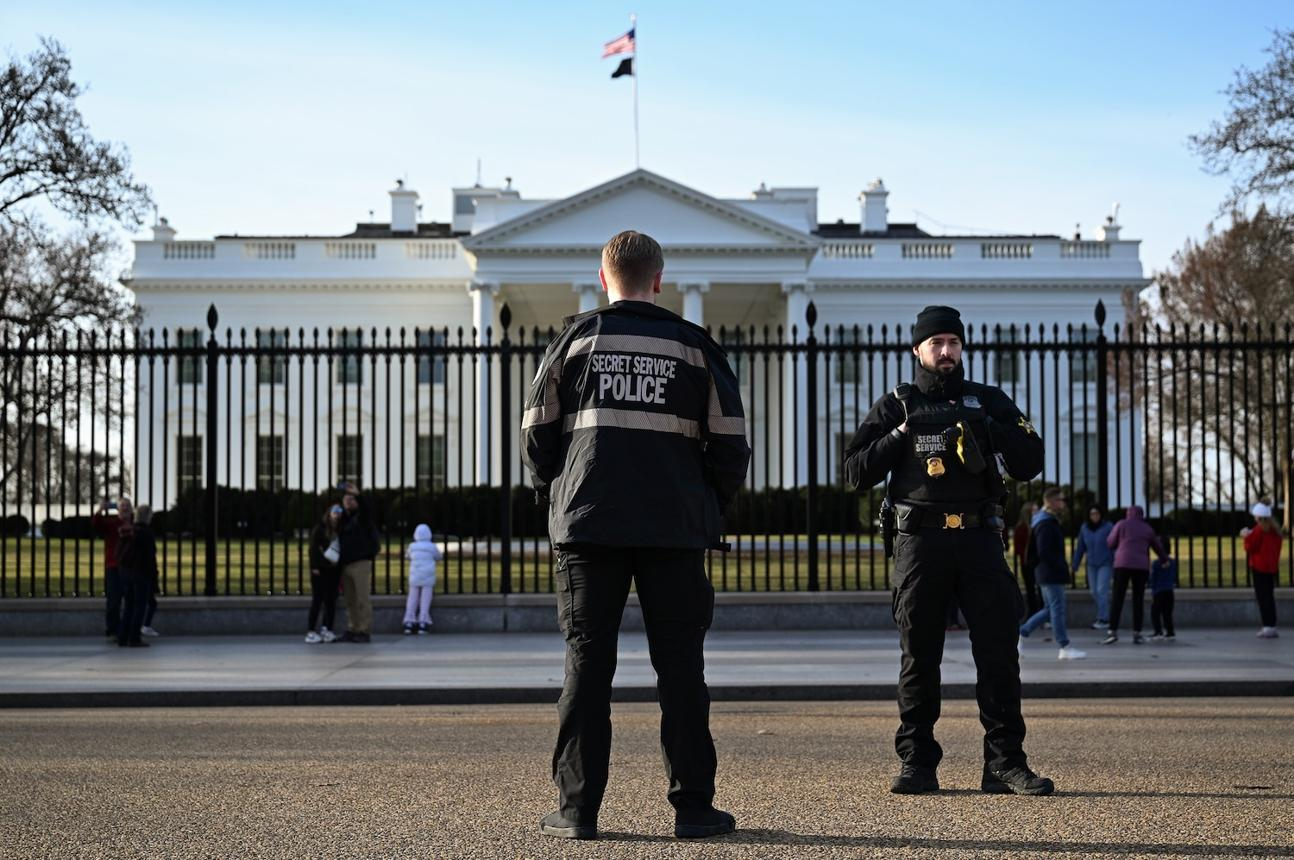
The controversy intensified after CNN reported on November 16 that U.S. intelligence had detected indications of possible Iranian planning involving a dirty bomb or chemical weapon.
According to seven American officials cited in the report, the alleged plans involved potential attacks against senior members of the Trump administration in Washington, D.C.
However, intelligence officials reportedly disagreed about whether Iran possessed the operational capability or intention to carry out such an attack.
The White House stated that it was monitoring potential threats but had identified no credible threat to the homeland at that time.
KRDO+1
Trump subsequently said the administration was taking the reports seriously, while also indicating that he did not believe Washington residents needed to be alarmed.
The intelligence reporting therefore raises security concerns without establishing that an attack is imminent.
Rubio Says There Is No Imminent Threat
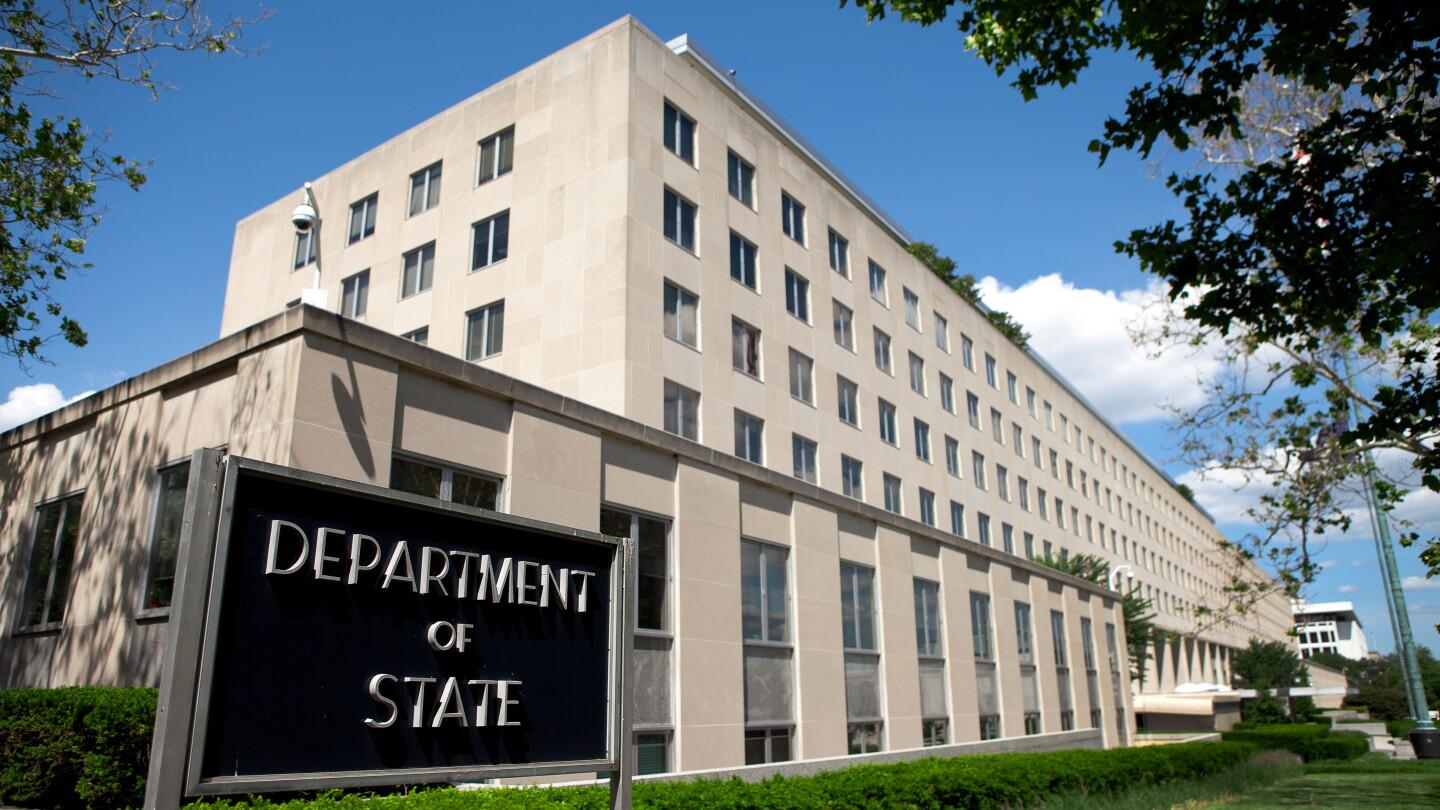
Secretary of State Marco Rubio sought to temper public concern.
On November 18, Rubio indicated that the United States was not facing an imminent threat of the kind described in the intelligence reports.
Homeland Security Secretary Markwayne Mullin similarly said there was no indication of an impending attack.
Al Jazeera
These statements do not mean intelligence agencies have stopped investigating.
They mean that the publicly available assessments do not support claims that an unconventional attack is about to occur.
A possible threat under investigation is not the same as a confirmed attack plan ready for execution.
Why Chemical and Biological Weapons Raise Special Concerns
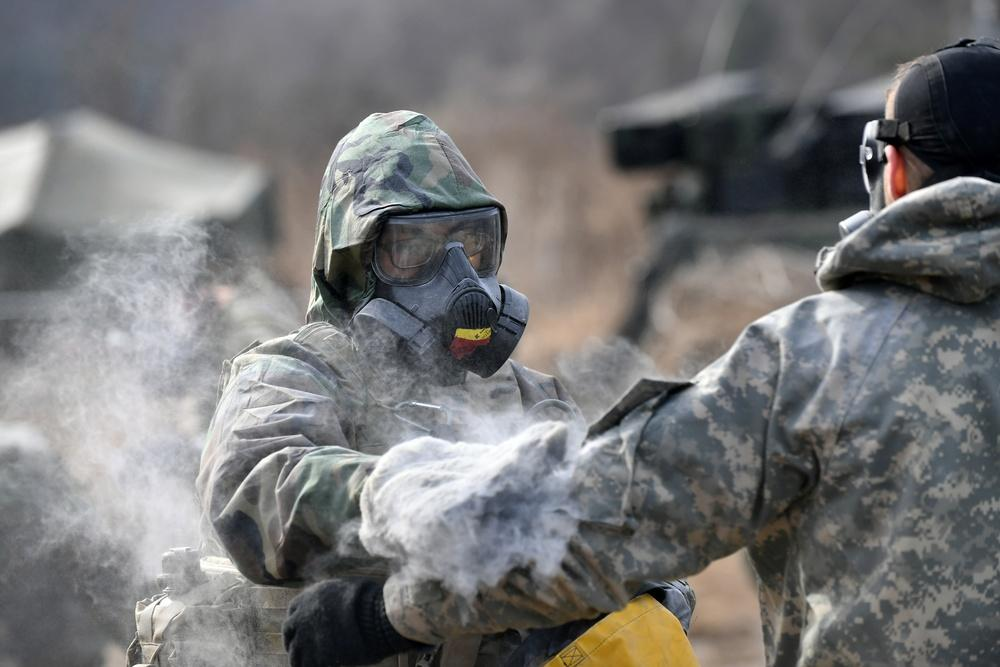
Governments take allegations involving unconventional weapons seriously because the consequences of their use can extend beyond conventional military targets.
Potential risks include civilian casualties, public-health emergencies, contamination, economic disruption and widespread fear.
Biological incidents may also require specialized public-health responses, while chemical incidents can demand rapid emergency medical care and environmental assessment.
Nevertheless, the actual consequences of any incident depend on the agent involved, the scale of exposure and the effectiveness of emergency response.
It would be misleading to assume that every chemical or biological weapon would produce devastation comparable to a nuclear explosion.
Iran's History With Chemical Weapons

Iran's experience with chemical warfare is shaped by the 1980–1988 Iran-Iraq War.
During that conflict, Iraqi forces used chemical weapons against Iranian troops and civilians, as well as against Kurdish communities in Iraq.
Iran has repeatedly cited this history when discussing the international prohibition of chemical weapons.
Tehran is a party to both the Chemical Weapons Convention and the Biological Weapons Convention.
Al Jazeera
These treaties prohibit the development, production and stockpiling of the weapons they cover.
Iran's treaty membership does not independently resolve every intelligence concern, but it establishes clear international legal obligations.
Could Chemical Weapons Replace Iran's Nuclear Program?
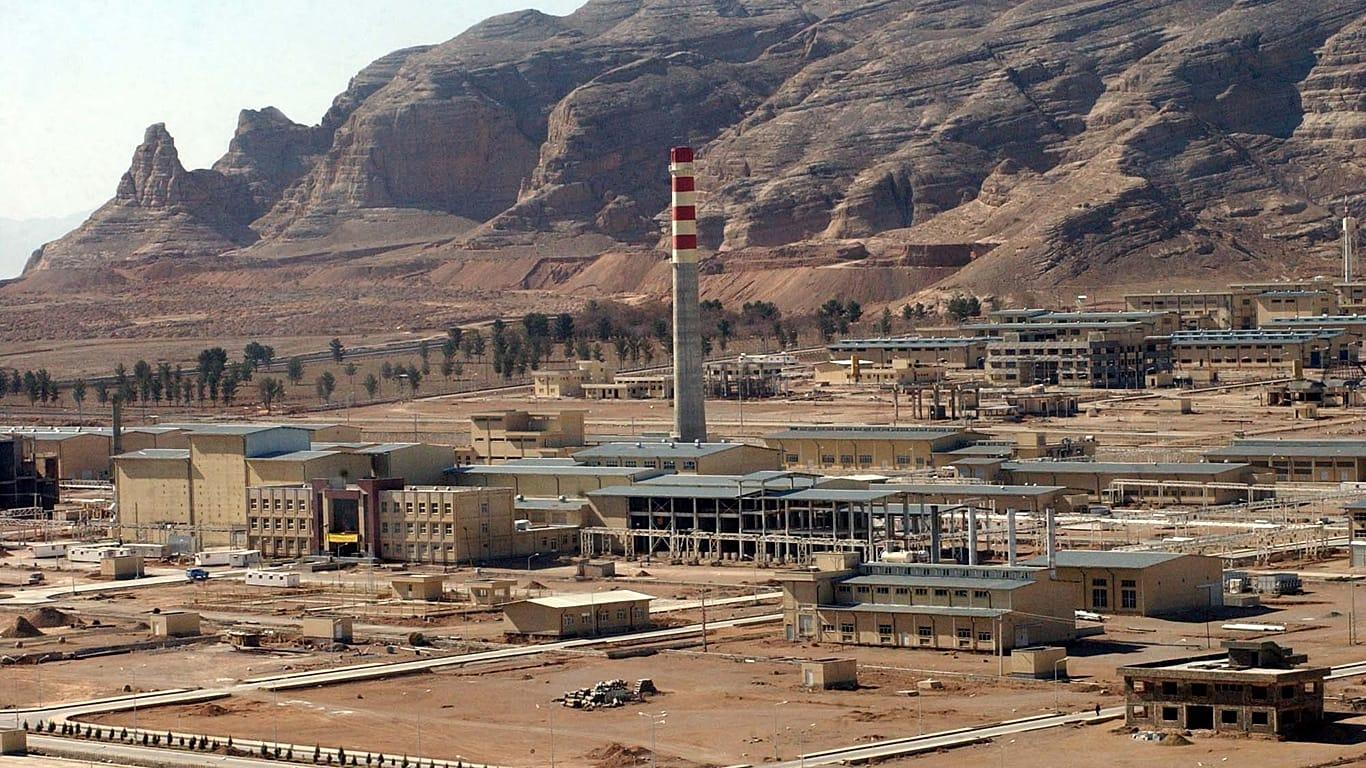
Trump has suggested that Iran may be considering chemical and biological weapons because its nuclear program has suffered setbacks.
But describing these weapons as interchangeable substitutes would oversimplify their military characteristics.
Nuclear, chemical and biological weapons differ greatly in their effects, technical requirements, delivery challenges and strategic implications.
A government might research multiple military capabilities, but that does not establish that it has decided to develop a particular weapon.
Security analysts interviewed by Al Jazeera also emphasized the difference between possessing scientific knowledge and having the capability and intent to conduct a specific attack.
Al Jazeera
The most important unresolved question is whether the allegations are supported by reliable, corroborated intelligence.
Could the Allegations Trigger Another American Military Offensive?
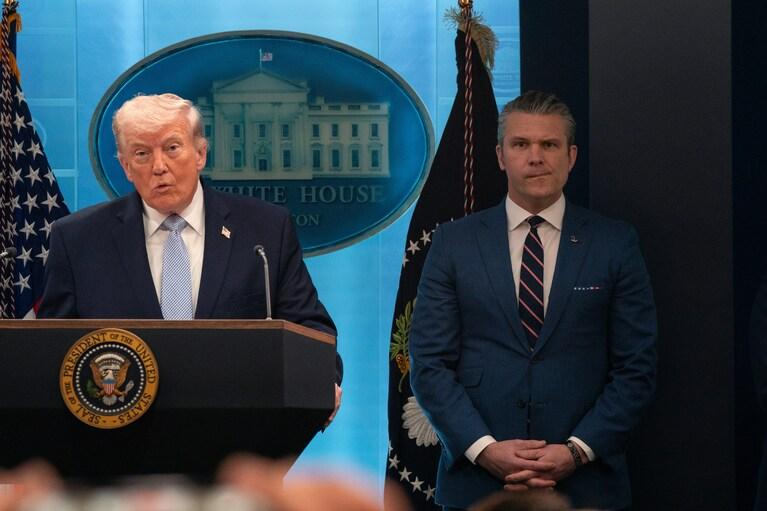
The allegations have emerged while Washington is considering its next steps in the conflict with Iran.
According to Axios, the White House has asked military and intelligence officials to evaluate possible strike scenarios and their consequences.
Israeli officials have advocated renewed action, while some American officials have questioned the urgency of the unconventional-weapons threat.
Axios
Yet Trump has also indicated that he is in no hurry to make another major military decision.
Speaking to Reuters on November 19, he suggested that the issue of renewed strikes could be revisited after January 1, 2027.
Reuters
The administration therefore appears to be considering military and diplomatic options while assessing the risks of further escalation.
There is no publicly confirmed decision to launch a new campaign specifically against Iranian chemical or biological weapons facilities.
The Iraq War's Weapons-of-Mass-Destruction Lesson
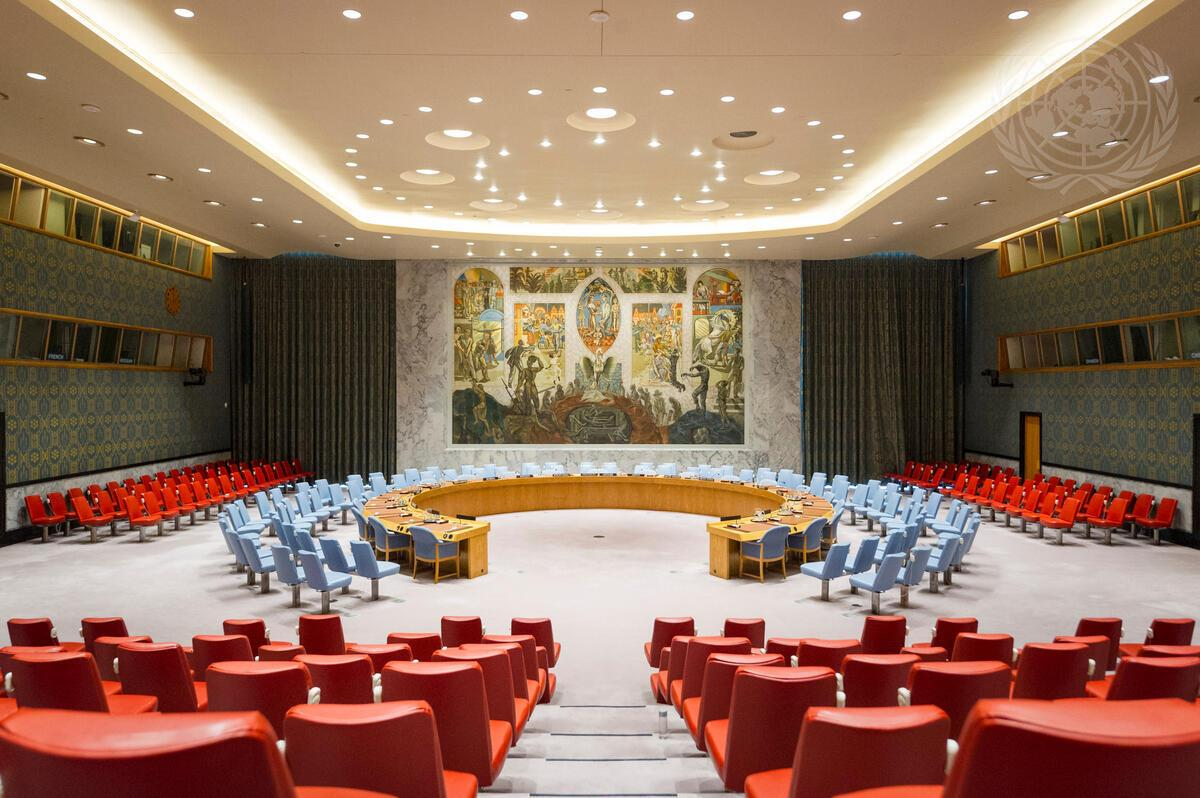
The latest allegations inevitably raise questions about the quality of intelligence used to justify military action.
Before the 2003 invasion of Iraq, American and British officials made claims about Iraqi weapons of mass destruction that were subsequently found to be substantially incorrect.
Investigations after the invasion failed to uncover the active stockpiles that had been central to the public case for war.
The historical comparison does not prove that the current allegations about Iran are false.
It does demonstrate why independent verification, intelligence scrutiny and clear distinctions between evidence and speculation are essential before major military decisions.
Al Jazeera
What Would a New U.S.–Iran Escalation Mean for Americans?
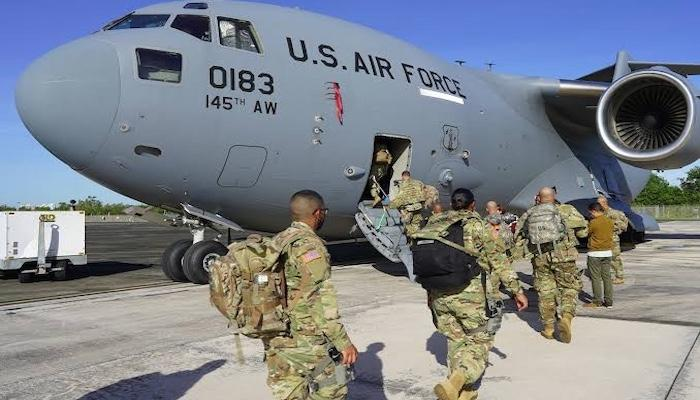
A new military confrontation could affect Americans in several ways.
For service members, expanded operations could increase exposure to military risks.
For households, regional instability could contribute to energy-price volatility and higher transportation costs.
For taxpayers, additional military operations could require further federal expenditures.
And for the broader economy, uncertainty about international shipping and Middle Eastern energy supplies could affect business investment and consumer confidence.
These consequences are potential risks, not guaranteed outcomes.
The magnitude of any impact would depend on the scale and duration of renewed hostilities.
What Evidence Would Be Needed to Confirm Iran's Alleged Weapons Program?
A credible public assessment would need more than political statements or reports about undisclosed intelligence.
Relevant evidence could include independently corroborated intelligence findings, verified physical samples, documented prohibited activities or conclusions from competent international investigative bodies.
It would also be necessary to distinguish among research, production, stockpiling, deployment and actual operational capability.
Those are different stages, and evidence of one does not automatically establish the others.
Until additional reliable information becomes available, the existence of a newly operational Iranian chemical or biological arsenal remains unproven.
Is Iran's Greatest Threat Still Its Nuclear Program — or Something Else?
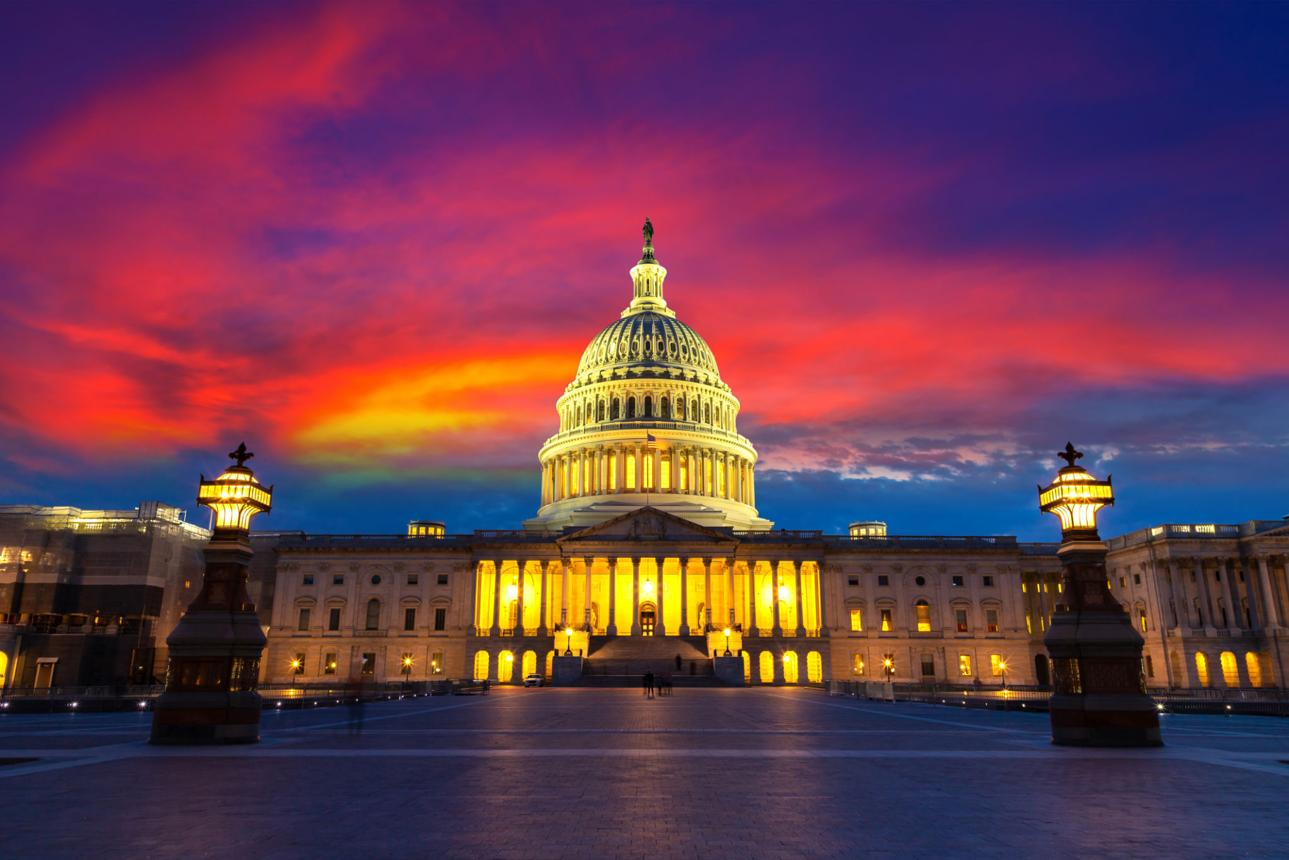
Trump has warned that Iran may be exploring chemical and biological weapons.
Israeli intelligence officials have reportedly raised concerns about related research.
American security agencies are examining reports of possible unconventional attack planning.
But Iran denies the allegations, senior U.S. officials have said there is no imminent threat, and publicly available evidence does not establish that Tehran has deployed a new arsenal of weapons of mass destruction.
The danger of unconventional weapons is serious. So is the danger of treating unverified allegations as established facts.
For Washington, the challenge is to protect national security while ensuring that any major decision rests on reliable evidence.
Should the United States demand stronger international inspections and independent verification before considering further military action?
And what evidence would convince Americans that the reported threat is real?
AMERICA, WHAT DO YOU THINK? SHARE YOUR OPINION IN THE COMMENTS BELOW!
Comments (0)
Loading comments...
May You Like

AMERICA’S NEW-GENERATION AIRCRAFT CARRIERS — MILITARY MIGHT BUILT AT THE EXPENSE OF THE PEOPLE

WARNING: OVER 1 MILLION COULD LOSE POWER AND NEARLY 2 MILLION FACE WATER ALERTS ON THANKSGIVING!

ELON MUSK'S MILLION-SATELLITE MEGAPROJECT — THE NEXT FRONTIER OF AMERICAN SPACE POWER?









Popular Posts




