
TRUMP WEIGHS A DEAL WITH DEMOCRATS AS REPUBLICANS QUESTION HIS NEXT MOVE
WASHINGTON — NOV 21, 2026 — President Donald Trump is weighing a new relationship with congressional Democrats after an election that has changed the balance of power and left Republicans debating their next move.
The president has raised the possibility of working with the incoming majority, placing future negotiations over government spending and other domestic priorities at the center of Washington’s political calendar.
Those discussions could test both parties as Democratic leaders prepare to control Congress in January and Republican lawmakers assess how much influence they can retain over the administration’s agenda.
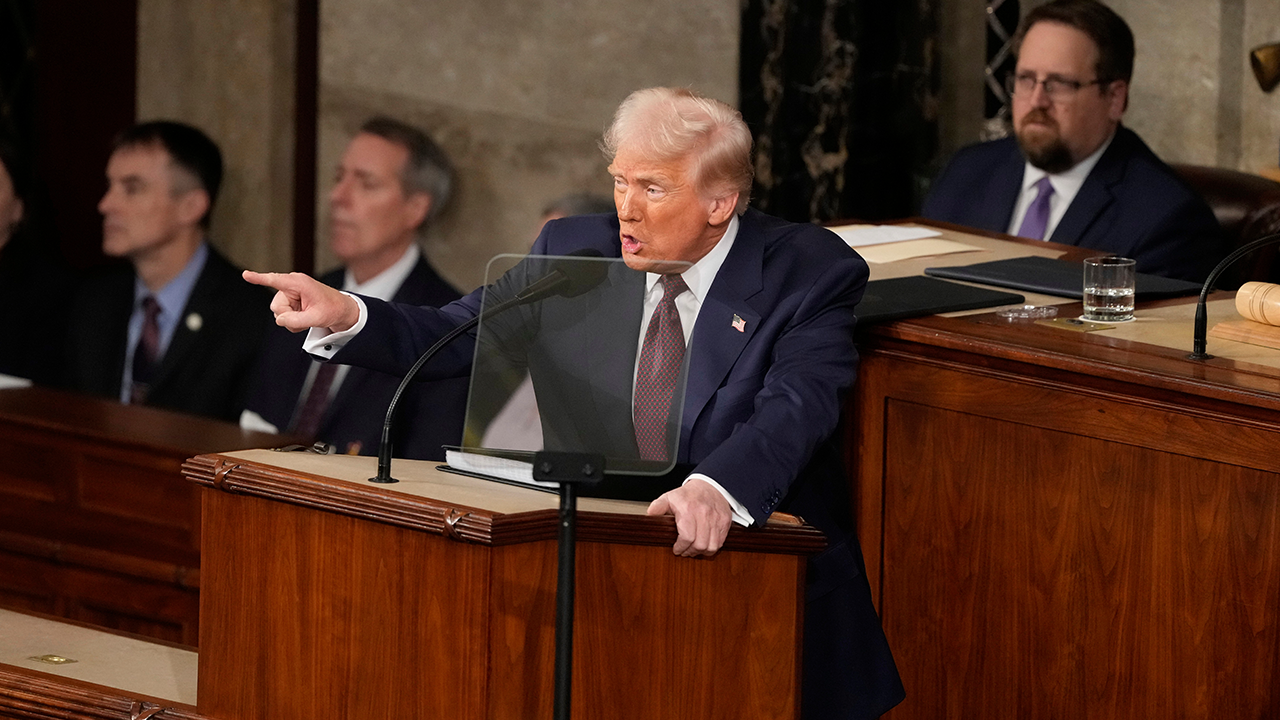
Democrats won majorities in the House and Senate in the November midterms, creating divided government for the remaining 2 years of Trump’s current term in the White House.
Republicans remain in charge during the outgoing Congress, where leaders face decisions on government funding and other unfinished legislation before the newly elected members take their seats.
Under divided government, legislation generally requires support in both chambers and the president’s signature, unless Congress assembles the much larger majorities needed to override a presidential veto.
Trump has pointed to health care as an area where he could work with Democrats, while also emphasizing that he retains the power to block bills he opposes.
Democrats have discussed lowering medical costs and using their incoming committee authority to scrutinize the administration, including the overlap between public responsibilities and private business interests.
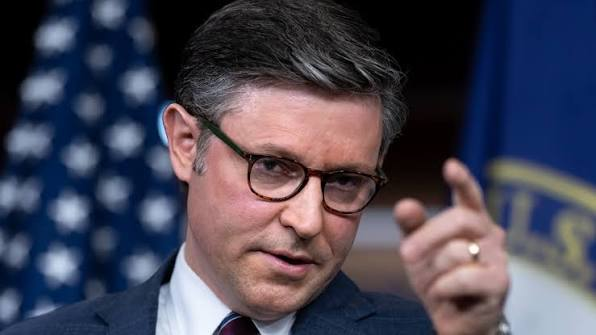
Some Republicans worry that negotiations could weaken their position on taxes, spending or regulation, especially if the White House reaches agreements before consulting the party’s congressional leadership.
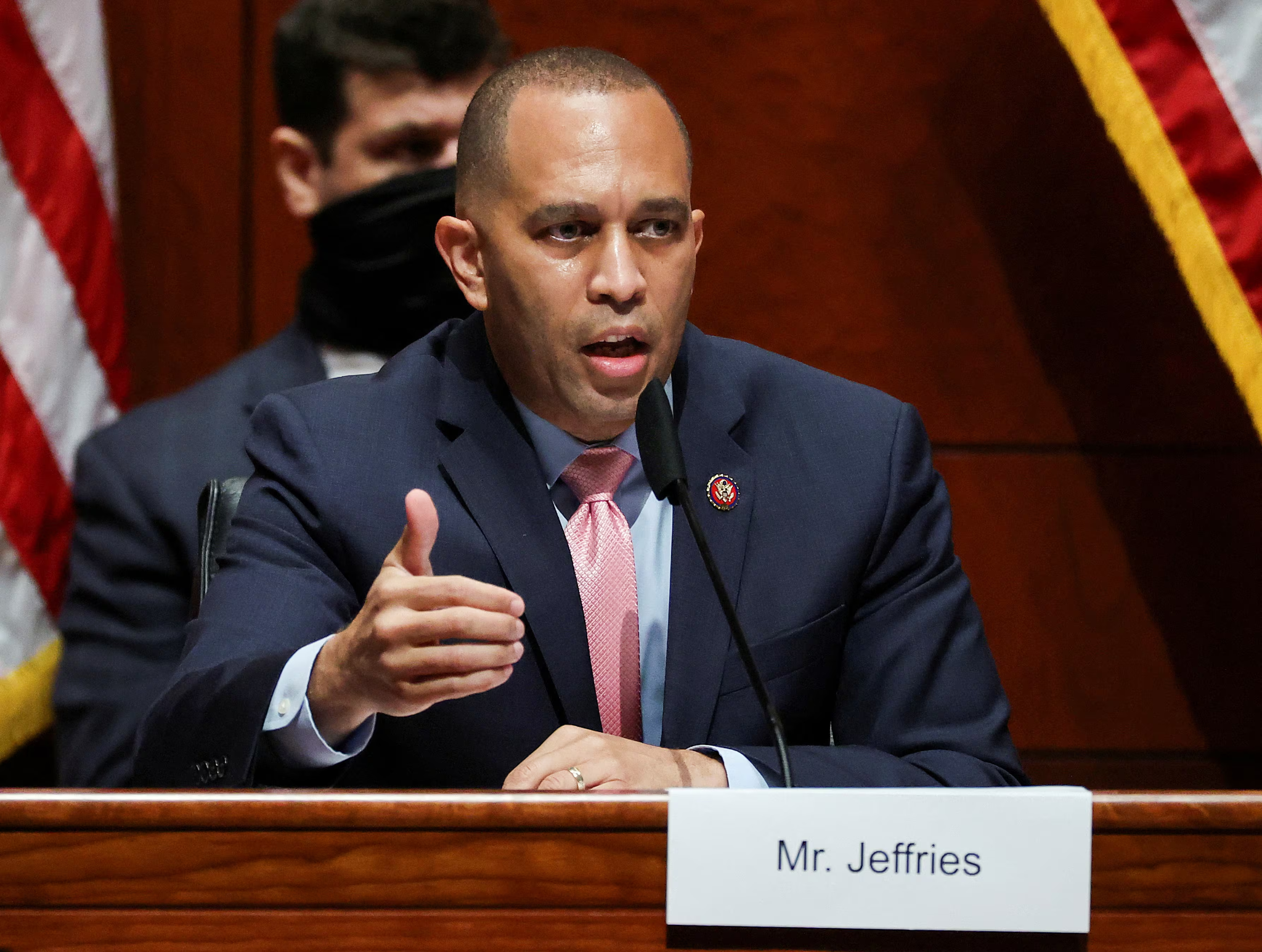
Others see a narrower opportunity to shape individual bills, arguing that a minority can still influence policy if its votes help bridge differences between the president and Democrats.
Discussions among administration officials have therefore focused on legislation that could appeal to both parties without requiring either side to embrace the other’s entire platform.
Health care has emerged as a possible starting point because voters have consistently identified affordability as an important issue, and lawmakers in both parties have discussed lowering costs.
Democrats want any agreement to provide visible relief for households, while Republicans are pressing the White House to protect limits on federal spending and preserve private coverage options.
Neither side has enough leverage to dictate a complete package on its own, leaving the president’s staff to examine which proposals might attract votes from lawmakers across the aisle.
A draft framework circulated among senior advisers pairs temporary assistance for families facing higher insurance premiums with faster approval of selected energy and data center projects.
The proposal would also direct federal agencies to publish contract awards and require independent reviews of potential conflicts of interest before participating companies receive public funding.
Advisers backing the plan believe Trump could claim progress on health care while securing infrastructure investment that business groups have sought, according to officials familiar with the discussions.
Democratic negotiators have not agreed to the framework and are seeking stronger consumer protections, while Republican lawmakers have asked for a full accounting of the package’s cost.
The business Trump is pursuing is a proposed political and economic bargain: exchange support for health insurance relief for backing for infrastructure approvals and investment, subject to public oversight.
No agreement has been finalized, and the outcome depends on whether the White House and the incoming Congress can assemble enough votes without losing support from their own parties.
Comments (0)
Loading comments...
May You Like

IRAN THREATENS SHIPS OVER HORMUZ PASSAGE AFTER CLAIMING A MINE STRIKE

AMERICA'S LUCAS DRONE — A POTENTIAL GAME CHANGER IN THE SOUTH CHINA SEA?

ELON MUSK'S MILLION-SATELLITE MEGAPROJECT — THE NEXT FRONTIER OF AMERICAN SPACE POWER?













