
Trump–Zelenskyy Rift Deepens as Ukraine War
Trump–Zelenskyy Rift Deepens as Ukraine War Peace Negotiations Face New Uncertainty
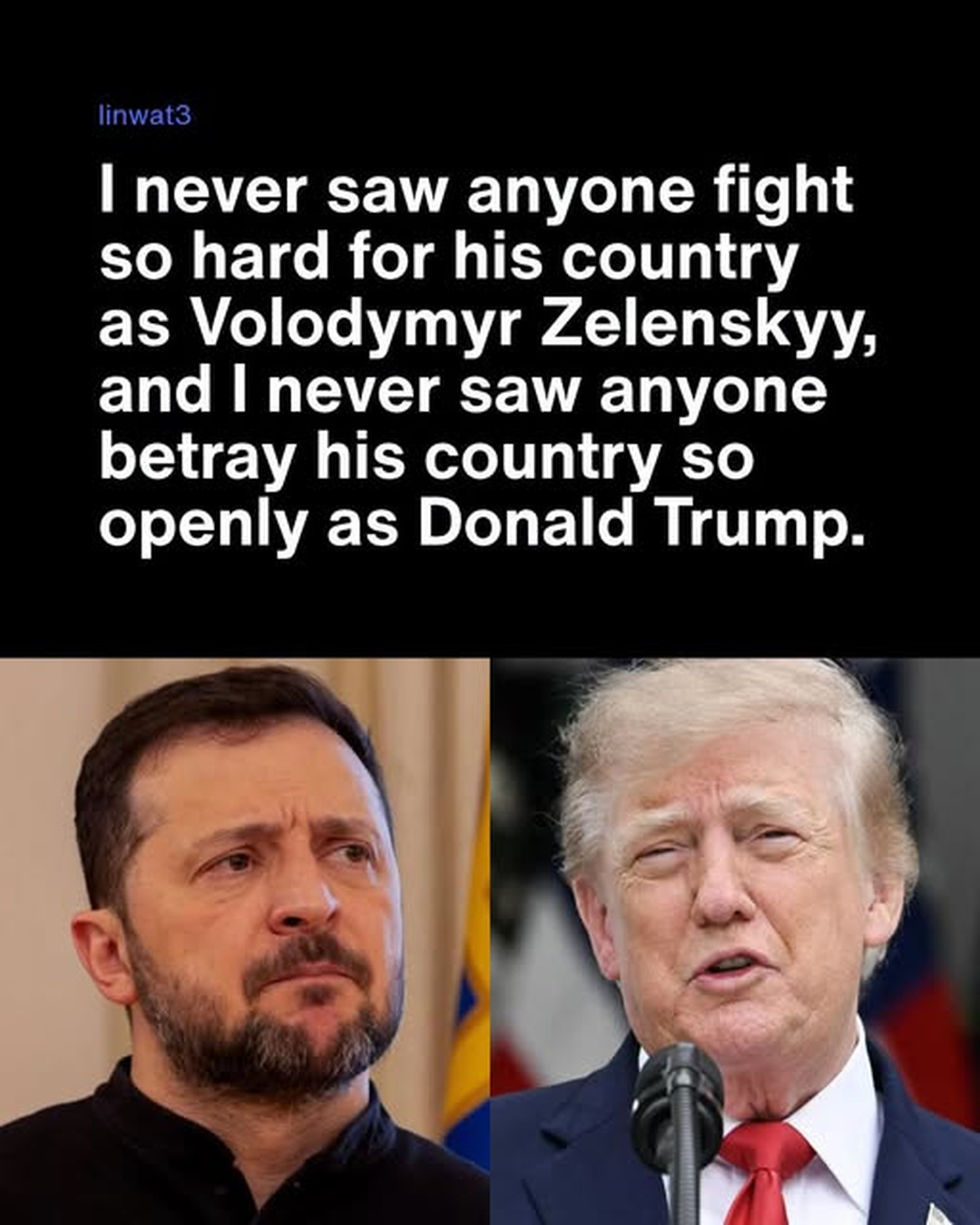


The relationship between U.S. President Donald Trump and Ukrainian President Volodymyr Zelenskyy has come under renewed strain, as disagreements over peace negotiations, military assistance, and Russia policy dominate international headlines.
The latest dispute intensified on October 19, when Trump suggested that someone else should negotiate on Ukraine’s behalf, questioning Zelenskyy’s approach to ending the war with Russia.
Trump told reporters that Zelenskyy should have secured a settlement earlier and argued that a different negotiator might achieve better results. His remarks added to an increasingly public disagreement between Washington and Kyiv.
Zelenskyy has consistently maintained that any settlement must protect Ukraine’s sovereignty and provide credible security guarantees. Kyiv remains concerned that a rushed agreement could leave the country vulnerable to future Russian military action.
The disagreement reflects competing approaches to ending the conflict. Trump has emphasized negotiations and a rapid settlement, while Ukraine’s leadership argues that peace terms must prevent Russia from resuming its invasion after a temporary pause.
The controversy has also raised questions about continued American support for Ukraine. U.S. military assistance, intelligence sharing, and access to satellite communications remain important components of Kyiv’s defense against Russian attacks.
Trump has said Washington continues to share intelligence with Ukraine, even as disputes over military support and policy toward Moscow create uncertainty. Ukrainian officials have expressed concern about delays affecting some important weapons deliveries.
One particularly sensitive issue involves satellite communications. Ukraine has relied on Starlink and related systems for connectivity during the war, and questions surrounding restrictions on military satellite capabilities have heightened concerns about dependence on private American technology.
The Trump administration has defended its efforts to pursue diplomacy with Russia, arguing that negotiations are necessary to reduce casualties and end the prolonged conflict. Critics, however, worry that concessions could weaken Ukraine’s negotiating position.
The debate extends beyond the two presidents. European governments have continued discussing military assistance, financial support, and security arrangements that could help Ukraine defend itself regardless of how U.S.-Russian negotiations develop.
For Kyiv, the stakes remain substantial. Russian forces continue to pose a military threat, while attacks on cities and critical infrastructure have kept civilian protection and air defense among Ukraine’s most urgent priorities.
Trump’s comments have also triggered criticism from some observers who believe publicly questioning Zelenskyy’s role could weaken Ukraine’s diplomatic standing. Others argue that changing negotiating strategies may be necessary if existing efforts fail to produce a settlement.
The viral image accompanying the controversy goes further, accusing Trump of betraying his country while praising Zelenskyy’s efforts to defend Ukraine. That wording represents a political judgment, not an independently verified factual finding.
There is also no reliable attribution in the image identifying who originally made the statement. Without a traceable source, the quotation should not be presented as a verified remark by a named politician, journalist, or public figure.
Meanwhile, diplomatic activity continues. On October 21, Zelenskyy expressed support for renewed trilateral negotiations involving Ukraine, Russia, and the United States, potentially opening another avenue for discussions about ending the war.
The proposed talks could focus on ceasefire arrangements, humanitarian measures, and broader conditions for a negotiated settlement. However, agreement to hold discussions does not guarantee that the parties will resolve their fundamental disagreements.
Russia’s objectives remain a central obstacle. Ukraine has resisted demands that would compromise its sovereignty, while Moscow has continued to pursue its own territorial and political goals in the conflict.
Any eventual settlement would also raise questions about enforcement. Kyiv and its partners are likely to examine how security guarantees could be monitored and what mechanisms might discourage another Russian attack.
The disagreement between Trump and Zelenskyy therefore reflects more than a personal clash. It exposes a difficult debate over military assistance, diplomatic leverage, national sovereignty, and the conditions required for a durable peace.
For the United States, the challenge is balancing pressure for negotiations with its existing commitments and strategic interests. For Ukraine, the priority remains securing an agreement that ends the fighting without sacrificing its long-term security.
As negotiations potentially resume, the future of U.S.-Ukraine cooperation will remain under scrutiny. Whether the two governments can reconcile their differences may influence the diplomatic process and the broader security outlook for Europe.
Comments (0)
Loading comments...
May You Like

1,000+ MILITARY FAMILY RECORDS BREACHED, 200+ MILITARY SITES AT RISK!

STAR DIED AT 38, $10M LIFE INSURANCE INCREASED JUST 30 DAYS BEFORE WWE BRONSON REED'S DEATH!

DAVENPORT AIRBNB HORROR — 40 OF 50 TEENS TEST POSITIVE FOR DRUGS SUPPLIED BY THE HOST'S MOM!










Popular Posts



