
TRUMP’S 10% CARD RATE PLAN STIRS DEBATE: FULL-BALANCE PAYERS ASK WHAT CHANGES
WASHINGTON — NOV 23, 2026 — President Donald Trump has identified credit card costs as a possible area of cooperation with Democrats preparing to take control of Congress, opening a debate over what consumers might gain or lose.
The discussion comes as Americans face expensive borrowing and lawmakers in both parties consider ways to address the cost of using credit for everyday purchases.
For households that carry debt and those that pay their bills in full, the consequences would depend on the details of any legislation and how card issuers respond.
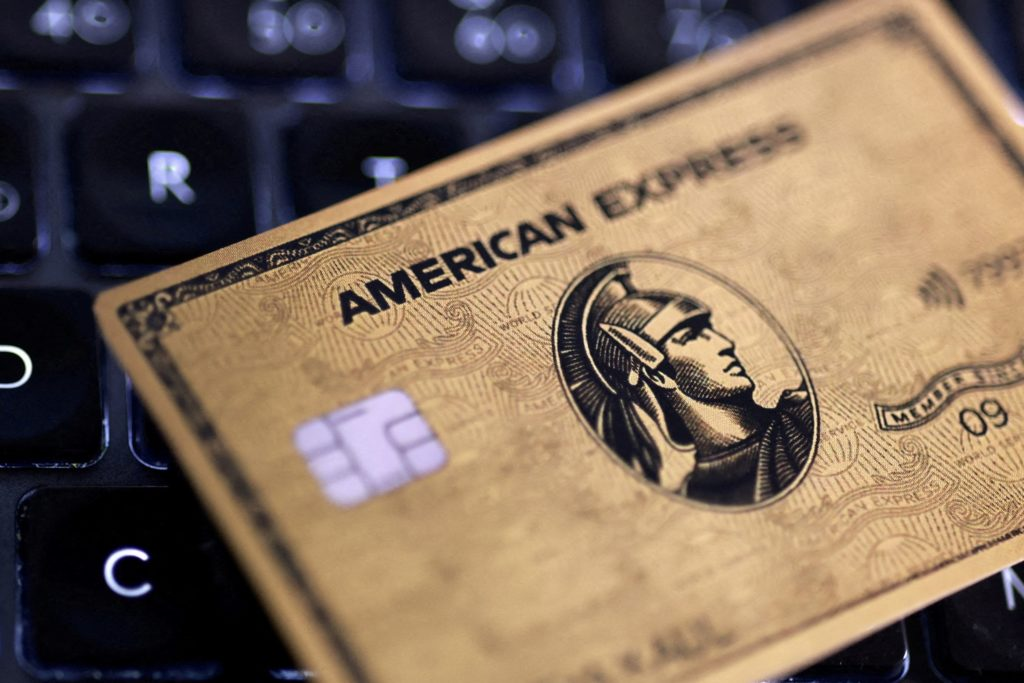
Credit cards allow customers to make purchases immediately and repay the balance later, but the cost of borrowing can rise when part of a bill carries over into another month.
The median credit card interest rate was approximately 22.2% in an August survey by the Federal Reserve Bank of New York, according to reporting on the proposal.
Interest is not the only feature consumers consider when choosing a card, as annual fees, credit limits, cash back, travel rewards and other benefits vary by account.
For most cards that offer a purchase grace period, paying the statement balance in full by the due date avoids interest on those purchases, provided the grace period applies.
Cash advances generally begin accumulating interest immediately, and a customer who previously carried a balance may have lost the grace period on new purchases.
The distinction matters because a reduction in the maximum interest rate would directly lower interest charges only when a cardholder actually pays interest on a covered balance.
Any broader effect on rewards or fees would depend on the final law and business decisions by issuers, rather than following automatically from a statement by the president.
Banks and card companies argue that lower interest revenue could make it harder to cover losses on unpaid debt and lead lenders to extend credit to fewer applicants.
Industry representatives have also warned that issuers could reduce rewards or other benefits, although no particular change to an individual card has been established.
A Vanderbilt University analysis estimated that a 10% cap could save Americans roughly $100 billion in interest annually, while researchers also considered potential changes in access and card benefits.
During the presidential campaign and again in January, Trump proposed a one-year limit on credit card interest rates, but no such federal cap has become law.
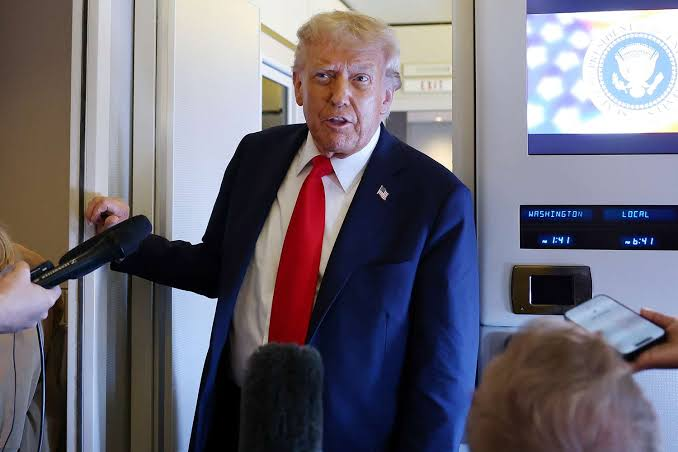
In a Nov 21 telephone interview with Fox News host Kayleigh McEnany, Trump said he would work with Democrats when asked about a 10% cap for one year.
The president said he was “all into it” and argued that credit card companies were charging consumers too much in interest and fees.
Senator Elizabeth Warren, who has supported a cap and is expected to lead the Senate Banking Committee, welcomed the idea and has said she is willing to work with Trump.
Trump also called House Democratic leader Hakeem Jeffries a “reasonable guy” and said he looked forward to working with him, while noting that a president can veto legislation.
For people who pay in full and retain their grace period, a rate cap alone would generally bring no immediate interest savings, although rewards, fees or credit availability could change if issuers adjust their offerings.
Whether either party can agree on legislation, what transactions and fees it would cover, and whether the proposal could clear both chambers remain unresolved.
Comments (0)
Loading comments...
May You Like

CARIBBEAN PRINCESS: 5,000+ ABOARD, UNKNOWN VIRUS—CHINESE PASSENGER IS FIRST KNOWN CASE!

PENTAGON'S PATRIOT MISSILE DELAY — A MAJOR SETBACK FOR UKRAINE'S AIR DEFENSE?

FIVE-STAR LUXURY RESORT FOR SENIORS — UPSCALE RETIREMENT LIVING WITHOUT THE PRICE TAG?












