
Trump’s “17 Months Without a Single Illegal Entry” Claim Faces a Major Reality Check
Trump’s “17 Months Without a Single Illegal Entry” Claim Faces a Major Reality Check
President Donald Trump delivered a sweeping claim about America's southern border on November 2, telling an audience in Washington that the country had gone 17 months without a single person entering illegally from Mexico. The line was designed to convey a historic turnaround. But the government's own numbers tell a more complicated story.
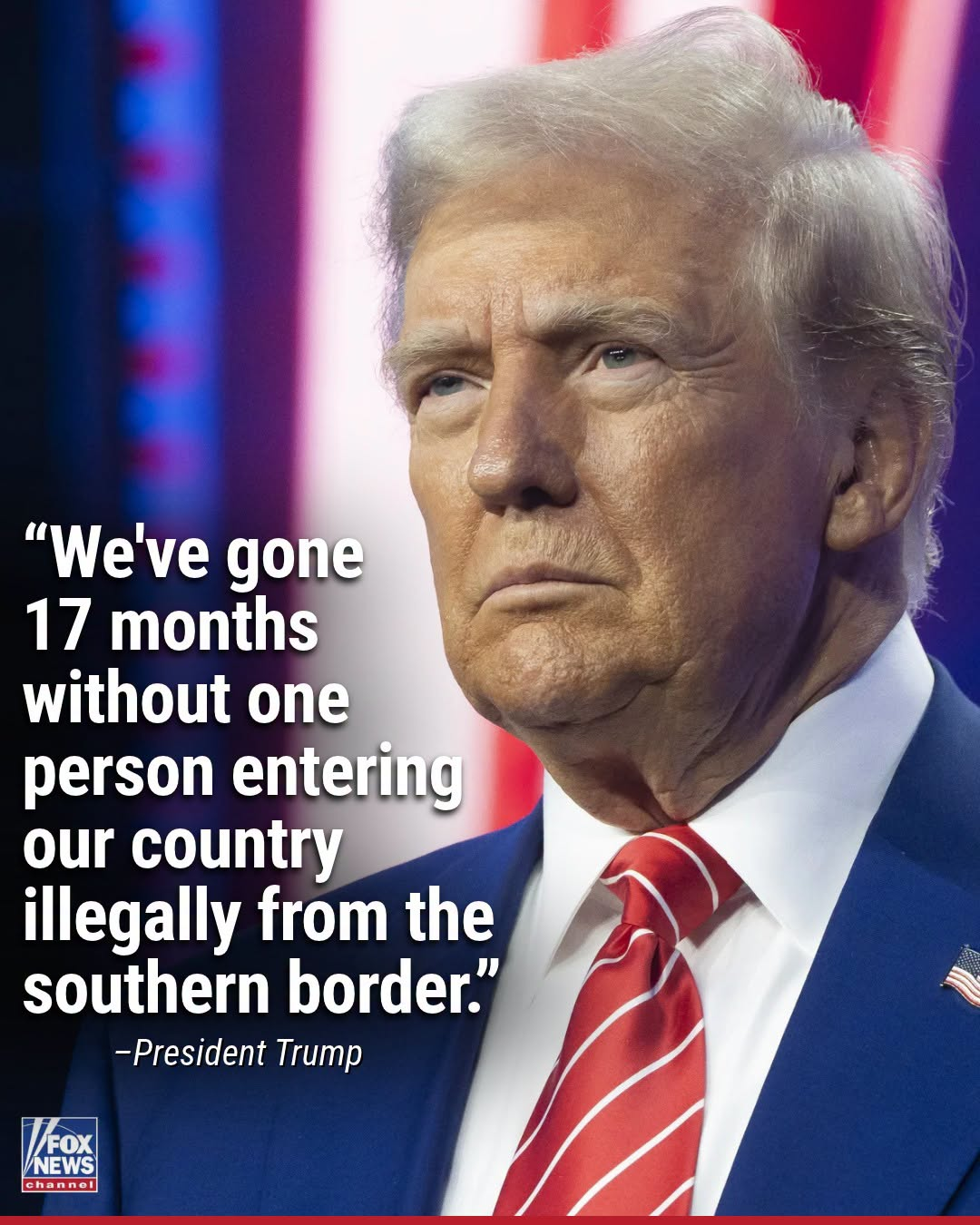
The statement came during Trump's remarks at the Lincoln Memorial Reflecting Pool, one day before the midterm elections. Border security has long been a centerpiece of his political message, and he presented the latest figures as evidence that his administration had achieved something unprecedented.
There is a real and substantial change behind the rhetoric. Federal data show that attempted illegal crossings and apprehensions at the southwest border have fallen sharply compared with the peak years of the previous administration. That decline is significant even without the sweeping claim that nobody has crossed.
The crucial distinction lies in two very different measures: how many people enter or attempt to enter the United States illegally, and how many people apprehended by Border Patrol are subsequently released into the country. Those are not interchangeable statistics.
In October, the Department of Homeland Security announced that September 2026 marked the seventeenth consecutive month with zero Border Patrol releases at the border. Under the administration's enforcement policy, people apprehended crossing unlawfully were generally held, removed or otherwise processed without the previous practice of temporary release.
That zero-release statistic is what the official announcement actually documented. It did not establish that no one had attempted an illegal crossing, that no one had been caught crossing, or that every person who entered unlawfully had been detected.
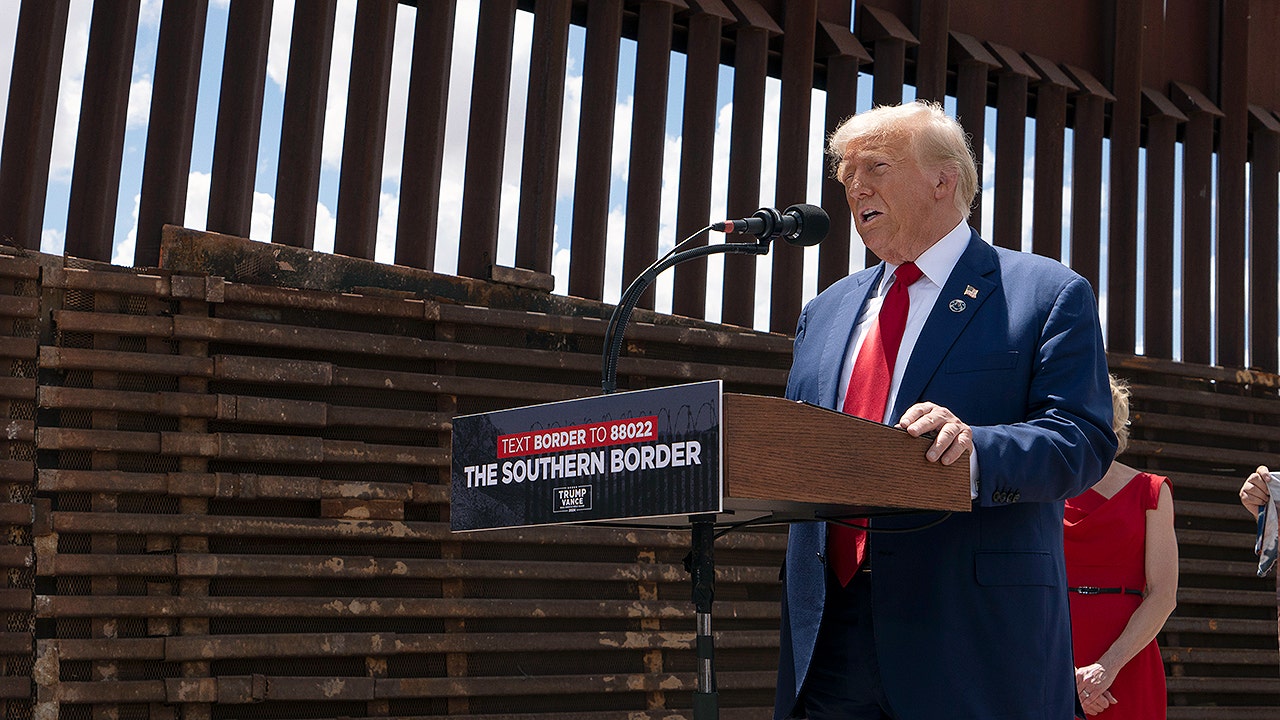
Indeed, the same federal announcement reported 98,708 southwest border apprehensions in fiscal year 2026. A person cannot be apprehended attempting to cross illegally if there have been no such attempts at all. The data therefore contradict a literal reading of the president's statement.
The administration also reported 379,243 nationwide border encounters for the fiscal year, a figure covering several kinds of encounters across different borders and ports of entry. That total should not be confused with the narrower southwest Border Patrol apprehension figure.
Still, supporters of Trump's approach point to the steep reduction as a consequential policy result. The administration credits stricter enforcement, reduced releases and deterrence for discouraging attempted crossings and weakening the incentives that had fueled earlier surges.
Critics argue that the president's phrasing turns a measurable enforcement outcome into an absolute claim that the available evidence cannot support. A decline of 95 percent is dramatic; a claim of zero illegal entries for 17 months is something entirely different.
Independent fact-checkers have emphasized that border authorities continue to apprehend people attempting to enter between official ports of entry. Their analysis also notes that the government does not always publish complete, timely figures for people detected crossing but not apprehended.

These so-called gotaways complicate any effort to measure the total number of successful unauthorized entries. If some individuals evade capture, official apprehension statistics alone cannot establish that absolutely nobody crossed into the country.
For American voters, the dispute highlights a broader question: which numbers should be used to evaluate border policy? Apprehensions can reflect both the volume of attempted crossings and how effectively agents detect them. Releases, by contrast, measure what happens after someone is apprehended.
A lower apprehension count may signal fewer attempts, but it does not necessarily capture every crossing. A zero-release policy can change the treatment of detained migrants without proving the absence of unauthorized movement across a vast international boundary.
The administration's fiscal 2026 figures nevertheless represent a substantial departure from the high encounter levels recorded in previous years. Border enforcement is an area where the available data support a major change, even as the precise language used to describe that change matters.
The political stakes are especially high because Trump's remarks arrived on the eve of a national election. Immigration remains a defining issue for both parties, with Republicans emphasizing enforcement and Democrats raising questions about humanitarian protections, legal process and the economic effects of immigration policy.

The debate is not merely semantic. When political leaders describe a statistic inaccurately, voters may come away with a mistaken understanding of what the government has actually achieved and what challenges remain unresolved.
It is also important not to confuse border apprehensions with the number of people who ultimately settle in the United States. Some are removed, some remain detained, and others may pursue legal proceedings. Different government datasets describe different stages of that process.
Trump's supporters can reasonably point to historically low recent crossing figures as evidence of stronger border enforcement. His opponents can reasonably challenge the absolute language of the 17-month claim. Both observations can be true at the same time.
The bottom line is clear: federal officials documented 17 straight months without Border Patrol releases, not 17 months without a single illegal entry. As the border debate intensifies, that difference may be the most important detail hidden inside one of the president's boldest claims.
Comments (0)
Loading comments...
May You Like

THANKSGIVING NIGHTMARE: OVER 1M BLACKOUTS, NEARLY 2M WATER ALERTS!

FCC CLEARS SPACEX FOR ONE MILLION AI SATELLITES AS ASTRONOMERS SOUND ALARM

BANGCHAK REFINERY DISASTER IN THAILAND—120,000 BARRELS A DAY SHUT DOWN, U.S. OIL PRICES SURGE 10%!

Latest Posts









Popular Posts



