
TRUMP'S AIR FORCE ONE FORCED TO DIVERT — WHAT HAPPENED MID-FLIGHT?
AIR FORCE ONE FORCED TO CHANGE COURSE DURING TRUMP’S ASIA TRIP — WHAT HAPPENED IN THE SKIES OVER ALASKA?
FAIRBANKS, ALASKA, UNITED STATES — NOVEMBER 18, 2026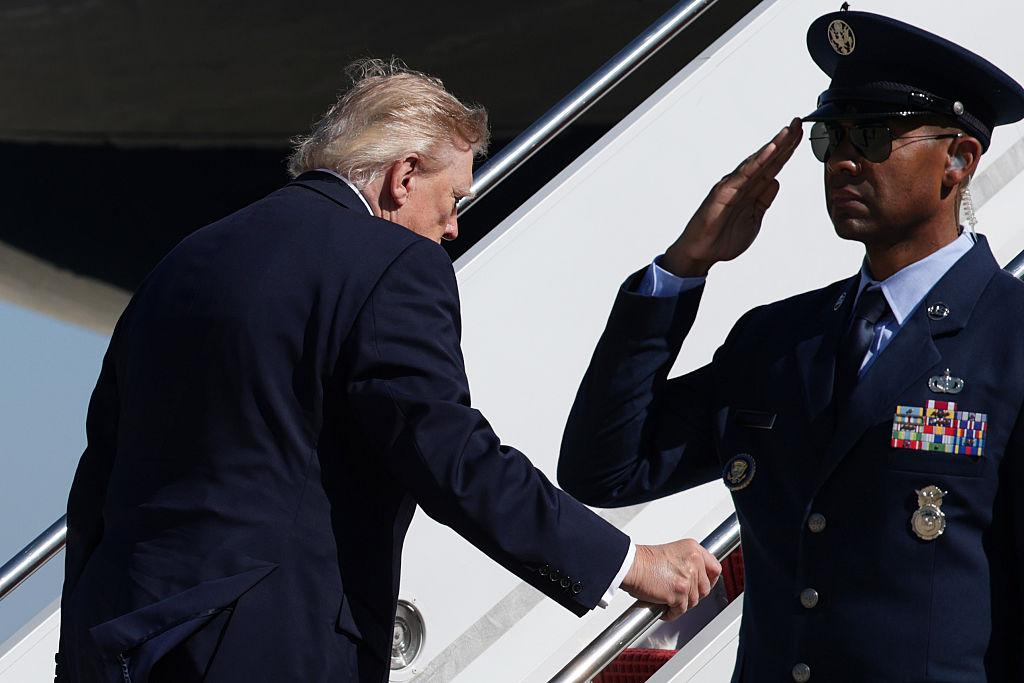
An unexpected threat. A sudden change of flight plans. And the world's most famous presidential aircraft forced to divert during a critical journey to Asia.
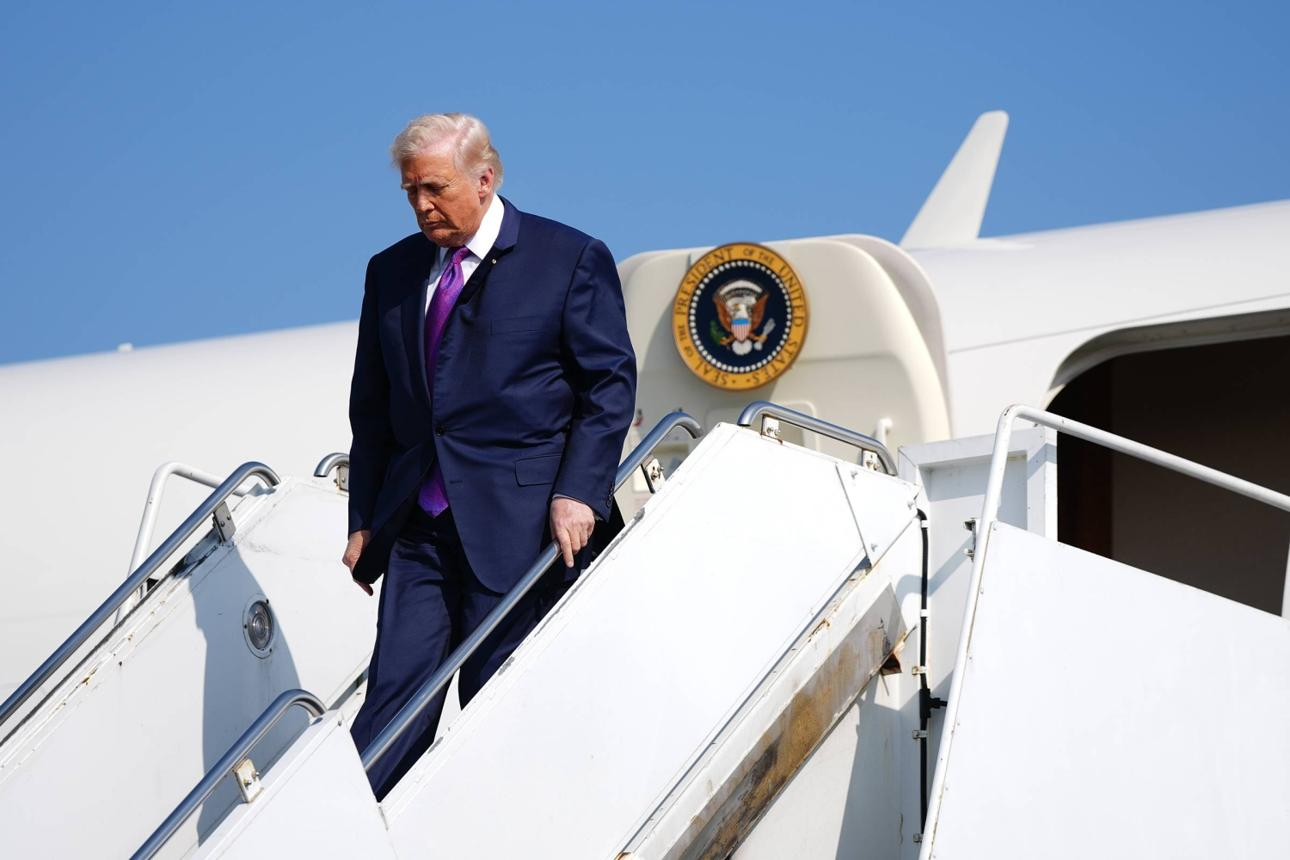
Air Force One, carrying President Donald Trump and senior American officials to the Philippines, reportedly had to alter its flight route after extreme weather threatened its scheduled refueling stop in Anchorage, Alaska.
The presidential aircraft was redirected to Fairbanks before continuing its journey to the Philippine capital of Manila.
What forced the sudden change of plans? Was the president ever in danger? And how does the world's most sophisticated presidential aircraft respond when unexpected hazards emerge?
Extreme Weather Forces Air Force One to Make an Unexpected Detour
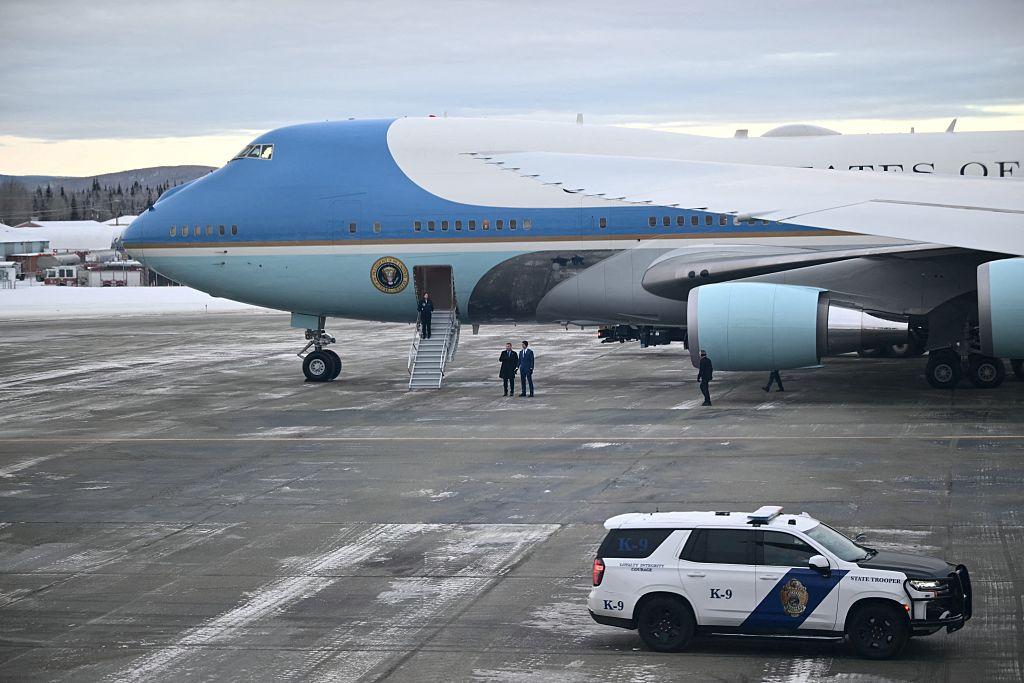
On November 16, President Trump's aircraft departed Joint Base Andrews in Maryland, beginning a high-stakes diplomatic journey across the Pacific.
The original flight plan included a refueling stop in Anchorage, Alaska. However, deteriorating weather conditions forced presidential travel officials to abandon that plan.
A White House official explained:
“Due to extreme weather conditions in Anchorage, Air Force One landed in Fairbanks in order to refuel under better climate conditions.”
The National Weather Service had forecast freezing rain around Anchorage, creating potentially hazardous aviation conditions.
GSM Global+1
The unexpected diversion demonstrated that even America's presidential aircraft is not immune to the dangers of extreme weather.
The Unexpected Detour: What Happened in Alaska?
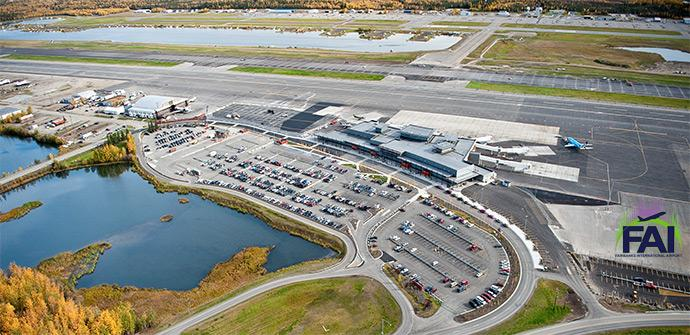
According to reports from journalists traveling with the president, the aircraft remained in Fairbanks for approximately 87 minutes.
Here is how the presidential journey unfolded:
|
Date |
Location
Event
November 16
Maryland
Departure from Joint Base Andrews
November 16
Anchorage
Scheduled refueling stop abandoned
November 16, 12:28 p.m.
Fairbanks
Air Force One lands
November 16, 1:55 p.m.
Fairbanks
Aircraft resumes journey
November 17, 5:33 p.m.
Manila
President Trump arrives
All times are local.
White House Pool
The diversion was completed successfully, allowing the president's international journey to continue.
Freezing Rain: A Dangerous Enemy Even for Air Force One
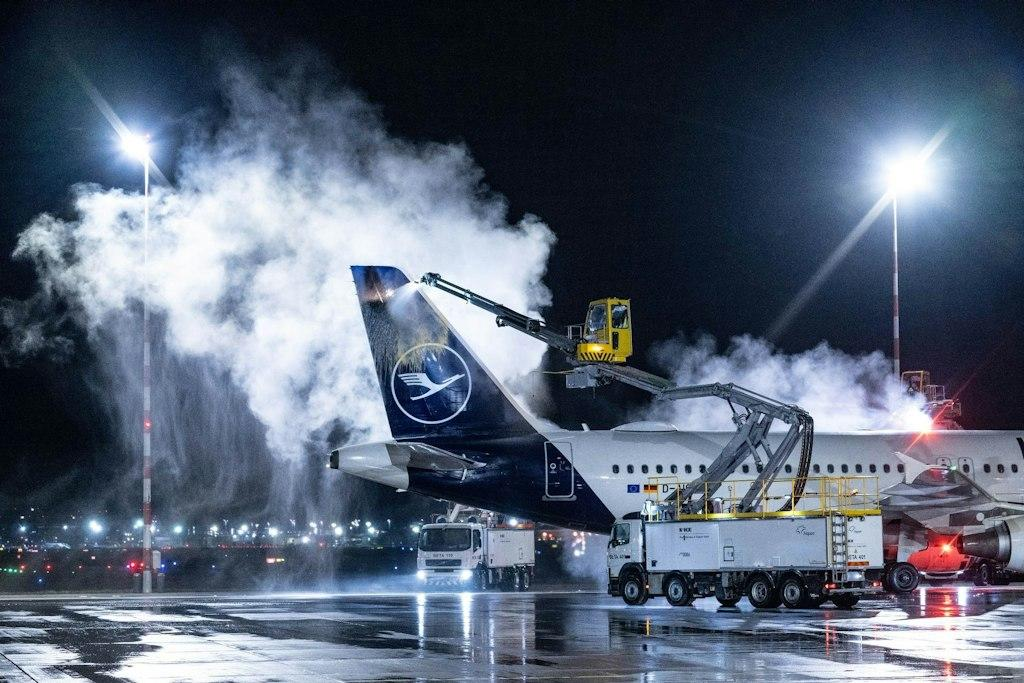
Air Force One may be equipped with sophisticated technology, but it remains subject to the laws of aviation.
Freezing rain is particularly dangerous because it can create ice on aircraft surfaces and airport runways.
Under certain circumstances, icing can interfere with aerodynamic performance, while slippery runways can increase the risks associated with takeoff and landing.
For a presidential aircraft carrying America's commander-in-chief, accepting unnecessary risks would be irresponsible.
Changing the refueling location was not a sign of weakness. It was a precaution designed to protect the president, his delegation and the aircraft's crew.
Two Presidential Aircraft Spotted in Alaska — What Was Going On?
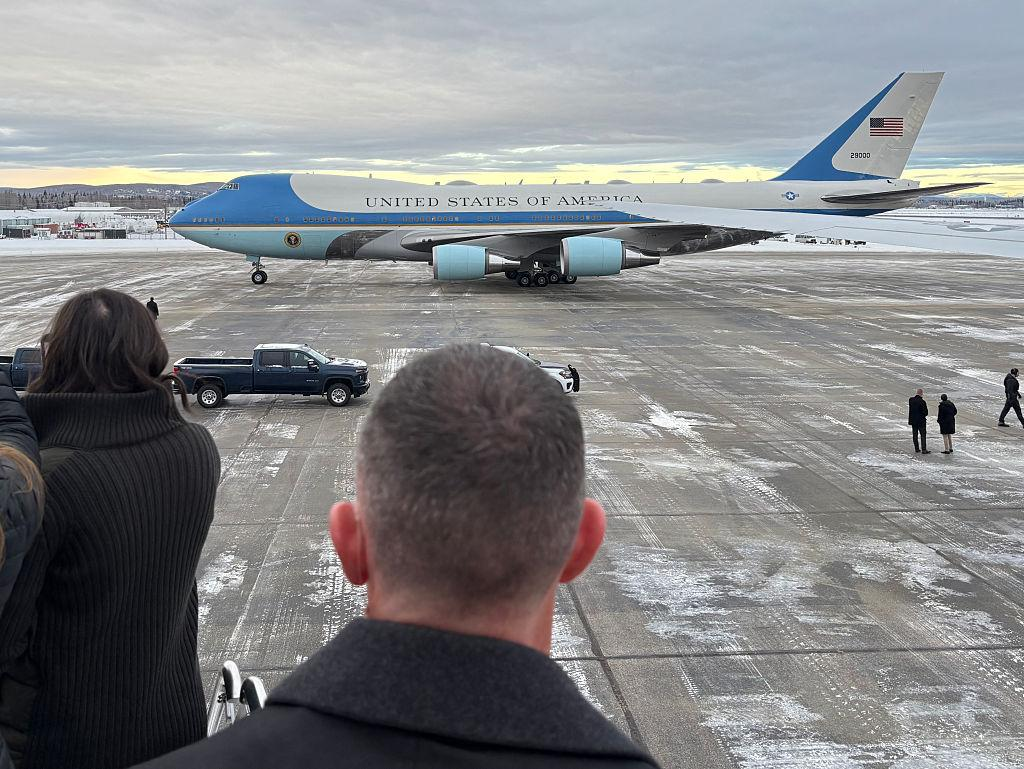
Another unusual detail attracted attention during the unexpected stop.
Journalists observed an older presidential aircraft parked near the newer Boeing 747 carrying President Trump.
The presence of two presidential jets immediately generated speculation.
However, the White House clarified that the older aircraft was transporting personnel and equipment in support of the presidential delegation.
Traveling reporters did not observe Trump switching aircraft during the refueling stop.
The Daily Beast+1
There is no confirmed evidence that the diversion was caused by a mechanical malfunction, an assassination attempt or a hostile military threat.
America's Flying White House: Why Presidential Security Is So Important
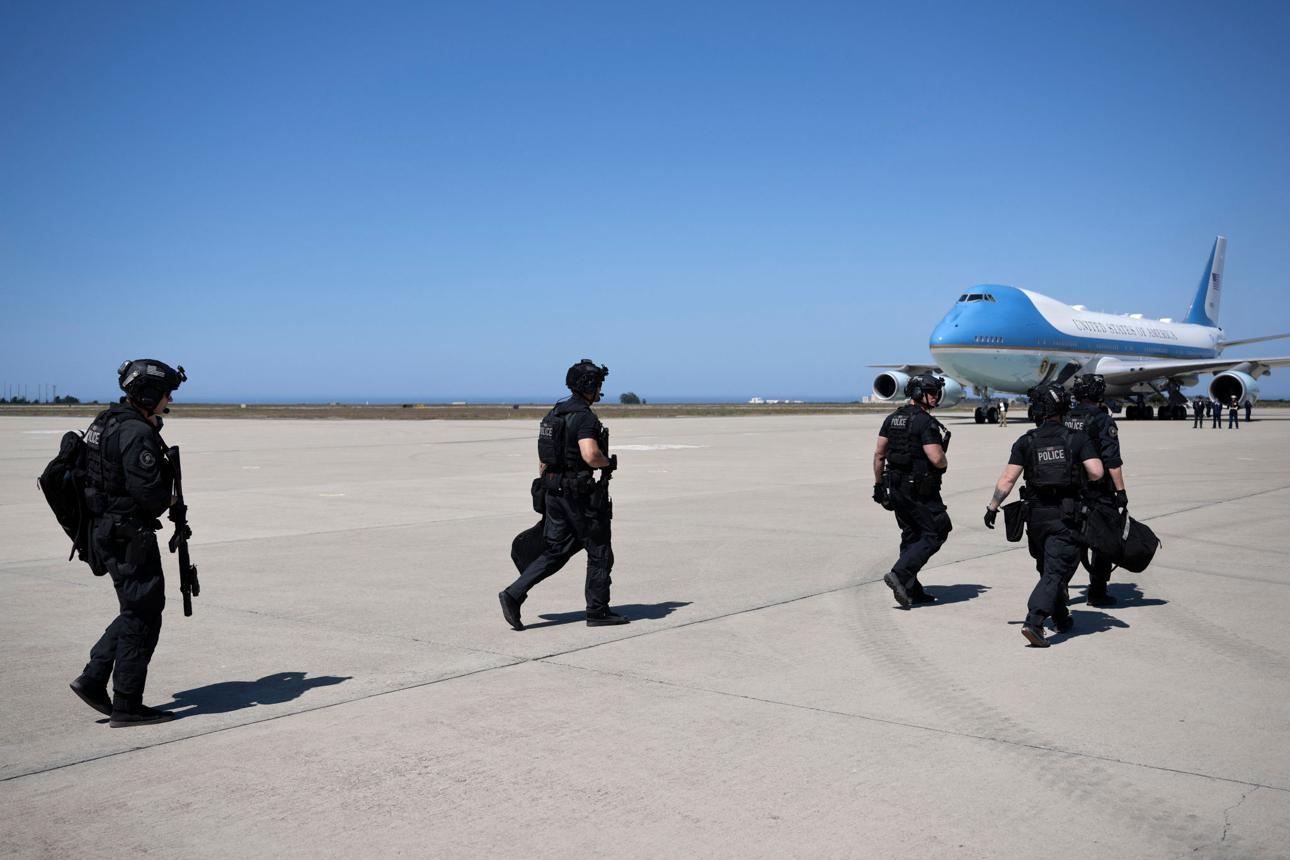
Air Force One is far more than a means of transportation.
It serves as a platform from which the president can communicate with government officials and continue carrying out presidential responsibilities while traveling.
Presidential travel requires extensive coordination involving military personnel, security officials, aviation specialists and diplomatic representatives.
Every journey must account for potential security threats, technical difficulties and unpredictable environmental conditions.
The Alaska incident illustrates why alternative airports and contingency plans are essential components of presidential travel.
When the president of the United States is aboard, even a seemingly ordinary aviation hazard demands extraordinary attention.
Trump Arrives in the Philippines After More Than 18 Hours of Travel
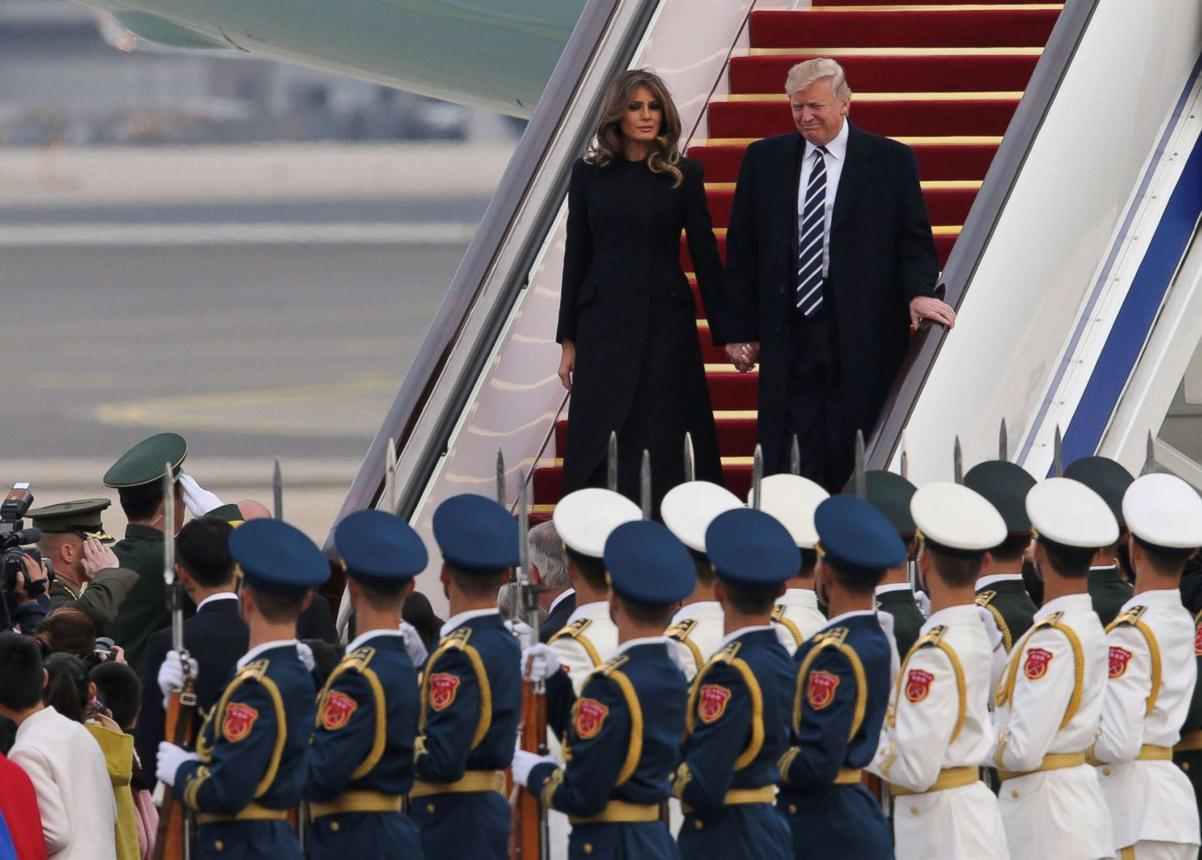
Despite the unexpected interruption, Trump's aircraft successfully touched down at Ninoy Aquino International Airport in Manila at 5:33 p.m. local time on November 17.
The president received a ceremonial welcome before beginning his diplomatic engagements.
According to ABC News, the journey had taken more than 18 hours.
ABC News
The successful arrival effectively brought the weather-related disruption to an end.
However, the political challenges awaiting Trump in Asia were considerably more complicated.
A High-Stakes Diplomatic Mission With Global Consequences
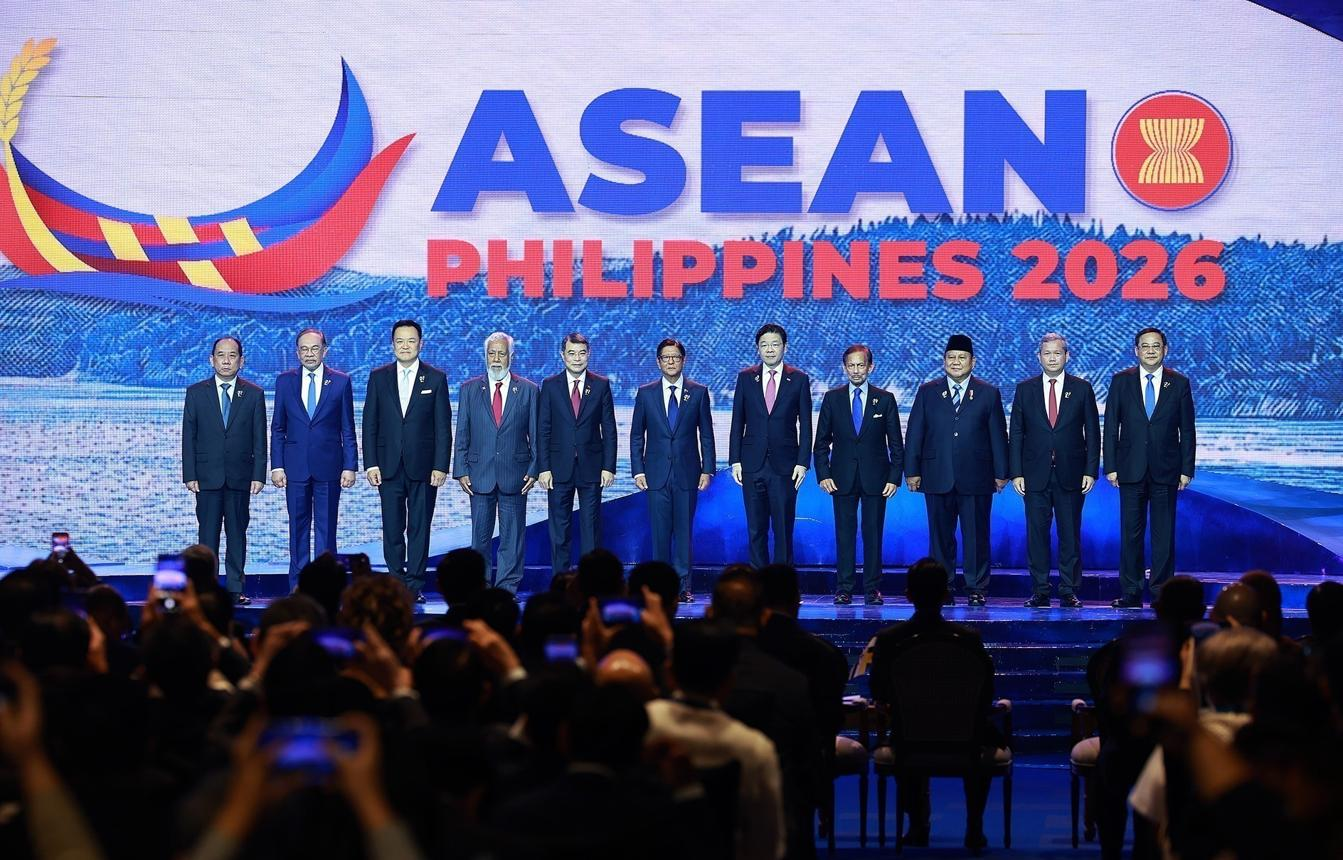
Trump's Asian tour comes at a critical moment for international relations.
The president's itinerary includes ASEAN-related engagements in the Philippines, followed by meetings in China involving Chinese President Xi Jinping and Russian President Vladimir Putin.
Fox News+1
Several major issues could shape discussions during the trip:
-
America's economic and strategic interests in Asia.
Trade and technological competition with China.
International security and nuclear arms control.
Washington's increasingly complicated relationship with Moscow.
Stability and security across the Indo-Pacific region.
For the Trump administration, the diplomatic mission represents an opportunity to influence some of the world's most consequential geopolitical issues.
A Presidential Security Scare — or a Precaution That Worked Exactly as Intended?
Extreme weather threatened the original flight plan.
Presidential travel officials activated an alternative arrangement.
Air Force One refueled successfully and continued across the Pacific.
And President Trump arrived in the Philippines safely.
Although the unexpected diversion attracted considerable attention, the available evidence points to a weather-related precaution rather than a hostile security incident.
The episode serves as a reminder that even the most powerful political leader in the world cannot control every circumstance.
America may possess extraordinary military power and technological capabilities — but Mother Nature does not recognize presidential authority.
Was the unexpected diversion simply an example of excellent presidential security planning? Or should the United States invest even more in the safety and reliability of its presidential aircraft?
AMERICA, WHAT DO YOU THINK? SHARE YOUR OPINION IN THE COMMENTS BELOW!
Comments (0)
Loading comments...
May You Like

PENTAGON'S DECLASSIFIED UFO FILES — THE MYSTERY OF AN UNDERGROUND STORAGE PROJECT!

THANKSGIVING NIGHTMARE: OVER 1M BLACKOUTS, NEARLY 2M WATER ALERTS!

WARNING: OVER 1 MILLION COULD LOSE POWER AND NEARLY 2 MILLION FACE WATER ALERTS ON THANKSGIVING!










Popular Posts



