
TRUMP’S BALLROOM DONATIONS TOP $330 MILLION: ANONYMOUS CONTRIBUTORS RAISE QUESTIONS
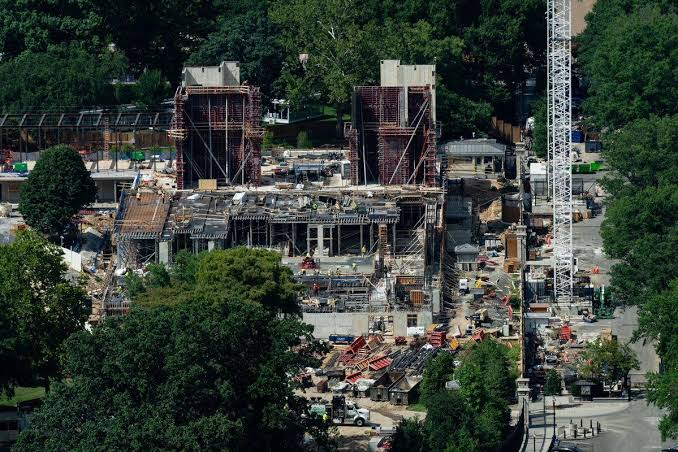
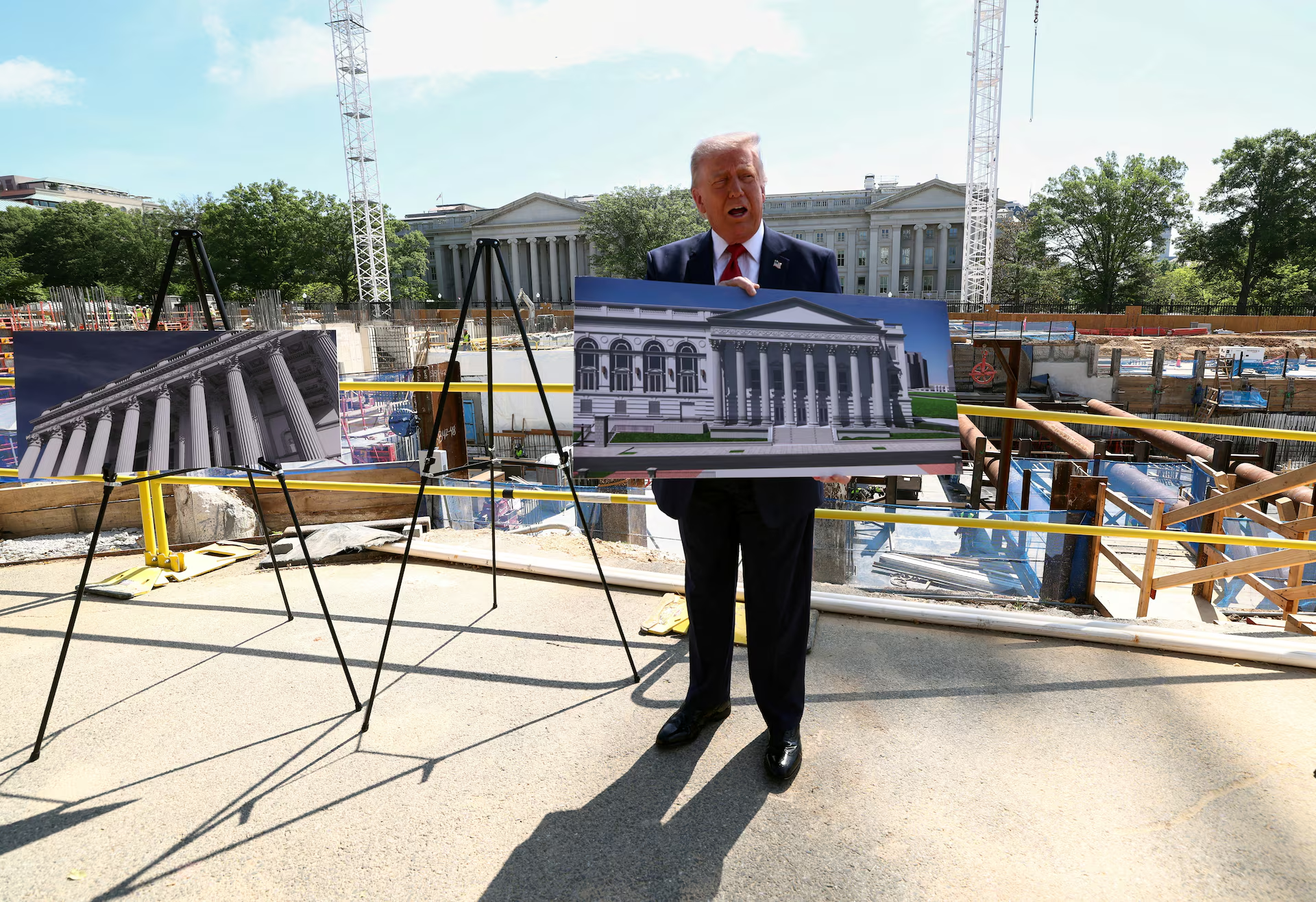
WASHINGTON — NOV 26, 2026 — President Donald Trump’s White House ballroom project has drawn attention far beyond its construction site as lawmakers examine how private money is helping finance changes to the presidential complex.
The project has brought together government officials, a nonprofit fundraising partner and private contributors, creating a financing arrangement that continues to raise questions about public disclosure and oversight.
The answers matter because the people and companies supporting a presidential building project may also have interests in decisions made by the government under the authority of the sitting president.
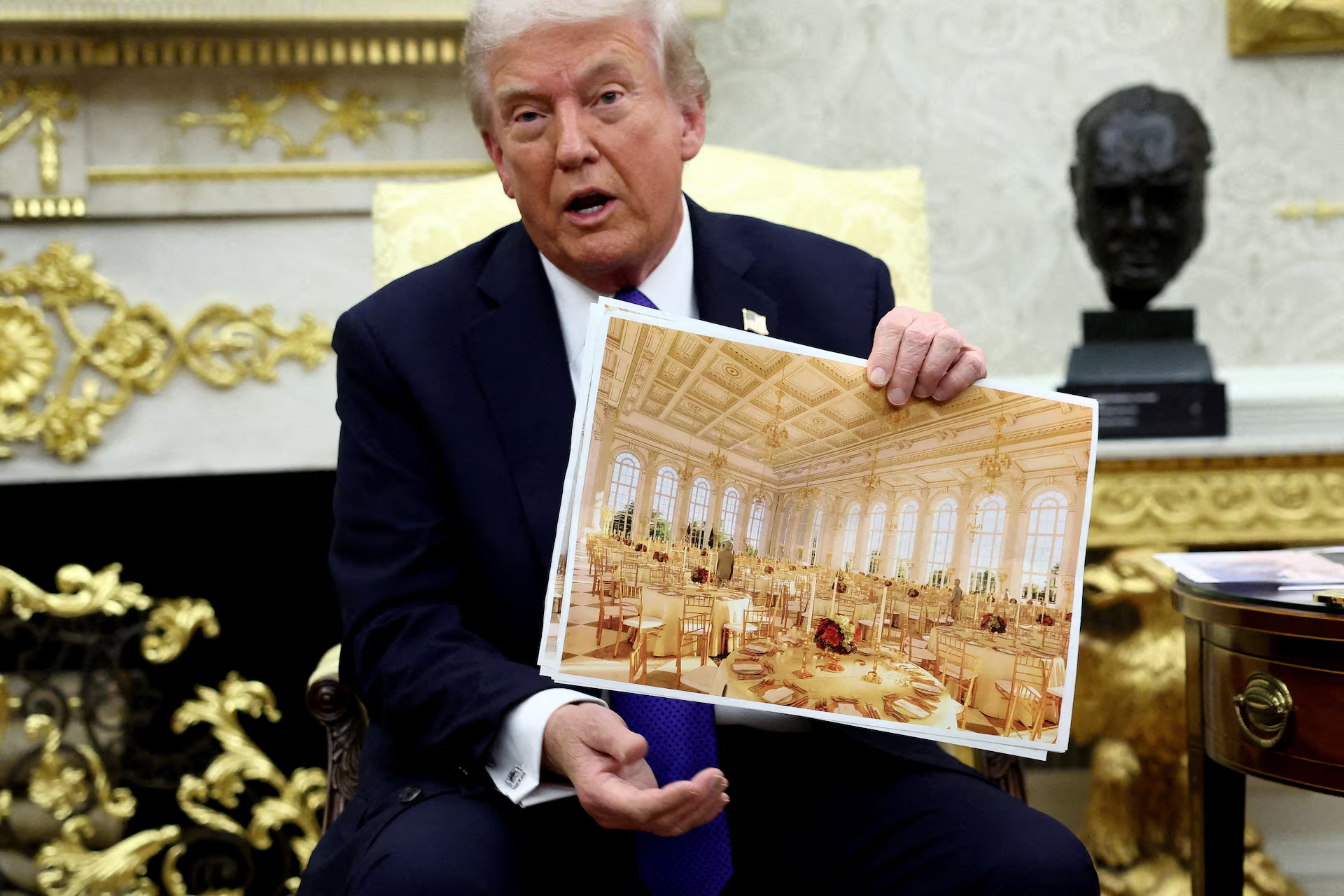
Trump announced plans for a new ballroom in 2025, presenting the project as a way to provide more space for official events at the White House.
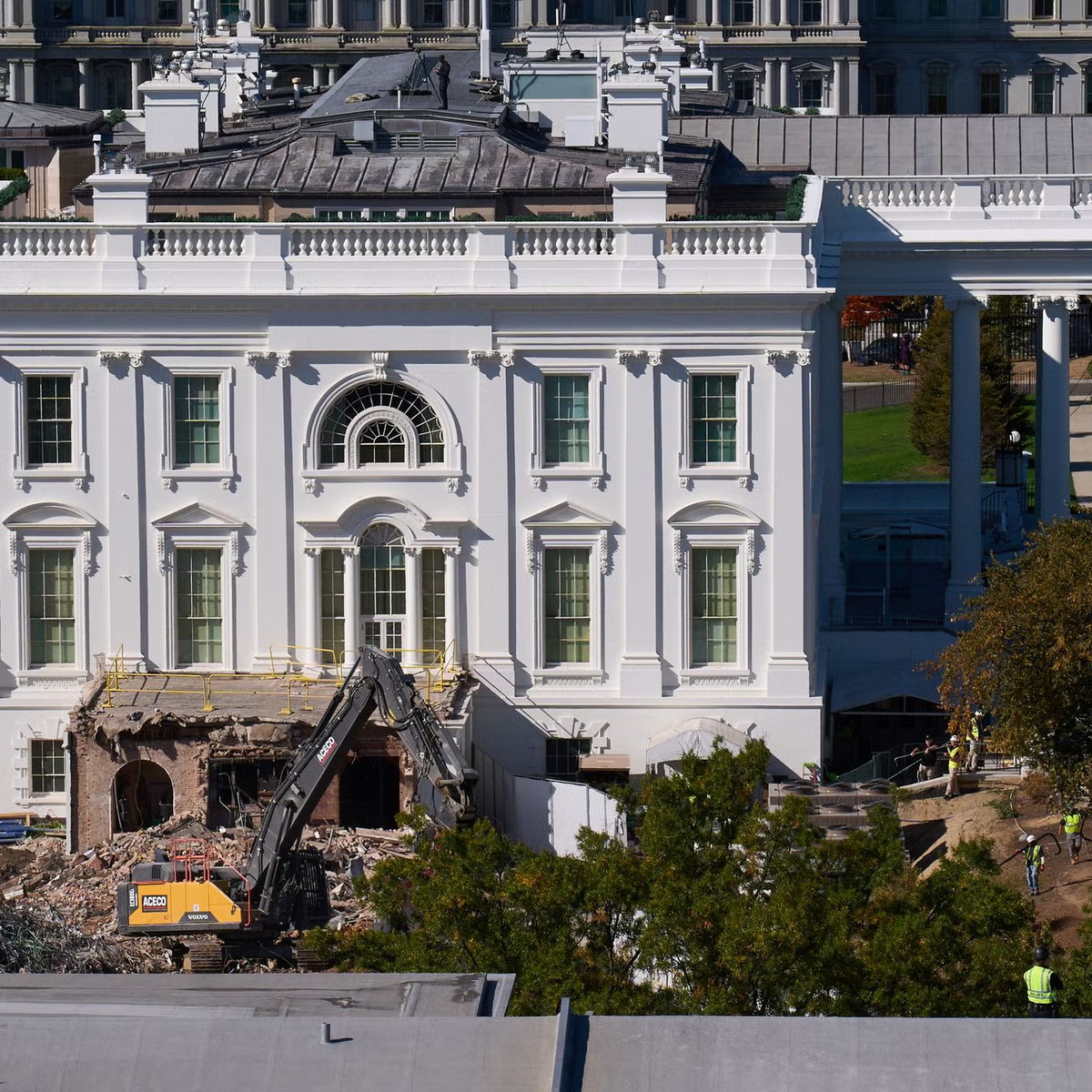
The former East Wing was demolished as work began, prompting a separate legal fight over the administration’s authority to carry out major changes to the historic complex.
Donations for the project have been routed through the Trust for the National Mall, a nonprofit organization that works on projects involving the capital’s public spaces.
An agreement governing the fundraising directs the trust to preserve donor anonymity to the extent allowed by law, with public recognition subject to authorization by White House staff.
The trust has defended respecting donors who request privacy, saying that anonymous giving is common in philanthropy and that it seeks to honor those requests.
The White House previously released a list naming dozens of supporters, but it did not disclose the amounts attached to their individual contributions at that time.
An internal fundraising spreadsheet later obtained by reporters provided a more detailed snapshot of the campaign, including amounts, dates and sources recorded through late September 2026.
Published on Oct 15, the investigation described money already given and commitments that could be paid in installments, meaning the figures should not all be treated as completed payments.
The records showed $333 million in private donations and commitments, with separate documents indicating that at least $77 million came from donors who requested anonymity.
Democratic lawmakers have since sought information from donors and fundraisers about how contributions were solicited and whether government officials discussed any potential benefits in connection with them.
The reporting identified donors with business before the federal government but did not establish that their gifts caused favorable official decisions, an important distinction in evaluating the allegations.
Among those identified as requesting anonymity was Nvidia, whose $25 million contribution appeared in the records even though its chief executive had previously acknowledged supporting the project without naming an amount.
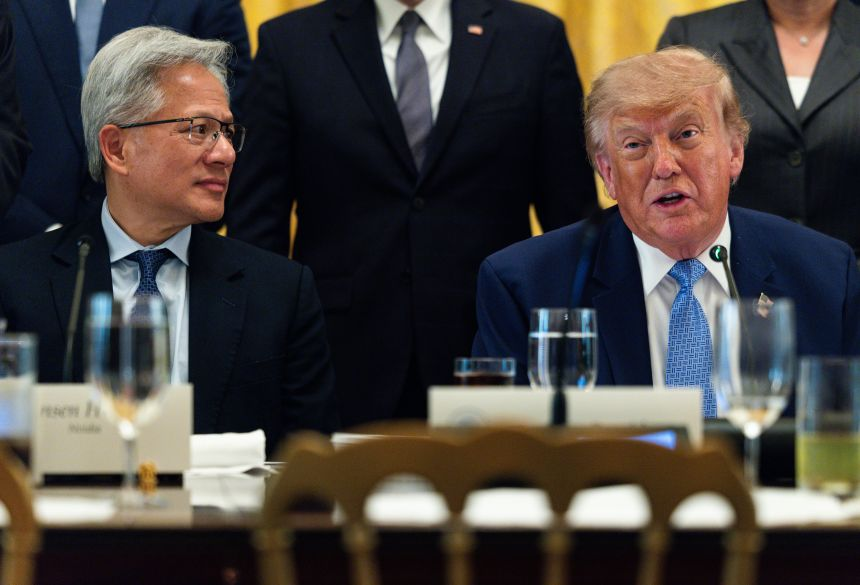
Nvidia said its support for the United States was independent of its business interests and that it was proud to contribute to a nonpartisan trust.
The records also showed telecommunications billionaire Charles Ergen requested anonymity for a $12.5 million commitment in December 2025, followed by another $12.5 million commitment in February 2026.
Salesforce chief executive Marc Benioff requested anonymity for a separate $1 million commitment, according to the records, while his company made two additional $1 million commitments.
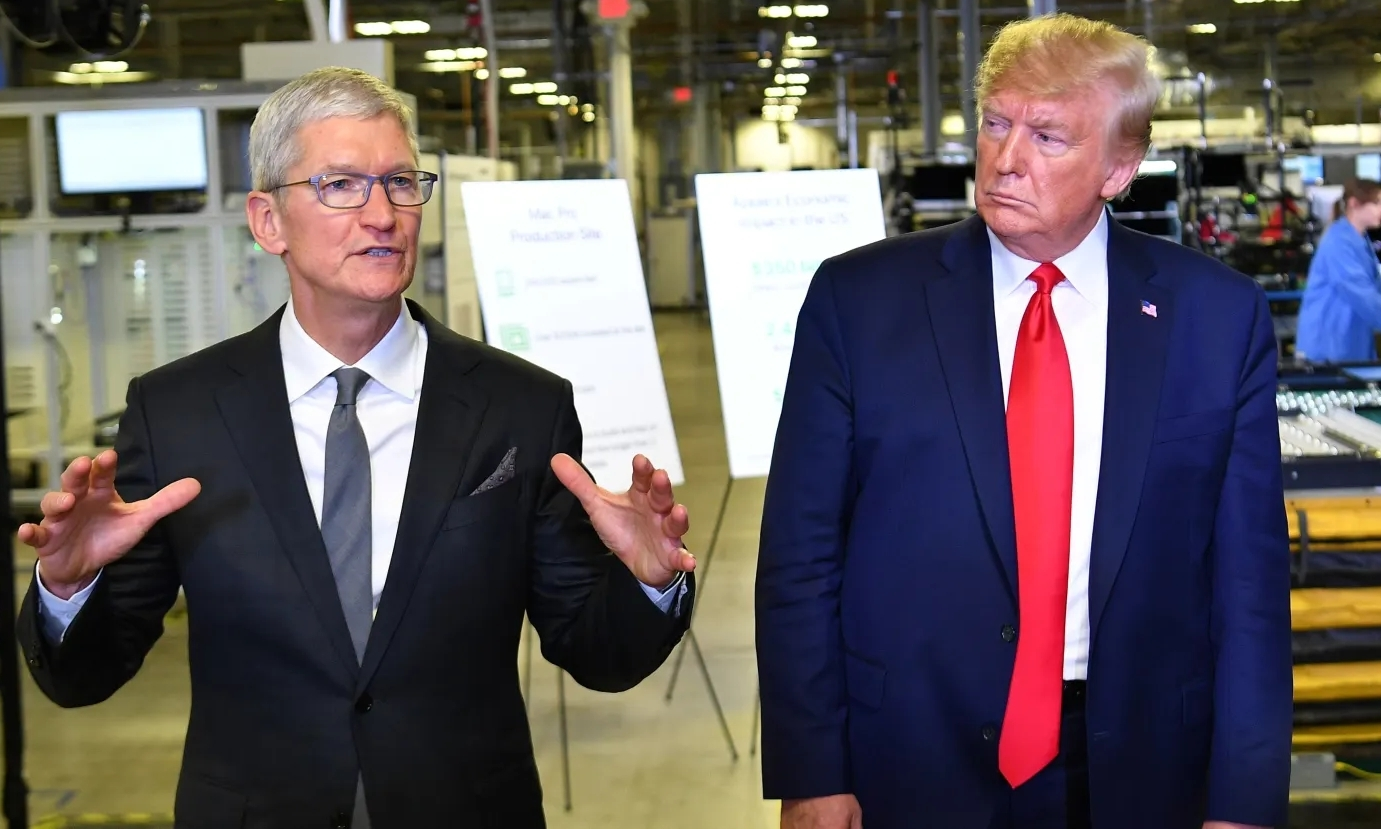
Other major donors on the list included Apple and the Adelson family at $25 million each, though those entries should not automatically be counted as anonymous gifts.
Senators continued pressing for records in November, leaving questions about the remaining anonymous contributions and the circumstances of fundraising as the project and congressional scrutiny move forward.
Comments (0)
Loading comments...
May You Like

IRAN THREATENS SHIPS OVER HORMUZ PASSAGE AFTER CLAIMING A MINE STRIKE

AMERICA’S NEW-GENERATION AIRCRAFT CARRIERS — MILITARY MIGHT BUILT AT THE EXPENSE OF THE PEOPLE










Popular Posts



