
TRUMP'S NEW TARIFF WAR — MORE AMERICAN JOBS OR HIGHER PRICES?
TRUMP'S NEW TARIFF WAR: WILL AMERICAN JOBS BE PROTECTED OR WILL FAMILIES PAY THE PRICE?
WASHINGTON, D.C. — NOVEMBER 26, 2026

A new wave of trade tensions is threatening to reshape the global economy! The Trump administration is reportedly pursuing additional tariffs targeting 14 trading partners, including China and the European Union, over concerns about excessive industrial production capacity.
The stated objective is to protect American manufacturers, strengthen domestic industries and safeguard employment opportunities.
However, additional import tariffs could also increase production costs, raise consumer prices and trigger retaliation against American exporters.
Will these measures strengthen America's economic independence, or will ordinary households ultimately bear the financial burden?
1. Trump Targets 14 Major Trading Partners
On November 25, U.S. Trade Representative Jamieson Greer announced the results of an eight-month investigation under Section 301 of the Trade Act of 1974.
Washington concluded that industrial policies in 14 economies contribute to excessive manufacturing capacity and harm American commercial interests.
However, the new tariffs have been proposed, not officially implemented. Public hearings and regulatory procedures must take place before the measures are finalized.
United States Trade Representative+1
2. Which Countries Face the New Tariffs?
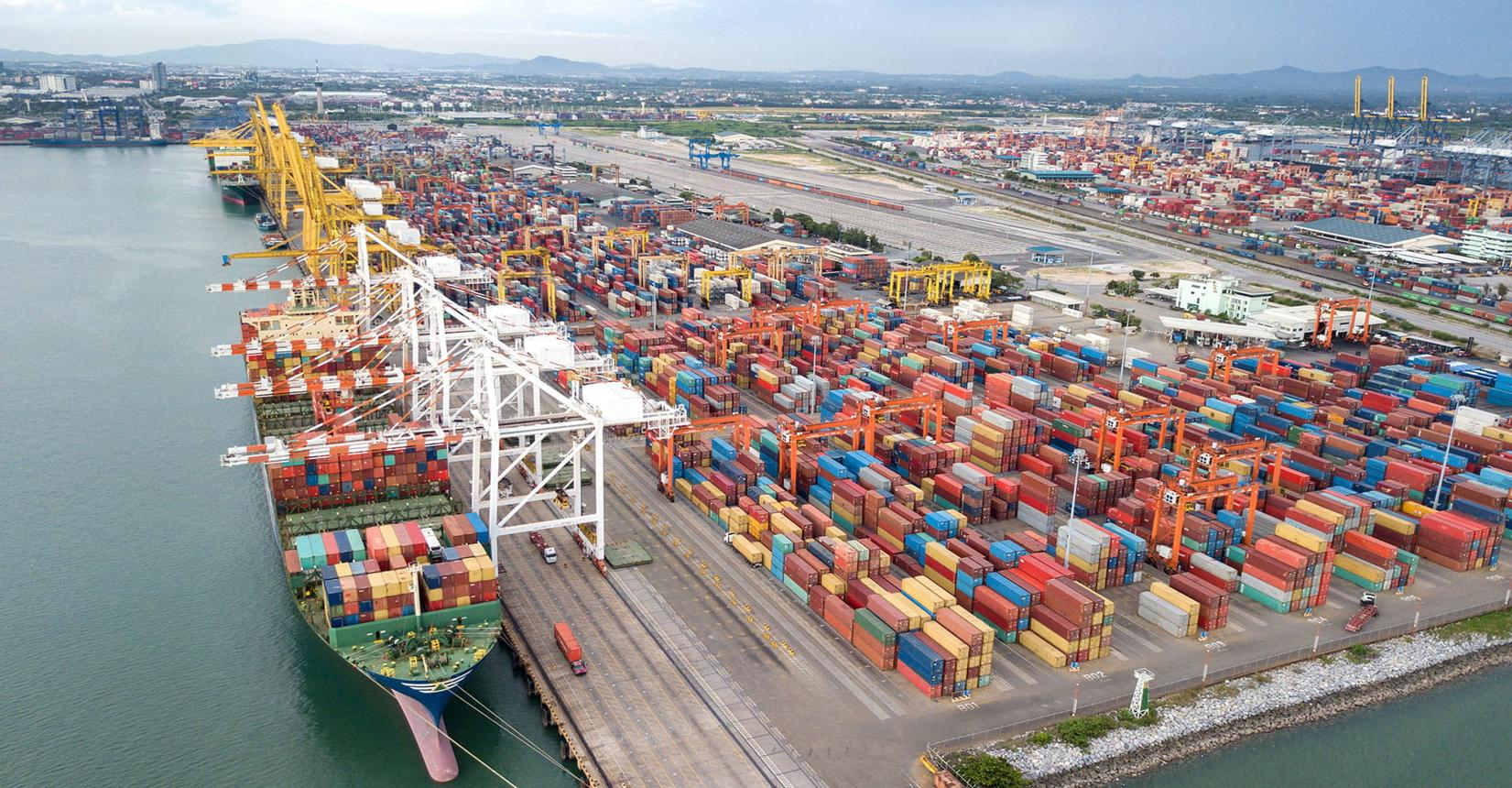
The proposed measures cover major American trading partners across Asia and Europe.
Proposed tariff rates by trading partner
Maximum or headline proposed rates, subject to agreements, exemptions and existing duties.
🇻🇳 Vietnam
35%
🇮🇳 India
25%
🇨🇳 China
20%
🇸🇬 Singapore
20%
🇧🇩 Bangladesh
18%
🇰🇭 Cambodia
18%
🇮🇩 Indonesia
18%
🇲🇾 Malaysia
18%
🇹🇭 Thailand
18%
🇪🇺 European Union
15%
🇯🇵 Japan
15%
🇰🇷 South Korea
15%
🇹🇼 Taiwan
15%
🇨🇭 Switzerland
15%
Sources: USTR, Reuters and related reporting, November 25, 2026. These are not necessarily additional tariffs stacked on top of all existing duties.
United States Trade Representative+2
Mexico and Norway were included in the original investigation but are not covered by the latest determinations.
3. Why Is Trump Targeting Excess Industrial Production?
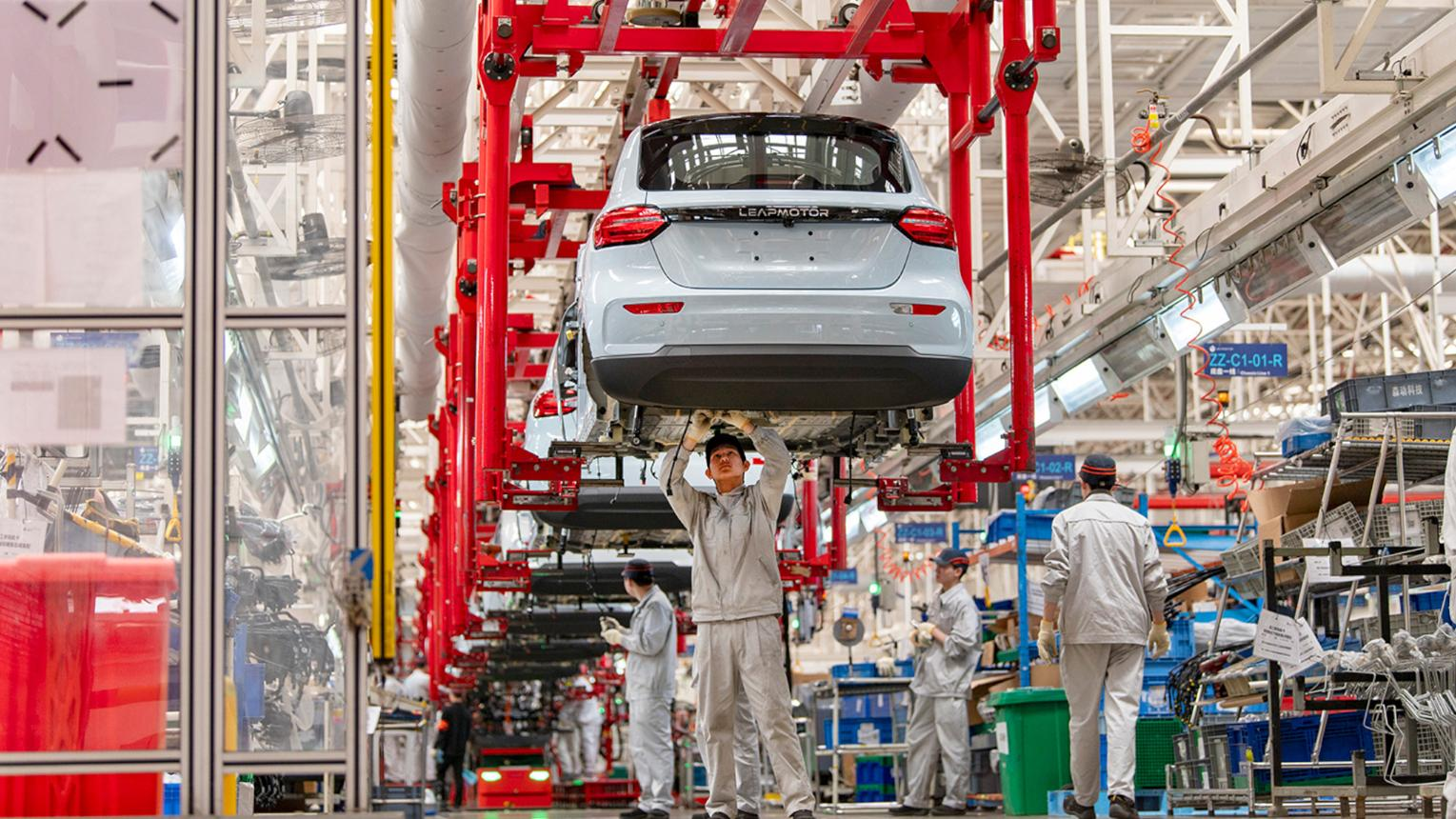
Industrial overcapacity occurs when manufacturers can produce substantially more goods than the market can absorb.
When excess production persists, companies may export products at increasingly competitive prices, placing pressure on foreign manufacturers.
The Trump administration argues that foreign subsidies and government-backed industrial policies distort international competition and undermine American manufacturing.
Industries facing particular scrutiny include:
-
Steel and aluminum.
Automobiles and electric vehicles.
Semiconductors and consumer electronics.
Solar panels and batteries.
Textiles and clothing.
Chemicals and pharmaceuticals.
China rejects Washington's allegations concerning its industrial overcapacity.
United States Trade Representative+1
4. Who Actually Pays Trump's Tariffs?

One of the biggest misconceptions surrounding tariffs is that foreign governments directly pay them to the United States.
In reality, tariffs are generally collected from the importer of record when goods enter the United States.
Importers may absorb those costs, negotiate lower prices with foreign suppliers or pass some of the additional expenses on to American consumers.
Demand
Supply
World price
Price with tariff
Tariff revenue
Deadweight loss
2468101214161820246QuantityPrice
Tariff 1: price rises, imports are 7,5, revenue is 7,5; consumers lose, producers gain
Tariff
per unit
Gửi góp ý
Simplified economic model illustrating how tariffs can increase domestic prices, reduce imports and benefit domestic producers while imposing costs on consumers.
The ultimate financial burden depends on competition, consumer demand, supply chains and the availability of alternative products.
5. Will the New Tariffs Protect American Jobs?

Supporters of the policy argue that tariffs could make American manufacturers more competitive against lower-priced foreign products.
Potential benefits include increased domestic manufacturing, reduced dependence on foreign suppliers, stronger incentives for industrial investment and additional employment opportunities.
However, American factories also rely on imported machinery, electronic components and raw materials.
If those materials become more expensive, some manufacturers could face declining profitability, reduced production or pressure to cut jobs.
|
Potential benefits |
Potential drawbacks
Protection for domestic producers
Higher manufacturing costs
Incentives to build U.S. factories
More expensive imported components
Additional manufacturing jobs
Potential job losses in other industries
Reduced foreign dependence
Supply chain disruptions
Increased government revenue
Higher consumer prices
The net employment effect will depend on whether gains in protected industries outweigh losses elsewhere in the economy.
6. How Much More Could Americans Pay for Everyday Products?

American consumers could face higher prices for products that rely heavily on imported goods or components.
Electronics, clothing, footwear, furniture, household appliances and automobiles could all be affected, depending on the final tariff rules.
How much could tariffs cost American consumers?
Imported product's customs value
$500.00
Assumed additional tariff
20%
Cost passed to consumers
75%
Total additional import duty
$100.00
Potential consumer price increase
+$75.00
Hypothetical calculation assuming a new incremental tariff. Actual retail prices, applicable duties and cost pass-through may differ.
For families already struggling with the cost of living, even relatively small price increases across multiple purchases could become financially significant.
7. Could China and Europe Launch Retaliatory Tariffs?
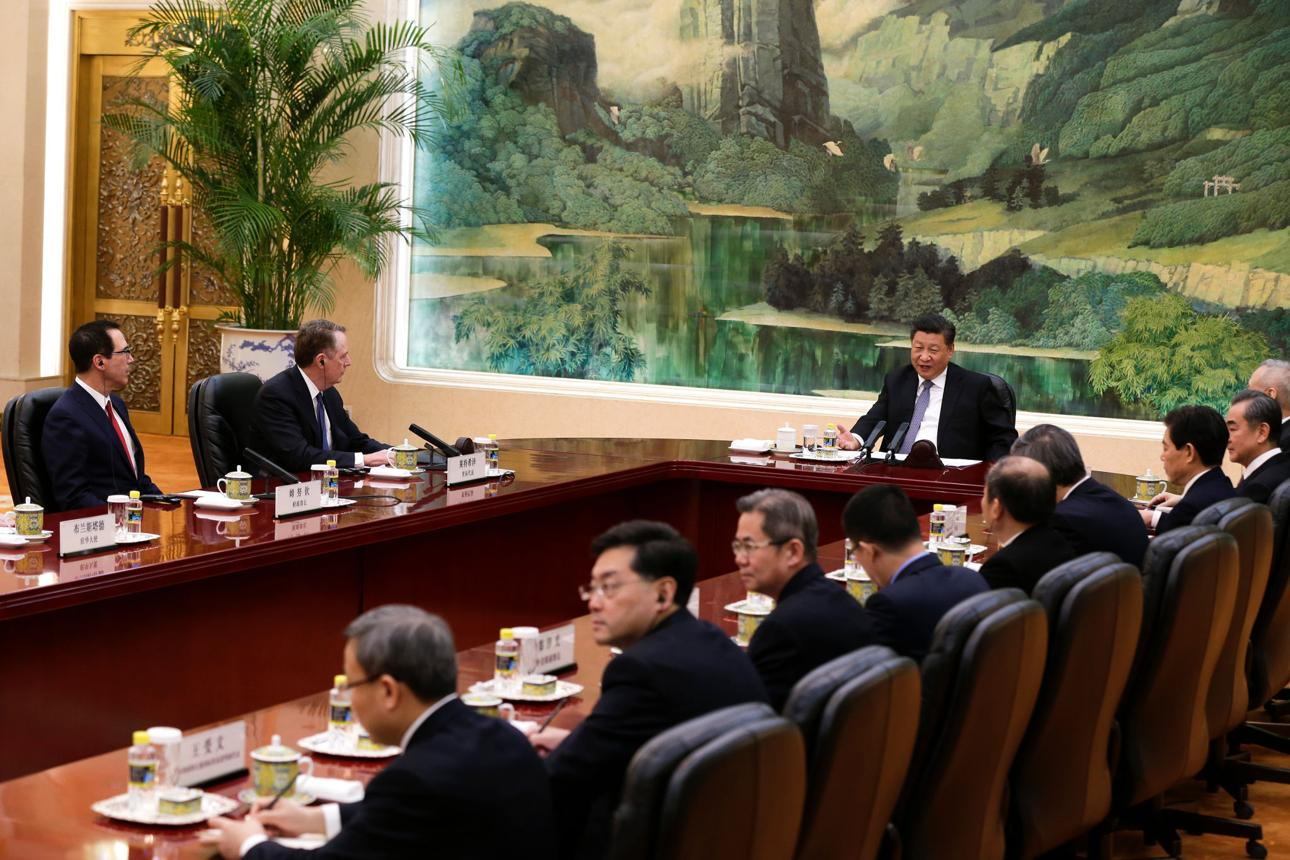
Another major concern is the possibility of retaliation from America's trading partners.
Foreign governments could respond by introducing their own tariffs, restricting American imports or pursuing international trade disputes.
Such measures could make American exports less competitive overseas and affect businesses that depend on international customers.
However, retaliation is not inevitable. Further negotiations and revisions to existing trade agreements could reduce the proposed duties.
Reuters reports that several proposed rates are linked to existing or potential trade commitments.
Reuters
8. American Farmers Could Face Renewed Pressure

American agriculture is particularly exposed to international trade disputes.
Farmers rely on overseas markets to sell products such as soybeans, corn, pork, beef and wheat.
If foreign governments respond with tariffs on American agricultural exports, farmers could face reduced demand, declining commodity prices and lower incomes.
Meanwhile, tariffs on imported agricultural machinery or components could increase operating expenses.
The agricultural sector therefore has a substantial interest in how Washington manages its trade negotiations.
9. Could Trump's Tariffs Make Inflation Worse?
Tariffs can contribute to higher domestic prices by increasing the cost of imported products and production materials.
The economic effects generally depend on several factors.
|
Economic factor |
Potential impact
Imported consumer goods
Higher retail prices
Manufacturing materials
Increased production expenses
Domestic competition
Possible expansion of U.S. production
Foreign retaliation
Weaker export demand
Consumer spending
Possible decline in purchasing power
Federal Reserve policy
Greater uncertainty over interest rates
Tariffs can cause an increase in the overall price level. Whether they lead to persistently higher inflation depends on subsequent economic conditions and policy decisions.
For American households, the central concern is whether income growth can keep pace with rising expenses.
10. When Could the New Tariffs Take Effect?
-
March 11, 2026 — Investigation begins
USTR launches investigations covering 16 trading partners.
November 25, 2026 — Tariff proposals announced
Washington identifies 14 economies for potential action.
January 5, 2027 — Public comment deadline
Businesses and interested parties can submit their views.
January 25, 2027 — Public hearings
USTR is scheduled to examine the proposed measures.
After the hearings — Final determination
Final rates and implementation dates remain subject to government decisions.
Official USTR timeline.
United States Trade Representative
American consumers should not assume that the proposed measures have already increased prices. Their final scope and economic impact remain uncertain.
11. Where Could This New Trade War Lead?
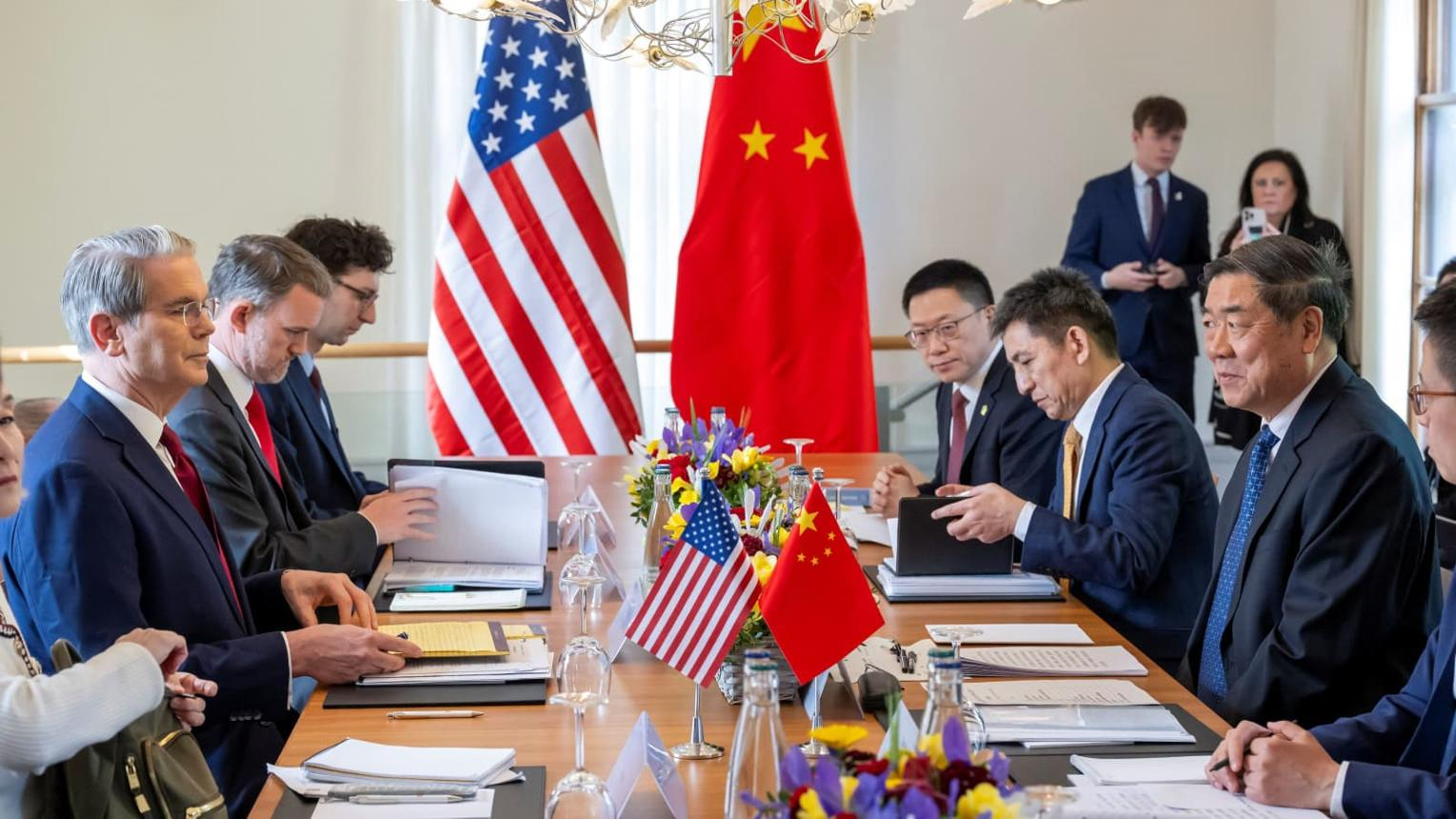
Three broad scenarios could emerge in 2027.
Scenario 1: Successful trade negotiations
Washington secures new commitments from trading partners, potentially reducing proposed tariff rates and limiting economic disruptions.
Scenario 2: Manufacturing expansion with higher prices
Some American industries benefit from protection, while consumers and import-dependent businesses absorb additional costs.
Scenario 3: Escalating international trade conflict
Retaliatory measures disrupt exports, increase economic uncertainty and place additional pressure on household finances.
These are possible outcomes rather than predictions of what will necessarily happen.
12. Can Trump Protect American Workers Without Hurting American Consumers?

The Trump administration's latest tariff proposal represents a significant effort to reshape America's international trading relationships.
Supporters see the measures as an opportunity to rebuild domestic manufacturing and reduce dependence on foreign industrial production.
Critics warn that higher tariffs could increase household expenses, hurt exporters and undermine the competitiveness of businesses that depend on imported materials.
The ultimate test of this policy will not simply be how much tariff revenue Washington collects, but whether it creates sustainable American jobs, improves purchasing power and strengthens the country's long-term economic security.
AMERICA, WHAT DO YOU THINK? WILL TRUMP'S NEW TARIFFS PROTECT AMERICAN JOBS, OR WILL THE ADDITIONAL COSTS MAKE LIFE EVEN MORE EXPENSIVE FOR WORKING FAMILIES? SHARE YOUR OPINION IN THE COMMENTS BELOW!
Comments (0)
Loading comments...
May You Like

CHRIST THE REDEEMER CLOUDS MATCH POPE FRANCIS' CHILLING 2027 PROPHECY—THE FIRST SIGN APPEARS!

10,000 CIA AND U.S. SPY RECORDS LEAKED—3 INTELLIGENCE AGENCIES ORDER EMERGENCY REVIEWS!

IOWA MILITARY DISASTER: 5 TONS OF SUSPECTED BIOWEAPON WASTE LEAK—300+ HOSPITALIZED, 20 CRITICAL!








Popular Posts





