
TRUMP'S NEW TARIFF WAVE — MORE AMERICAN JOBS OR HIGHER PRICES?
TRUMP'S NEW TARIFF THREAT: WILL AMERICAN JOBS BE PROTECTED OR WILL FAMILIES FACE EVEN HIGHER PRICES?
WASHINGTON, D.C. — NOVEMBER 25, 2026
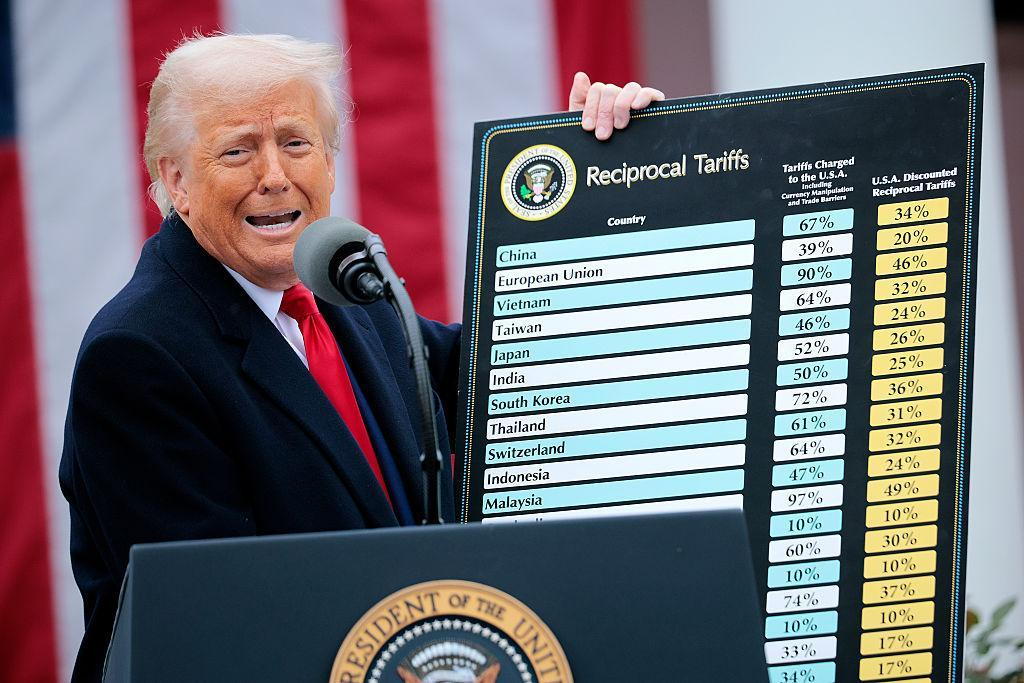
American consumers and businesses could face another wave of economic uncertainty amid reports that President Donald Trump's administration is preparing higher tariffs targeting China, Europe and other major trading partners.
Supporters of tariffs argue that they protect American manufacturers, encourage domestic investment and reduce dependence on foreign production.
Critics warn that higher import duties could increase consumer prices, disrupt supply chains and provoke retaliatory measures against American exports.
For millions of Americans already struggling with household expenses, another round of tariffs could have significant financial consequences.
Could higher tariffs bring manufacturing jobs back to America, or will ordinary families ultimately bear the additional costs?
1. Trump Administration Prepares New Tariffs Targeting 16 Major Economies

According to reports published by Reuters, the Associated Press and The Wall Street Journal on November 24–25, the Trump administration is preparing additional import duties following a months-long investigation into foreign industrial policies.
U.S. Trade Representative Jamieson Greer is expected to release the investigation's findings shortly.
The investigation covers government subsidies and industrial overcapacity that the administration argues undermine the competitiveness of American manufacturers.
The final tariff rates, exemptions and implementation dates have not yet been officially confirmed.
MWC Sandbox/Syndication+2
2. Which Countries Could Be Affected?
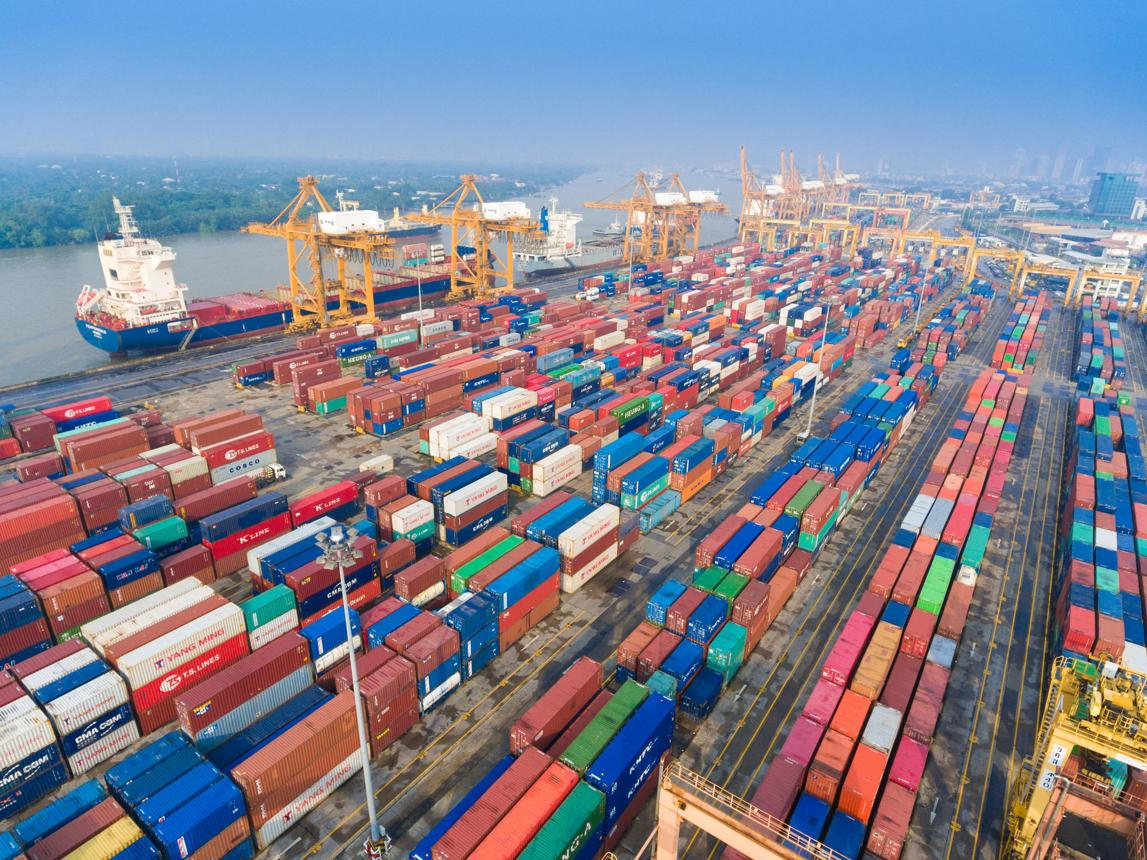
The investigation encompasses 16 trading partners, including some of America's most important suppliers.
Cambodia
Trading partners covered by the Section 301 investigation. Inclusion does not mean a new tariff has already taken effect.
The Indian Express
Because the European Union comprises 27 member states, the potential measures could affect dozens of national economies.
The consequences could extend well beyond the targeted countries, affecting global manufacturing, international shipping and retail supply chains.
3. How High Could Trump's New Tariffs Go?
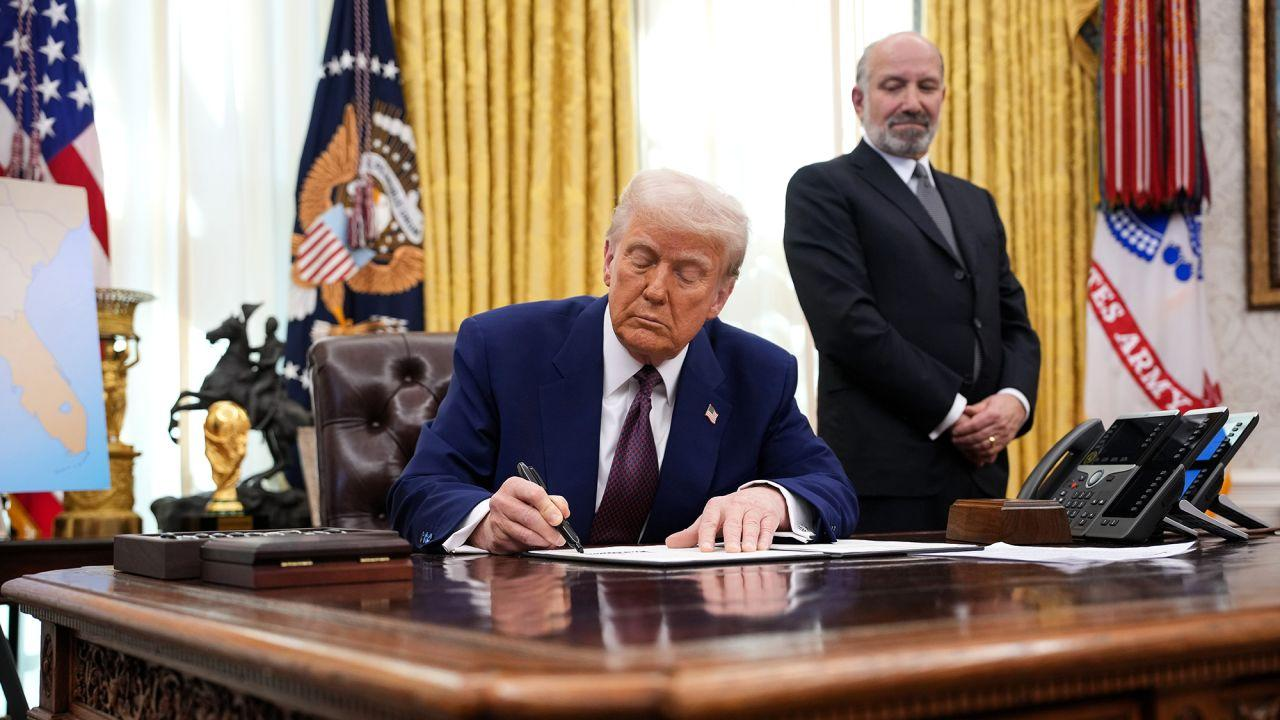
According to The Wall Street Journal, the administration is expected to take previously negotiated trade agreements into consideration when determining tariff rates.
|
Trading partner |
Reported potential framework
🇪🇺 European Union
15% or lower
🇯🇵 Japan
15% or lower
🇰🇷 South Korea
15% or lower
🇨🇳 China
Existing 20% second-term tariff cap could remain under the trade truce
🇮🇳 India
Potentially higher rates
🇻🇳 Vietnam
Potentially higher rates
Other trading partners
Undetermined
Reported expectations rather than officially announced new rates.
WSJ+1
Additional duties could be combined with certain tariffs already in place.
However, existing tariff arrangements differ between countries and product categories, meaning that the final financial impact could vary significantly.
4. Why Is Trump Pursuing Another Round of Tariffs?
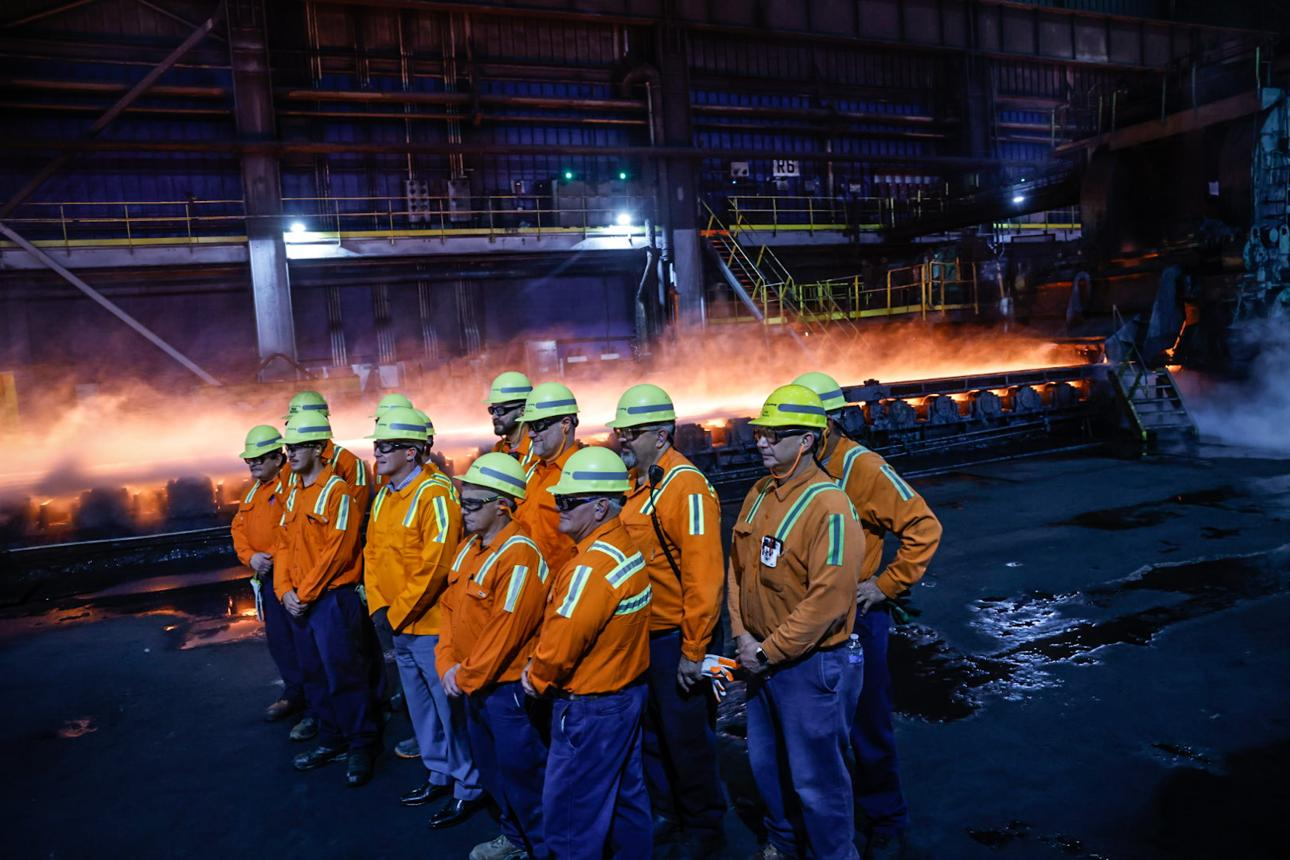
The administration's central argument is that foreign governments provide financial support to domestic manufacturers, allowing them to produce more goods than their markets can absorb.
Those goods can subsequently enter international markets at competitive prices, creating pressure on American producers.
The administration hopes that additional tariffs will help address these competitive disadvantages and encourage investment in American manufacturing.
China has rejected the overcapacity accusations, arguing that its exports reflect legitimate competitive strengths.
MWC Sandbox/Syndication
The dispute highlights a fundamental disagreement over what constitutes fair competition in the global economy.
5. Who Actually Pays American Tariffs?

One of the most important questions surrounding tariffs is who ultimately pays them.
Tariffs are collected from the importer of record when goods enter the United States. Foreign governments do not directly pay these duties to the U.S. Treasury.
Importers can respond by absorbing the additional cost, negotiating lower prices with suppliers or passing some of the expense on to customers.
How tariffs can reach American consumers
The amount passed on to consumers depends on competition, supplier pricing and business margins.
The economic burden can therefore be shared among American businesses, foreign suppliers and American consumers.
6. Which Everyday Products Could Become More Expensive?

Electronics
Smartphones, computers, televisions and electronic components.

Clothing and footwear
Imported garments, shoes and accessories.

Household appliances
Refrigerators, washing machines and kitchen equipment.

Furniture
Household furnishings and imported components.
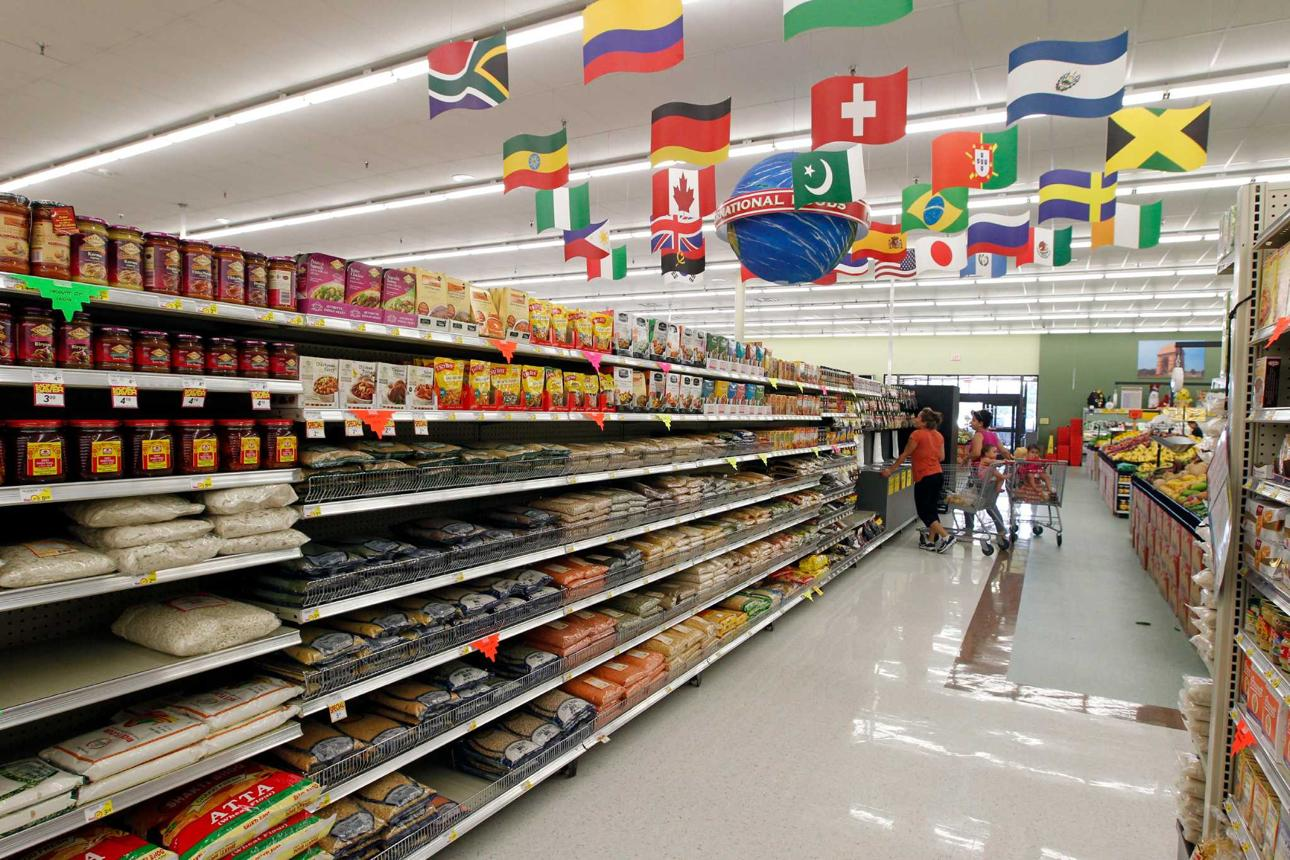
Imported food
Selected foods, beverages and ingredients sourced overseas.
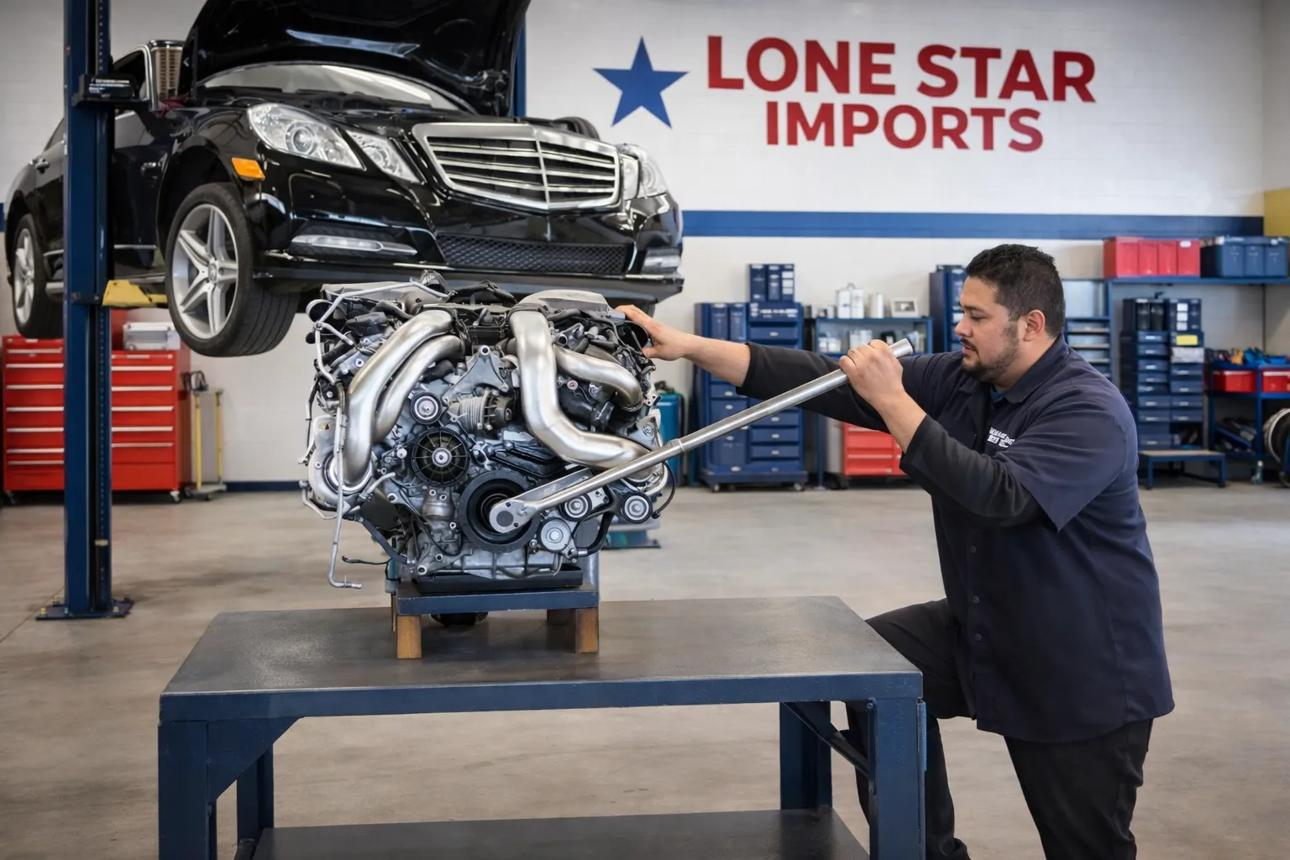
Automotive supplies
Selected replacement parts and manufacturing components.
The potential impact depends on the final product coverage and exemptions.
Certain goods, including steel, aluminum and automobiles, could be excluded from the new measures because they are already covered by separate tariff provisions.
The Times of India
Even American-made products could become more expensive if their manufacturers rely on imported materials or components.
7. How Much More Could Americans Have to Pay?
The following examples illustrate the additional import cost if goods face higher tariffs.
Illustrative additional import costs
|
Customs value |
10% tariff
15% tariff
25% tariff
$100
$10
$15
$25
$500
$50
$75
$125
$1,000
$100
$150
$250
$2,000
$200
$300
$500
$5,000
$500
$750
$1,250
Calculate the potential financial impact
Customs value of imported goods
$1,000
Additional tariff rate
15%
Cost passed on to customers
75%
Additional import duty
$150
Potential additional consumer cost
$112.5
Hypothetical calculation, not a forecast. Actual retail prices depend on the final tariff policy, business pricing decisions and supply-chain adjustments.
A tariff increase does not automatically produce an identical percentage increase in retail prices.
Nevertheless, if businesses cannot absorb higher import costs, consumers could face more expensive products.
8. Could Tariffs Bring Manufacturing Jobs Back to America?
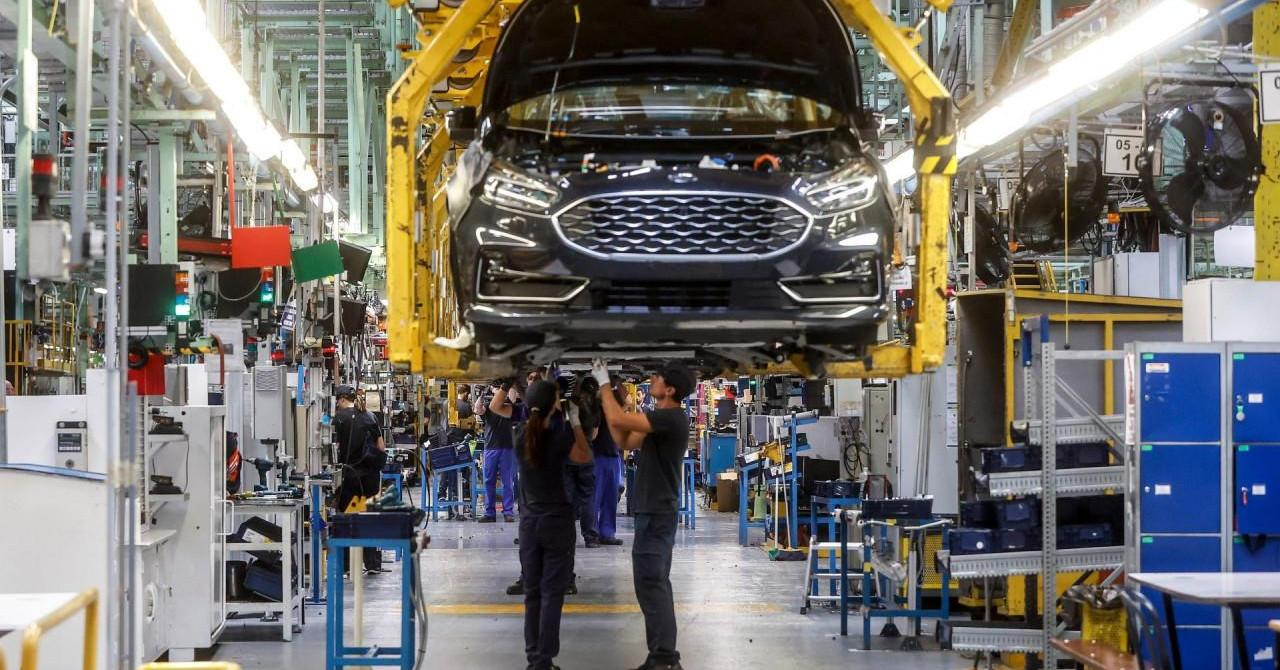
Supporters of Trump's trade strategy argue that tariffs can reduce the competitive advantage of foreign manufacturers and encourage companies to expand production within the United States.
Domestic producers competing directly against imported goods could benefit.
Additional manufacturing investment could also create employment opportunities in industrial communities.
However, building factories, training workers and establishing new supply chains can take years.
American manufacturers that depend on imported machinery, raw materials and components could simultaneously face higher production costs.
|
Potential benefits |
Potential risks
Protection for domestic producers
Higher manufacturing costs
Greater domestic investment
More expensive consumer goods
Employment in protected industries
Job losses in other industries
Reduced foreign dependence
Supply-chain disruptions
Greater trade negotiating leverage
Foreign retaliation
Whether tariffs generate a net increase in American employment depends on how companies, consumers and trading partners respond.
9. American Farmers Could Face Retaliation

Agriculture represents another area of potential economic vulnerability.
If foreign governments respond with tariffs of their own, American agricultural exports could become less competitive in overseas markets.
Farmers producing soybeans, corn, wheat, beef and pork could face reduced demand if overseas buyers switch to alternative suppliers.
At the same time, tariffs on imported agricultural equipment and production materials could increase operating expenses.
For rural communities dependent on agricultural exports, an escalating trade dispute could therefore create significant financial uncertainty.
Retaliation remains a potential outcome rather than a confirmed consequence of the forthcoming tariff package.
10. Could New Tariffs Make America's Inflation Problem Worse?

Additional tariffs could arrive at a difficult moment for American households.
Many families are already concerned about groceries, housing, healthcare, insurance and borrowing costs.
Higher import duties could place additional upward pressure on the price of selected goods.
That does not necessarily mean inflation will permanently accelerate. The overall effect would depend on the size of the tariffs, the products covered and broader economic conditions.
However, renewed price increases could complicate the Federal Reserve's efforts to maintain price stability.
For households living paycheck to paycheck, even relatively modest increases in essential expenses can create serious financial difficulties.
11. Many Americans Want Tariff Relief
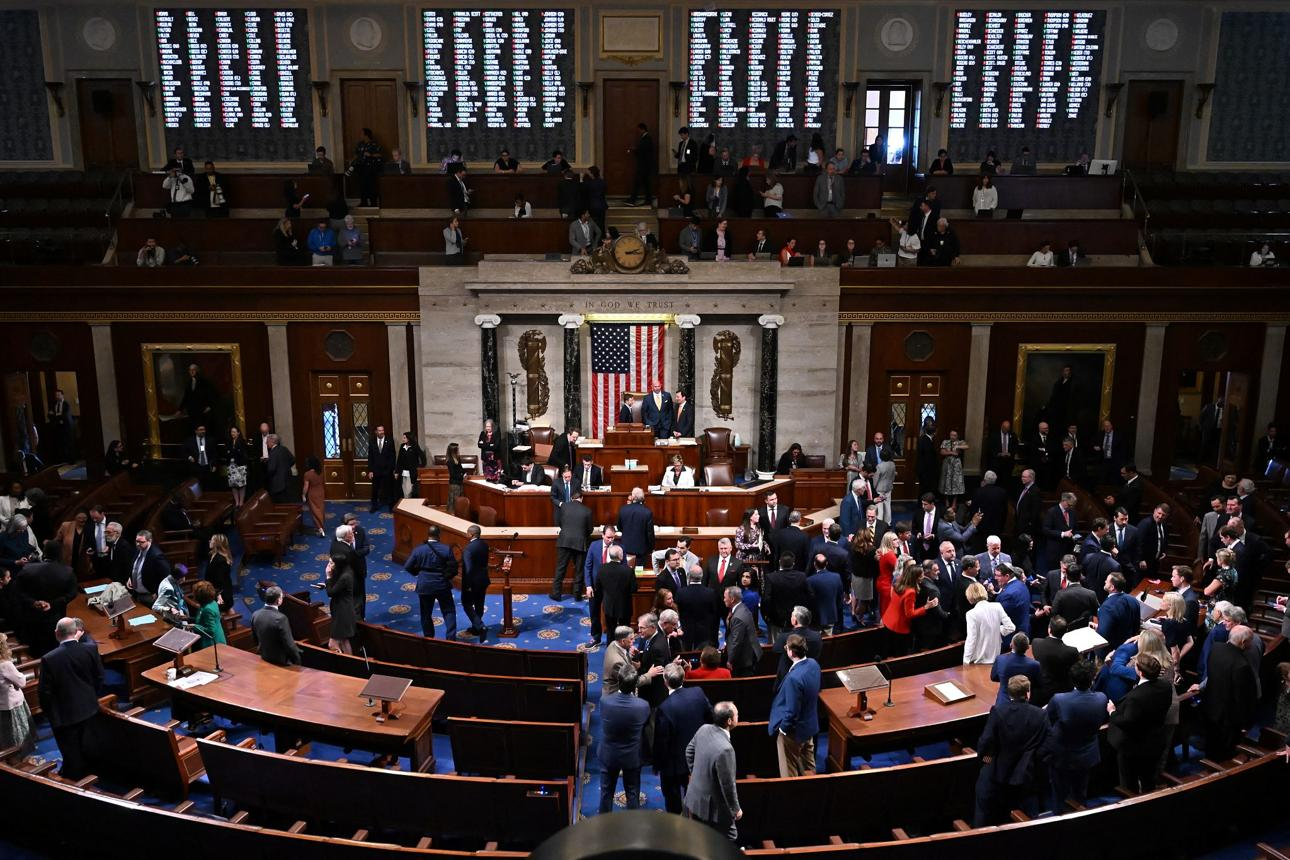
Public opinion presents another challenge for the administration's trade agenda.
A Reuters/Ipsos poll conducted after November's midterm elections found that 62% of respondents supported efforts to repeal the tariffs.
MWC Sandbox/Syndication
Support for efforts to repeal tariffs
62%
62% support
38% other responses
Source: Reuters/Ipsos post-midterm survey, November 2026. The remaining 38% should not be interpreted entirely as opposition.
The findings suggest considerable public concern surrounding existing import duties.
Supporters of tariffs maintain that short-term costs may be justified by longer-term industrial benefits.
Opponents question whether American households should absorb those costs while already facing affordability challenges.
12. Could the Trade Dispute Escalate With China?
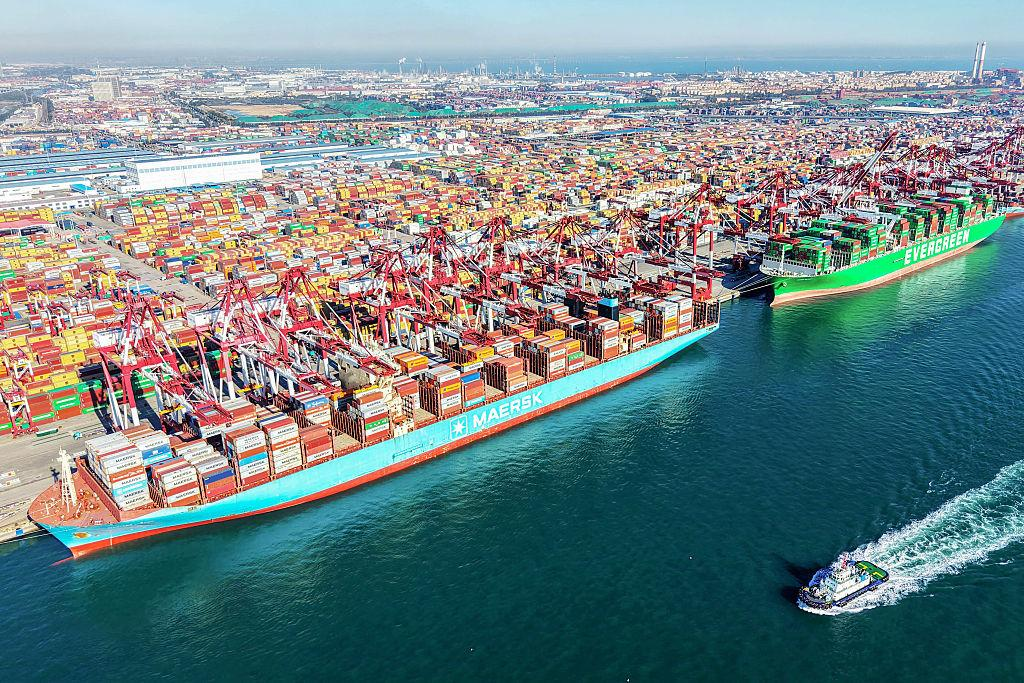
China remains a central focus of the administration's industrial subsidy investigation.
The existing U.S.–China trade truce is scheduled to expire on January 10, 2027. Reuters reports that maintaining the negotiated tariff cap could depend on whether that arrangement is extended.
MWC Sandbox/Syndication
An agreement could limit further escalation.
A breakdown in negotiations, however, could create additional uncertainty for businesses operating across both economies.
American retailers, technology companies, manufacturers and agricultural exporters have significant interests in maintaining predictable trading conditions.
13. When Could the New Tariffs Take Effect?
-
March 11, 2026
Section 301 investigation into foreign industrial overcapacity begins.
July 2026
Separate tariffs of 10% or 12.5% are introduced over forced-labor enforcement concerns.
November 24–25, 2026
Reports emerge that another tariff package is being prepared.
Upcoming announcement
Proposed rates, product coverage and possible exemptions are expected to become clearer.
Potentially early 2027
Trade experts anticipate that implementation could follow a public comment period.
Sources: Reuters, NDTV and Barron's. Future implementation dates remain provisional.
NDTV+2
The announcement of proposed tariffs should not be confused with their immediate implementation.
American businesses and consumers will need to examine the official documents before assessing the precise financial consequences.
14. Will Ordinary Americans Ultimately Benefit?
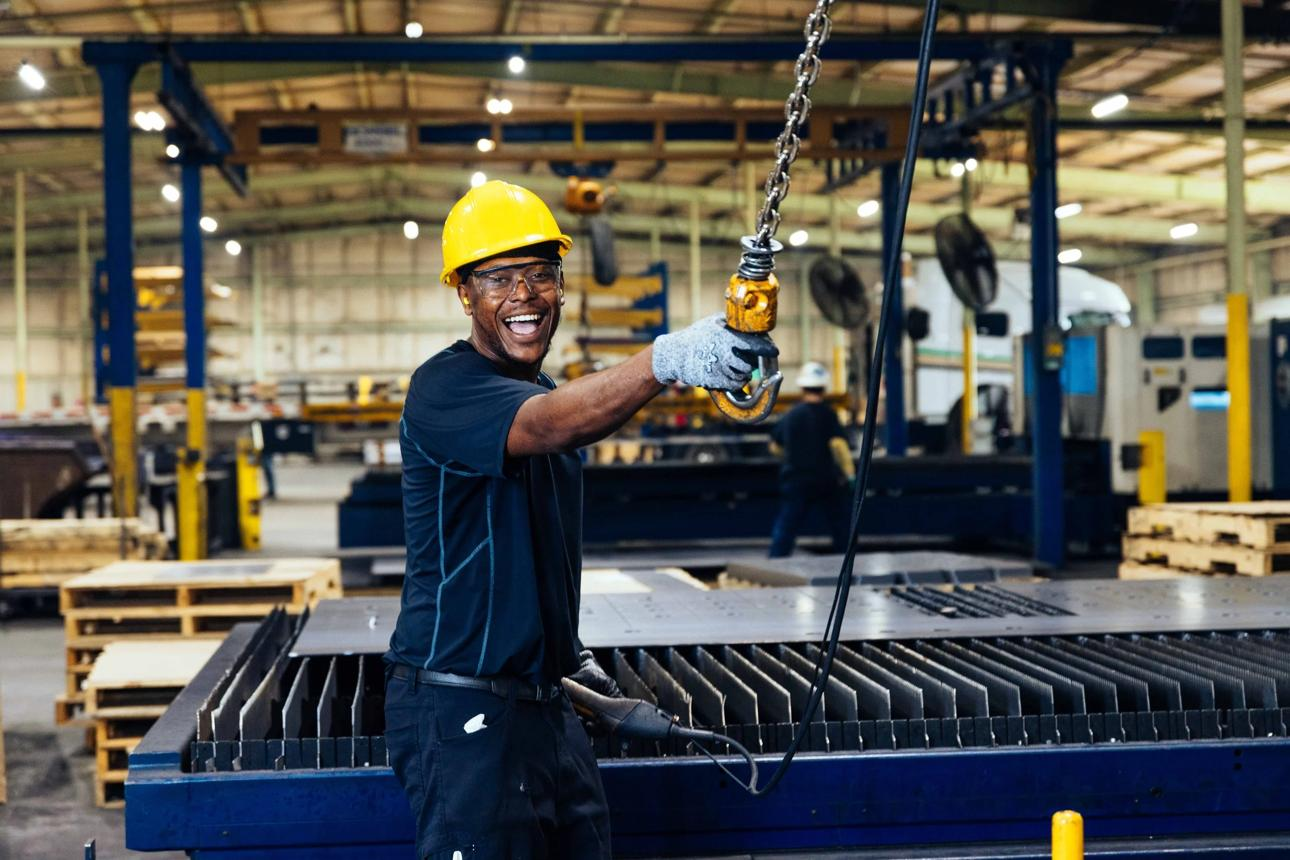
The debate over tariffs ultimately centers on two important economic objectives: protecting American industries and keeping life affordable for American families.
Tariffs could strengthen selected domestic industries and encourage companies to manufacture more products within the United States.
At the same time, they could increase costs for businesses, consumers and exporters exposed to foreign retaliation.
The benefits and costs may not be distributed equally across the economy.
A manufacturing worker could benefit from increased domestic production while simultaneously facing higher prices at the supermarket or retail store.
The real test of Trump's new tariff strategy will be whether it produces sustainable American jobs and stronger domestic industries without placing an excessive financial burden on ordinary households.
Can the United States rebuild its manufacturing strength while keeping consumer prices affordable? And how should Washington balance industrial protection against the financial needs of American families?
AMERICA, WHAT DO YOU THINK? WILL HIGHER TARIFFS PROTECT AMERICAN JOBS, OR WILL THEY MAKE EVERYDAY LIFE MORE EXPENSIVE? SHARE YOUR OPINION IN THE COMMENTS BELOW!
Sources
Comments (0)
Loading comments...
May You Like


IOWA MILITARY EMERGENCY: 51 TONS OF UNSTABLE SUSPECTED BIOWEAPON WASTE FOUND AFTER 5-TON BLAST!

10,000 CIA AND U.S. SPY RECORDS LEAKED—3 INTELLIGENCE AGENCIES ORDER EMERGENCY REVIEWS!










Popular Posts


