
TRUMP'S NVIDIA STOCK DEALINGS — IS THERE ANY TRUTH TO THE $14 MILLION PROFIT CLAIM?
TRUMP'S ALLEGED $14 MILLION NVIDIA STOCK PROFIT: A SHREWD INVESTMENT OR A POTENTIAL CONFLICT OF INTEREST?
WASHINGTON, D.C. — NOVEMBER 27, 2026
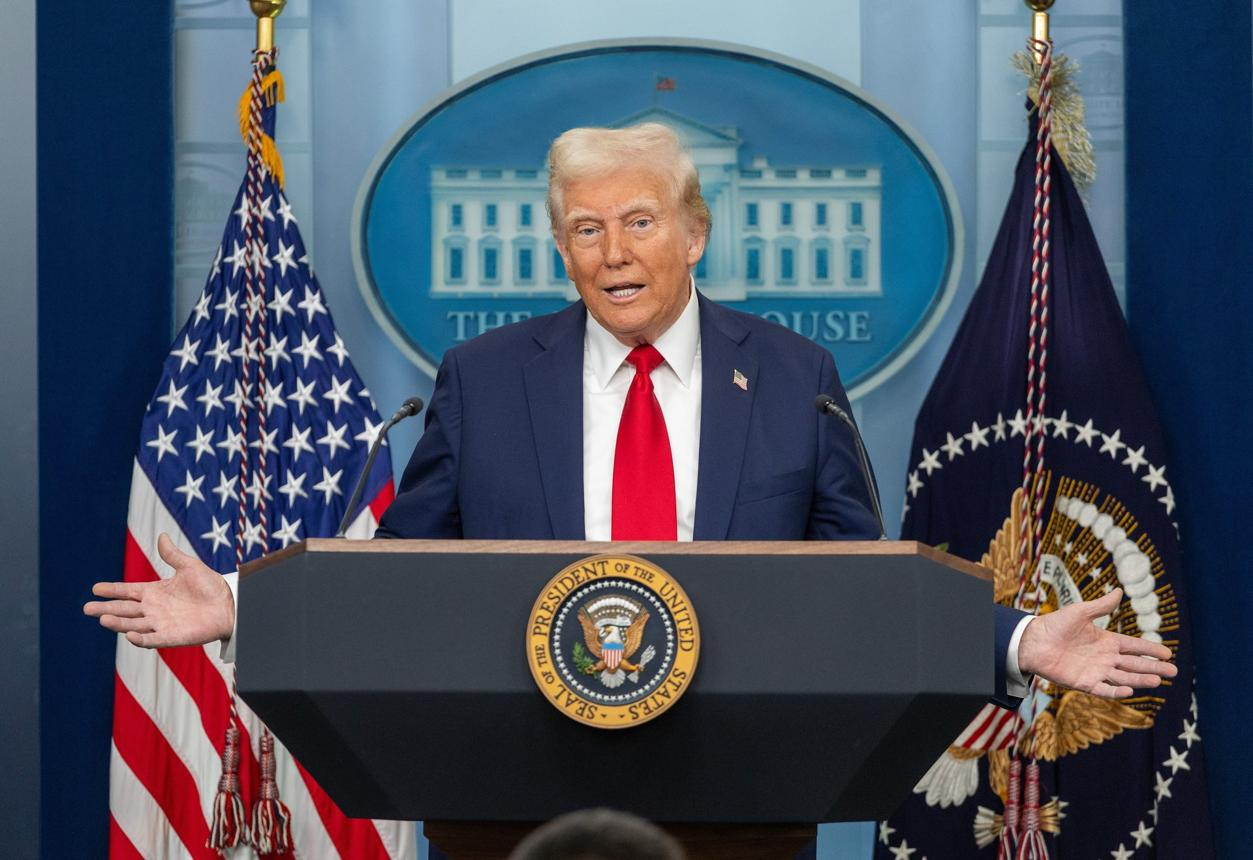
A controversial claim involving President Donald Trump, Nvidia CEO Jensen Huang and an alleged $14 million stock market profit is raising questions about the relationship between political power and personal investments.
The allegation suggests that Trump purchased Nvidia shares during a significant decline before allegedly intervening in the company's leadership, potentially benefiting from a subsequent stock price recovery.
However, establishing whether such transactions actually occurred requires credible financial disclosures, corporate records and independent reporting.
Was this simply a profitable investment, an unsubstantiated rumor, or a situation that deserves further investigation?
1. Nvidia Stock Surges Following Jensen Huang's Return
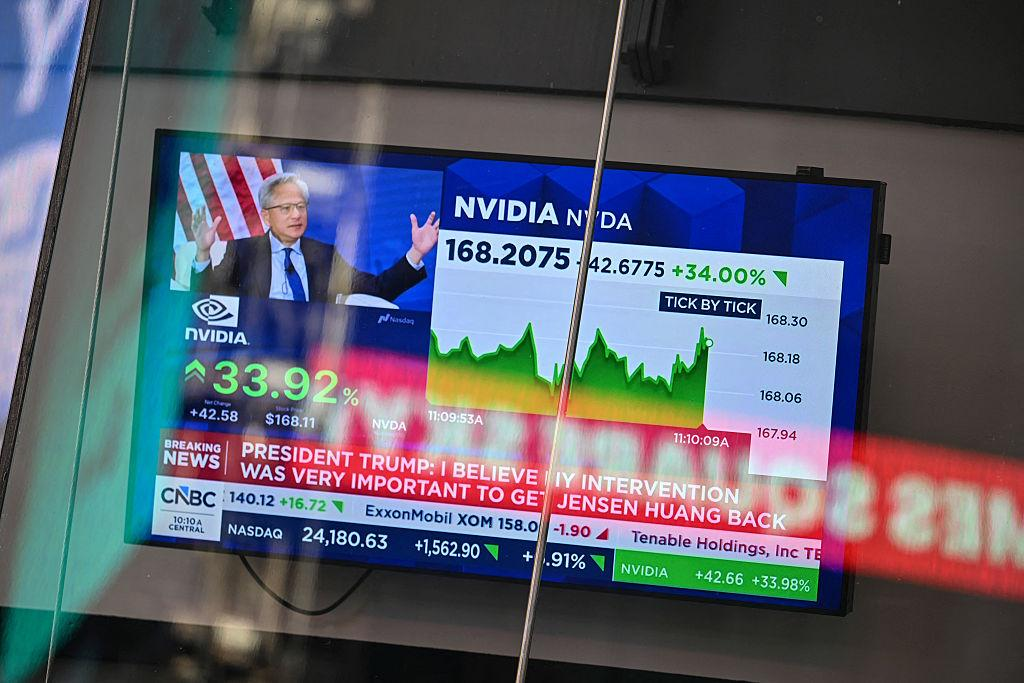
On November 23, 2026, Nvidia's board reinstated Jensen Huang as chief executive officer following President Trump's intervention.
The announcement triggered a remarkable stock market rally, with Nvidia shares closing approximately 31.5% higher that day, according to Reuters.
Reuters
Nvidia's one-day stock increase
+31.5%
Estimated upper limit of Trump's gain
$15M
Estimated lower limit
$1.3M
Exact realized profit
Unconfirmed
Sources: Reuters and Financial Times estimates reported in a November 25 fact-check.
Reuters+1
2. Did Trump Really Buy Nvidia Shares Before the Recovery?
Financial disclosures establish that Trump had invested substantial amounts in Nvidia before Huang's departure.
Reuters reported the following transactions:
|
Period |
Nvidia shares purchased
Shares sold
August 2026
Up to $1.6 million
Up to $1 million
September 2026
Up to $265,000
Up to $15,000
Investing.com+1
However, the available financial disclosures do not establish that Trump purchased additional shares when Nvidia's stock reached its November lows.
The relevant October and November transaction records were not yet publicly available as of November 25.
3. The Timeline Behind Nvidia's Extraordinary Comeback
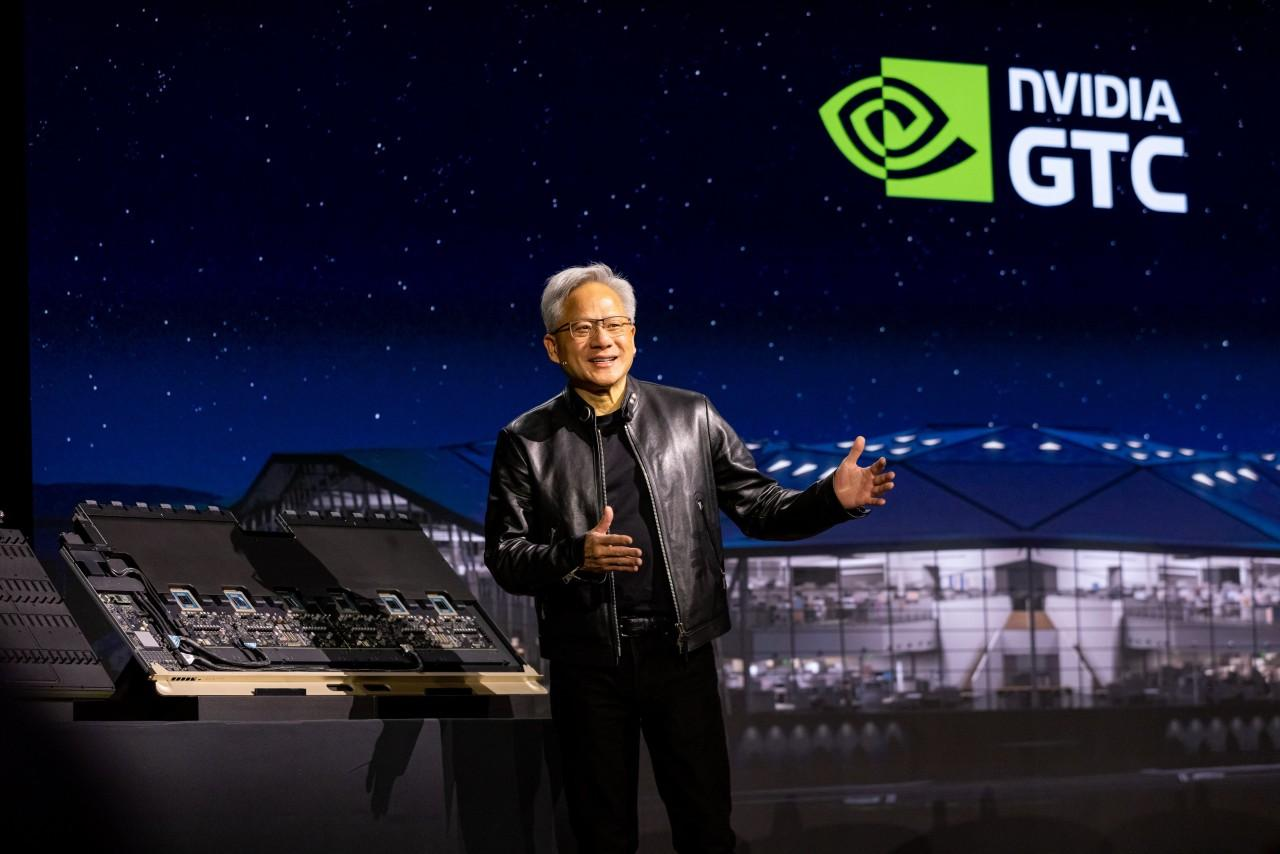
November 12 — Huang resigns
Nvidia announces Huang's departure and begins searching for a permanent successor.

November 17 — Nvidia rejects a comeback
The company's board publicly rules out reinstating its former CEO.
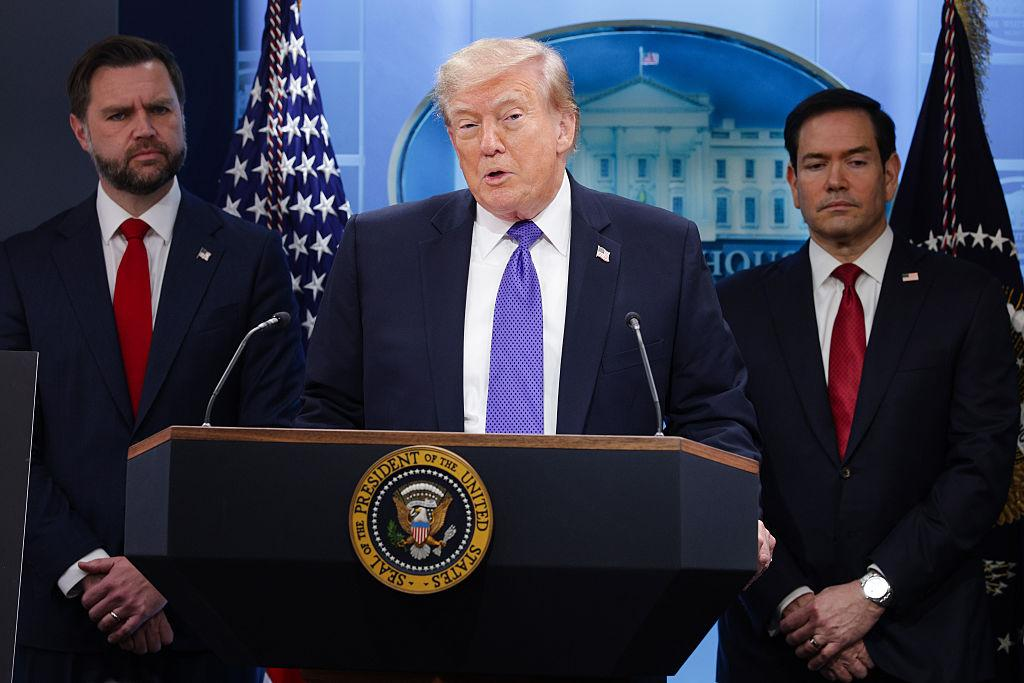
November 22 — Trump intervenes
The president publicly calls for Huang to return to Nvidia.
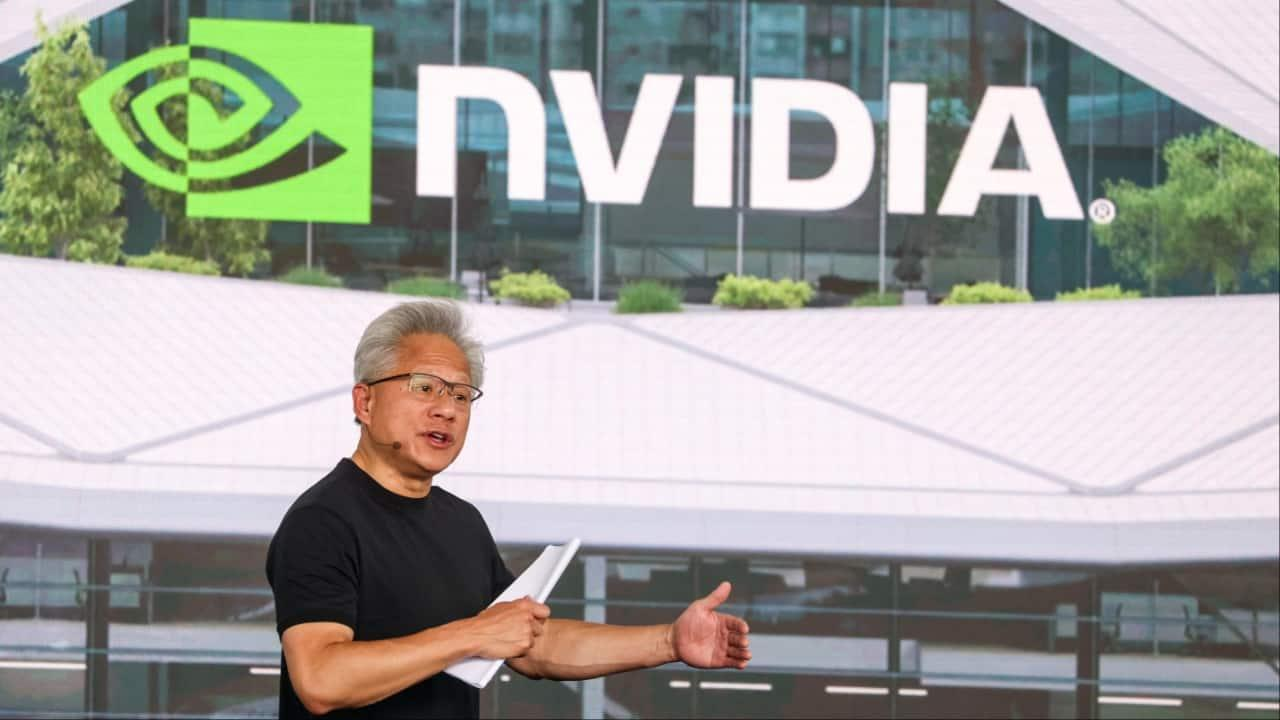
November 23 — Huang returns
Nvidia reverses its earlier position following a unanimous board vote.
TIME+1
4. How Much Money Could Trump Have Made?
The Financial Times estimated that the president's Nvidia holdings could have increased in value by between $1.3 million and $15 million following Huang's reinstatement, based on previously disclosed investments.
Yahoo Tài Chính
NVIDIA Corp (NVDA)
$149.30
-$5.99 (3.86%)
Nov 25, 7:59:51 PM EST
$151.24
+$1.94
(1.3%)
After Hours
1D5D1M6MYTD1Y5YMAX
14014214414614815010:00 AM11:00 AM12:00 PM1:00 PM2:00 PM3:00 PM4:00 PM
Open
144.13
Volume
366.6M
Market Cap
3.63T
Day Low
141.24
Year Low
124.5
EPS (TTM)
7.97
Day High
152.1
Year High
243.37
P/E Ratio
18.73
There is an important distinction between an increase in portfolio value and an actual cash profit.
Unless Trump sold the shares at the higher price, any increase would generally represent an unrealized investment gain.
How a stock market rally can generate millions
Initial portfolio value
$45M
Stock price increase
31.5%
Investment gain
$14.18M
New portfolio value
$59.17M
Hypothetical calculation, not Trump's confirmed portfolio value or realized profit.
5. Why Did Trump Want Jensen Huang Back?
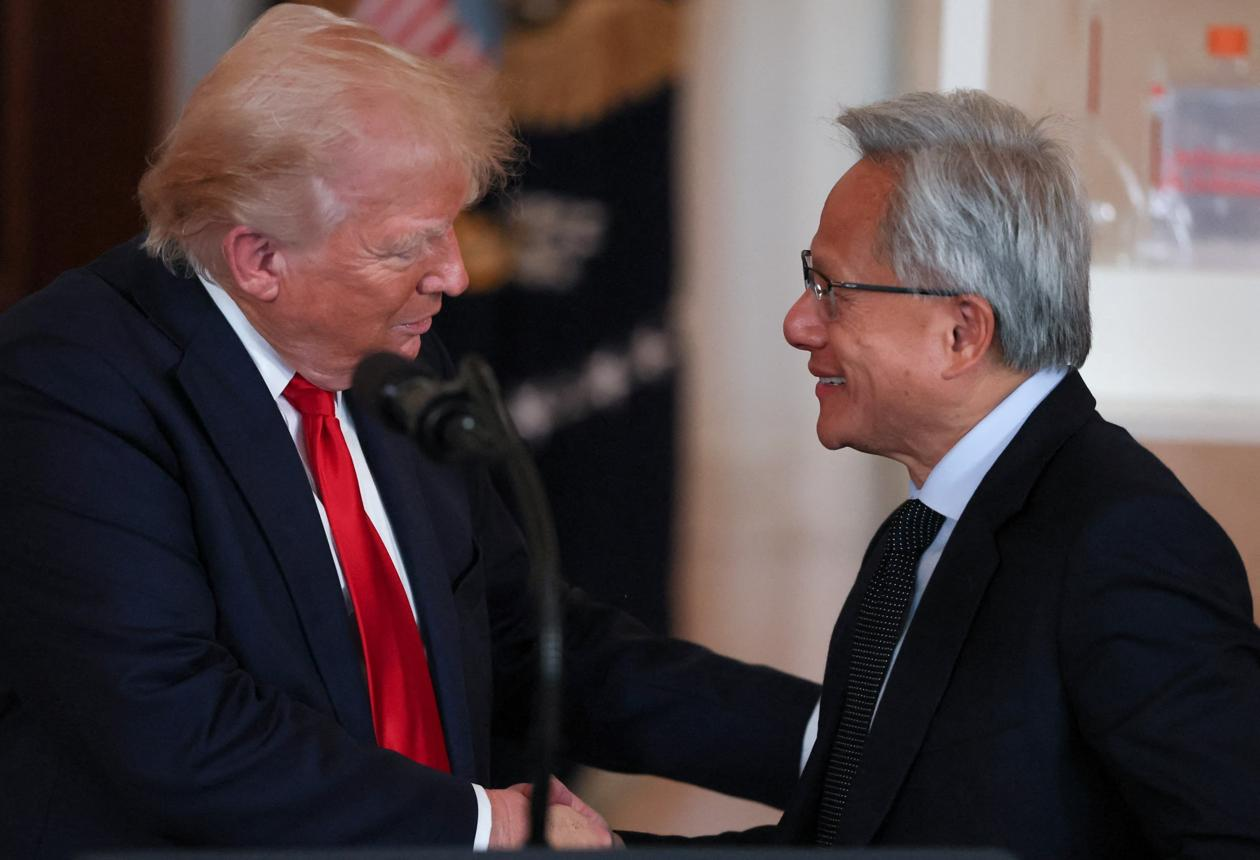
According to the Associated Press, Trump argued that Huang's expertise was essential to American competitiveness in artificial intelligence. He also expressed concerns that China could benefit from Huang's departure.
The administration presented its intervention as a matter of American technological leadership and economic interests.
AP News
Nevertheless, the president's personal financial exposure to Nvidia creates legitimate questions about whether appropriate safeguards were in place.
6. Could This Constitute Insider Trading?

Insider trading generally involves unlawful securities transactions involving material, nonpublic information.
Establishing whether misconduct occurred in this case would require evidence addressing several questions:
-
When were the relevant shares purchased or sold?
Who authorized those transactions?
What nonpublic information was available at the time?
Was that information improperly used to make investment decisions?
A presidential intervention followed by a stock market rally does not, by itself, prove insider trading.
7. How Has the White House Responded?
The White House maintains that independent financial institutions manage Trump's investment portfolio and make investment decisions on his behalf.
In October, White House spokesperson Davis Ingle denied that the president's Nvidia investments created conflicts of interest.
Investing.com
That explanation provides the administration's position, although the timing and authorization of any subsequent transactions remain relevant to evaluating the controversy.
8. What Has Actually Been Confirmed?
|
Claim |
Evidence status
Trump owned Nvidia shares
Confirmed by disclosures
Trump supported Huang's return
Confirmed
Nvidia's board reinstated Huang
Confirmed
Nvidia shares surged approximately 31.5%
Confirmed
Trump gained up to $15 million in portfolio value
Estimated
Trump purchased shares at their November low
Unverified
Trump collected $14 million in cash profits
Unverified
Trump engaged in illegal market manipulation
Not established
Reuters+2
9. A Question of Presidential Power and Financial Transparency
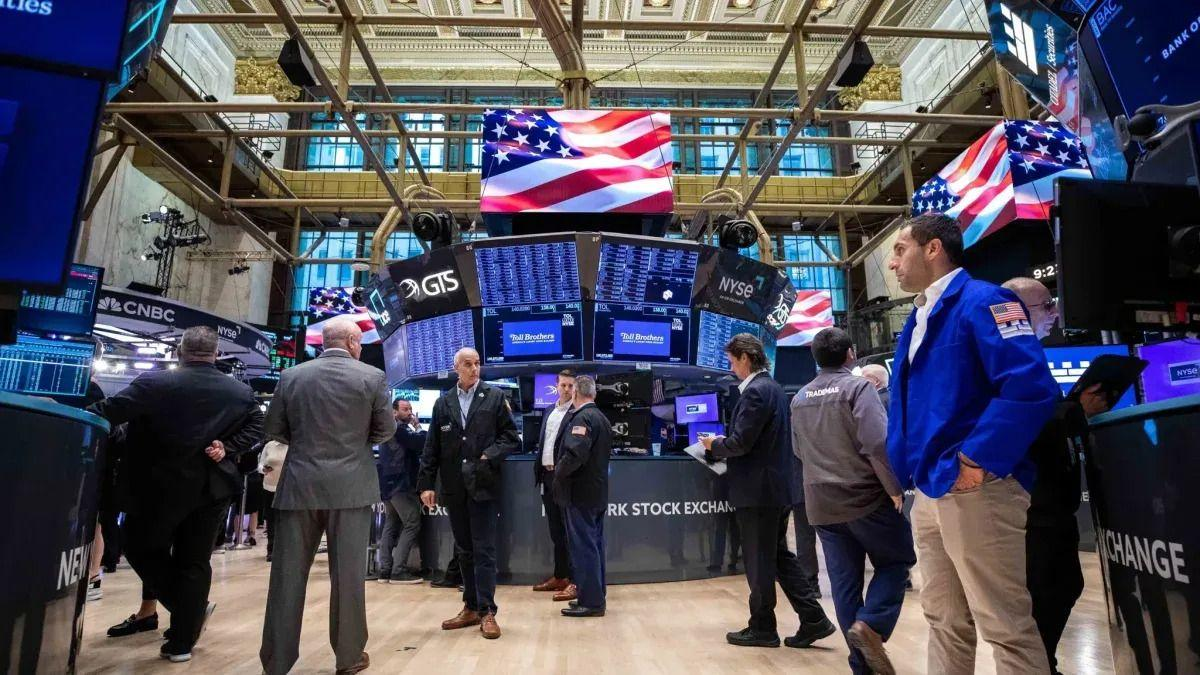
The Nvidia controversy highlights a broader debate over how elected officials should manage personal investments when government decisions can significantly influence financial markets.
Supporters of Trump's intervention emphasize Nvidia's importance to the American economy and national technological competitiveness.
Critics question whether presidents should hold substantial investments in individual companies whose fortunes may be affected by their official actions.
Greater transparency concerning investment decisions could help the American public evaluate these competing concerns.
The evidence shows that Trump held Nvidia stock, supported Huang's return and potentially benefited from the subsequent rally. What remains unproven is whether he deliberately timed his investments to profit from his intervention.
AMERICA, WHAT DO YOU THINK? WAS TRUMP'S INTERVENTION INTENDED TO PROTECT AMERICAN TECHNOLOGICAL LEADERSHIP, OR DOES HIS PERSONAL FINANCIAL INTEREST DESERVE CLOSER SCRUTINY? SHARE YOUR OPINION IN THE COMMENTS BELOW!
Comments (0)
Loading comments...
May You Like

PENTAGON'S DECLASSIFIED UFO FILES — THE MYSTERY OF AN UNDERGROUND STORAGE PROJECT!

IOWA MILITARY DISASTER: 5 TONS OF SUSPECTED BIOWEAPON WASTE LEAK—301+ HOSPITALIZED, 20 CRITICAL!

PENTAGON'S PATRIOT MISSILE DELAY — A MAJOR SETBACK FOR UKRAINE'S AIR DEFENSE?












