
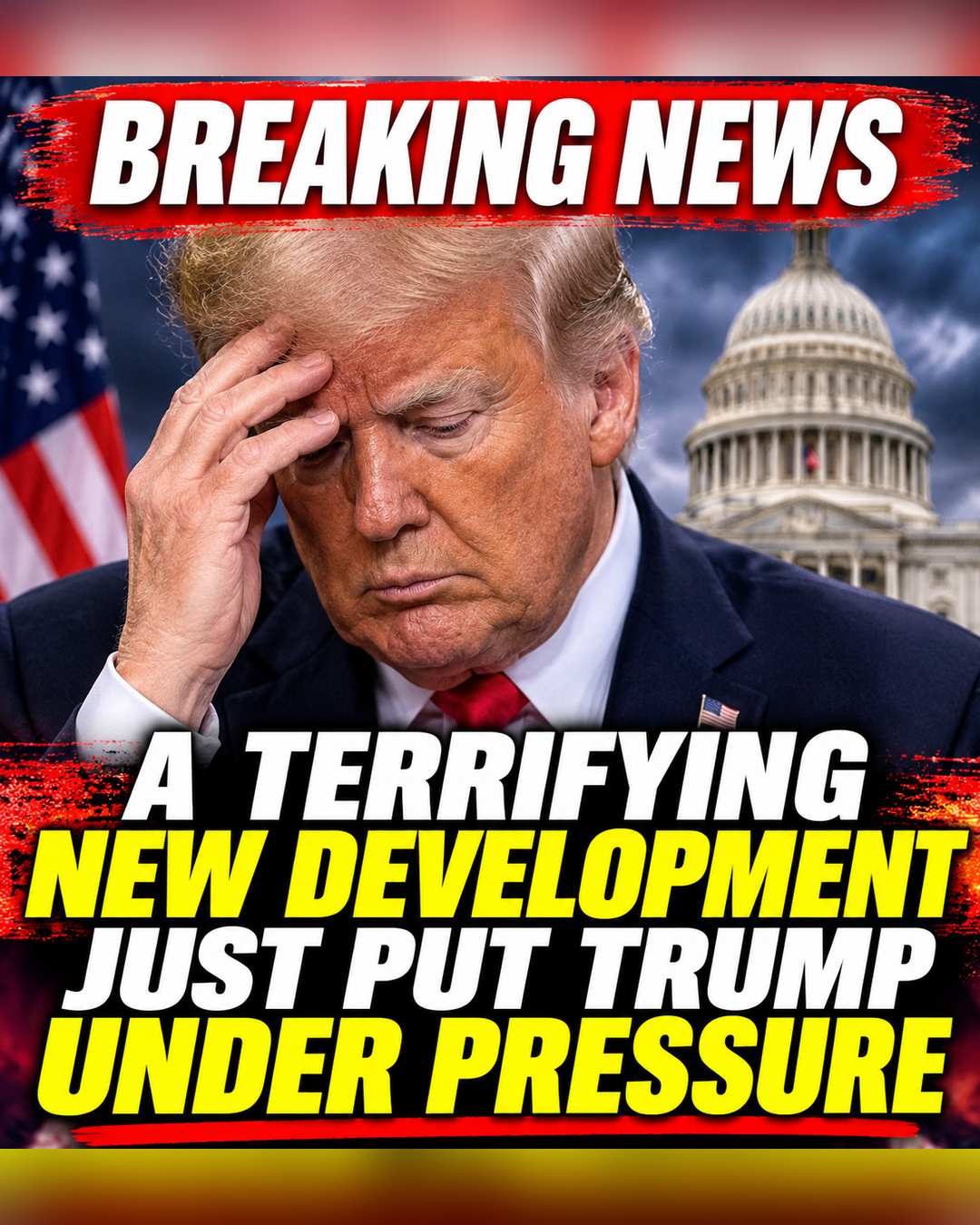
TRUMP'S TEAM IS PREPARING FOR A POLITICAL SCENARIO NOBODY WANTS TO TALK ABOUT
TRUMP'S TEAM IS PREPARING FOR A POLITICAL SCENARIO NOBODY WANTS TO TALK ABOUT
The White House is preparing for a major political showdown that could reshape Donald Trump's remaining years in office. With the November 3 midterm elections approaching, administration officials have reportedly spent months examining how Trump could continue advancing his agenda if Democrats take control of Congress.
The strategy reveals a striking contradiction: while Trump is publicly campaigning to keep Republicans in power, his team is also preparing for the possibility that voters could hand Democrats the keys to congressional oversight. The plan is not simply about surviving a political setback. It is about preserving presidential power when the legislative branch may be controlled by the opposition.
According to reporting published November 1, senior officials have been reviewing potential executive actions, legal strategies and preparations for congressional investigations. The outcome of Tuesday's elections could determine how aggressively those plans are put into practice.
THE WHITE HOUSE IS DRAWING UP A PLAN B

Behind the public campaign to preserve Republican control, White House officials have reportedly been exploring which parts of Trump's agenda could move forward without new legislation. Deputy chief of staff Stephen Miller, budget director Russell Vought and White House lawyers have been involved in reviewing the options.
The preparations reportedly began months before Election Day. Officials have been examining the limits of presidential authority, identifying actions that could be taken through existing executive powers and considering how the administration might defend those decisions if challenged in court.
The planning reflects a basic reality of American government: losing a congressional majority does not automatically strip a president of executive authority. A president retains significant control over federal agencies, immigration enforcement and foreign policy, although the scope of those powers is limited by statutes, the Constitution and judicial review.
For Trump, the objective appears to be maintaining momentum even if the political landscape in Washington changes dramatically.
TARIFFS, IMMIGRATION AND HOUSING ARE AT THE CENTER OF THE STRATEGY
One of the most consequential parts of the reported planning concerns policies the administration may be able to pursue through executive action. These include potential new tariffs on critical minerals and wind turbines, tighter visa rules for international students and temporary foreign workers, and measures intended to address housing and construction costs.
Federal agencies have reportedly been reviewing which initiatives could be implemented without obtaining fresh approval from Congress. Officials are also examining how existing appropriations could be used to advance administration priorities and whether federal grant rules could be changed to give political appointees greater influence over funding decisions.
These proposals could have far-reaching consequences. Tariffs can reshape trade relationships and affect import costs. Visa restrictions can influence universities, employers and foreign workers. Changes to grant administration could alter how federal money reaches state governments, local authorities and public programs.
But the legal details matter. Presidential authority is not unlimited, and a policy that can be announced through executive action may still face lawsuits, statutory restrictions or practical obstacles during implementation.
The emerging strategy therefore involves more than deciding what Trump wants to do. It also requires determining what he can legally do—and how long those decisions might survive a court challenge.
RUSSELL VOUGHT AND STEPHEN MILLER FACE A CRITICAL TEST
Two influential figures reportedly involved in the preparations are Stephen Miller, a leading architect of the administration's immigration and policy agenda, and Russell Vought, who oversees the federal budget process.
Their roles place them at the center of two important questions: how far the administration can push presidential authority, and how it can continue directing federal resources if Congress becomes less cooperative.
Vought's reported review of existing appropriations is particularly significant. Federal spending is governed by laws passed by Congress, and an administration cannot simply disregard legal funding restrictions because the opposition controls the legislature. Nevertheless, officials may have room to determine how certain already-authorized funds are administered, depending on the relevant statutes.
Miller's policy work, meanwhile, is closely associated with immigration enforcement and the use of executive authority to implement Trump's priorities.
Together with White House lawyers, these officials are reportedly examining where the administration can act independently, where it could face legal resistance and how it might defend its decisions.
The resulting strategy could shape the next phase of Trump's presidency if Republicans lose their congressional majorities.
A DEMOCRATIC CONGRESS COULD OPEN THE DOOR TO INVESTIGATIONS

The potential loss of congressional control presents another serious challenge for Trump: oversight investigations.
If Democrats take control of the House, committee leaders could use hearings, subpoenas and requests for documents to examine the administration's actions. Investigations could focus on the use of presidential authority, government spending and allegations that official decisions benefited Trump, his associates or political allies.
The administration is reportedly preparing officials for that possibility. White House lawyers have been briefing political appointees and agency leaders on how to respond to congressional inquiries and document requests. Officials have also considered legal arguments involving executive privilege, which can protect certain confidential presidential communications in some circumstances.
However, executive privilege is not a blanket shield against all congressional oversight. Disputes over subpoenas and access to records can end up in court, where judges must consider the competing legal interests.
A Democratic House would not automatically prove wrongdoing by the administration. It would, however, give Democrats greater institutional power to investigate, demand explanations and keep contentious issues in the public spotlight.
That prospect could make the next Congress a far more confrontational arena for the White House.
THE SUPREME COURT AND FEDERAL JUDGES COULD BECOME PART OF THE FIGHT

Control of the Senate could be just as important as control of the House. The Senate confirms federal judges and many senior executive-branch nominees, giving its majority a powerful role in determining who fills key government positions.
If Democrats gain control, they could slow or block Trump's nominees. That would be especially consequential if vacancies arose on the federal judiciary or if the president sought to nominate a Supreme Court justice.
The administration's executive actions could also face challenges in federal courts. Judges may be asked to determine whether particular measures exceed statutory authority, violate constitutional protections or conflict with existing law.
This creates a complicated political equation. Trump could retain the power to issue executive orders and veto legislation, while Democrats could use congressional oversight and confirmation powers to constrain his administration. Courts would continue to serve as another check on actions that are challenged as unlawful.
Neither side would have complete control. Instead, the country could enter a period of intensified disputes over the boundaries of presidential power and the constitutional role of Congress.
TRUMP COULD BECOME A PRESIDENT WHO BLOCKS AS MUCH AS HE ACTS
A Democratic takeover would not necessarily mean that Trump's entire agenda would come to a halt. The president would retain the ability to veto legislation he opposes, making it difficult for Democrats to enact major bills without sufficient support to override him.
Trump has already indicated that he could adopt a more obstructive approach if Democrats win control. That would leave both parties with incentives to fight over spending, appointments, investigations and legislation rather than seek broad compromises.
The practical consequences could be substantial. Government funding disputes might become more difficult to resolve. Major policy changes could stall, while congressional hearings and legal battles consume political attention. Even proposals that attract some bipartisan support could become entangled in broader partisan conflict.
At the same time, a divided government would not make cooperation impossible. Both parties could still find common ground on selected issues, particularly when political pressure or public opinion encourages a negotiated solution.
Much would depend on the size of any Democratic majority, the priorities of congressional leaders and the willingness of the White House to negotiate.
THE ELECTION COULD CHANGE THE RULES OF THE POLITICAL BATTLE

The stakes extend beyond the immediate contest for congressional seats. The election will help determine whether Trump's remaining time in office is defined primarily by legislation, executive action, investigations or a combination of all three.
For Republicans, retaining control would offer a clearer path to advancing the administration's priorities through Congress. For Democrats, winning either chamber would provide new tools to scrutinize the president and influence the legislative agenda.
Yet the reported preparations suggest that the White House is not treating a potential defeat as the end of its political program. Instead, officials are evaluating how to preserve as much of Trump's agenda as the law permits under a more hostile Congress.
The central uncertainty is how much of that strategy will work in practice. Executive actions can be challenged, funding decisions are constrained by law, and congressional investigations cannot simply be erased by presidential orders.
Trump's team is preparing for a government in which the president may still wield significant power—but face far more resistance at every turn. The midterm results will determine whether that contingency plan remains on paper or becomes the defining feature of the next two years in Washington.
Comments (0)
Loading comments...
May You Like
A MAJOR BREAKTHROUGH MAY BE WITHIN REACH — BUT IRAN'S NEXT MOVE COULD CHANGE EVERYTHING

Virginia Dem Indicted On Serious Charges Days Before Elections
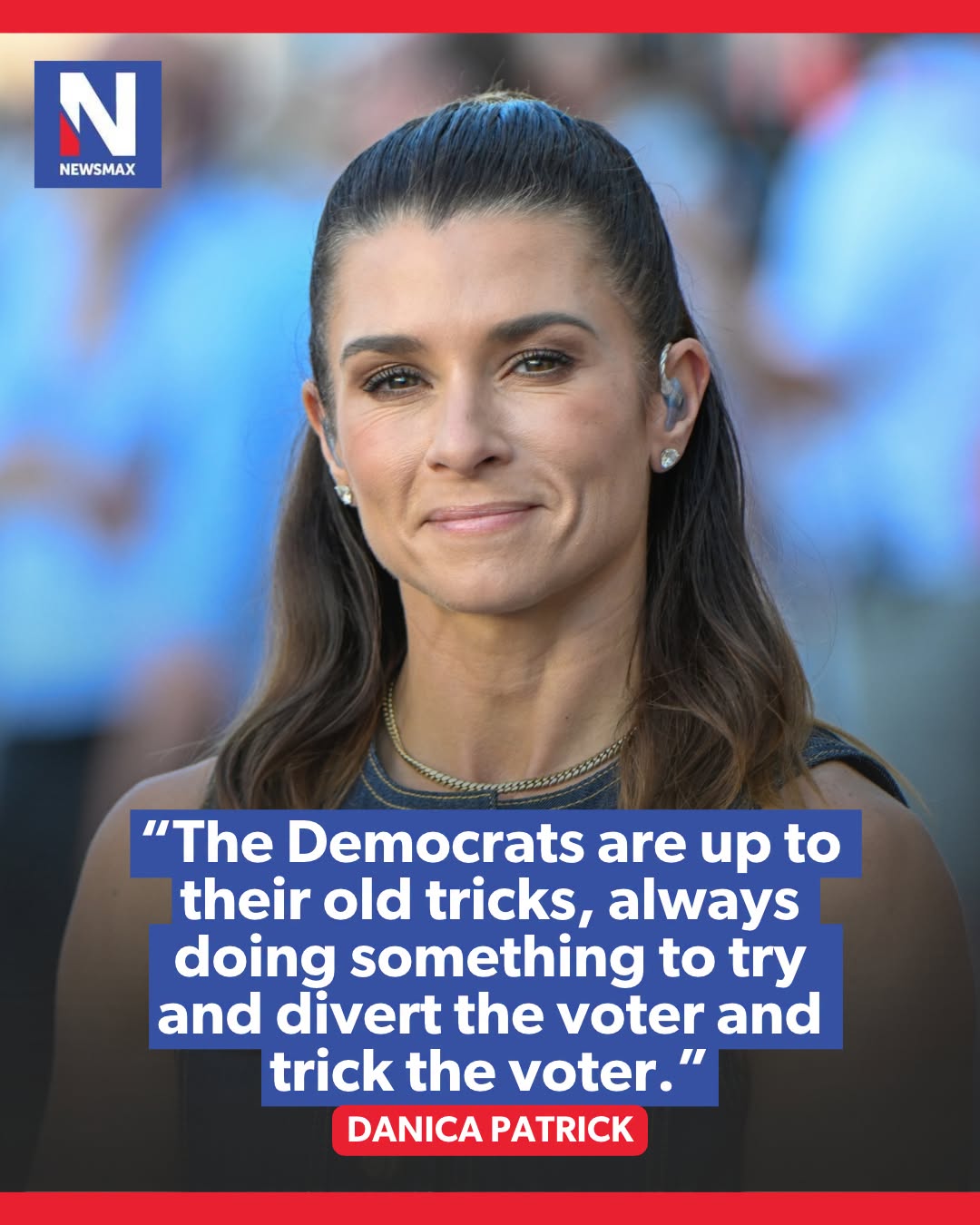
Danica Patrick Accuses Democrats




Popular Posts

Treasury Flags $8 Billion
Nov 2, 2026

Trump Backs Bukele’s
Nov 2, 2026
Danica Patrick Accuses Democrats
Nov 2, 2026