
TRUMP’S STEPHEN MILLER REMARK THROWS 2028 RACE INTO CHAOS AS VANCE AND RUBIO WATCH
WASHINGTON — NOV 21, 2026 — President Donald Trump’s appearance with senior advisers has intensified attention on the Republican Party’s eventual succession as potential contenders consider what a post-Trump contest might look like.
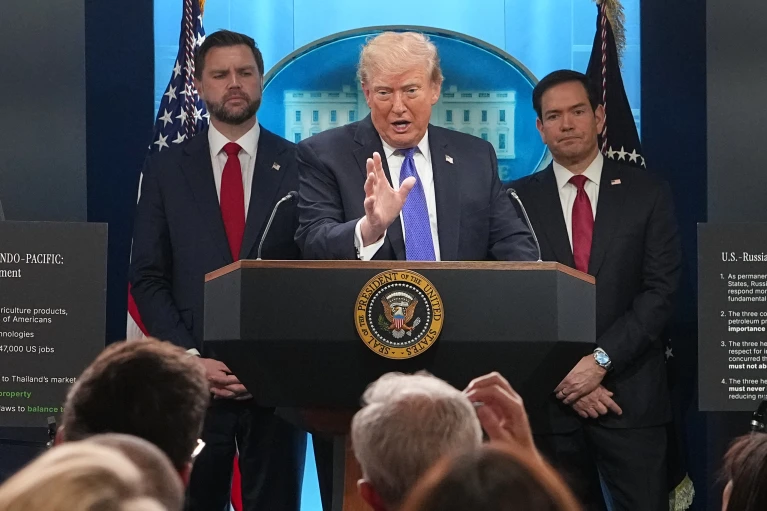
Vice President JD Vance and Secretary of State Marco Rubio have both been discussed as possible presidential candidates, giving their public appearances with Trump significance beyond their current government duties.
The next presidential election remains 2 years away, and the shape of the Republican field depends on decisions that potential candidates and voters have not yet made.
Trump’s second elected term ends in January 2029, and the Constitution’s 22nd Amendment bars anyone elected president twice from being elected to the office again.
That timeline has encouraged discussion about who might inherit the party’s coalition, even as the administration confronts foreign policy disputes and the consequences of the November midterm elections.
Vance, a former Ohio senator and Trump’s running mate in 2024, holds a position that gives him national visibility and frequent opportunities to explain the administration’s agenda.
Rubio, a former Florida senator who ran for the Republican presidential nomination in 2016, has also taken a prominent role as secretary of state during the current administration.
Both men have been mentioned in discussions about the next Republican nomination, though neither has formally announced a 2028 campaign, and Rubio has said he would support Vance if he runs.
Stephen Miller, a longtime Trump adviser known for shaping immigration policy, became White House chief of staff in November after Susie Wiles left the position following the midterms.
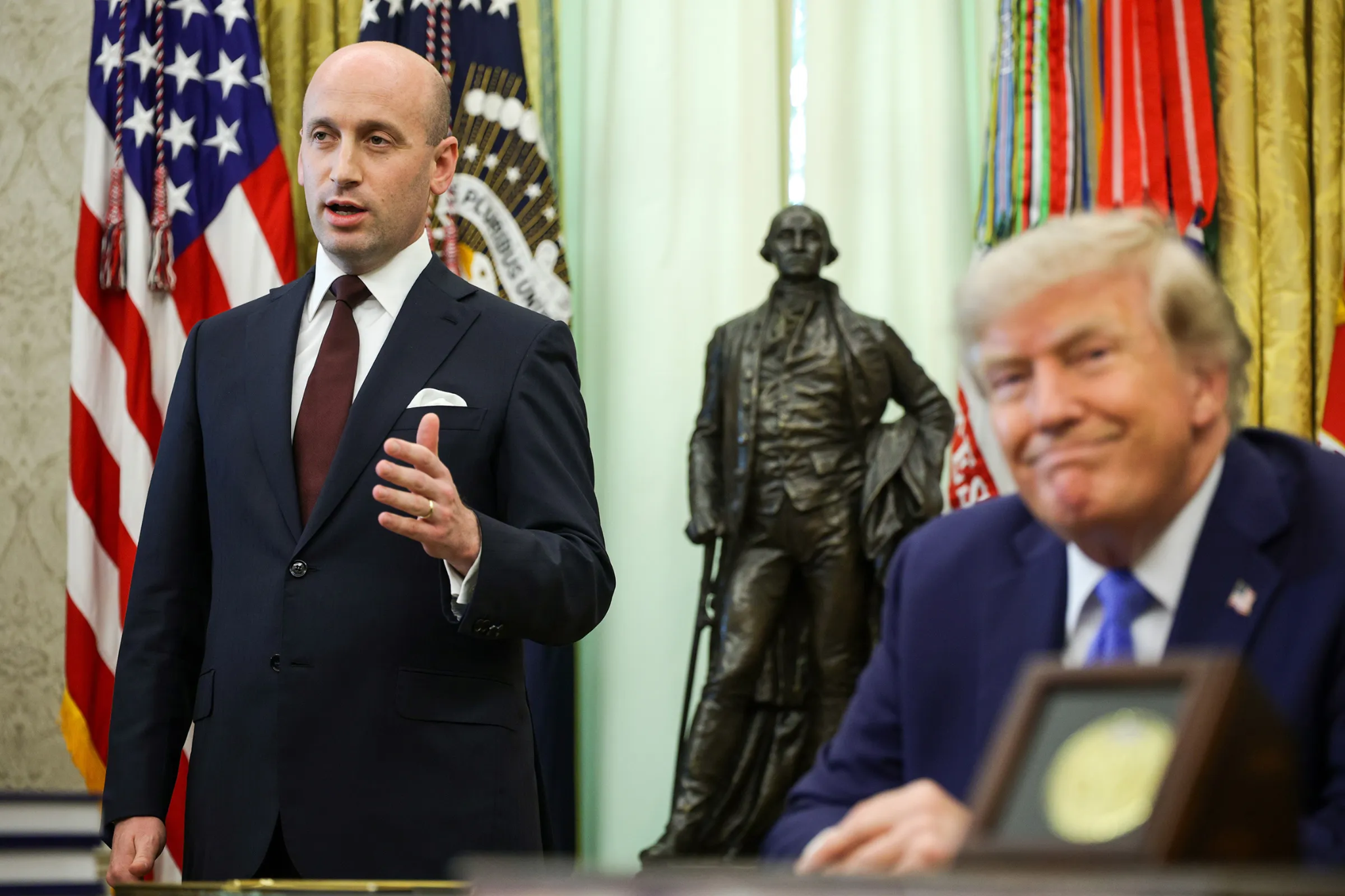
The chief of staff helps manage access to the president and coordinates the White House operation, but the appointment itself does not establish an intention to seek elected office.
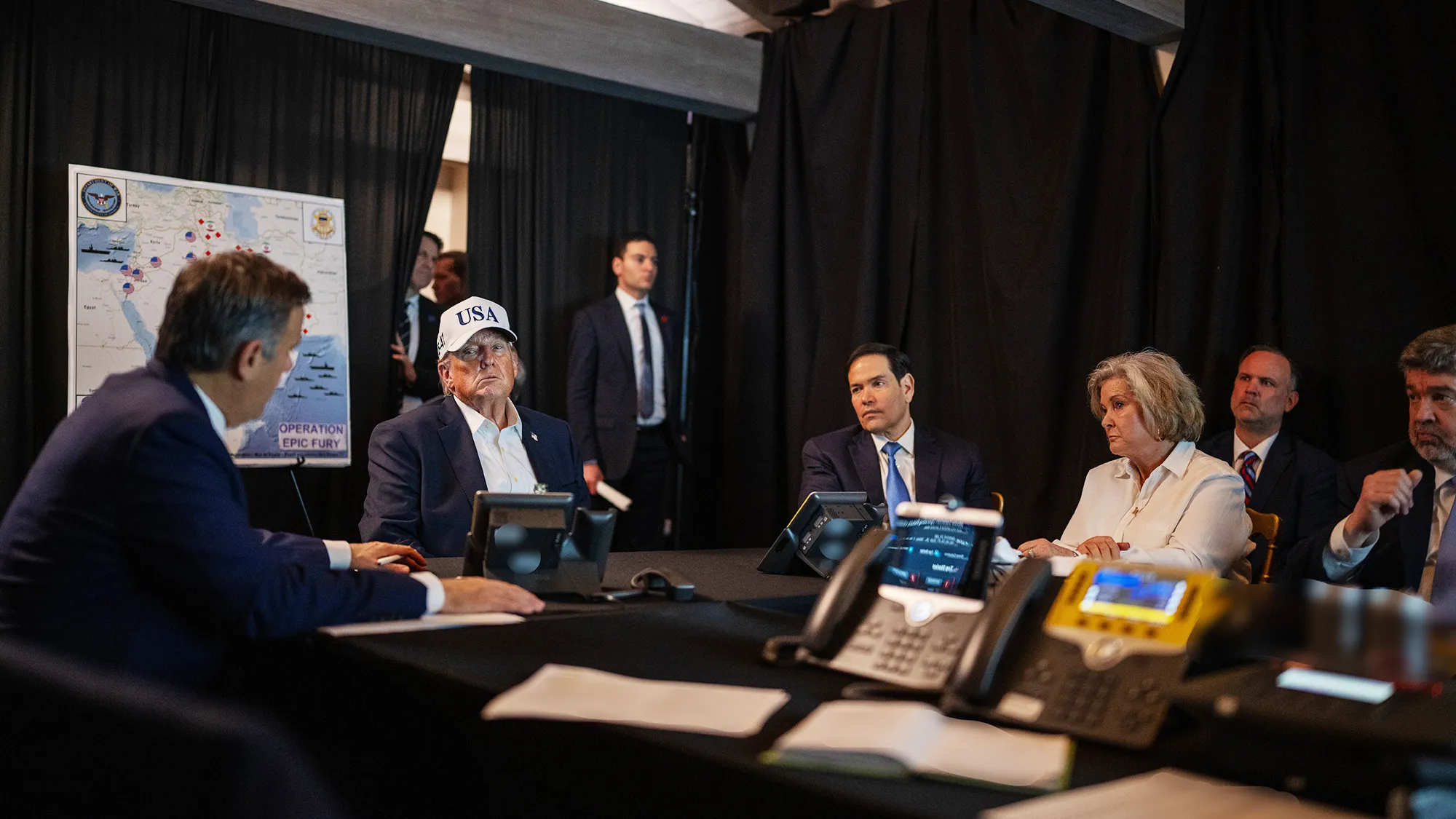
Republican strategists and supporters have debated which potential successor could keep Trump’s coalition together, while questions about the Iran war have exposed differences in emphasis among prominent figures.
After the midterms, Vance identified the Iran war as the main reason Republicans lost control of Congress, an assessment Trump has called accurate while defending his decision to strike.
Foreign policy is only one issue in an eventual primary, where candidates would also need to build organizations, raise money and appeal to voters across different states.
At a White House news conference on Nov 20 following his Asia trip, Trump addressed reporters with Vance and Rubio present before inviting Miller to speak.
After Miller praised the president’s record, Trump joked that his chief of staff had performed better than the other two men and asked whether Miller wanted to run for president.
The exchange did not amount to an endorsement, and Miller has not publicly announced a presidential campaign, so the remark cannot establish that he has entered the race.
Recent surveys give conflicting snapshots: an Emerson College poll released Nov 19 found Rubio ahead of Vance 36% to 20% when Republican primary voters named a preference without a list.
A separate Morning Consult survey conducted Nov 13 to 15 found Vance ahead of Rubio 37% to 17% in a hypothetical Republican primary, illustrating how results can differ.
Neither survey can determine the eventual nominee, and the available reporting does not establish that Vance and Rubio’s teams publicly attacked one another over Miller’s brief appearance.
The answer is that no winner or Trump-endorsed successor has been established, leaving Republican voters to make their choice if and when a full 2028 field takes shape.
Comments (0)
Loading comments...
May You Like

THANKSGIVING CRISIS: NYC PARADE POSTPONED AFTER FBI WARNING—$900 MILLION LOST!

TRUMP CALLED FOR KIMMEL’S FIRING—THE FCC ACTED THE VERY NEXT DAY

10,000 CIA AND U.S. SPY RECORDS LEAKED—3 INTELLIGENCE AGENCIES ORDER EMERGENCY REVIEWS!














