TRUMP'S TARIFF CHAOS! ★ EXEMPTS CANADA — BUT ADDS NEW TAXES...


TRUMP’S TARIFF CHAOS! CANADA GETS SELECTIVE RELIEF AS WASHINGTON ADDS NEW 50% IMPORT TAXES
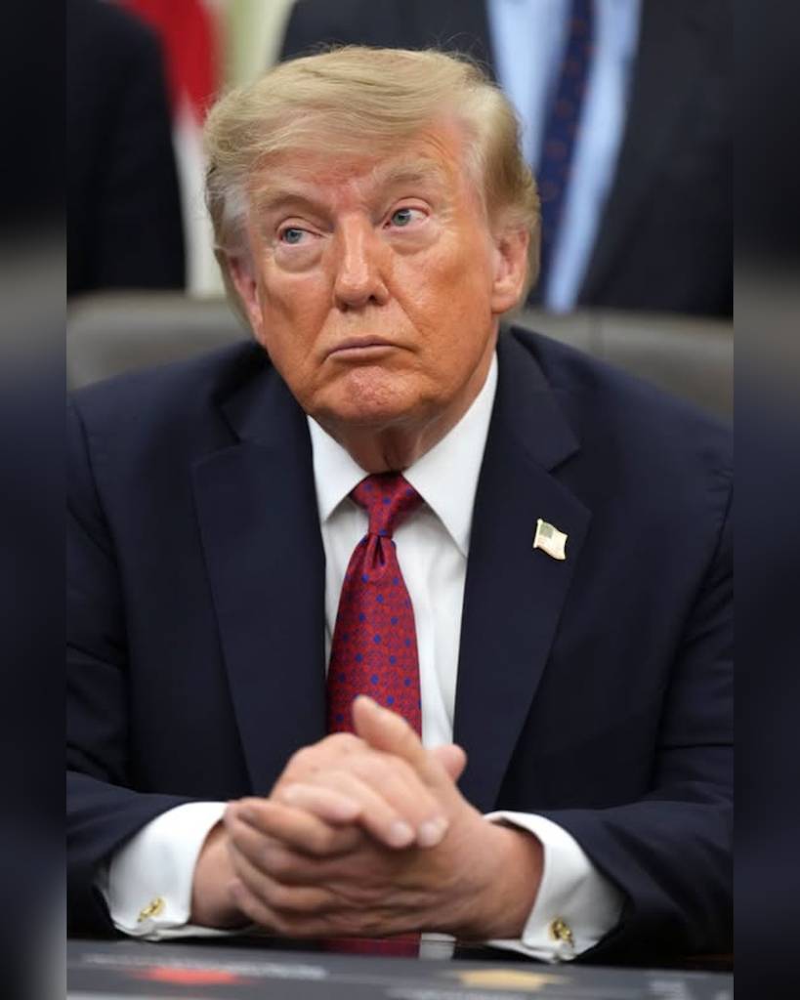
President Donald Trump has revised his administration’s tariffs on Canadian goods, removing certain products from a 50 percent duty list while adding dozens of other items.
The White House announced the changes on October 23, describing them as another effort to counter what the administration considers unfair Canadian trade practices.
The revised policy is scheduled to take effect on October 30, creating a new set of rules for businesses importing covered Canadian products into the United States.
Under the proclamation, 22 product categories previously subject to the additional tariffs will receive exemptions, while approximately 100 other product categories will be added to the list.
The exemptions cover selected plywood, paper products, packaging materials, refrigeration equipment, agricultural machinery, and other goods used by American businesses and agricultural producers.
Some of these imports are important to companies that rely on specialized Canadian supplies that may be unavailable domestically or more expensive to replace.
The administration says the changes are intended to protect American workers and businesses by responding to what it describes as discriminatory treatment of U.S. exports by Canada.
However, the decision does not eliminate the broader tariff dispute between the neighboring countries, whose economies remain closely connected through manufacturing, agriculture, transportation, and energy.
Newly targeted products include certain carpets, paints, varnishes, shampoos, waste products, and other manufactured goods, according to the updated tariff announcement.
For importers dealing in these categories, the additional 50 percent duty could significantly change purchasing costs and influence decisions about suppliers, inventory, and future contracts.
The tariff changes also come just days before the November 3 U.S. midterm elections, adding a political dimension to the administration’s trade policy.
Maine Republican Senator Susan Collins welcomed the exemptions, saying they would help industries that depend on Canadian agricultural supplies, packaging materials, and specialized machinery.
Collins has advocated for tariff relief for Maine businesses, including producers of blueberries, potatoes, apples, and seaweed, whose operations can depend on cross-border trade.
Her Democratic challenger, Troy Jackson, has criticized the broader tariff approach, arguing that trade restrictions can increase costs for businesses and households.
The timing has fueled debate over whether the exemptions reflect economic concerns, political pressure from affected industries, or a combination of factors.
The administration maintains that its measures are designed to encourage fairer trade and offset the effects of Canadian policies on American commerce.
Canada, meanwhile, has responded to U.S. tariffs with countermeasures of its own, adding pressure to a trading relationship that supports businesses and employment on both sides of the border.
Economists and industry groups warn that tariffs can increase costs for importers, who may pass some or all of those expenses to customers through higher prices.
The actual effect will vary by product, supplier, available alternatives, and whether companies absorb the additional cost or adjust their supply chains.
The latest changes also illustrate how quickly tariff rules can shift, making it difficult for businesses to plan long-term purchases and investments with certainty.
Despite the exemptions, the United States continues to impose substantial duties on many covered Canadian products, and the revised list does not represent a comprehensive trade settlement.
The next question is whether Washington and Ottawa can negotiate a broader agreement that reduces uncertainty, limits retaliatory measures, and provides more predictable conditions for cross-border commerce.
Comments (0)
Loading comments...
May You Like
"FINISH THE JOB"! ★ THE DARK PLOT OF TRUMP & NETANYAHU...
RUSSIA & IRAN UNITE! ★ THE DEAL IS ALMOST DONE...
"THE WAR WON'T END"! ★ TRUMP'S DIRE MESSAGE...
Latest Posts


Popular Posts