
TRUMP’S TARIFF PROPOSAL SPARKS ANGRY QUESTION: HOW MUCH COULD AMERICAN SHOPPERS PAY?
WASHINGTON — NOV 26, 2026 — American companies and households face fresh questions about the cost of imported goods as the Trump administration pursues another major change in its approach to international trade.
The proposal follows months of examination by US trade officials into manufacturing practices abroad and the competitive pressures facing American producers in markets shaped by international supply chains.
Businesses that bring goods into the United States, their suppliers and consumers are watching the process because changes in import duties can affect decisions throughout the economy.
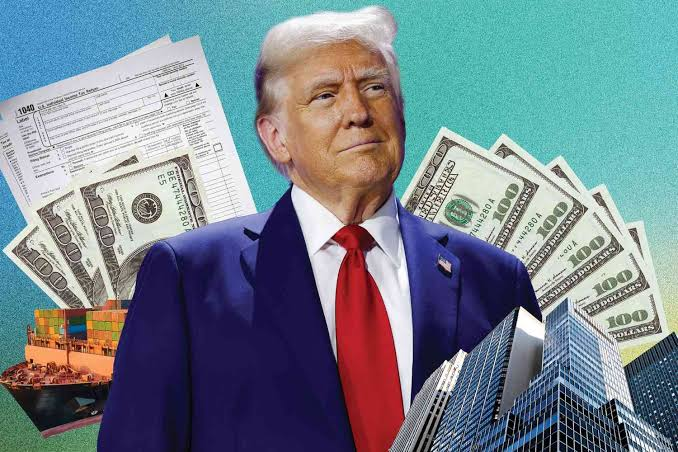
The administration argues that some trading partners support manufacturing in ways that encourage production beyond what their domestic markets can absorb, leaving excess goods competing in international markets.
US Trade Representative Jamieson Greer said such policies place American manufacturers at a disadvantage and that the proposed actions are intended to address practices his office considers unfair.
The inquiry began in March under Section 301 of the Trade Act of 1974, which allows the United States to investigate certain foreign trade practices and consider a response.
On Nov 25, Greer’s office announced its findings and proposed measures while opening a process through which interested parties can comment on the potential effects.
The office is accepting written comments through Jan 5, 2027, and public hearings are scheduled to begin on Jan 25, according to the published notices.
That timetable matters to companies deciding whether to change orders, renegotiate contracts or look for alternative suppliers, because the proposals can still be revised before any final action.
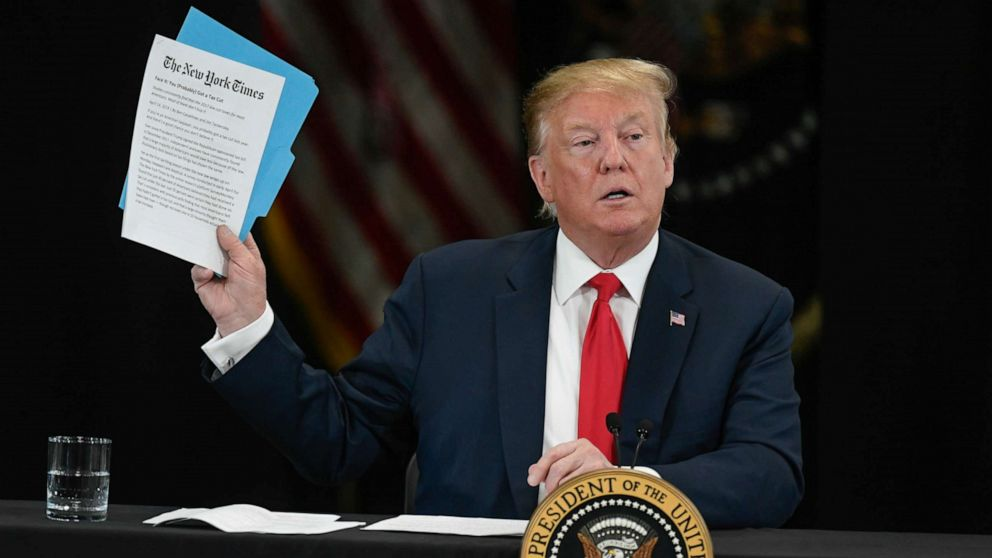
A tariff is a duty assessed on imported merchandise, and the US importer generally pays it to the federal government when the goods enter the country.
The company may try to recover some of that expense by increasing the price charged to wholesalers, retailers or customers, although the result depends on competition and other market conditions.
Businesses can also absorb part of the cost, negotiate lower supplier prices or change sourcing arrangements, leaving the final burden distributed differently across particular products and transactions.
For shoppers, the risk is therefore a higher price on some goods rather than an automatic increase on every purchase or a separate tariff bill at the checkout.
American manufacturers that compete with imports could gain some protection, while businesses that use imported components may face higher costs even when their products are assembled domestically.
The 14 economies named in the proposed actions are China, the European Union, Japan, South Korea, Taiwan, Vietnam, India, Switzerland, Thailand, Malaysia, Singapore, Indonesia, Cambodia and Bangladesh.
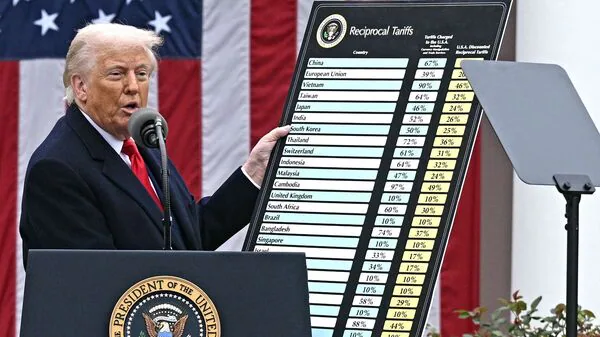
The proposed rates differ by economy, and their practical effect depends on product exemptions, existing duties and the treatment of other trade measures under each economy’s notice.
For example, the administration proposes considering duties of up to 35% on goods from Vietnam, with specified exemptions and possible adjustments for other duties or a qualifying trade agreement.
Mexico and Norway were also included in the original investigations, but the administration did not announce proposed duties for them in this round of 14 actions.
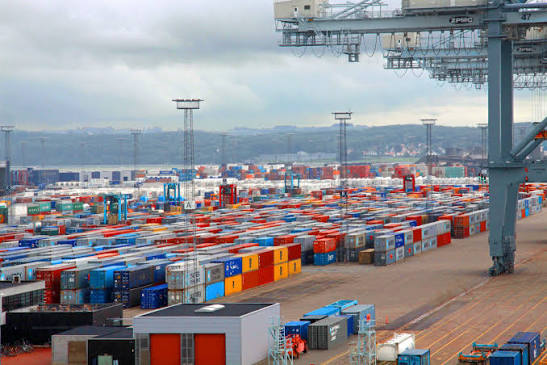
For American importers purchasing covered goods from the named economies, the direct effect would be an additional customs obligation if the relevant proposals become final and apply to their shipments.
Consumers could ultimately pay more for affected products if companies pass along added costs, but the amount would depend on the final rules and how individual businesses respond.
Comments (0)
Loading comments...
May You Like

IRAN THREATENS SHIPS OVER HORMUZ PASSAGE AFTER CLAIMING A MINE STRIKE

CHRIST THE REDEEMER CLOUDS MATCH POPE FRANCIS' CHILLING 2027 PROPHECY—THE FIRST SIGN APPEARS!

IOWA MILITARY DISASTER: 5 TONS OF SUSPECTED BIOWEAPON WASTE LEAK—300+ HOSPITALIZED, 20 CRITICAL!








Popular Posts





