Obama Says Trump’s ‘Unnecessary’ Iran War Has Strengthened Tehran, Raising Questions Over U.S. Strategy
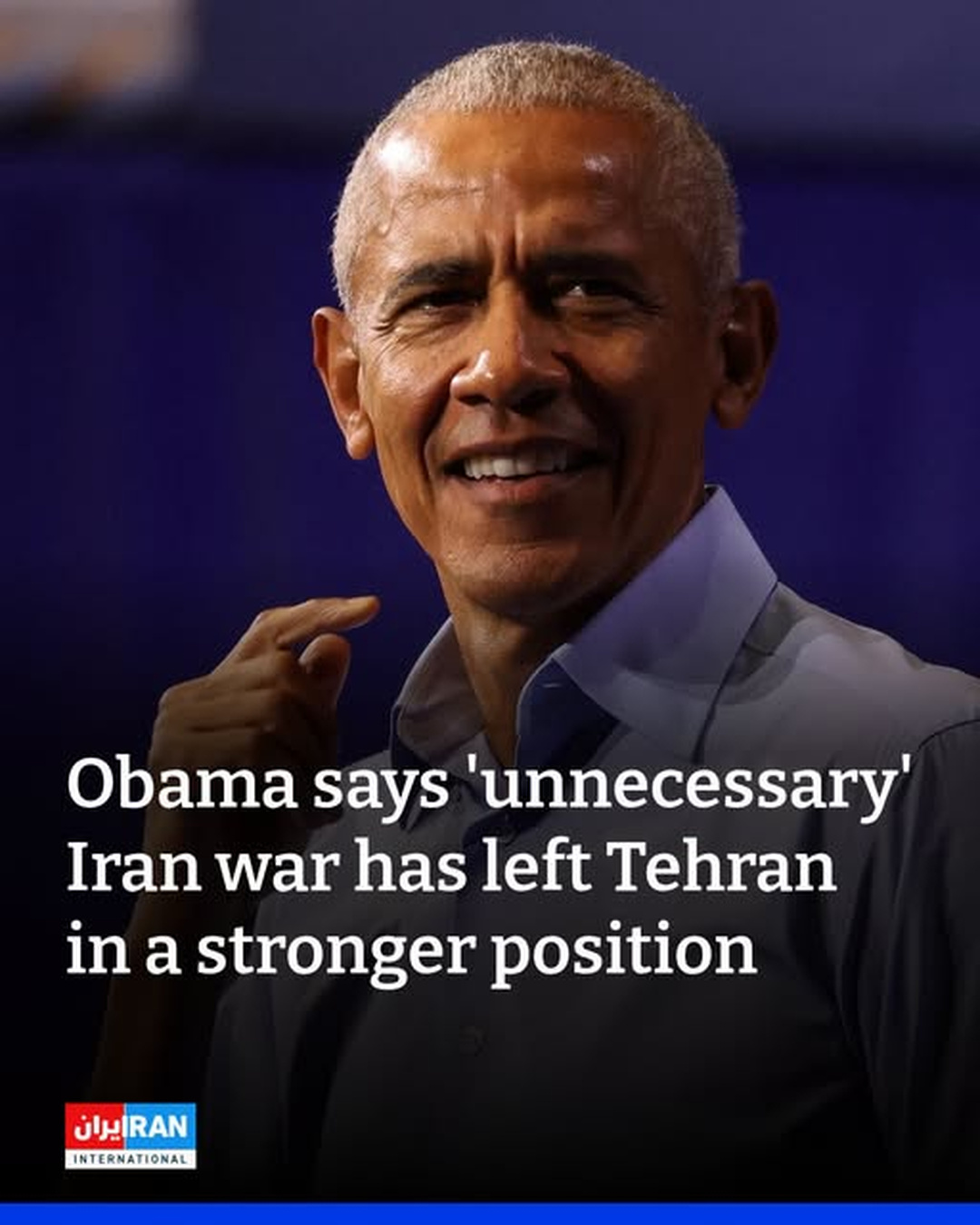
Obama Delivers a Sharp Warning Over the Iran Conflict
Former U.S. President Barack Obama has intensified criticism of President Donald Trump’s military strategy toward Iran, arguing that the conflict has imposed significant costs on the United States while giving Tehran greater leverage over a critical international energy route.
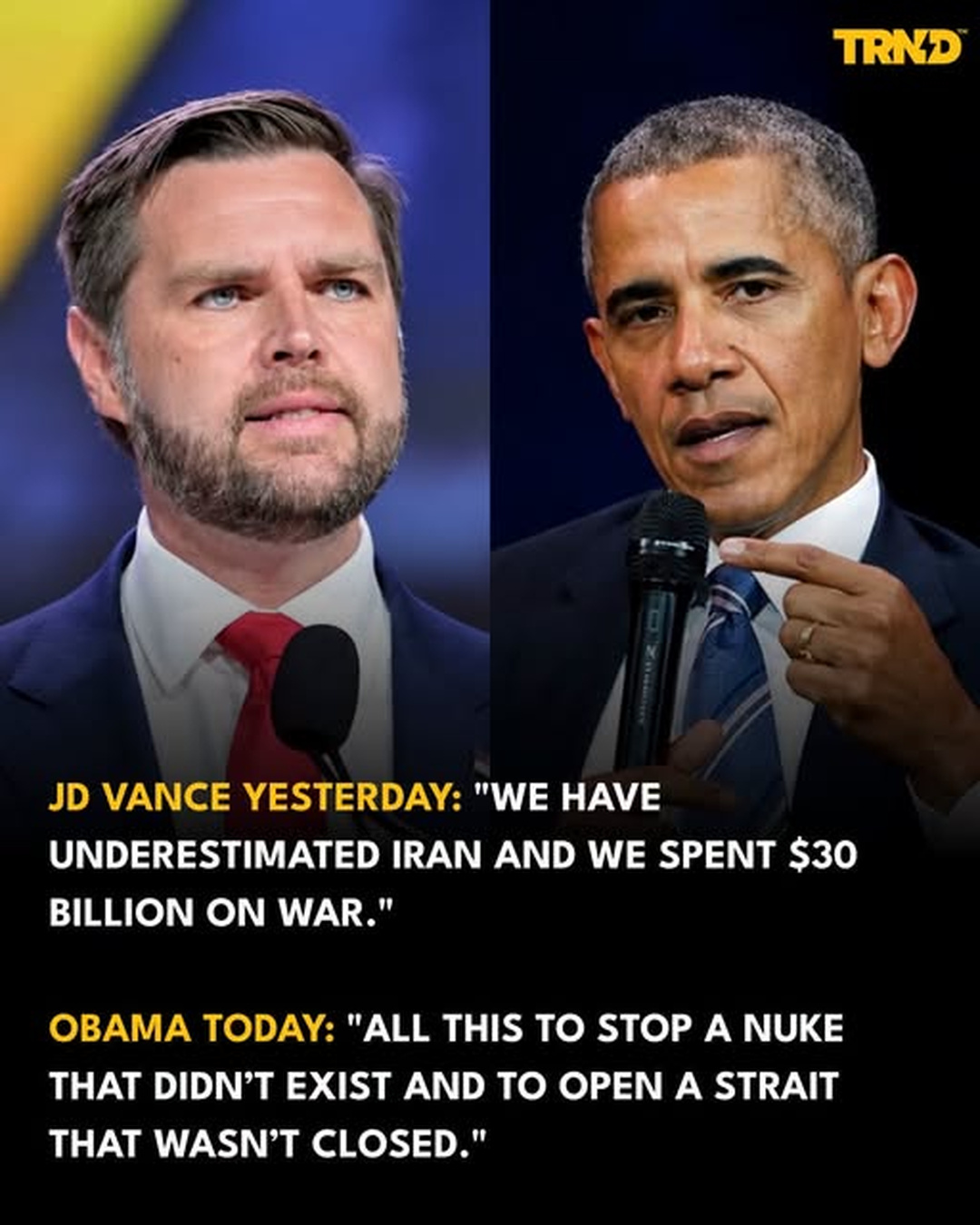
Speaking at a Democratic campaign rally in Cleveland, Ohio, on October 24, Obama described the war as unnecessary and questioned whether Washington had achieved the strategic objectives used to justify military action.
“The current president chose to make a series of bad decisions,” Obama told the crowd. “Most importantly, he decided to start an unnecessary war that nobody asked for.”
The former president’s criticism centered on a fundamental question: has the military campaign weakened Iran’s strategic position, or has it created new opportunities for Tehran to exert pressure on the United States and its allies?
Obama argued that Iran’s ability to threaten shipping through the Strait of Hormuz has given the country significant economic leverage, even as the conflict has exposed American military personnel and regional partners to additional risks.
“Iran now has veto power over the Strait of Hormuz, where oil goes through to get to the world,” he said.
The statement captures the central dispute surrounding the war. Military operations may damage infrastructure and impose costs on an adversary, but their broader strategic consequences depend on whether they achieve lasting security objectives without creating new vulnerabilities.
The Trump administration has defended its approach by emphasizing the danger of a nuclear-armed Iran. Obama, however, has questioned whether abandoning diplomacy and resorting to military force has delivered a better outcome.
His remarks have placed Iran policy at the center of the final stretch of the 2026 midterm campaign, giving renewed attention to the relationship between military strategy, international stability and the economic pressures experienced by American households.
The Strait of Hormuz: Iran’s Strategic Leverage

The Strait of Hormuz is a critical maritime corridor linking the Persian Gulf with international markets. Disruptions to shipping through the waterway can affect energy supplies and prices worldwide.
At the heart of Obama’s argument is the Strait of Hormuz, a narrow waterway between Iran and Oman that connects the Persian Gulf with the Gulf of Oman and the wider international shipping network.
Before the conflict, approximately one-fifth of global oil and liquefied natural gas flows passed through the strait, making it one of the most strategically important energy chokepoints in the world. Its importance extends beyond the Middle East because disruptions can affect importers, exporters and consumers across multiple continents.
The waterway gives Iran a source of leverage that does not depend exclusively on the size or sophistication of its conventional military forces. Threats to commercial shipping, attacks on vessels or uncertainty over the safety of maritime routes can increase insurance costs, delay deliveries and force energy companies to reconsider transport arrangements.
Even when shipments continue, the perception of elevated risk can influence markets. Traders respond not only to barrels already removed from circulation but also to the possibility that future supplies could be interrupted.
Obama argued that the war had allowed Tehran to exercise greater influence over this strategic corridor. In his assessment, the conflict has therefore created a paradox: a campaign intended to constrain Iran has also increased the importance of Iran’s ability to threaten a vital artery of global commerce.
That interpretation does not, by itself, establish that Iran has achieved an overall strategic victory. The country may face military losses, economic damage and pressure on its infrastructure while simultaneously gaining leverage in a particular area.
The distinction matters. A government can suffer significant damage and still retain tools capable of imposing substantial costs on its adversaries.
For Washington, the central challenge is determining whether military operations can reduce those tools or whether they risk making them more consequential.
Rising Oil Prices Put the Economic Consequences in Focus

Disruptions to energy transportation and uncertainty over future supplies can feed into oil and fuel prices, affecting households and businesses far beyond the immediate conflict zone.
Obama also linked the conflict to rising energy costs, arguing that the consequences of military decisions are being felt well beyond the battlefield.
During his Ohio speech, he pointed to increases in oil and diesel prices and argued that the war was contributing to the higher cost of everyday goods and services.
The economic mechanism is relatively straightforward. When a major shipping route becomes dangerous or unreliable, energy markets must account for the possibility of reduced supply. Higher transportation and insurance costs can add further pressure, while businesses may pass some of those expenses on to consumers.
Diesel prices are particularly relevant because diesel fuel powers much of the trucking, freight and agricultural machinery used to move goods around the United States. Sustained increases can raise operating costs for transportation companies, distributors and farmers, potentially contributing to higher prices for food and other products.
The effects are not necessarily uniform. The scale and duration of any price increase depend on the extent of supply disruptions, available alternative routes, production decisions by major exporters, inventory levels and expectations about how long the conflict will continue.
Nor can every increase in consumer prices be attributed to the war. Domestic demand, refinery capacity, taxes, labor costs and broader economic conditions also influence what Americans pay.
Nevertheless, the conflict has added a significant source of uncertainty to the energy outlook. For an administration seeking to demonstrate that its policies improve economic conditions, the relationship between military action and fuel prices presents a difficult political issue.
Obama’s criticism was that Americans are being asked to absorb the consequences of a war whose strategic benefits remain disputed.
Obama Revives the Debate Over the 2015 Iran Nuclear Deal

The 2015 Joint Comprehensive Plan of Action was negotiated under the Obama administration and established restrictions and monitoring requirements for Iran’s nuclear program.
Obama’s criticism is also rooted in a major foreign-policy decision from his presidency: the 2015 nuclear agreement with Iran, formally known as the Joint Comprehensive Plan of Action, or JCPOA.
The agreement was negotiated by Iran and six world powers: the United States, the United Kingdom, France, Germany, Russia and China. It required Iran to accept limits on key nuclear activities and extensive international monitoring in exchange for sanctions relief.
The arrangement was designed to make it more difficult for Iran to develop nuclear weapons while giving international inspectors mechanisms to assess compliance.
Speaking in Cleveland, Obama defended the agreement and argued that diplomacy had constrained Iran’s nuclear ambitions without requiring the United States to launch a military campaign.
“Iran didn’t have nuclear weapons because I had put a deal in place that everybody acknowledged kept them from getting nukes,” he said. “And I didn’t have to fire a missile to do it. I just had to engage in diplomacy.”
The agreement remains a central point of disagreement between the two administrations.
In 2018, Trump withdrew the United States from the JCPOA and reimposed sanctions on Iran. Iran subsequently reduced its compliance with several nuclear restrictions, including limits on enrichment and aspects of its cooperation with international monitoring.
Supporters of the original agreement argue that it imposed verifiable constraints and bought time for diplomacy. Critics have argued that its restrictions were insufficiently permanent, did not adequately address Iran’s regional activities and left unresolved questions about the country’s longer-term nuclear ambitions.
The historical record is important to the current debate. The International Atomic Energy Agency reported that Iran was implementing its nuclear-related commitments during the period following the agreement’s implementation, apart from certain issues that were addressed. However, that record does not establish what Iran would have done indefinitely had the agreement remained in place.
Likewise, the withdrawal from the agreement and the subsequent deterioration in nuclear constraints do not, on their own, establish what the outcome of the current conflict will be.
The underlying question remains whether diplomacy, military pressure or some combination of the two can produce durable restrictions on Iran’s nuclear capabilities while reducing the risk of a wider regional war.
Obama’s argument is that the diplomatic alternative deserves renewed attention because military action carries costs that cannot be measured solely by the damage inflicted on a target.
Military Losses and the Risks of a Prolonged Conflict

The conflict has raised concerns about the safety of American forces deployed across the region and the potential consequences of sustained military operations.
Obama also cited attacks on American military bases and casualties among U.S. personnel as part of his criticism of the war.
At the Cleveland rally, he said that Americans had been killed and hundreds wounded, while warning that the United States had used up part of its stock of missiles.
These statements point to several dimensions of the conflict that extend beyond the immediate battlefield.
First, casualties impose a direct human cost on service members, their families and communities. Second, attacks on regional bases can force the United States to devote additional resources to air defense, force protection and the replacement of damaged equipment. Third, the consumption of precision munitions can place pressure on military inventories, particularly if operations continue or other security commitments demand the same weapons.
The scale of these effects requires careful assessment. A claim about the number of casualties or the depletion of a particular weapons system should be evaluated against official military reporting, rather than inferred from political speeches alone.
There is also a distinction between the tactical and strategic results of military operations. A campaign can destroy facilities or degrade particular capabilities without necessarily resolving the political conflict that produced the confrontation.
If the adversary retains the ability to threaten shipping, attack regional targets or rebuild damaged infrastructure, military gains may not automatically translate into lasting security.
Conversely, advocates of military action may argue that reducing an adversary’s capabilities can create conditions for a more durable settlement, even if the process carries immediate costs.
The key questions for policymakers are therefore whether the campaign is meeting its stated objectives, what additional risks it creates and what political arrangement could prevent the conflict from recurring.
Without clear answers, the debate over military success is likely to remain contested.
Trump’s Position: Preventing a Nuclear-Armed Iran

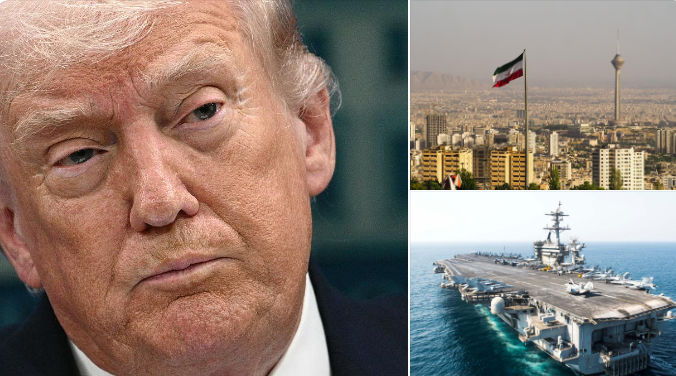
President Donald Trump has defended his approach to Iran by emphasizing the risks posed by its nuclear ambitions and the importance of preventing Tehran from acquiring nuclear weapons.
The Trump administration’s position rests on a different assessment of the risks.
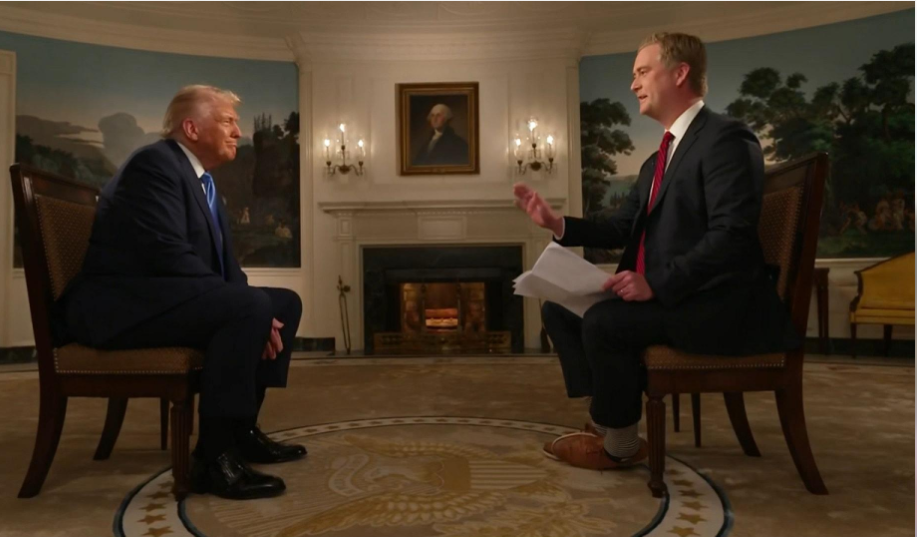
Trump has argued that allowing Iran to acquire nuclear weapons would pose a serious threat to the United States and its allies. In an interview with FOX 2 Detroit published on October 25, he defended the need to continue addressing Iran’s nuclear capabilities, saying that the conflict would not be resolved until there was confidence that Iran could not develop nuclear weapons.
From the administration’s perspective, the immediate economic and military costs must be weighed against the potential consequences of a nuclear-armed Iran.
Officials and supporters of the policy may contend that sanctions and diplomatic agreements alone cannot eliminate every threat, particularly if an adversary expands its nuclear activities or challenges international restrictions.
Critics, including Obama, counter that military action can generate unintended consequences, including retaliation, disruptions to energy supplies and the erosion of diplomatic options.
The disagreement is not simply about whether Iran’s nuclear program presents a security concern. It is about the most effective way to address that concern, the acceptable level of risk and the conditions under which military action should end.
Trump has also responded to Obama’s broader attacks on his presidency. Reuters reported that Trump used Truth Social to criticize his predecessor after Obama’s campaign appearances, extending the political confrontation beyond the immediate dispute over Iran.
The public exchange illustrates how foreign policy has become intertwined with domestic political messaging as both parties campaign ahead of the midterms.
Yet the central strategic question cannot be resolved by political rhetoric alone. It depends on the military situation, intelligence assessments, diplomatic negotiations and the ability of the parties to reach an arrangement that addresses the underlying security concerns.
Why the Conflict Matters Beyond the Middle East

The Strait of Hormuz connects regional security developments with global energy markets, making the conflict an international economic concern.
The implications of the Iran conflict extend well beyond Washington and Tehran.
Asian economies that rely heavily on imported energy may be especially exposed to disruptions in Gulf shipments. European markets can also be affected through changes in oil prices, freight costs and the availability of alternative supplies.
Even countries that import relatively little oil directly from the Gulf can experience indirect effects because crude oil is traded in an interconnected global market. A disruption in one region can alter prices elsewhere, influence production decisions and raise the cost of transportation.
The consequences can extend to food production, manufacturing and international trade. Higher fuel costs can increase the expense of moving agricultural products, operating industrial facilities and transporting goods across borders.
For energy-importing countries, the duration of the conflict may be as important as its immediate intensity. Short-lived disruptions can sometimes be managed through inventories and alternative supplies. Prolonged instability can create more persistent pressures on prices, investment decisions and economic planning.
The conflict also tests the ability of Washington to coordinate with its partners. Cooperation among governments is important for protecting commercial shipping, sharing intelligence, managing escalation risks and establishing a credible diplomatic framework.
Obama’s criticism suggests that the war could weaken the United States’ international position if allies become less willing to support its strategy or if the consequences of the conflict undermine confidence in Washington’s decision-making.
That remains an interpretation rather than a definitive measure of American influence. Assessing the broader consequences requires examining allied policy decisions, diplomatic engagement, military cooperation and the eventual terms of any settlement.
Still, the connection between regional conflict and global economic stability is clear: the security of a major maritime chokepoint can influence the cost of energy and the calculations of governments around the world.
The Midterm Elections Put Iran Policy Under a Political Spotlight

Obama’s October campaign appearances in Ohio and Michigan have placed the Iran conflict, economic costs and the administration’s broader record into the midterm debate.
Obama’s remarks came just days before the November 3, 2026, midterm elections, when control of Congress is at stake.
The former president has been campaigning for Democratic candidates in Ohio and Michigan, using his appearances to criticize the administration’s approach to foreign policy, the economy and government accountability.
At the Cleveland rally, Obama linked the Iran war to higher energy costs and the risks facing American service members. His argument was that voters should consider not only the administration’s stated objectives but also the practical consequences of its decisions.
For Democrats, the issue provides an opportunity to question whether the administration has delivered the security and economic benefits it promised. For Republicans, the emphasis on preventing Iran from acquiring nuclear weapons offers a rationale for defending military action despite its immediate costs.
Foreign policy is only one element of the election debate. Voters are also considering living costs, immigration, trade, public services and the broader performance of the federal government.
Nevertheless, the Iran conflict connects several of these issues. Energy prices influence household budgets, military casualties shape public assessments of national security policy, and the prospects for a prolonged conflict affect expectations about government spending and international stability.
The election will not, by itself, determine the military outcome or settle the nuclear dispute. But the political response to the war may influence the administration’s room for maneuver, congressional scrutiny and the degree of public support for its strategy.
The campaign therefore presents an immediate test of how effectively each party can explain the relationship between national security objectives and the costs borne by the public.
Has Iran Emerged Stronger? The Strategic Question Remains Open
Obama’s central contention is that the war has increased Iran’s leverage over a vital energy corridor while imposing significant costs on the United States.
That is a serious strategic argument, but the claim that Iran has emerged stronger overall requires a broader assessment than the status of the Strait of Hormuz alone.
A comprehensive evaluation would consider Iran’s remaining military capabilities, its nuclear infrastructure, its ability to threaten regional targets, the resilience of its economy and the extent of international support available to Tehran.
It would also consider the costs Iran itself has incurred, including damage to infrastructure, military losses, economic disruption and the possibility of further isolation.
The United States faces a similarly complex calculation. The effectiveness of its strategy cannot be judged solely by the number of targets struck or weapons destroyed. It also depends on whether the campaign reduces future threats, protects commercial shipping, reassures allies and creates conditions for a stable political settlement.
Several possible outcomes remain relevant to that assessment.
-
A durable diplomatic agreement: Negotiations could establish verifiable limits on Iran’s nuclear activities while reducing the threat to regional shipping and lowering the risk of renewed conflict.
A prolonged military confrontation: Continued fighting could sustain pressure on Iran while increasing the costs to American forces, regional partners and the global economy.
An unstable ceasefire or partial settlement: A reduction in fighting without a broader agreement could leave unresolved disputes over nuclear activities, maritime security and regional influence.
These are analytical possibilities, not predictions. Their likelihood depends on developments that cannot be established from campaign speeches alone.
What is clear is that military pressure and strategic success are not synonymous. A government may inflict damage on an adversary without eliminating its capacity to disrupt international commerce or influence future negotiations.
Equally, a temporary increase in leverage does not necessarily mean that an adversary has achieved a lasting strategic advantage.
The eventual outcome will depend on whether the conflict produces a more secure regional environment or leaves the underlying sources of instability intact.
Conclusion: A Defining Test for U.S. Foreign Policy
Obama’s criticism has brought the Iran conflict back to the center of America’s political debate, raising questions about military objectives, diplomatic alternatives and the wider economic consequences of war.
His argument is that the United States abandoned a diplomatic framework that had imposed constraints on Iran’s nuclear program and entered a conflict that has increased Tehran’s leverage over the Strait of Hormuz. He has also pointed to casualties among American service members and higher energy costs as evidence of the war’s consequences.
Trump’s position remains focused on preventing Iran from acquiring nuclear weapons, a goal his administration considers essential to American and regional security. The disagreement is over whether military action is the most effective means of achieving that objective and whether its potential benefits justify the associated risks.
The broader implications extend far beyond the political rivalry between the two presidents. The security of international shipping, the stability of energy markets, the safety of military personnel and the future of nuclear diplomacy are all tied to the course of the conflict.
As the midterm elections approach, the debate is likely to remain politically prominent. But the most consequential judgment will ultimately depend on the results: whether the conflict reduces the danger of a nuclear crisis, restores confidence in regional security and produces a lasting arrangement that prevents further escalation.
Until those questions are answered, the claim that the war has strengthened Iran remains a contested strategic assessment — one that demands scrutiny of both the costs already incurred and the security outcomes the United States is seeking to achieve.
Editorial note: This article reflects reporting available through October 28, 2026. Political statements are attributed to their speakers. The overall strategic balance of the Iran conflict remains subject to change and cannot be established from campaign rhetoric alone.
Comments (0)
Loading comments...
May You Like
"FINISH THE JOB"! ★ THE DARK PLOT OF TRUMP & NETANYAHU...
Zelensky’s Reported Oil-Strike Threat Puts Ukraine–U.S. Relations Under Fresh Scrutiny
Latest Posts
Popular Posts